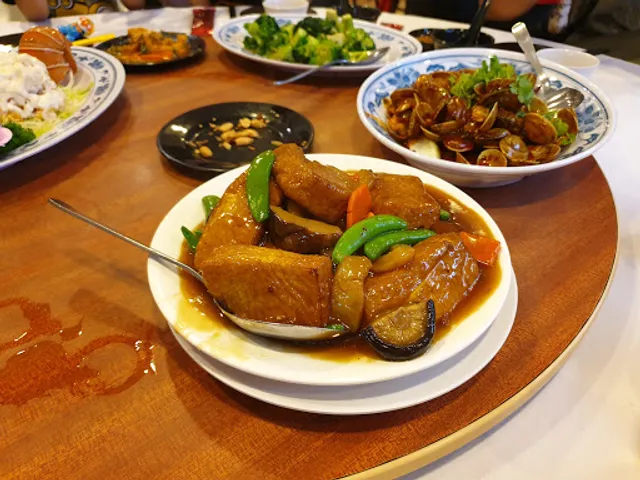
Singapore has no shortage of zi char restaurants. Walk into almost any neighborhood and you will find a crowded coffee shop serving sambal kangkong, cereal prawns, and steaming claypot dishes late into the night.
Yet somehow, Por Kee Eating House continues to stand out.
Maybe it is the comforting atmosphere. Maybe it is the wok hei that hits your table before the food even lands. Or maybe it is because people still remember their first bite of Por Kee’s signature coffee pork ribs years later.
Whatever the reason, this long-running local favorite has built a reputation that goes far beyond casual hype. Tourists search for it. Office workers recommend it. Families return for birthdays and weekend dinners. And locals? They keep debating which dish is actually the best.
If you have been wondering whether Por Kee Eating House is worth the visit, this guide covers everything you need to know — from signature dishes and prices to dining tips and what makes this place different from the average zi char stall.
What Is Por Kee Eating House?
Por Kee Eating House is one of Singapore’s well-known zi char restaurants, famous for serving comforting Chinese-style communal dishes with bold flavors and generous portions.
For anyone unfamiliar with the term, “zi char” refers to a style of local dining where dishes are cooked fresh upon order and shared among a group. Think of it as Singapore’s version of family-style comfort food.
At Por Kee, the menu combines:
- Traditional Chinese cooking
- Singapore-style flavors
- Seafood specialties
- Stir-fried classics
- Unique signature creations
Unlike upscale Chinese restaurants with polished banquet halls, Por Kee keeps things grounded. The atmosphere feels casual, lively, and familiar. Tables are often packed with families chatting loudly while plates of hot food move rapidly from kitchen to dining room.
That energy is part of the charm.
Why Por Kee Eating House Became So Popular
Some restaurants gain popularity because of social media trends. Others rely on celebrity endorsements.
Por Kee grew mainly through word of mouth.
People visited once, found a favorite dish, and brought friends back again. Over time, its reputation spread across Singapore’s food scene.
Here are a few reasons why the restaurant continues attracting loyal customers.
Signature Dishes That Actually Feel Different
Many zi char restaurants serve similar menus. You can usually expect:
- Sweet and sour pork
- Sambal vegetables
- Fried rice
- Prawn paste chicken
- Seafood platters
Por Kee offers those staples too, but several dishes have become closely tied to the restaurant itself.
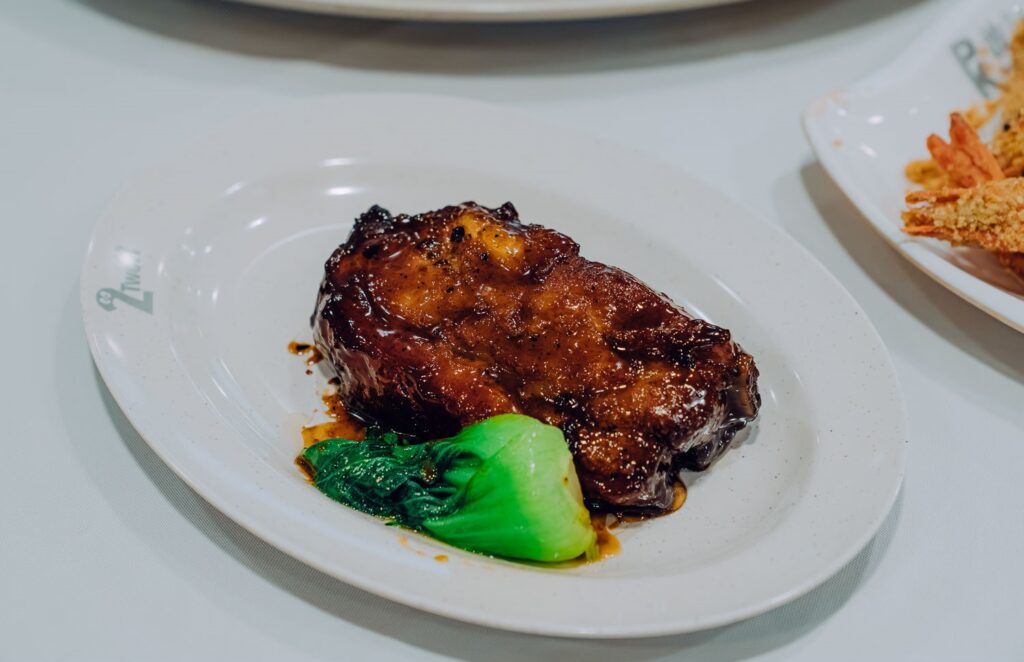
The coffee pork ribs are a good example. The sauce combines sweetness, bitterness, and smoky flavors in a way that feels memorable instead of gimmicky.
That balance matters.
Strong Wok Hei
Ask any Singaporean food lover what separates average zi char from excellent zi char, and one phrase appears constantly: wok hei.
Wok hei refers to the smoky aroma and flavor produced by high-heat stir-frying. It gives noodles, vegetables, and meats a richer taste that cannot easily be copied at home.
Por Kee consistently delivers that restaurant-style charred fragrance, especially in noodle and seafood dishes.
Family-Friendly Dining
Another reason people return is the relaxed setup.
Por Kee works well for:
- Family dinners
- Casual celebrations
- Group gatherings
- Supper outings
- Office meals
The sharing-style menu encourages conversation, which naturally creates a more social dining experience.
The Best Dishes to Order at Por Kee Eating House
One challenge at Por Kee is deciding what not to order.
The menu is extensive, and first-time visitors often feel overwhelmed. To make things easier, here are some of the dishes most commonly recommended by regular customers.
Signature Dishes at a Glance
| Dish | Flavor Profile | Best For |
|---|---|---|
| Coffee Pork Ribs | Sweet, smoky, slightly bitter | First-time visitors |
| Marmite Chicken | Savory and rich | Sharing with groups |
| Hotplate Beancurd | Soft tofu with thick gravy | Comfort food lovers |
| Sambal Kangkong | Spicy and aromatic | Vegetable side |
| Cereal Prawns | Buttery and crunchy | Seafood fans |
| Claypot Seafood Soup | Warm and hearty | Rainy-day meals |
| Fried Rice | Smoky wok hei flavor | Group dining |
Coffee Pork Ribs: The Dish Everyone Talks About
This is arguably the restaurant’s most famous dish.
At first glance, coffee-flavored pork ribs sound strange. Some people expect an overpowering espresso taste. Others assume it will be overly sweet.
But the actual flavor is surprisingly balanced.
The sauce creates:
- A caramelized sweetness
- Slight bitterness
- Smoky undertones
- Sticky glaze texture
The ribs themselves are tender while maintaining a satisfying bite.
One reason this dish works so well is because the coffee flavor acts more like a background enhancer rather than the main focus.
If you visit Por Kee for the first time, this is usually the safest signature order.
Marmite Chicken: Surprisingly Addictive
Marmite tends to divide people. Some love it. Others avoid it completely.
Yet Por Kee’s marmite chicken often converts skeptics.
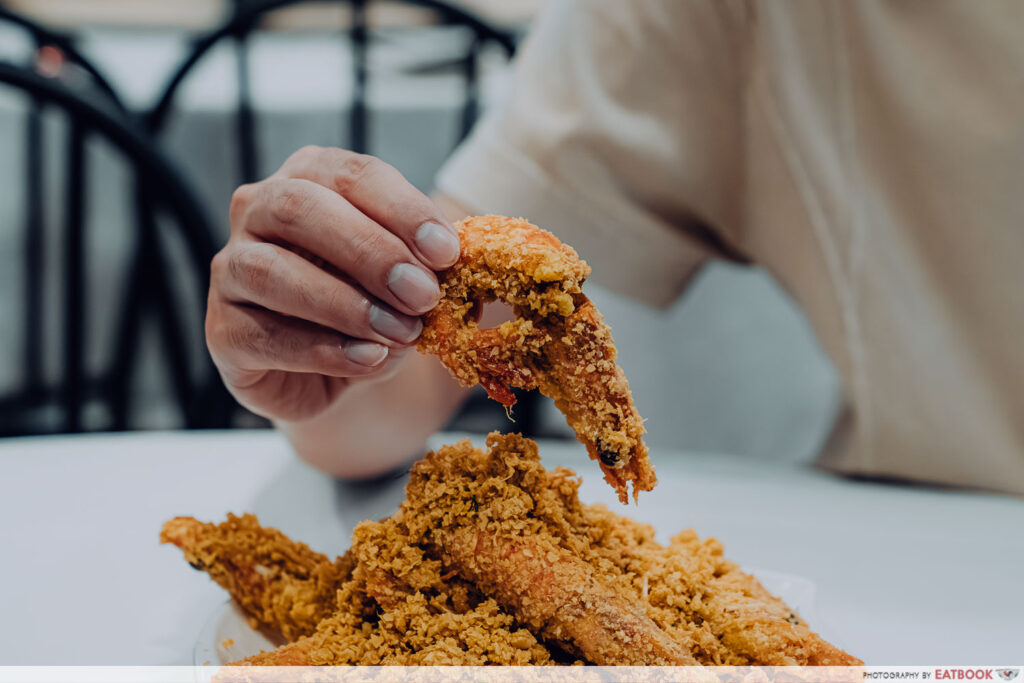
The chicken pieces are crispy on the outside and coated in a sticky glaze that mixes sweetness with savory depth. Instead of tasting strongly like bottled Marmite spread, the flavor becomes more rounded and balanced after cooking.
The result feels rich without becoming overwhelming.
This dish pairs especially well with plain rice.
Why Their Zi Char Feels More Comforting Than Trendy
Singapore’s food scene changes quickly.
Every few months, another trendy cafe or fusion restaurant appears online. Many attract attention for presentation more than flavor.
Por Kee survives because it focuses on consistency instead of novelty.
The experience feels familiar in the best way possible.
You hear sizzling hotplates arriving at nearby tables. You smell garlic and soy sauce drifting from the kitchen. You watch families sharing dishes while arguing playfully about who ordered too much rice.
That environment creates emotional comfort alongside the food itself.
For many Singaporeans, zi char restaurants like Por Kee represent nostalgia.
The Importance of Wok Hei in Por Kee’s Cooking
Wok hei is often misunderstood by visitors unfamiliar with Chinese cooking techniques.
It is not just “burnt flavor.”
True wok hei develops when ingredients hit extremely hot metal surfaces, causing oil, sauces, and natural sugars to caramelize rapidly.
At Por Kee, you notice this especially in:
Fried Rice
The grains stay separated while carrying a subtle smoky aroma.
Hor Fun Noodles
The edges of the noodles develop slight charring that enhances texture.
Stir-Fried Vegetables
Even simple greens gain extra complexity from intense heat cooking.
Restaurants that cannot control wok hei properly often produce greasy or flat-tasting dishes. Por Kee generally avoids that problem.
Is Por Kee Eating House Expensive?
Compared to upscale seafood restaurants in Singapore, Por Kee remains relatively affordable.
However, pricing depends heavily on what you order.
Seafood items naturally increase the bill, especially crab and prawns. Simpler dishes like vegetables, tofu, and rice remain budget-friendly.
Here is a rough estimate for group dining:
| Group Size | Estimated Cost |
|---|---|
| 2 People | SGD 35–60 |
| 4 People | SGD 80–140 |
| 6+ People | SGD 150+ |
Ordering strategically makes a difference.
A balanced meal usually includes:
- One protein dish
- One seafood dish
- One vegetable dish
- Rice or noodles
- Soup for sharing
This combination gives variety without overspending.
Tips Before Visiting Por Kee Eating House
First-time visitors often make the mistake of arriving without preparation, especially during dinner hours.
Here are practical tips that improve the experience significantly.
Visit Earlier During Peak Hours
Por Kee can get crowded during:
- Friday evenings
- Weekend dinners
- Public holidays
Arriving earlier helps avoid long waiting times.
Go With a Group
Zi char restaurants are best experienced communally.
A larger group allows you to try:
- More dishes
- Different textures
- Multiple cooking styles
Two people can still enjoy the meal, but variety becomes limited.
Don’t Overorder Immediately
Many dishes look manageable at first but arrive in large portions.
A smarter strategy:
- Start with 3–4 dishes
- Add more later if needed
- Leave room for signature items
A Real Dining Scenario: Why People Keep Returning
Imagine this situation.
A family gathers for dinner after months apart. Nobody wants formal fine dining. Nobody wants rushed fast food either.
Someone suggests Por Kee.
Within minutes, the table fills with hot dishes:
- Coffee pork ribs
- Sambal kangkong
- Claypot tofu
- Fried rice
- Cereal prawns
Conversation becomes louder as everyone starts reaching across the table for favorite bites.
One person insists the marmite chicken is better this year. Another claims the seafood soup tastes exactly like it did ten years ago.
That sense of continuity matters more than trendy presentation.
Restaurants that survive long-term usually create emotional memories alongside good food.
Por Kee does exactly that.
Comparing Por Kee to Other Zi Char Restaurants
Singapore has many respected zi char spots, so how does Por Kee compare?
Strengths of Por Kee
- Consistent signature dishes
- Reliable wok hei
- Casual atmosphere
- Good portion sizes
- Strong variety
Potential Downsides
- Waiting times during peak periods
- Noise levels can get high
- Parking may be inconvenient
- Some dishes lean slightly oily
The key difference is balance.
Some zi char restaurants focus heavily on seafood luxury. Others specialize in budget dining.
Por Kee sits somewhere in the middle — approachable enough for casual meals but flavorful enough to feel worth revisiting.
What Makes Singapore Zi Char Culture So Special?
To understand Por Kee fully, it helps to understand Singapore’s zi char culture itself.
Zi char dining is not only about eating.
It reflects:
- Community
- Shared experiences
- Multi-generational dining
- Affordable celebrations
- Local culinary identity
Unlike individual plated meals, zi char encourages interaction.
People rotate lazy susans. They debate favorite dishes. They recommend combinations. Someone always steals the last prawn.
That dynamic creates warmth.
For travelers visiting Singapore, eating at a zi char restaurant often provides a more authentic local experience than tourist-heavy dining spots.
Popular Side Dishes Worth Trying
While signature dishes receive most of the attention, side dishes can quietly shape the overall experience.
Sambal Kangkong
A staple vegetable dish with spicy sambal sauce and garlic.
Good versions balance:
- Heat
- Saltiness
- Fresh crunch
Por Kee generally gets this balance right.
Hotplate Tofu
Soft tofu served sizzling with savory gravy.
This dish works well for balancing heavier fried items.
Omelette Dishes
Many regular customers order simple egg dishes alongside seafood and meats because they absorb sauces well and complement rice naturally.
Seafood at Por Kee Eating House
Seafood remains a major part of Singapore’s dining culture, and Por Kee includes plenty of options.
Popular choices often include:
- Cereal prawns
- Chili crab
- Steamed fish
- Salted egg seafood dishes
The quality can vary depending on seasonal supply, but seafood generally plays an important role in group meals here.
For larger gatherings, seafood dishes often become the centerpiece of the table.
The Role of Nostalgia in Food Experiences
Food memories are powerful.
Many diners who visit Por Kee are not searching for experimental cuisine. They are searching for familiarity.
That nostalgia can come from:
- Childhood family dinners
- University gatherings
- Office celebrations
- Late-night supper memories
Restaurants connected to personal milestones tend to build emotional loyalty.
Por Kee benefits from this kind of long-term relationship with customers.
Some visitors have been returning for decades.
Why Tourists Are Starting to Notice Por Kee
In recent years, travelers exploring Singapore’s local food scene have become more interested in zi char culture.
Hawker centers still attract huge attention, but many tourists now want experiences beyond famous chicken rice stalls.
Por Kee appeals to visitors because it offers:
- Authentic local flavors
- Group dining culture
- Signature dishes unique to Singapore
- Casual atmosphere without excessive formality
For travelers staying longer in Singapore, zi char restaurants provide a different perspective on local food traditions.
Common Mistakes First-Time Diners Make
If you plan to visit Por Kee, avoiding these mistakes helps improve the experience.
Ordering Only Fried Items
Too many heavy dishes can become overwhelming quickly.
Balance your meal with:
- Vegetables
- Soup
- Lighter tofu dishes
Ignoring Rice or Noodles
Strong sauces pair best with carbohydrates that absorb flavor.
Skipping rice sometimes makes dishes feel saltier than intended.
Expecting Fine Dining Service
Zi char restaurants move quickly.
The focus stays on food efficiency rather than luxury hospitality.
Understanding that expectation prevents disappointment.
How Por Kee Reflects Singapore’s Food Identity
Singapore’s culinary identity combines multiple influences:
- Chinese
- Malay
- Indian
- Peranakan
- International adaptations
Zi char culture especially reflects Chinese-Singaporean food evolution.
At Por Kee, you can see how traditional Chinese cooking methods merged with local preferences over time.
Examples include:
- Sambal-based dishes
- Sweet-savory sauces
- Strong wok cooking
- Seafood-heavy menus
This fusion feels naturally Singaporean rather than artificially modernized.
Best Times to Visit Por Kee Eating House
Timing can significantly affect your dining experience.
Lunch Hours
Usually slightly calmer compared to dinner.
Good for:
- Smaller groups
- Faster seating
- Shorter waiting times
Dinner Hours
More energetic and crowded.
Best for:
- Full zi char atmosphere
- Group gatherings
- Larger menu exploration
Late Evening
Some regulars prefer later timings when the initial dinner rush slows down.
Questions Every First-Time Visitor Usually Asks
Is Por Kee suitable for tourists?
Yes. The menu is approachable, and many dishes appeal even to people unfamiliar with local cuisine.
Is it halal?
No, Por Kee Eating House is not halal-certified.
Are reservations recommended?
During busy periods, reservations can help reduce waiting time.
Is it family-friendly?
Very much so. The communal dining style works especially well for families.
Practical Ordering Strategy for New Visitors
If you feel overwhelmed by the large menu, this simple structure works well for most groups of four.
Recommended Combination
- Coffee pork ribs
- Sambal kangkong
- Hotplate tofu
- Cereal prawns
- Fried rice
This combination provides:
- Meat
- Seafood
- Vegetables
- Rice
- Different textures and flavors
It also represents a fairly balanced introduction to Por Kee’s style.
Final Thoughts on Por Kee Eating House
Por Kee Eating House succeeds for a simple reason: it understands what people actually want from zi char dining.
Not every meal needs theatrical presentation or viral social media attention. Sometimes people just want honest food, strong flavors, generous portions, and an atmosphere that feels alive.
That is where Por Kee continues to shine.
The restaurant captures something increasingly rare in modern dining — consistency without losing character.
If you are visiting Singapore and want a more grounded local food experience, Por Kee deserves serious consideration. And if you already live in Singapore, there is a good chance you understand why people keep returning year after year.
One visit may not make you an instant regular.
But there is a strong possibility you will start thinking about those coffee pork ribs again a few days later.