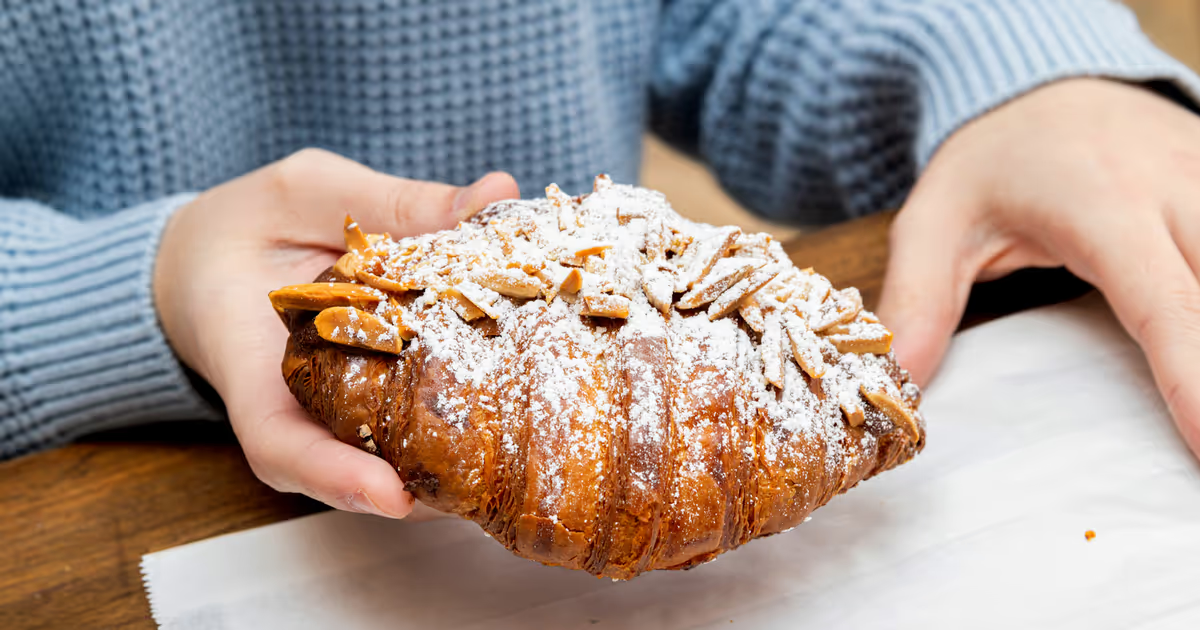
Petit pain is one of the most popular French bakery items known for its soft texture and golden crust. In this guide on petit pain, you will learn everything from its origin to baking techniques and modern variations.
This article is designed for bakers, food lovers, and SEO professionals who want deep insights into petit pain. We will explore its history, ingredients, preparation methods, and even business opportunities.
Moreover, you will also discover how petit pain fits into modern bakery trends and why it is gaining global popularity. Whether you are a beginner or a professional baker, this guide will help you understand it in detail.
What is Petit Pain? (Definition & Overview)
Petit pain is a small French bread roll that is typically soft inside with a slightly crispy crust. The term literally means “small bread” in French.
In bakeries, petit pain is often served with breakfast, soups, or sandwiches. It is similar to a mini baguette but softer and lighter in texture.
The popularity of petit pain comes from its versatility. It can be sweet or savory depending on preparation. Additionally, it is widely used in cafés and restaurants due to its simple yet elegant presentation.
Moreover, petit pain is a staple in French cuisine and has now become a global bakery product.
History and Origin of Petit Pain
The history of petit pain traces back to traditional French baking culture. France has long been known for its artisan bread-making techniques.
Initially, petit pain was created as a smaller version of larger bread loaves to make portions easier for individuals. Over time, it became a common bakery item across Europe.
In the 19th century, bakery innovations helped refine the texture and consistency of petit pain. Bakers focused on improving crust crispiness while maintaining a soft interior.
Today, petit pain is widely available in bakeries worldwide and remains a symbol of French culinary tradition. Its simplicity and taste have made it timeless in bakery culture
Ingredients and Baking Process of Petit Pain
The making of petit pain requires simple yet precise ingredients:
- Flour (high-quality wheat flour)
- Water
- Yeast
- Salt
- Optional sugar or butter
The process begins with dough preparation, where ingredients are mixed and kneaded until smooth. Proper fermentation is crucial for achieving the perfect texture of petit pain.
After resting, the dough is shaped into small rolls. These rolls are then proofed to allow expansion. Finally, they are baked at high temperature to create a golden crust.
Professional bakers often use steam ovens to enhance crust quality. This technique ensures that petit pain remains soft inside while crispy outside.
The baking process is simple but requires precision for consistent results.
Variations and Types of Petit Pain
There are many variations of petit pain depending on region and taste preferences.
Common types include:
- Plain petit pain (classic version)
- Butter-based petit pain
- Whole wheat petit pain
- Seeded versions (sesame or flax seeds)
- Sweet petit pain with sugar glaze
Each variation offers a different texture and flavor. For example, whole wheat petit pain is healthier, while sweet versions are ideal for breakfast.
In modern bakeries, chefs also experiment with fillings such as cheese, chocolate, or herbs. This innovation has increased the popularity of petit pain globally.
Nutritional Value and Benefits of Petit Pain
Petit pain provides moderate calories and carbohydrates, making it a good energy source.
Typical nutritional benefits include:
- Provides quick energy
- Contains essential carbohydrates
- Can be enriched with fiber (whole wheat versions)
- Low fat when baked traditionally
However, portion control is important as petit pain is carbohydrate-rich.
Additionally, healthier versions are now available, including gluten-free and multigrain options. These variations make petit pain suitable for different dietary needs.
Business Opportunity: Petit Pain in Bakery Industry
The bakery industry offers strong potential for petit pain products.
Key opportunities include:
- Café menu expansion
- Bakery startups
- Wholesale supply to restaurants
- Frozen dough export business
Moreover, petit pain is easy to standardize, making it ideal for scaling bakery businesses.
Entrepreneurs can benefit from its high demand and low production complexity. With proper branding, petit pain can become a profitable product line.
FAQs About Petit Pain
1. What is petit pain made of?
Petit pain is made from flour, yeast, water, and salt.
2. Is petit pain healthy?
Yes, especially whole wheat petit pain, which offers fiber and nutrients.
3. Can petit pain be frozen?
Yes, petit pain can be frozen and reheated without losing texture.
4. What is the difference between baguette and petit pain?
Petit pain is smaller, softer, and more versatile than a baguette.
5. Where can I buy petit pain?
You can find petit pain in most bakeries, cafés, and supermarkets
Conclusion
In conclusion, petit pain is more than just a French bread roll. It represents tradition, simplicity, and versatility in bakery culture.
Throughout this guide, we explored the history, preparation methods, variations, and even business opportunities related to petit pain. This makes it a valuable product for both consumers and bakery businesses.
Moreover, petit pain continues to grow in global popularity due to its taste and adaptability. Whether served plain or filled, it remains a favorite choice in cafés and restaurants.
If you are a baker or entrepreneur, now is the perfect time to explore the potential of petit pain in your business.
Start implementing these insights today to better understand and utilize petit pain in your bakery or content strategy.