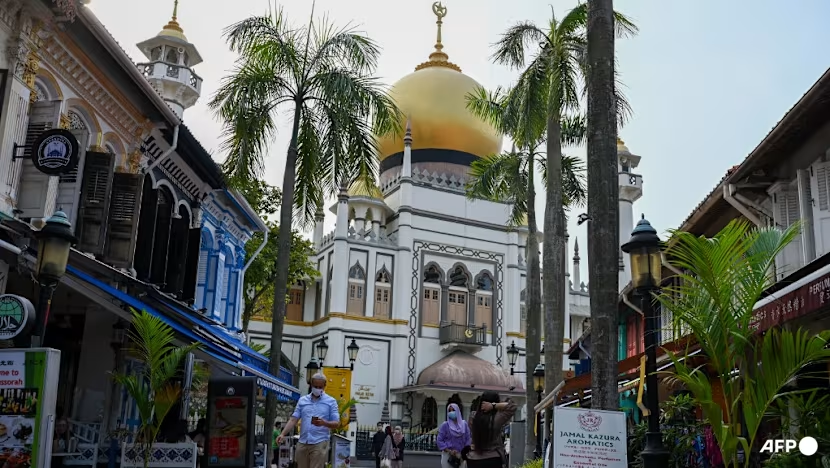
Puasa 2026 Singapore will be an important period for Muslims preparing for Ramadan, a month focused on fasting, prayer, reflection, and community. Millions of Muslims worldwide observe this holy month by avoiding food and drinks from dawn until sunset while increasing spiritual activities.
In Singapore, Ramadan brings a unique combination of religious devotion, family gatherings, community events, and cultural traditions. This guide explains the expected Ramadan dates, fasting schedule, preparation tips, and important information for residents who want to understand the month better.
Whether you are observing Ramadan or simply learning about the practices, this complete guide will help you understand what to expect during Ramadan 2026 in Singapore.
Ramadan 2026 Singapore: Expected Dates and Important Information
Ramadan follows the Islamic lunar calendar, which means its dates change every year. For Ramadan 2026 Singapore, the fasting month is expected to begin around February 2026, depending on official moon sighting confirmation.
According to Singapore Islamic sources, Ramadan 2026 is expected to start around 18 or 19 February 2026, while Hari Raya Puasa is expected around March 2026. The final dates depend on official announcements.
During Ramadan, Muslims observe fasting from dawn until sunset. The daily fast begins before sunrise with suhoor and ends at sunset with iftar.
Important Ramadan activities include:
- Daily fasting
- Taraweeh prayers
- Quran reading
- Charity and helping others
- Family gatherings
- Community events
Understanding Ramadan Fasting in Singapore
Fasting during Ramadan is one of the most important practices in Islam. It teaches patience, self-control, gratitude, and compassion.
Muslims who fast avoid:
- Food and drinks during fasting hours
- Smoking
- Negative behaviour
- Actions that reduce spiritual focus
However, Ramadan is not only about avoiding physical needs. It encourages people to improve their character and strengthen their relationship with faith.
In Singapore, many workplaces, schools, and communities support Muslim employees and friends during this period.
For example:
- Colleagues may adjust meeting times
- Restaurants provide halal Ramadan menus
- Mosques organise special prayers
- Communities arrange charity activities
Fasting Schedule Singapore 2026: Suhoor and Iftar Timings
The fasting schedule Singapore 2026 will change slightly throughout Ramadan because sunrise and sunset times vary each day.
Muslims normally begin fasting after suhoor, the pre-dawn meal. The fast ends at iftar, which happens immediately after sunset.
A typical fasting day includes:
Suhoor Before Dawn
Suhoor provides energy needed throughout the day. Many people choose foods that release energy slowly, such as:
- Whole grains
- Fruits
- Protein-rich foods
- Plenty of water
Eating a balanced suhoor meal can help reduce tiredness during long fasting hours.
Iftar After Sunset
Iftar is the meal used to break the fast. Traditionally, Muslims break their fast with dates and water before enjoying a complete meal.
Popular Ramadan foods in Singapore include:
- Malay traditional dishes
- Rice-based meals
- Soups
- Desserts
- Local halal cuisine
Ramadan bazaars are also a popular part of Singapore’s Ramadan culture, offering a wide range of food choices for families and communities.
Ramadan Calendar 2026 Singapore: Planning Your Month
A Ramadan calendar 2026 Singapore helps Muslims organise worship, meals, and daily activities throughout the month.
Planning ahead can make Ramadan more meaningful and less stressful.
Preparing Before Ramadan Begins
Good preparation allows individuals and families to focus more on worship.
Useful preparation steps include:
- Creating a meal plan
- Preparing prayer schedules
- Organising charity activities
- Adjusting sleeping patterns
- Setting personal spiritual goals
Many people also prepare their homes before Ramadan by creating a peaceful environment for prayer and reflection.
Managing Work During Ramadan
For employees, balancing fasting and professional responsibilities is important.
Helpful workplace practices include:
- Planning important tasks earlier in the day
- Taking short breaks when needed
- Communicating schedules clearly
- Respecting different religious practices
Employers can support Muslim staff by creating an inclusive workplace environment.
Simple actions such as avoiding unnecessary food discussions or allowing flexibility during prayer times can make a positive difference.
Singapore Muslim Fasting Guide: Health and Lifestyle Tips
Following a healthy routine during Ramadan helps maintain energy levels and focus.
Stay Hydrated Between Iftar and Suhoor
Because Muslims cannot drink during fasting hours, hydration becomes important during non-fasting periods.
Tips include:
- Drink enough water after sunset
- Avoid excessive caffeine
- Include water-rich foods
- Reduce very salty meals
Choose Nutritious Ramadan Meals
A balanced diet supports physical and mental performance.
Recommended foods include:
- Vegetables
- Lean protein
- Complex carbohydrates
- Healthy fats
Avoid consuming too many sugary foods because they may cause energy drops later.
Maintain Healthy Sleep Patterns
Many people experience changes in sleeping schedules because of early suhoor and evening prayers.
To improve rest:
- Sleep earlier when possible
- Avoid unnecessary late-night activities
- Take short rests during the day if needed
A healthy routine makes fasting easier and more enjoyable.
Hari Raya Puasa 2026: Celebration After Ramadan
Hari Raya Puasa 2026 marks the end of Ramadan and the beginning of Eid al-Fitr celebrations.
In Singapore, Hari Raya is celebrated with:
- Family visits
- Traditional clothing
- Special meals
- Mosque visits
- Community gatherings
Families often prepare traditional dishes and welcome relatives and friends into their homes.
The celebration represents gratitude, forgiveness, and togetherness after completing the month of fasting.
For many Singapore Muslims, Hari Raya is not only a cultural celebration but also a spiritual milestone.