Travel singapore guide is one of the easiest countries in Asia to explore, yet many travelers underestimate how much the city-state offers. Beyond the skyline and luxury shopping malls, Singapore combines modern attractions, street food culture, green spaces, heritage neighborhoods, and efficient transport in a way few destinations can match. A short trip can include rooftop dining, rainforest walks, island beaches, historic temples, futuristic gardens, and Michelin-recognized hawker meals—all within a compact area.
This travel Singapore guide is designed for first-time visitors, families, solo travelers, and even repeat tourists looking for a smarter way to experience the city. Instead of rushing through famous landmarks, this guide focuses on practical travel planning, hidden local insights, budgeting strategies, transport advice, and neighborhood experiences that improve the overall trip.
Singapore consistently ranks among the safest and cleanest countries in the world. According to tourism statistics, the country welcomes millions of international visitors annually because of its infrastructure, multicultural atmosphere, English-speaking population, and strong tourism services. Travelers from across Asia, Europe, the Middle East, and North America often use Singapore as both a destination and a stopover city.
The biggest mistake travelers make is assuming Singapore is only about luxury travel. While premium hotels and upscale experiences exist, budget travelers can also enjoy affordable hawker food, free attractions, public parks, low-cost transit, and reasonably priced accommodations in areas outside the city center.
Why Singapore Is One of Asia’s Best Travel Destinations
Singapore stands out because it offers convenience without sacrificing cultural depth. The city feels highly organized, yet each district has a distinct personality. Areas like Chinatown, Little India, Kampong Glam, and Marina Bay provide completely different experiences within a short distance.
One major reason travelers enjoy Singapore is the transportation system. The MRT network connects most attractions efficiently, making it easy to move around without taxis. Travelers can comfortably explore the city even during short stays.
Another advantage is the food scene. Singapore’s culinary culture reflects Chinese, Malay, Indian, Peranakan, and international influences. Travelers can eat world-class meals in luxury restaurants or enjoy excellent dishes at hawker centers for a fraction of the price.
Singapore is also family-friendly. Attractions are clean, safe, and easy to access. Parents traveling with children often appreciate destinations like Sentosa Island, Universal Studios Singapore, Singapore Zoo, and Gardens by the Bay because facilities are well maintained and visitor-friendly.
The city’s weather allows year-round tourism. Temperatures remain warm throughout the year, although humidity and rainfall are common. Packing lightweight clothing, comfortable walking shoes, and rain protection is essential for a smooth trip.
Best Time to Visit Singapore
Singapore has a tropical climate with warm temperatures throughout the year, usually ranging between 25°C and 32°C. Unlike countries with strong seasonal differences, Singapore experiences relatively consistent weather patterns
The best time to visit depends more on crowd levels, events, and personal preferences than weather alone.
| Season | What to Expect | Best For |
|---|---|---|
| February to April | Less rainfall and pleasant sightseeing conditions | First-time travelers |
| May to July | Shopping festivals and summer travel | Families and shoppers |
| August to October | Slightly fewer tourists | Budget-conscious travelers |
| November to January | Frequent rain but festive atmosphere | Holiday travel |
Travelers visiting during Chinese New Year, Formula 1 events, or major festivals should book accommodations early because hotel prices rise significantly during peak periods.
Essential Singapore Travel Planning Tips
Planning a Singapore trip becomes easier when travelers understand local systems before arrival. Although the country is tourist-friendly, small details can improve comfort and reduce unnecessary expenses.
Entry and Visa Information
Many nationalities can enter Singapore visa-free for short stays, though requirements vary depending on the passport. Travelers should always verify current immigration rules before departure.
Electronic arrival forms are commonly required before entry, and immigration procedures are usually efficient compared to many international airports.
Currency and Payments
Singapore uses the Singapore Dollar (SGD). Credit cards are widely accepted, though carrying some cash is useful for hawker centers and smaller local shops.
Mobile payment systems are also common in retail stores, restaurants, and public transport systems.
Internet and Connectivity
Travelers can purchase tourist SIM cards directly at the airport or use eSIM services before arrival. Public Wi-Fi is available in shopping malls, hotels, airports, and several public areas.
Reliable internet access helps with transport apps, translation tools, digital payments, and navigation.
Best Areas to Stay in Singapore
Choosing the right neighborhood shapes the entire travel experience. Each district offers a different atmosphere, price range, and accessibility level.
Marina Bay
Marina Bay is ideal for luxury travelers and first-time visitors wanting iconic skyline views. Major attractions, rooftop bars, shopping centers, and waterfront experiences are concentrated here.
This area suits travelers who prioritize convenience and premium accommodations.
Orchard Road
Orchard Road is Singapore’s shopping district. Travelers interested in retail, dining, and modern hotels often stay here because of its central location and MRT connectivity.
Chinatown
Chinatown balances affordability, culture, and accessibility. Boutique hotels, local eateries, temples, and nightlife options make this one of the most practical places for travelers.
Little India
Little India offers vibrant streets, affordable accommodations, traditional markets, and excellent Indian cuisine. Backpackers and budget travelers frequently choose this district.
Sentosa Island
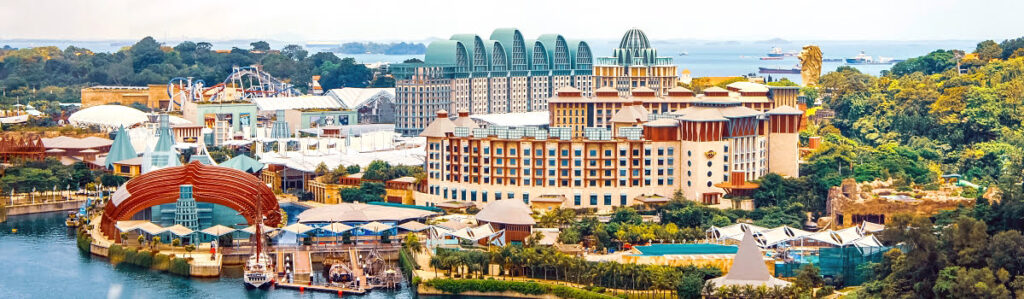
Sentosa works best for families and resort travelers. Beaches, theme parks, water activities, and entertainment attractions are concentrated here.
Top Attractions in Singapore
Singapore’s attractions combine entertainment, architecture, technology, nature, and culture. Most visitors mix iconic landmarks with neighborhood exploration.
Gardens by the Bay
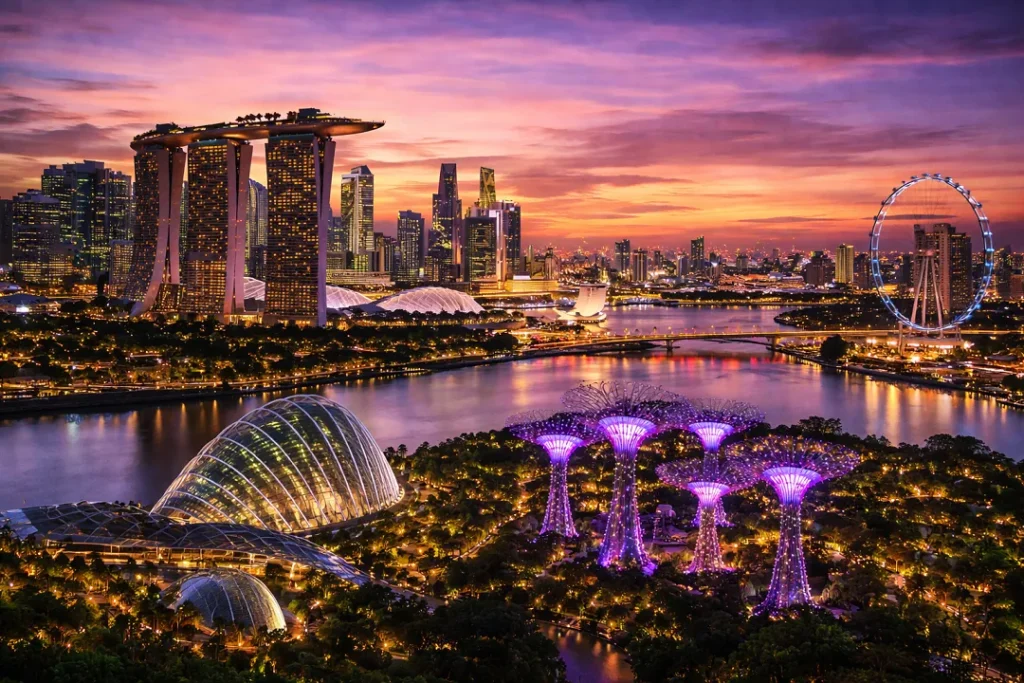
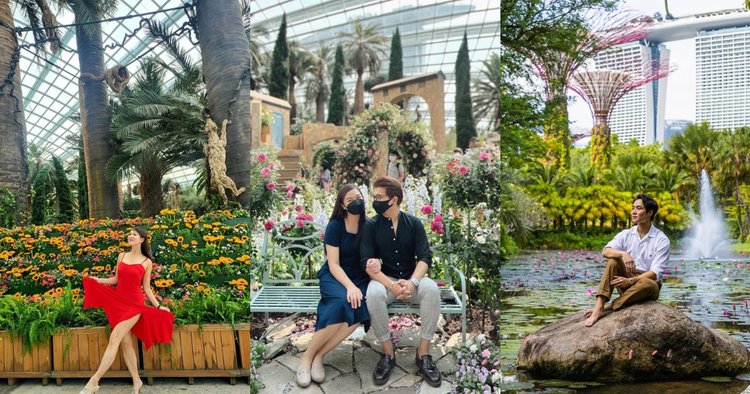
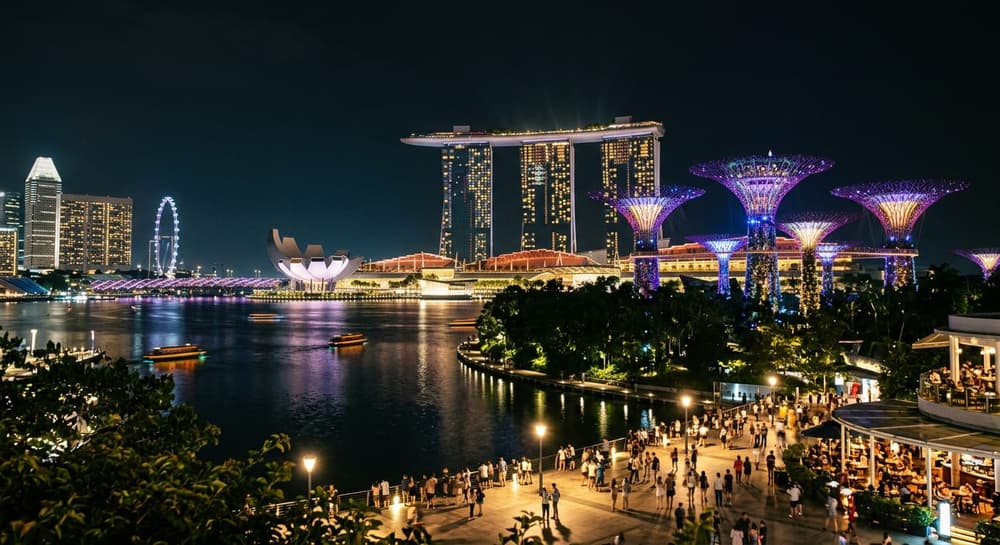
Gardens by the Bay remains one of Singapore’s most photographed attractions. The Supertree Grove, Cloud Forest, and Flower Dome create a futuristic landscape that feels completely different after sunset.
The evening light show is free and attracts both tourists and locals.
Marina Bay Sands SkyPark
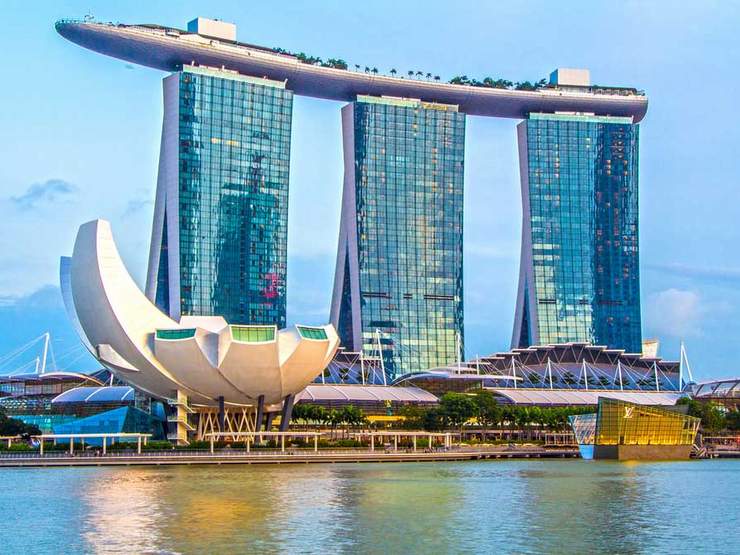
The Marina Bay skyline defines modern Singapore. Visitors can enjoy panoramic city views from the SkyPark observation deck, especially during sunset hours.
Luxury shopping, fine dining, and rooftop experiences make this area a major tourism hub.
Sentosa Island
Sentosa combines beaches, entertainment venues, family attractions, and resorts. Visitors often spend an entire day here because the island contains multiple attractions within one destination.
Popular experiences include:
- Universal Studios Singapore
- Adventure Cove Waterpark
- Skyline Luge
- Siloso Beach
- SEA Aquarium
Singapore Zoo and Night Safari
Singapore Zoo consistently ranks among Asia’s top wildlife parks because of its open-concept enclosures and conservation-focused design.
The Night Safari offers a completely different experience, allowing visitors to observe nocturnal animals in natural-style habitats.
Chinatown and Heritage Districts
Travelers looking for local culture should spend time exploring:
- Chinatown
- Little India
- Kampong Glam
- Arab Street
- Joo Chiat
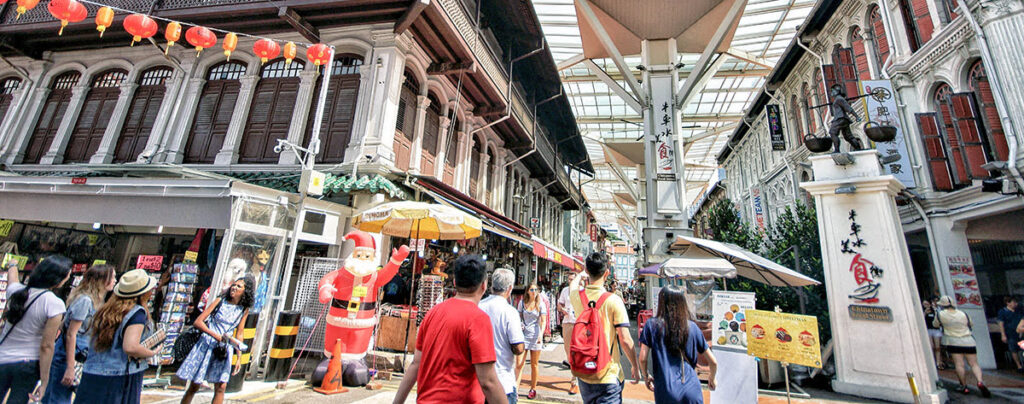
These neighborhoods provide insight into Singapore’s multicultural identity through architecture, temples, mosques, markets, murals, and traditional food stalls.
Singapore Food Guide for Travelers
Food is one of the strongest reasons people return to Singapore. The country’s dining scene ranges from street food to luxury restaurants, yet local hawker culture remains the heart of Singaporean cuisine.
Must-Try Singapore Dishes
Travelers should try:
- Hainanese chicken rice
- Chili crab
- Laksa
- Satay
- Char kway teow
- Kaya toast
- Bak kut teh
- Roti prata
- Hokkien mee
Many of these dishes reflect generations of cultural influence and local adaptation.
Best Hawker Centers
Hawker centers allow travelers to experience authentic local food affordably.
Popular hawker centers include:
- Maxwell Food Centre
- Lau Pa Sat
- Old Airport Road Food Centre
- Chinatown Complex
- Newton Food Centre
A full meal often costs significantly less than restaurant dining, making hawker culture essential for budget-conscious travelers.
Transportation in Singapore
Singapore’s transport system is one of the easiest in the world for tourists.
MRT System
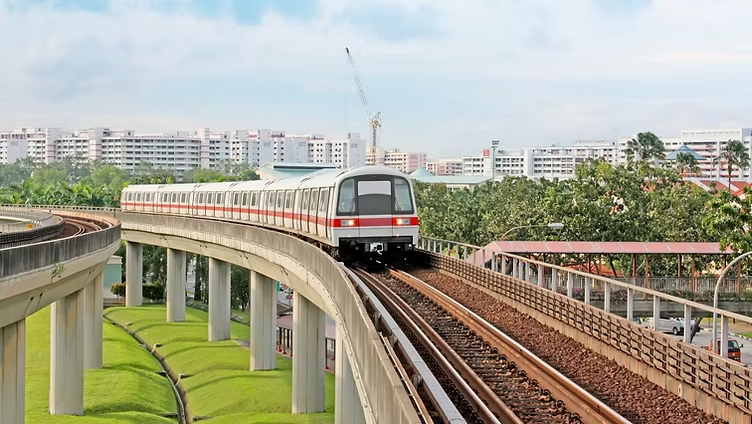
The MRT connects airports, shopping districts, tourist attractions, and residential areas efficiently. Trains are clean, affordable, air-conditioned, and punctual.
Tourists can purchase:
- EZ-Link cards
- Singapore Tourist Pass
- Contactless card access
Taxis and Ride-Hailing
Ride-hailing apps are widely used in Singapore, especially during late hours when MRT services slow down.
Taxi fares are regulated, though costs increase during peak traffic and airport pickups.
Walking Around the City
Singapore is highly walkable. Areas like Marina Bay, Clarke Quay, Orchard Road, and Chinatown are pedestrian-friendly with clear signage and clean public spaces.
Singapore Travel Budget Breakdown
Singapore has a reputation for being expensive, but travelers can control costs through accommodation choices, public transportation, and local dining.
| Budget Type | Daily Estimate |
|---|---|
| Budget Traveler | SGD 70–120 |
| Mid-Range Traveler | SGD 150–300 |
| Luxury Traveler | SGD 400+ |
Ways to Save Money in Singapore
- Use public transportation instead of taxis
- Eat at hawker centers
- Stay near MRT stations
- Visit free attractions
- Purchase attraction passes when visiting multiple sites
- Travel during non-peak seasons
Hidden Gems Most Tourists Miss
Many visitors focus only on Marina Bay and Sentosa, but Singapore has several underrated experiences.
MacRitchie Reservoir
Nature lovers can explore rainforest trails and the TreeTop Walk while staying close to the city center.
Pulau Ubin
Pulau Ubin offers a glimpse into Singapore’s rural past with cycling trails, village landscapes, and mangrove ecosystems.
Tiong Bahru
This neighborhood combines heritage architecture, cafés, bookstores, and local markets with a relaxed atmosphere.
Southern Ridges
The Southern Ridges walking trail connects parks and elevated bridges, providing scenic city and nature views.
Singapore Travel Etiquette and Local Culture
Singapore is multicultural and highly organized, which influences local etiquette and public behavior.
Travelers should remember:
- Public cleanliness is taken seriously
- Smoking restrictions are strict
- Public transport etiquette matters
- Queuing culture is respected
- Loud public behavior is uncommon
English is widely spoken, making communication easier for international tourists.
Respecting local customs improves interactions and creates a smoother travel experience.
Best Singapore Itinerary for First-Time Visitors
3-Day Singapore Itinerary
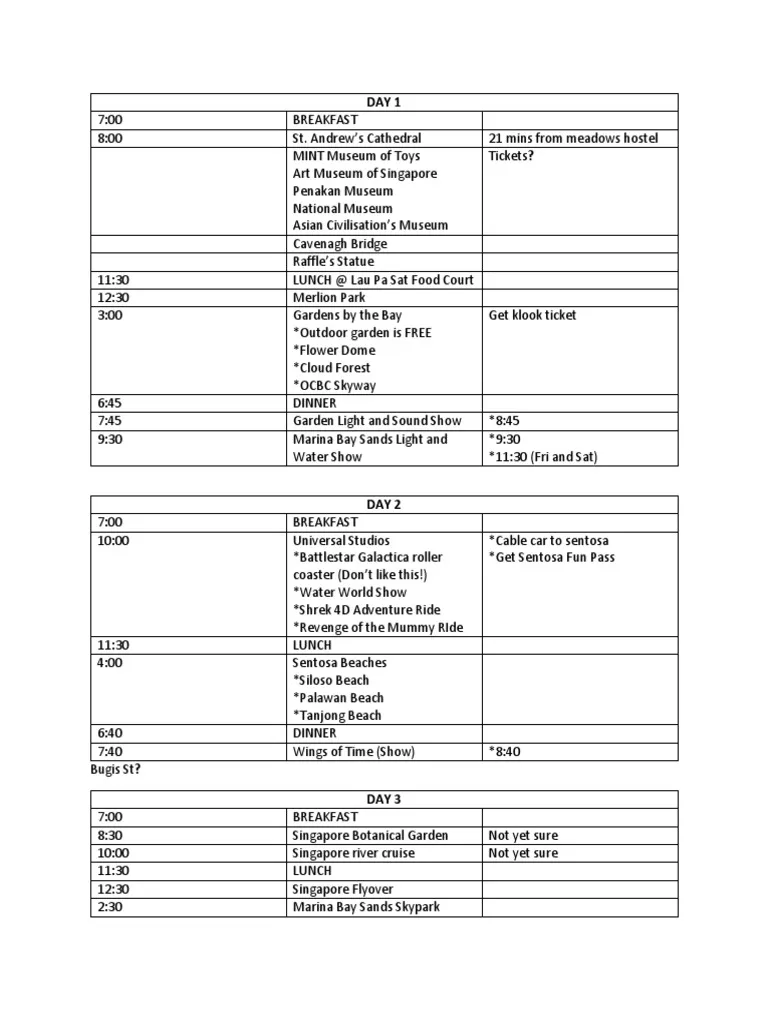
Day 1
- Marina Bay Sands
- Gardens by the Bay
- Merlion Park
- Clarke Quay evening walk
Day 2
- Chinatown
- Little India
- Kampong Glam
- Orchard Road shopping
Day 3
- Sentosa Island
- Universal Studios Singapore
- Beach relaxation
- Night skyline views
5-Day Singapore Itinerary
A longer itinerary allows travelers to add:
- Singapore Zoo
- Night Safari
- Pulau Ubin
- Southern Ridges
- ArtScience Museum
- Local café exploration
Shopping in Singapore
Singapore is known for both luxury shopping and local retail experiences.
Luxury Shopping Areas
- Orchard Road
- Marina Bay Sands Shoppes
Affordable Shopping Spots
- Bugis Street Market
- Mustafa Centre
- Chinatown Street Market
Travelers interested in electronics, fashion, cosmetics, and souvenirs often find competitive prices during seasonal sales.
Common Travel Mistakes to Avoid
Many travelers waste time or money because of poor planning.
Avoid these common mistakes:
- Overpacking for a tropical climate
- Relying entirely on taxis
- Ignoring hawker food culture
- Underestimating walking distances
- Booking attractions last minute during peak season
- Staying too far from MRT stations
A little preparation improves both comfort and travel efficiency.
Safety Tips for Singapore Travelers
Singapore consistently ranks among the safest countries globally, but travelers should still practice normal precautions.
Helpful safety advice includes:
- Keep valuables secure in crowded areas
- Follow local laws carefully
- Stay hydrated in humid weather
- Use licensed transportation services
- Carry portable charging devices during long sightseeing days
Emergency services and public infrastructure are highly reliable.
Sustainable Travel in Singapore
Singapore has invested heavily in sustainability, green spaces, and environmental planning.
Eco-conscious travelers can support sustainable tourism by:
- Using public transport
- Carrying reusable water bottles
- Supporting local businesses
- Respecting park regulations
- Avoiding excessive plastic waste
Green attractions like Gardens by the Bay and nature reserves demonstrate how urban development and environmental planning can coexist effectively.
Why Singapore Works for Almost Every Type of Traveler
One reason Singapore remains globally popular is its versatility. Couples enjoy rooftop dining and luxury hotels, families appreciate safety and attractions, food lovers explore hawker culture, and solo travelers benefit from efficient transportation and easy communication.
Even travelers with limited vacation time can experience a wide variety of activities because distances are short and logistics are simple.
Singapore also works well as a gateway to Southeast Asia. Many travelers combine Singapore with destinations like Malaysia, Thailand, Indonesia, or Vietnam for broader regional trips.
FAQ Section
Is Singapore expensive for tourists?
Singapore can be expensive compared to neighboring Southeast Asian countries, but budget travel is still possible through affordable food, hostels, and public transportation.
How many days are enough for Singapore?
Three to five days is ideal for most travelers. This allows enough time to explore major attractions, cultural districts, local food centers, and nearby islands.
What is the best month to visit Singapore?
February through April usually offers pleasant sightseeing conditions with relatively lower rainfall.
Is Singapore safe for solo travelers?
Yes, Singapore is considered one of the safest destinations for solo travelers because of low crime rates, efficient transport, and strong public infrastructure.
What food should tourists try in Singapore?
Travelers should try chicken rice, chili crab, laksa, satay, kaya toast, and local hawker dishes.
Can tourists use public transport easily in Singapore?
Yes, Singapore’s MRT and bus systems are tourist-friendly, affordable, and easy to understand.
Do people speak English in Singapore?
English is widely spoken across Singapore, making communication simple for international travelers.