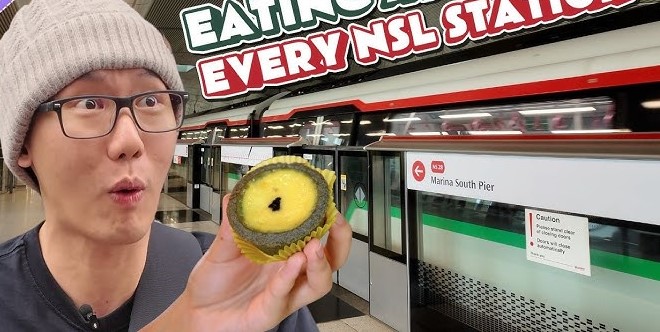
Singapore Foodie net worth has become one of the most searched topics in Southeast Asia’s influencer economy as digital food creators continue transforming casual dining content into powerful online businesses. From luxury restaurant collaborations to viral hawker center reviews, Singapore’s foodie influencers have created a new era of entertainment-driven culinary media.
Across Instagram, TikTok, YouTube, and lifestyle blogs, Singapore foodie personalities now command impressive audiences and lucrative partnerships. Their influence extends beyond food reviews, shaping tourism, restaurant trends, consumer spending habits, and even pop culture conversations across Asia.
The rise of Singapore Foodie reflects a larger shift in digital media where creators monetize lifestyle storytelling through sponsorships, affiliate campaigns, advertising revenue, travel collaborations, and branded content. In 2026, foodie influencers are no longer niche bloggers. They are full-scale media entrepreneurs.
Among Singapore’s growing creator economy, food-focused personalities stand out because of the country’s internationally recognized dining culture. Singapore’s global reputation for hawker food, luxury restaurants, fusion cuisine, and café culture has created the perfect environment for foodie influencers to thrive.
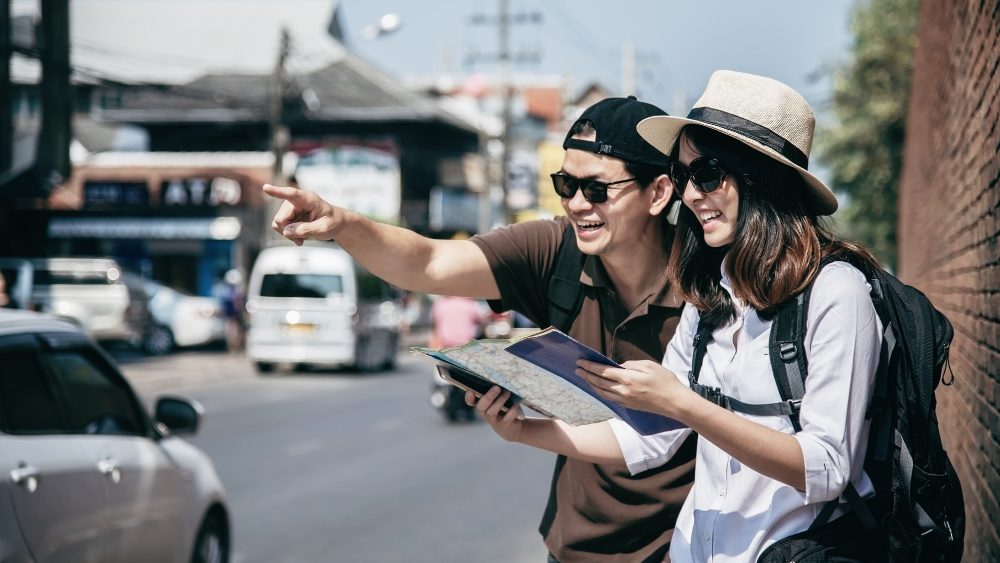
Industry analysts estimate that successful Singapore-based food creators can generate substantial yearly revenue through cross-platform monetization, sponsored campaigns, premium collaborations, and audience-driven engagement strategies.
| Field | Details |
|---|---|
| Full Name | Singapore Foodie (digital creator identity) |
| Popular Name | Singapore Foodie |
| Birthplace | Singapore |
| Nationality | Singaporean |
| Profession | Food Influencer, Content Creator, Digital Personality |
| Famous For | Restaurant reviews, food content, café culture coverage |
| Industry | Social Media & Digital Publishing |
| Languages | English, Mandarin (commonly used in SG creator culture) |
| Marital Status | Private |
| Children | Not publicly discussed |
| Net Worth | Estimated $500,000 – $2 million (2026 projection) |
| Primary Platforms | Instagram, TikTok, YouTube |
| Main Revenue Streams | Sponsorships, ads, brand campaigns, affiliate marketing |
| Residence | Singapore |
| Religion | Personal |
| Ethnicity | Asian |
| Education | Media and communication-oriented creator background influence |
| Height | Not a defining public detail |
| Content Niches | Food reviews, travel, lifestyle, café culture |
| Social Media Presence | Strong regional digital reach |
Who is Singapore Foodie?
Singapore Foodie represents the modern digital creator model built around food culture, travel experiences, social storytelling, and lifestyle branding. In a country internationally recognized for culinary excellence, foodie influencers have become major figures within entertainment and media.
Unlike traditional restaurant critics, Singapore foodie creators blend personality-driven content with highly visual storytelling. Their videos and photos often combine cinematic food visuals, café aesthetics, quick reviews, travel snippets, and lifestyle narratives designed specifically for algorithm-driven platforms.
The rise of foodie content accelerated dramatically during the short-form video boom. TikTok and Instagram Reels transformed restaurant discovery into an entertainment category, allowing creators to grow audiences rapidly through viral clips and recommendation-driven content.
Singapore’s unique dining ecosystem also contributed to this growth. Hawker culture, luxury dining, Japanese fusion cuisine, Korean cafés, bubble tea chains, Michelin-recognized street food, and trendy brunch locations gave creators an endless stream of material.
Platforms ranking Singapore’s top food creators continue highlighting the massive growth of foodie accounts across the region.
Food creators in Singapore are often more than influencers. Many function as:
- Brand ambassadors
- Event hosts
- Travel collaborators
- Digital marketers
- YouTube entertainers
- Social commerce personalities
- Culinary storytellers
The creator economy surrounding food content has evolved into a multi-million-dollar industry across Southeast Asia.
Early Life & Background
Singapore foodie creators often emerge from highly urbanized and digitally connected backgrounds. Growing up in one of Asia’s most technologically advanced cities naturally shaped a generation comfortable with visual media, online trends, and entrepreneurial digital culture.
Singapore’s food scene itself plays a major role in influencer identity formation. Food is deeply connected to local culture, family traditions, multicultural heritage, and social experiences. Hawker centers are considered national institutions, while modern café culture has become central to younger urban audiences.
Many creators developed early interests in:
- Food photography
- Blogging
- Restaurant exploration
- Travel content
- Social media storytelling
- Lifestyle branding
The transition from hobbyist content to professional creator often begins organically. Simple food posts evolve into curated reviews, audience engagement grows, and eventually monetization opportunities emerge through partnerships and sponsorships.
The early generation of Singapore lifestyle bloggers helped establish this creator ecosystem years before TikTok transformed short-form content. Influencers like bloggers and YouTube personalities created the foundation for today’s foodie creator economy.
Singapore’s strong internet infrastructure and mobile-first audience also accelerated creator growth compared to many neighboring regions.
Education
Many Singapore content creators come from academically driven environments, reflecting Singapore’s broader educational culture. Some influencers have backgrounds in communications, marketing, media production, business, or creative arts.
Others entered digital media through unrelated careers before discovering success online.
The creator economy increasingly rewards practical digital skills such as:
- Video editing
- Brand communication
- Audience analytics
- Social media strategy
- Photography
- Content production
- SEO optimization
- Influencer marketing
Foodie creators today operate almost like independent media companies. Successful influencers often manage production schedules, brand negotiations, partnerships, content calendars, and monetization strategies simultaneously.
As influencer marketing matured across Asia, professionalization within the industry also increased dramatically.
Career Journey
Early Career
Singapore foodie creators initially built audiences through blogs and Instagram food photography. Early food blogging focused heavily on restaurant recommendations, hidden café discoveries, and local dining guides.
At the beginning, content creation was often passion-driven rather than financially motivated. Many creators documented meals, café visits, and travel experiences casually before realizing audience demand existed for curated food recommendations.
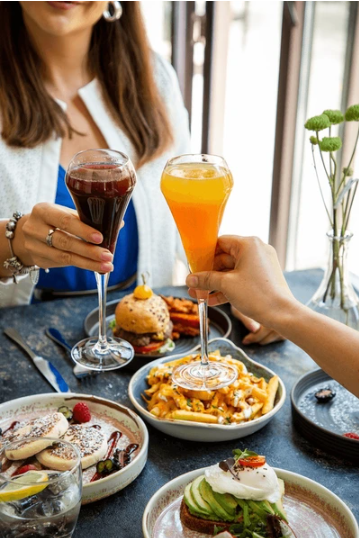
Instagram’s visual-first ecosystem proved especially important for food influencers. Beautiful plating, café aesthetics, and cinematic dining shots attracted rapid engagement.
As follower counts increased, brands started noticing the commercial potential of food influencers.
Growth in Social Media
The explosion of TikTok fundamentally changed foodie content creation.
Short-form video allowed creators to showcase:
- Restaurant walkthroughs
- Viral menu items
- Luxury dining experiences
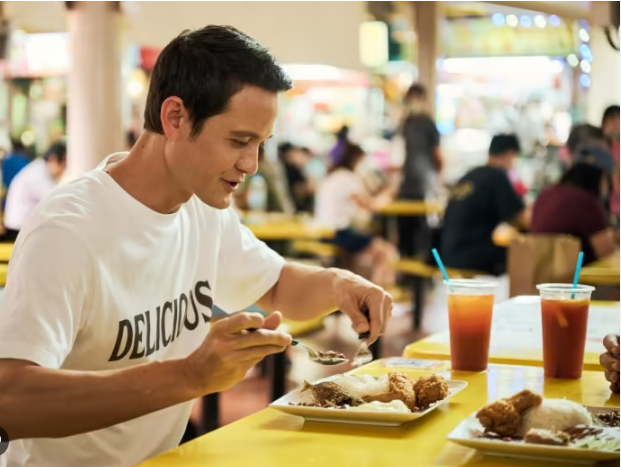
- Hawker food discoveries
- Taste reactions
- Budget food recommendations
- Hidden cafés
- Food challenges
Singapore audiences responded strongly because food content aligns naturally with local culture.
Social media analytics platforms consistently rank Singapore foodie accounts among the most engaged niche communities in Southeast Asia.
The algorithm-driven nature of TikTok and Instagram Reels allowed even smaller creators to achieve massive reach overnight.
Creators who mastered pacing, storytelling, captions, and editing often experienced explosive audience growth.
Rise in Influence
As engagement increased, foodie influencers expanded beyond simple restaurant reviews.
Many diversified into:
- Lifestyle content
- Travel vlogging
- Hotel collaborations
- Event appearances
- Brand partnerships
- Product launches
- YouTube entertainment
- Podcast interviews
- Merchandise
Singapore’s tourism industry also contributed to influencer expansion. Hotels, tourism boards, and luxury dining brands increasingly partnered with creators to market experiences to younger audiences.
Food creators became highly valuable because they influence purchasing decisions directly.
Consumers frequently choose restaurants based on:
- Viral TikTok videos
- Instagram recommendations
- Creator reviews
- Trending menu items
- Social proof
This transformed foodie influencers into legitimate marketing assets.
Brand Collaborations
Brand deals are now among the largest income sources for Singapore foodie influencers.
Common partnerships include:
- Restaurants
- Beverage brands
- Café chains
- Luxury hotels
- Delivery apps
- Kitchenware companies
- Fashion labels
- Lifestyle brands
- Tourism campaigns
High-performing creators can command significant campaign fees depending on engagement rates, platform size, and audience demographics.
Industry discussions around Singapore influencers suggest top-tier creators can earn impressive campaign payouts for multi-day branded projects.
Brands value foodie creators because food content generates:
- High engagement
- Strong shareability
- Purchase influence
- Local discovery traffic
- Viral trends
Unlike celebrity endorsements, influencer marketing feels more personal and audience-driven.
Current Digital Presence
By 2026, Singapore foodie influencers operate across multiple platforms simultaneously.
Their digital ecosystem typically includes:
- Instagram Reels
- TikTok videos
- YouTube Shorts
- Long-form YouTube vlogs
- Threads updates
- Facebook pages
- Affiliate storefronts
- Newsletter communities
Creators increasingly focus on platform diversification because relying on a single algorithm carries financial risk.
Many influencers now build:
- Personal brands
- Creator agencies
- Food businesses
- Product lines
- Event partnerships
- Subscription communities
The influencer economy has evolved into a sophisticated digital entrepreneurship model.
Singapore Foodie Net Worth (2026)
Singapore Foodie net worth in 2026 is estimated between $500,000 and $2 million, depending on audience scale, sponsorship volume, platform diversification, and long-term brand equity.
Top-performing Singapore food creators generate revenue from multiple streams rather than relying on one platform alone.
Main Income Sources
Brand Sponsorships
Sponsored campaigns remain the largest revenue source for most foodie influencers.
These deals may include:
- Restaurant promotions
- Travel campaigns
- Hotel stays
- Product launches
- Food delivery partnerships
- Beverage sponsorships
High-engagement creators can command premium campaign rates because food content delivers strong consumer conversion.
Social Media Monetization
Platform monetization contributes significantly to annual earnings.
Revenue sources include:
- YouTube ads
- TikTok Creator programs
- Instagram bonuses
- Facebook monetization
- Short-form video revenue
Creators with consistent viral engagement often achieve stable recurring income.
Affiliate Marketing
Affiliate income has become increasingly important in the creator economy.
Foodie influencers commonly promote:
- Kitchen products
- Dining apps
- Travel platforms
- Café memberships
- Food subscriptions
- Lifestyle brands
Affiliate campaigns create passive income opportunities alongside sponsorships.
Event Hosting
Popular creators are frequently invited to:
- Food festivals
- Restaurant launches
- Brand activations
- Media events
- Tourism promotions
Hosting and appearances add another layer of monetization.
Merchandise & Businesses
Some creators expand into entrepreneurship through:
- Café partnerships
- Branded products
- Digital courses
- Creator agencies
- Food businesses
This transition from influencer to entrepreneur dramatically increases long-term wealth potential.
How Singapore Foodie Creators Build Wealth
The modern influencer business model relies heavily on audience trust.
Successful creators focus on:
- Engagement quality
- Consistent uploads
- Community loyalty
- Brand-safe reputation
- Trend adaptability
Creators who maintain strong engagement metrics can sustain long-term commercial value even as platform algorithms evolve.
Industry discussions also reveal that influencer lifestyles may appear more luxurious online than reality sometimes reflects. However, established creators with large audiences can absolutely build significant wealth through strategic partnerships and diversified monetization.
Lifestyle
Singapore foodie influencers often present polished, urban lifestyles centered around:
- Dining experiences
- Travel culture
- Fashion aesthetics
- Social events
- Café hopping
- Luxury hospitality
Their content typically reflects modern metropolitan living.
Many creators balance:
- High-end dining
- Local hawker culture
- International travel
- Street food exploration
- Luxury lifestyle branding
Singapore’s visually driven café culture strongly influences influencer aesthetics.
Common content themes include:
- Minimalist interiors
- Premium coffee culture
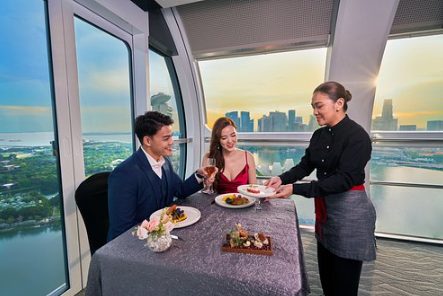
- Rooftop dining
- Designer fashion
- Boutique hotels
- Weekend travel
This aspirational presentation plays a major role in audience engagement.
Relationship Status
Most Singapore foodie influencers maintain relatively controlled public images regarding personal relationships.
While some creators occasionally share lifestyle moments involving partners or family, many focus primarily on:
- Food content
- Travel
- Business collaborations
- Entertainment
Relationship discussions are usually presented in a casual and lifestyle-oriented manner rather than deeply personal storytelling.
Professional creators often maintain clear boundaries between private life and public branding.
Social Media Profiles Table
| Platform | Handle |
|---|---|
| @singapore.foodie | |
| TikTok | Singapore Foodie creator channels |
| YouTube | Singapore foodie vlog channels |
| Singapore food community pages | |
| Threads | Lifestyle & food updates |
Awards & Achievements
Singapore foodie creators increasingly receive recognition through:
- Influencer award nominations
- Brand ambassador campaigns
- Restaurant partnerships
- Tourism collaborations
- Social media milestones
Achievements commonly include:
- Viral video success
- Audience growth milestones
- Major hospitality partnerships
- Featured media appearances
- Regional influencer recognition
Singapore’s creator economy continues gaining international visibility as Asian digital entertainment expands globally.
Lesser Known Facts
- Singapore foodie creators often visit multiple restaurants in a single filming day.
- Short-form food videos sometimes require hours of editing despite lasting under one minute.
- Hawker food content frequently performs better than luxury dining videos because of relatability.
- Many creators rely heavily on natural lighting for food photography.
- Viral restaurant videos can dramatically increase customer traffic overnight.
- Food influencers often collaborate with tourism campaigns.
- Audience engagement matters more than follower count for sponsorship pricing.
- TikTok significantly changed the growth potential for food creators after 2020.
- Singapore’s café culture helped fuel influencer growth across Instagram.
- Cross-platform branding is now essential for creator sustainability.
FAQs
What is Singapore Foodie net worth in 2026?
Singapore Foodie net worth is estimated between $500,000 and $2 million depending on sponsorships, audience size, and platform monetization.
How do Singapore foodie influencers make money?
They earn through brand deals, sponsorships, affiliate marketing, ads, social media monetization, and event collaborations.
Why are Singapore food influencers so popular?
Singapore’s internationally recognized food culture creates strong demand for restaurant reviews, café guides, and travel-based culinary content.
Which platforms are most important for foodie creators?
Instagram, TikTok, and YouTube remain the biggest platforms for food-focused influencers.
Are foodie influencers considered entrepreneurs?
Many successful creators operate like digital media businesses with multiple revenue streams and brand partnerships.
Do foodie influencers work with restaurants?
Yes. Restaurant collaborations are among the biggest sources of influencer income.
What type of food content performs best?
Short-form videos featuring hidden food spots, viral menu items, café aesthetics, and affordable dining tend to perform strongly.
Is TikTok important for food creators?
TikTok transformed foodie content growth by enabling viral reach through short-form discovery videos.
Can Singapore influencers become wealthy?
Top-tier influencers with diversified income streams can build substantial long-term wealth.
Why is Singapore important in food influencer culture?
Singapore’s global food reputation, tourism industry, and café scene create ideal conditions for foodie creators.
Conclusion
Singapore Foodie net worth in 2026 reflects the massive evolution of the creator economy across Southeast Asia. What began as casual food blogging has transformed into a sophisticated digital media industry powered by short-form video, influencer marketing, and lifestyle branding.
Singapore’s globally respected culinary culture continues fueling creator success. Food influencers now shape restaurant trends, tourism experiences, and consumer behavior through highly engaging digital storytelling.
The most successful foodie creators understand that modern influence extends beyond simple restaurant reviews. They operate as entertainers, marketers, entrepreneurs, and digital publishers simultaneously.
As platforms continue evolving, Singapore foodie influencers remain positioned at the center of Asia’s rapidly expanding lifestyle media economy.