Worker accommodation plays a major role in the daily lives of migrant employees in Singapore. Among the names often discussed in relation to foreign worker housing is S11 Dormitory. Many workers, employers, and family members search for information about the dormitory’s facilities, safety standards, transport options, and living environment before moving in.
Singapore depends heavily on foreign manpower across industries such as construction, marine engineering, manufacturing, and maintenance services. Because of this, purpose-built dormitories have become an important part of the country’s workforce infrastructure. S11 Dormitory is one of the accommodation operators associated with this system, offering housing solutions for thousands of workers employed across Singapore.
This guide explains what residents can typically expect from S11 Dormitory, including room layouts, amenities, transportation access, security measures, health standards, and daily routines. It also covers practical tips for workers who may be staying in a dormitory environment for the first time.
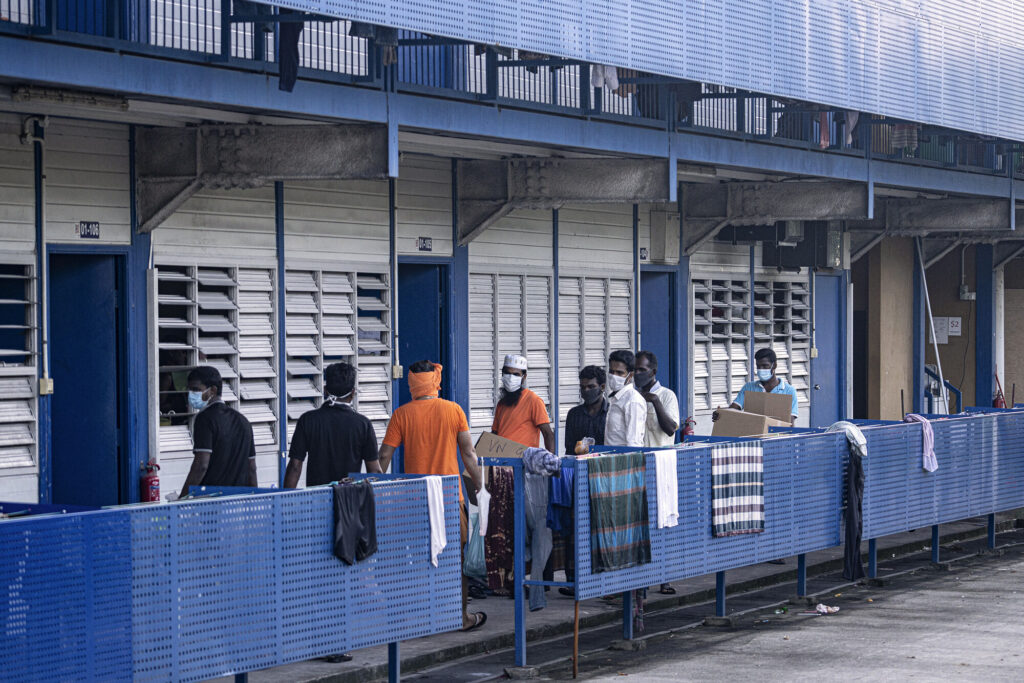
Understanding S11 Dormitory in Singapore
Singapore has strict regulations surrounding worker accommodation. Dormitories are designed to provide affordable and organized housing for foreign employees working in physically demanding sectors.
S11 Dormitory became widely recognized as part of Singapore’s broader foreign worker housing ecosystem. These dormitories are generally purpose-built and managed under operational guidelines that focus on hygiene, safety, and communal living standards.
Most residents staying in these facilities are employed in industries such as:
- Construction
- Shipyard operations
- Manufacturing
- Logistics
- Engineering services
- Maintenance and cleaning sectors
The concept behind worker dormitories is straightforward. Employers need centralized accommodation close to industrial zones and transport routes, while workers need affordable housing with essential facilities. Dormitories bridge that gap by providing large-scale residential environments equipped for shared living.
Many workers arriving in Singapore for employment may not initially understand how dormitory systems function. Unlike private apartments, these facilities operate with structured rules related to visitor access, room management, hygiene practices, and communal behavior.
The importance of worker housing became even more visible after the COVID-19 pandemic, which led Singapore authorities to strengthen housing standards, medical monitoring systems, sanitation measures, and dormitory management protocols across the sector.
Typical Facilities Available at S11 Dormitory
Most purpose-built worker dormitories in Singapore focus on functionality and practicality. S11 Dormitory facilities are generally designed to support large numbers of residents while maintaining organized communal living.
Accommodation Rooms
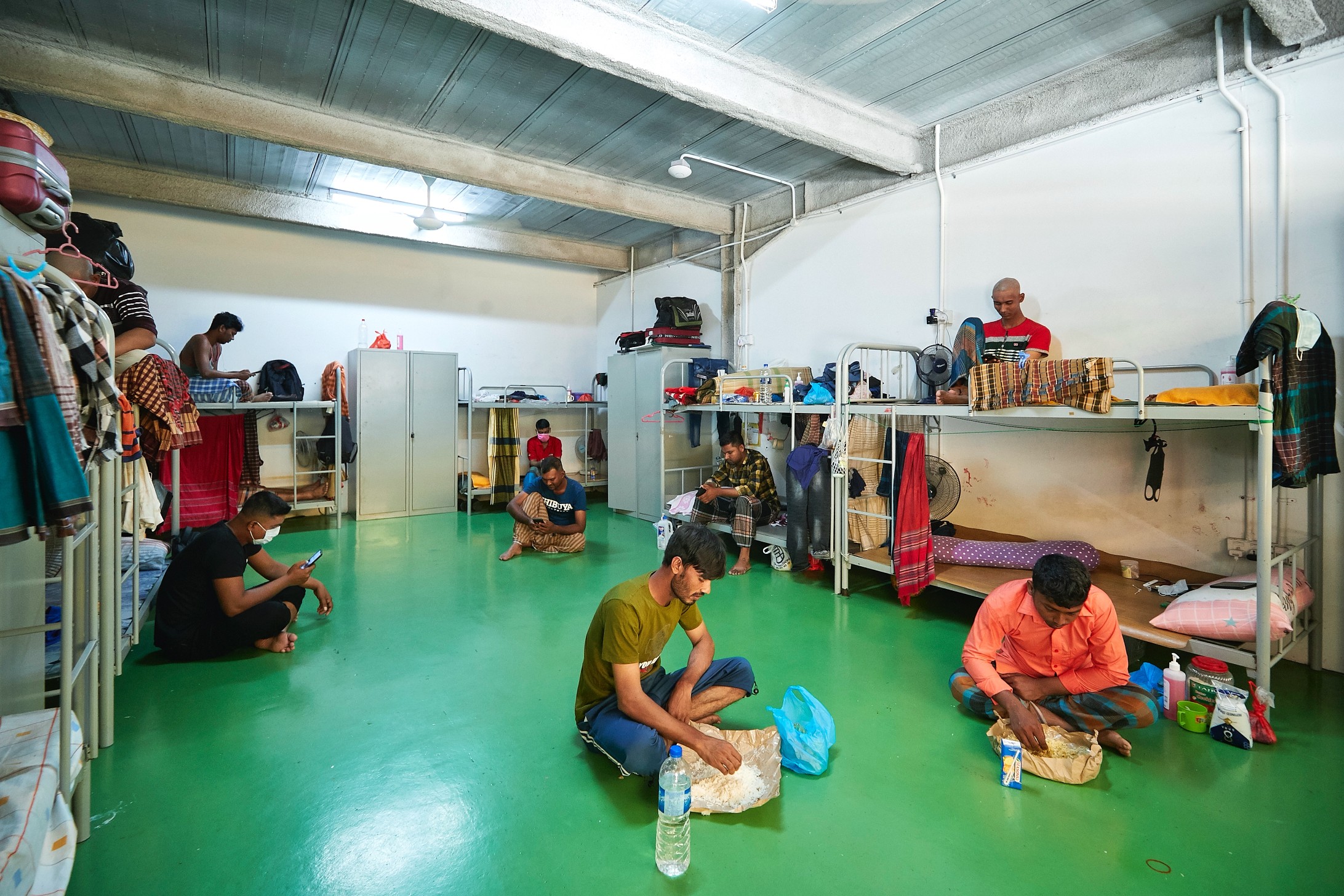
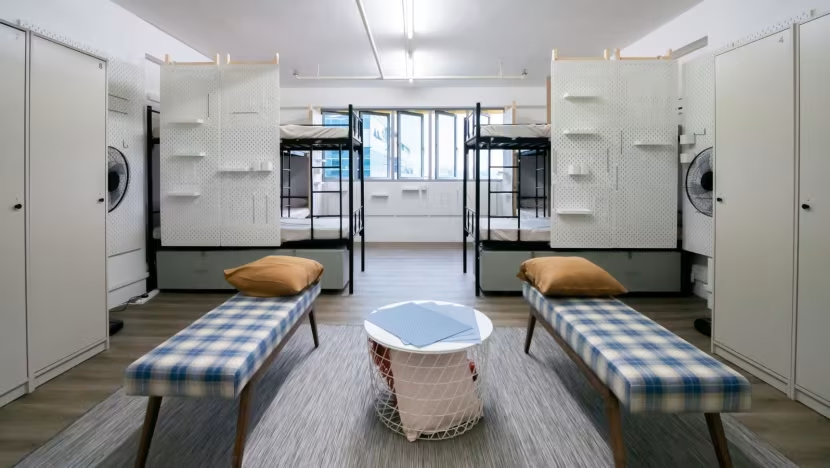
Rooms commonly include:
- Double-decker beds
- Personal storage lockers
- Ceiling or wall fans
- Air-conditioning in selected rooms
- Shared electrical outlets
- Basic furniture
- Communal washing areas
Occupancy depends on room size and dormitory regulations. Employers usually arrange accommodation allocation for workers before arrival.
One major advantage of structured dormitory housing is affordability. Renting private housing in Singapore can be expensive, especially for low and middle-income workers. Dormitories help reduce overall living costs while ensuring workers remain close to job sites.
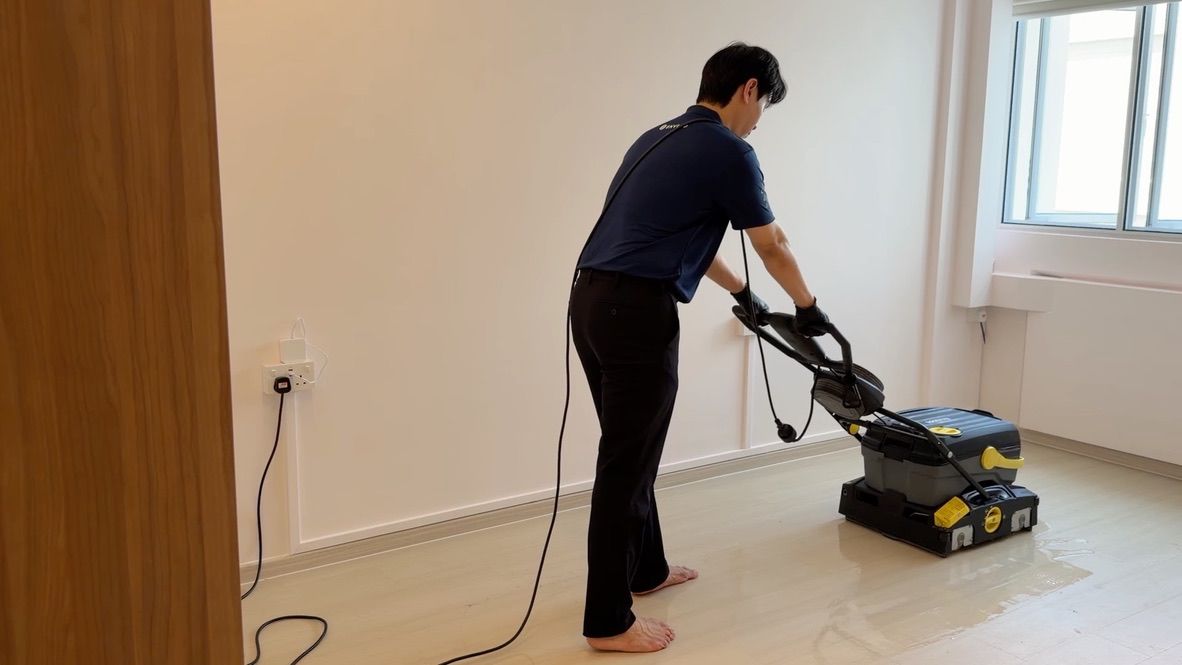
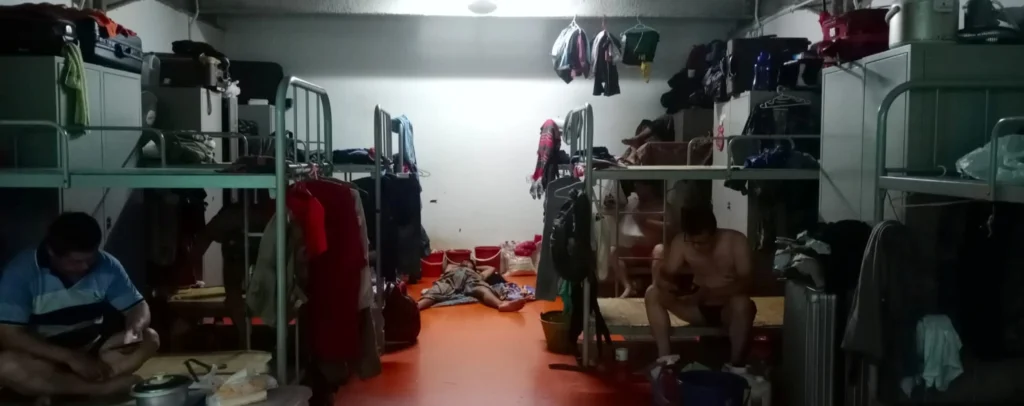
Cleanliness standards are often monitored closely. Residents are usually expected to maintain their personal areas and follow scheduled cleaning routines.
Shared Amenities
Communal facilities often include:
| Facility | Purpose |
|---|---|
| Canteens | Affordable meals |
| Recreation areas | Social interaction |
| Convenience stores | Daily essentials |
| Laundry facilities | Washing clothes |
| Prayer rooms | Religious activities |
| Medical centers | Basic healthcare |
| Wi-Fi zones | Internet access |
These amenities help create a self-contained environment where workers can access essential services without needing to travel far daily.
Recreation spaces are particularly important because many residents work long physical shifts. Common areas provide opportunities for rest, social interaction, sports, and communication with family members abroad.
Transportation and Accessibility
Transport access is one of the biggest concerns for workers living in dormitories. Employers usually arrange transport between dormitories and work sites, especially for construction and industrial employees.
Many dormitories are strategically located near industrial estates, shipyards, or transport hubs. Depending on the location, residents may also use:
- Public buses
- MRT stations
- Company shuttle services
- Shared transport vans
Easy transport access reduces commuting stress and helps workers maintain better daily routines.
Singapore’s transport system is highly organized, making it easier for foreign workers to travel during rest days. Workers often visit shopping malls, remittance centers, religious institutions, and community gathering points during weekends.
Areas near worker dormitories may also contain:
- Food courts
- Supermarkets
- Clinics
- Mobile phone shops
- Money transfer services
These nearby services become part of residents’ regular lifestyle and contribute significantly to overall convenience.
Safety and Security Measures
Security is one of the most discussed aspects of foreign worker accommodation. Dormitories in Singapore generally implement strict monitoring systems to maintain order and resident safety.
Common security measures include:
- CCTV surveillance
- Controlled entry systems
- Security guards
- Visitor registration procedures
- Emergency response protocols
- Fire safety systems
After the pandemic, health monitoring became more structured across worker accommodations. Dormitory operators increased sanitation frequency and introduced stronger medical support systems.
Health screening measures may include:
- Temperature monitoring
- On-site medical support
- Isolation protocols when needed
- Hygiene inspections
- Scheduled cleaning operations
These procedures help reduce risks associated with high-density living environments.
Residents are also usually briefed on emergency procedures during their stay. Fire drills, evacuation routes, and safety instructions are considered standard operational practices in large dormitories.
Daily Life Inside S11 Dormitory
Daily routines in worker dormitories are shaped largely by work schedules. Most residents wake up early and return after long shifts, particularly in industries such as construction and shipyard operations.
A typical day may involve:
- Morning preparation before transport pickup
- Worksite travel
- Long working hours
- Evening meals
- Rest or recreation
- Communication with family abroad
Many residents develop close social networks within the dormitory because they often come from similar regions or work backgrounds.
Communal living also teaches adaptability. Workers learn to share space, respect schedules, and cooperate with others from different cultures and languages.
One challenge commonly mentioned by residents is privacy. Shared accommodations naturally limit personal space. Still, many workers appreciate the affordability and convenience dormitories provide.
Internet access has become increasingly important inside dormitories. Workers rely heavily on smartphones and online communication apps to stay connected with family members overseas. Reliable Wi-Fi access greatly improves overall living satisfaction.
Food and Dining Options
Food availability is a major factor in dormitory life. Most worker accommodations include canteens offering affordable meals tailored to different cultural backgrounds.
Residents may find:
- South Asian cuisine
- Bangladeshi meals
- Indian dishes
- Chinese food
- Halal options
- Indonesian cuisine
Meal affordability matters because workers often send a significant portion of their salaries back home. Economical dining options help them manage monthly expenses more effectively.
Some workers prefer cooking independently if facilities permit. Small communal kitchen areas may be available in certain dormitories, though rules vary depending on management policies.
On rest days, workers frequently explore nearby restaurants and shopping centers for more dining variety. Singapore’s multicultural food scene gives workers access to diverse cuisines across the island.
Rules and Regulations Residents Must Follow
Dormitory management usually enforces rules designed to maintain order and safety for all residents.
Common regulations include:
- No unauthorized visitors
- Quiet hours during nighttime
- Proper waste disposal
- Room cleanliness requirements
- Restricted smoking areas
- Prohibited dangerous items
- Compliance with health checks
Workers are generally expected to respect communal living standards and cooperate with management staff.
Breaking dormitory rules can lead to disciplinary action or warnings. Employers may also become involved if serious issues arise.
The purpose of these rules is not simply enforcement. High-density accommodations require structure to ensure thousands of residents can live safely and comfortably in shared environments.
Healthcare and Medical Support
Healthcare accessibility became a central topic in Singapore’s dormitory sector after the pandemic. Today, many worker accommodations include stronger medical support systems than before.
Support services may include:
- On-site clinics
- Telemedicine access
- Health monitoring programs
- Mental health support
- Emergency medical referrals
Many employers also arrange medical insurance coverage for workers, helping reduce healthcare costs during illness or injury.
Mental health awareness has also grown within worker communities. Being away from family for extended periods can create emotional stress, especially during difficult work periods or emergencies back home.
Some organizations and volunteer groups in Singapore actively support migrant workers through counseling services, social programs, educational workshops, and recreational events.
Challenges Faced by Dormitory Residents
Despite improvements in standards, dormitory living still comes with challenges.
Limited Privacy
Shared rooms naturally reduce personal space. Residents may need time to adjust to communal living arrangements.
Long Working Hours
Many workers perform physically demanding jobs, leaving limited time for recreation or relaxation.
Homesickness
Being separated from family members for long periods can affect emotional well-being.
Cultural Differences
Residents often come from different countries, languages, and cultural backgrounds, which may sometimes create communication barriers.
Still, many workers adapt successfully by forming friendships, maintaining routines, and participating in community activities.
Improvements in Singapore’s Dormitory Standards
Singapore has invested heavily in improving worker accommodation standards over recent years.
Key improvements include:
- Better ventilation systems
- Enhanced medical support
- Reduced room density in selected facilities
- Stronger sanitation protocols
- Improved recreation spaces
- Digital health monitoring systems
Government agencies and dormitory operators continue refining policies aimed at worker welfare and public health protection.
Modern dormitories increasingly focus on balancing operational efficiency with resident well-being.
Employers Should Consider Before Choosing a Dormitory
Employers selecting worker accommodation should evaluate several important factors.
Location
Dormitories closer to worksites reduce transport time and fatigue.
Hygiene Standards
Clean facilities contribute to better worker health and morale.
Medical Access
On-site healthcare services improve response times during emergencies.
Security
Strong security systems help protect residents and maintain order.
Worker Welfare
Comfortable accommodations can positively affect employee satisfaction and productivity.
Companies that prioritize proper living conditions often experience better workforce stability and lower turnover rates.
Tips for First-Time Residents
Workers staying in a dormitory for the first time can benefit from several practical habits.
Keep Personal Belongings Organized
Shared rooms become easier to manage when storage areas remain tidy.
Respect Shared Spaces
Good communal behavior improves relationships with roommates and neighbors.
Learn Basic Emergency Procedures
Understanding safety instructions helps during unexpected situations.
Stay Connected with Family
Regular communication supports emotional well-being.
Maintain Hygiene
Personal cleanliness contributes to healthier communal living conditions.
Adapting to dormitory life may take time initially, but many workers eventually develop stable routines and supportive social circles.
S11 Dormitory and Singapore’s Workforce Infrastructure
Dormitories remain an essential component of Singapore’s labor ecosystem. Industries such as construction, infrastructure development, shipbuilding, and manufacturing depend heavily on foreign manpower.
Accommodation providers like S11 Dormitory support this system by housing large worker populations efficiently and systematically.
Singapore’s economy continues relying on migrant labor for major infrastructure and industrial projects. Because of this, dormitory standards will likely remain an important topic in discussions surrounding worker welfare, public health, and urban planning.
As regulations evolve, the focus increasingly includes:
- Better living quality
- Improved health systems
- Worker mental wellness
- Safer communal environments
- Sustainable housing models
The future of worker housing in Singapore will likely involve smarter infrastructure, improved digital systems, and stronger welfare-focused policies.
FAQ Section
What is S11 Dormitory?
S11 Dormitory is associated with foreign worker accommodation facilities in Singapore that provide housing for migrant employees working across industries such as construction and manufacturing.
Who stays in S11 Dormitory?
Most residents are foreign workers employed in sectors including construction, shipyard operations, engineering, logistics, and industrial services.
Does S11 Dormitory provide food?
Many worker dormitories in Singapore have canteens or nearby food facilities offering affordable meals suitable for different cultural preferences.
Are dormitories in Singapore safe?
Singapore worker dormitories generally include security systems such as CCTV monitoring, controlled access points, fire safety equipment, and security personnel.
Do workers have internet access in dormitories?
Most modern dormitories provide Wi-Fi access or internet facilities to help residents communicate with family and access online services.
How many people stay in one room?
Room occupancy depends on dormitory regulations, room size, and government housing standards.
Are medical services available inside dormitories?
Many dormitories provide healthcare support through clinics, telemedicine services, or nearby medical facilities.