A stroller can make parenting feel easier—or surprisingly stressful. Many parents buy one quickly, only to realize later it’s too heavy, too bulky, hard to fold, or uncomfortable for their child.
Sound familiar?
Whether you’re preparing for your first baby or replacing an old model, choosing the right stroller matters more than most people expect. It affects daily walks, shopping trips, travel plans, naps on the go, and even your back muscles after lifting it into the car for the tenth time in a week.
The good news is that finding the right stroller doesn’t have to feel confusing. Once you understand your lifestyle, budget, and must-have features, the decision becomes much simpler.
This guide covers everything parents need to know—from stroller types and safety features to practical buying tips and common mistakes people regret later.
Why the Right Stroller Matters More Than You Think
Parents often focus heavily on cribs, baby clothes, or feeding supplies, but a stroller is one of the most used baby products in everyday life.
Think about it for a second.
How many times will you use it in a month?
- Morning walks
- Grocery store visits
- Airport travel
- Pediatric appointments
- Family outings
- Park visits
- Naptime strolls
A poor-quality stroller can quickly become frustrating. Wheels may stick, storage may feel too small, or folding mechanisms may become annoying during busy moments.
A good stroller, on the other hand, becomes part of your routine. It saves time, reduces stress, and keeps both parent and child comfortable.
Types of Strollers Explained
Not all strollers serve the same purpose. Some are built for travel, while others focus on jogging, storage, or multiple children.
Understanding the major categories helps narrow your choices faster.
Full-Size Stroller
A full-size stroller is the classic all-purpose option. These usually come with strong frames, larger wheels, padded seats, storage baskets, and reclining functions.
Best for:
- Daily use
- Long walks
- Newborns and toddlers
- Families wanting comfort and durability
Pros:
- Comfortable for babies
- Smooth ride
- More storage space
- Better suspension
Cons:
- Heavier
- Takes up more trunk space
Lightweight or Umbrella Stroller
These strollers are designed for portability and convenience.
Parents who travel often or live in apartments usually prefer lightweight models because they are easy to carry and store.
Best for:
- Quick errands
- Travel
- Older babies and toddlers
Pros:
- Easy to fold
- Compact
- Affordable
- Lightweight
Cons:
- Less padding
- Smaller storage basket
- Limited recline options
Jogging Stroller
Jogging strollers feature larger air-filled tires and advanced suspension systems for smoother movement on rough terrain.
These are ideal for active parents.
Best for:
- Running
- Outdoor trails
- Uneven roads
Pros:
- Excellent stability
- Better shock absorption
- Durable wheels
Cons:
- Bulkier design
- More expensive
- Not ideal for tight indoor spaces
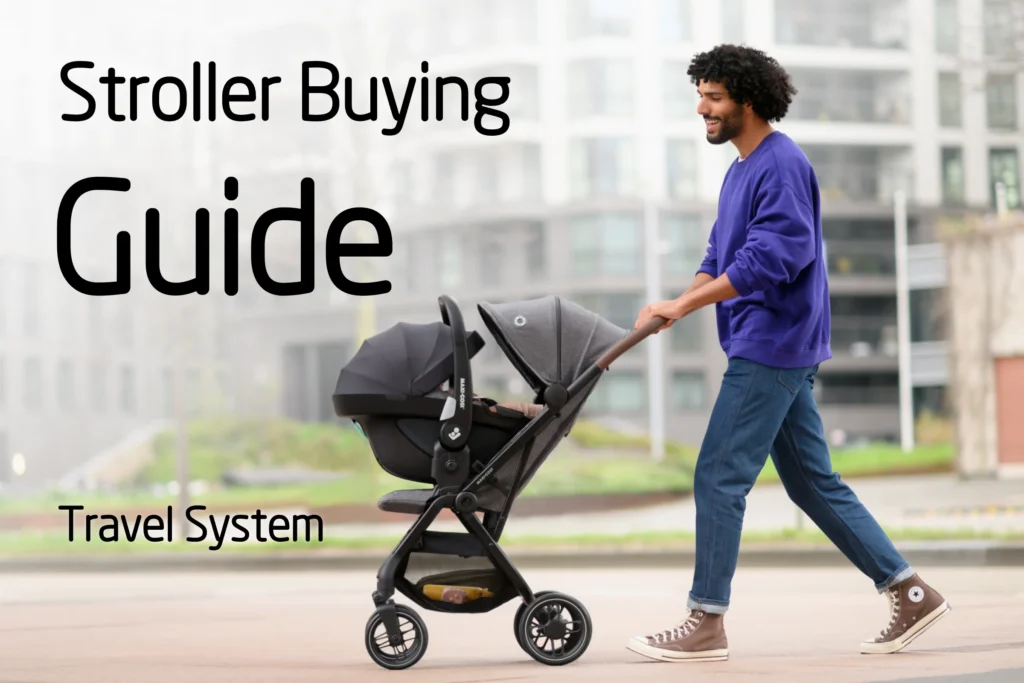
Travel System Stroller
A travel system combines a stroller and infant car seat.
This setup allows parents to move a sleeping baby from the car to the stroller without waking them up.
Best for:
- Newborn parents
- Frequent car travel
Pros:
- Convenient
- Newborn-friendly
- Practical for daily transport
Cons:
- Can become heavy
- Some systems are expensive
Double Stroller
Families with twins or siblings close in age often choose double strollers.
These come in:
- Side-by-side designs
- Tandem seating arrangements
Best for:
- Two children
- Growing families
Pros:
- Convenient for siblings
- Saves effort
- One stroller instead of two
Cons:
- Wide frames
- Harder to maneuver in small spaces
How to Choose the Best Stroller for Your Lifestyle
One stroller isn’t perfect for everyone.
A parent living in a busy city has different needs compared to someone in a suburban neighborhood with large sidewalks and car access.
Before buying, ask yourself these questions:
Where Will You Use It Most?
Urban areas may require:
- Compact frames
- Easy maneuverability
- Lightweight folding
Outdoor-heavy lifestyles may need:
- Bigger wheels
- Strong suspension
- Weather protection
Do You Travel Frequently?
If yes, prioritize:
- Quick folding
- Lightweight frame
- Airline-friendly size
Parents who fly often quickly learn how important portability becomes.
Nobody enjoys struggling with a heavy stroller at airport security.
How Much Storage Space Do You Have?
Some strollers are surprisingly large once folded.
Measure:
- Car trunk space
- Apartment closet space
- Entryway storage area
A stroller that barely fits into your car can become frustrating fast.
Will You Have Another Child Soon?
Planning ahead may save money later.
Some stroller systems convert from:
- Single to double
- Infant to toddler mode
This flexibility can extend the stroller’s usefulness for years.
Essential Stroller Features Parents Often Forget
Many buyers focus mainly on appearance or brand names. But small functional details usually make the biggest difference in daily life.
One-Hand Folding System
This feature becomes incredibly valuable when:
- Holding your baby
- Carrying bags
- Closing the stroller quickly
A complicated folding mechanism may seem manageable in a store but frustrating in real-world situations.
Adjustable Handlebar
Parents come in different heights.
An adjustable handlebar improves comfort and posture, especially during longer walks.
Tall parents especially appreciate this feature.
Reclining Seat
Babies nap unexpectedly.
A reclining seat helps your child sleep comfortably during outings.
Some models recline fully flat, which is ideal for newborns.
Large Storage Basket
Parents carry more than they expect:
- Diapers
- Bottles
- Toys
- Snacks
- Extra clothing
- Blankets
A roomy basket reduces the need for extra bags.
Canopy Protection
A quality canopy protects children from:
- Sun exposure
- Wind
- Light rain
Look for:
- UV protection
- Extendable coverage
- Ventilation panels
Stroller Safety Tips Every Parent Should Know
Safety matters more than design trends.
Even the most stylish stroller should meet important safety standards.
Always Use the Harness
A five-point harness keeps babies secure during movement.
Children can shift positions suddenly, especially toddlers who like leaning forward.
Never skip the harness, even for short rides.
Check Brake Systems Regularly
Before stopping on hills or uneven surfaces:
- Lock the brakes fully
- Test wheel stability
A stroller rolling unexpectedly can become dangerous within seconds.
Avoid Hanging Heavy Bags on Handles
This is a common mistake.
Heavy diaper bags can cause the stroller to tip backward, especially when the child is removed.
Use the storage basket instead.
Watch for Finger Pinch Points
Folding systems sometimes create small pinch areas.
Always keep little fingers away while opening or closing the stroller.
Best Stroller Features for Newborns
Newborns need extra support and comfort.
Not every stroller is suitable from birth.
Look for Near-Flat Recline
Young babies cannot fully support their heads.
A near-flat recline position provides safer posture during walks.
Infant Car Seat Compatibility
This feature allows seamless transfer from:
- Car
- Stroller
- Home
It reduces sleep disruptions and makes outings easier.
Smooth Suspension
Newborns benefit from smoother rides because rough movement can disturb sleep and comfort.
Better suspension also helps on uneven sidewalks.
Common Stroller Mistakes Parents Regret Later
Many parents say they would choose differently after months of use.
Here are some common regrets.
Buying Based Only on Looks
Stylish strollers may look impressive online but feel impractical daily.
Focus on usability first.
Ignoring Weight
A heavy stroller becomes exhausting over time.
Especially if you:
- Use stairs often
- Travel regularly
- Lift it into a vehicle daily
Skipping the Test Fold
Always test:
- Folding
- Unfolding
- Locking mechanisms
What feels simple in a video may feel awkward in person.
Choosing Too Many Accessories
Cup holders, organizers, and add-ons can help—but too many accessories increase bulk and clutter.
Keep things practical.
Stroller Comparison Table
| Stroller Type | Best For | Weight | Portability | Comfort Level |
|---|---|---|---|---|
| Full-Size Stroller | Everyday use | Heavy | Moderate | High |
| Lightweight Stroller | Travel & errands | Light | Excellent | Moderate |
| Jogging Stroller | Outdoor activities | Heavy | Moderate | High |
| Travel System | Newborn transport | Moderate | Good | High |
| Double Stroller | Multiple children | Heavy | Low | High |
Real-Life Example: Why One Family Switched Strollers
Emma and Daniel bought a trendy full-size stroller before their daughter was born.
At first, they loved the appearance and premium materials. But within two months, problems started appearing.
The stroller:
- Barely fit into their compact car
- Felt difficult to fold
- Became tiring to carry upstairs
Eventually, they switched to a lightweight travel stroller for daily errands and kept the larger stroller for longer outings.
Their experience highlights an important lesson: lifestyle matters more than trends.
Travel Strollers: What Frequent Flyers Should Prioritize
Traveling with children already requires planning. A bulky stroller can make airports even more stressful.
Important Travel Features
Look for:
- Compact folding
- Shoulder straps
- Lightweight frames
- Cabin-friendly sizing
Some modern travel strollers fold small enough for overhead compartments.
That can save both time and baggage fees.
Easy Cleaning Matters
Airports, hotels, and outdoor environments get messy quickly.
Choose materials that:
- Wipe clean easily
- Resist stains
- Dry quickly
Parents often overlook this detail until snack spills become routine.
Are Expensive Strollers Worth It?
This depends on usage.
Some premium strollers offer:
- Better suspension
- Higher-quality fabrics
- Longer durability
- Smoother maneuverability
But higher price doesn’t always mean better value.
For many families, mid-range models provide everything they need without unnecessary luxury features.
The best approach is comparing:
- Build quality
- Warranty
- Daily practicality
- Comfort
- Ease of use
Instead of chasing brand popularity.
Eco-Friendly Stroller Trends Parents Are Noticing
Sustainability is becoming more important in baby products.
Some stroller brands now use:
- Recycled fabrics
- Non-toxic materials
- Sustainable manufacturing methods
Parents also increasingly buy second-hand premium strollers to reduce waste and save money.
This approach works well because many high-quality strollers remain durable for years.
Questions Parents Often Ask Before Buying a Stroller
Is one stroller enough?
Sometimes yes, sometimes no.
Families who travel frequently often use:
- A full-size stroller at home
- A lightweight stroller for trips
When should babies start using a stroller?
Many babies can use stroller systems from birth if the stroller supports newborn positioning or infant car seat attachment.
Always follow manufacturer age guidelines.
How long do children typically use strollers?
Most children use strollers until around ages 3 to 5, depending on:
- Activity level
- Walking endurance
- Family lifestyle
Smart Maintenance Tips to Make Your Stroller Last Longer
A stroller experiences daily wear.
Simple maintenance can extend its lifespan significantly.
Clean Wheels Regularly
Hair, dirt, and debris can affect wheel movement.
Check wheels monthly for buildup.
Wash Fabric Carefully
Always follow washing instructions.
Harsh detergents may damage fabric coatings.
Tighten Loose Screws
Over time, movement may loosen screws and joints.
Quick inspections improve safety and performance.
Stroller Accessories That Actually Help
Some accessories improve convenience while others become unnecessary clutter.
Useful accessories include:
- Rain covers
- Parent organizers
- Snack trays
- Mosquito nets
- Travel bags
Choose based on your actual routine instead of buying every add-on available.
Budget vs Premium Strollers: What Really Changes?
Here’s what typically improves with higher-end models:
Better Ride Quality
Premium suspension often creates smoother movement over:
- Cracked sidewalks
- Gravel
- Uneven pavement
Easier Maneuverability
Higher-quality wheels and frame balance make turning easier with one hand.
This becomes noticeable during long outings.
Higher Fabric Quality
Premium fabrics often:
- Resist stains better
- Feel softer
- Last longer
But not every family needs luxury-level materials.
How Weather Affects Your Stroller Choice
Climate matters more than many parents expect.
Hot Weather
Look for:
- Mesh ventilation
- Breathable fabric
- Large canopies
Rainy Areas
Prioritize:
- Water-resistant fabric
- Durable wheel traction
- Included rain covers
Snowy Conditions
Larger wheels handle snow better than tiny plastic wheels.
Suspension also improves performance during winter walks.
Signs It’s Time to Replace Your Stroller
Even quality strollers eventually wear out.
Watch for:
- Loose frames
- Wheel instability
- Brake problems
- Torn harnesses
- Folding issues
Safety should always come first.
Final Thoughts on Choosing the Right Stroller
A stroller may seem like a simple purchase at first, but parents quickly realize how much it shapes daily routines.
The right choice depends less on trends and more on practical life needs.
Think carefully about:
- Your lifestyle
- Travel habits
- Storage space
- Comfort preferences
- Long-term family plans
Ask yourself this: will this stroller make daily life easier six months from now?
That question often leads to better decisions than focusing only on brand names or appearance.
A reliable stroller should feel supportive, easy to use, and comfortable for both parent and child. When you find that balance, everyday outings become smoother, less stressful, and far more enjoyable.