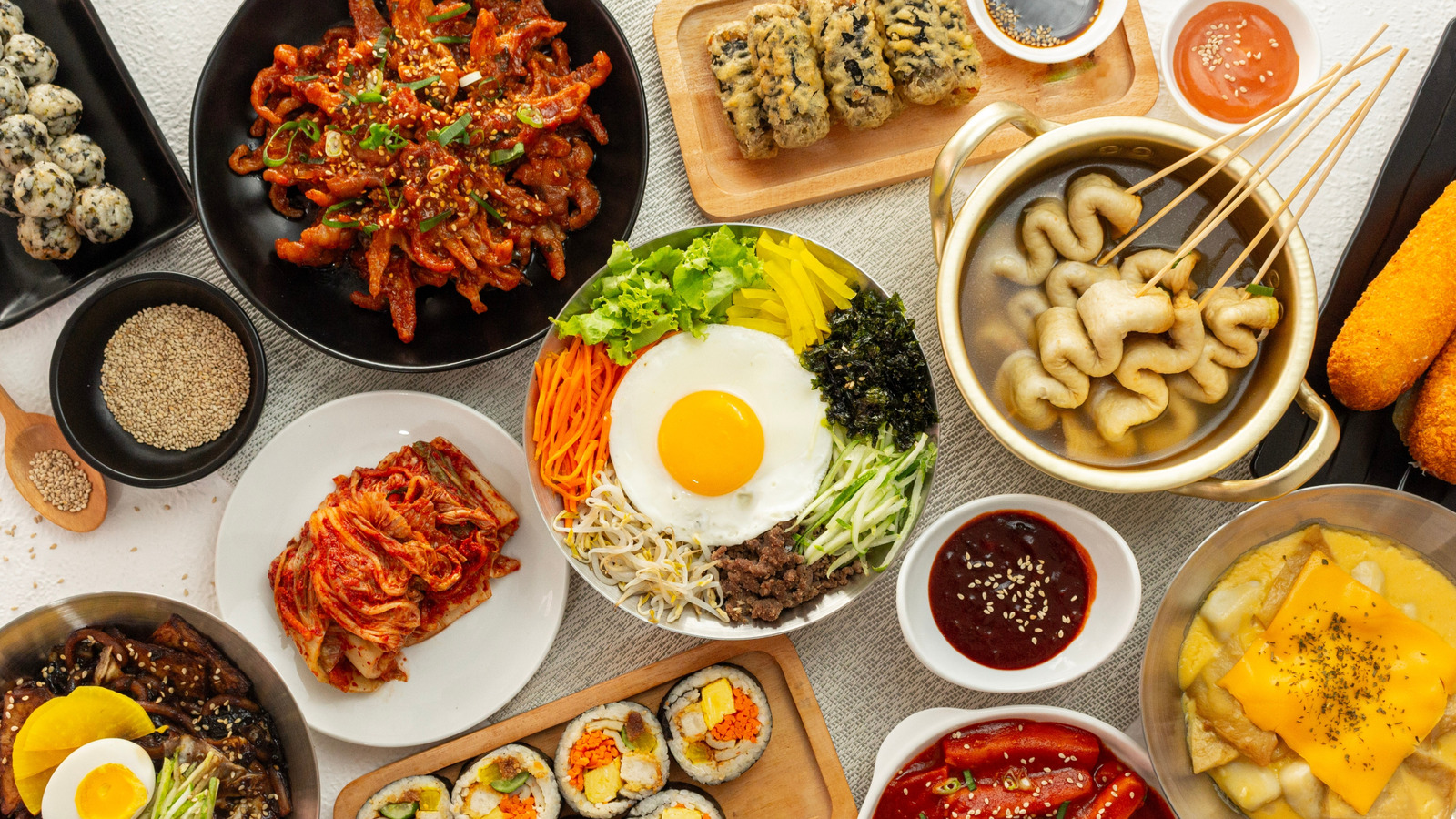
Korea food has become one of the most talked-about cuisines in the world. From sizzling barbecue tables to spicy street snacks and comforting soups, Korean meals create an experience that feels exciting, warm, and unforgettable.
But here’s the surprising part: many people think Korea food is only spicy. That idea couldn’t be further from reality. Korean cuisine is full of balance, texture, fermentation, smoky flavors, fresh vegetables, seafood, noodles, rice dishes, and comforting broths.
Whether you first saw Korean dishes in K-dramas, heard about them from friends, or tasted Korean BBQ at a restaurant, there’s a reason people keep coming back for more.
This guide covers everything you need to know about Korea food, including famous dishes, cultural traditions, health benefits, dining etiquette, street food, and practical tips for beginners.
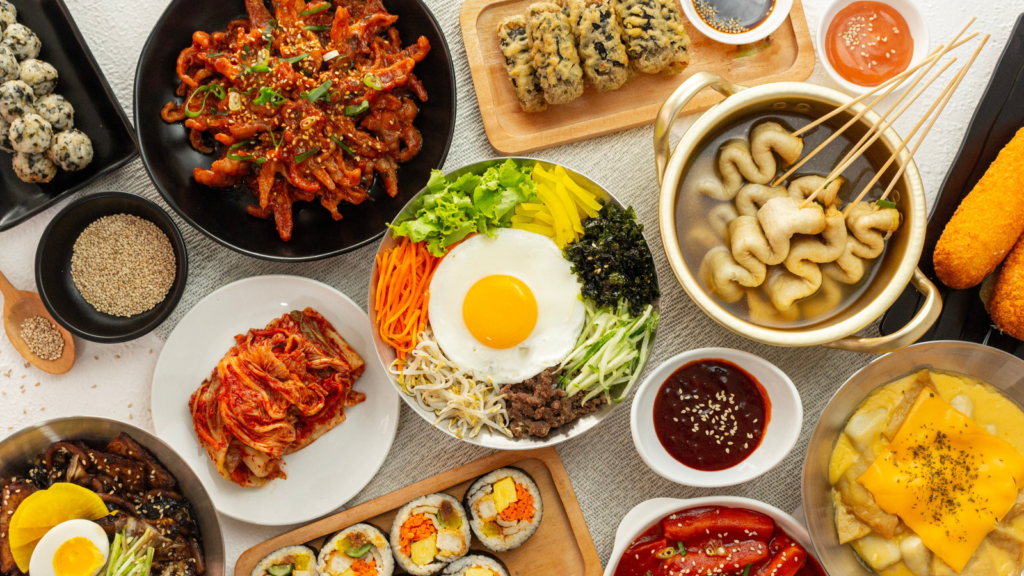
Why Korea Food Became Popular Worldwide
Korean cuisine did not become globally famous overnight. Its rise happened gradually through culture, entertainment, and social media.
The global spread of K-pop and Korean dramas introduced viewers to dishes like kimchi, ramen, tteokbokki, and fried chicken. Suddenly, people around the world became curious about what their favorite actors and idols were eating.
Another reason is the dining experience itself. Korean meals are interactive. You grill meat at the table, share side dishes, wrap meat in lettuce, and eat communally. It feels social rather than formal.
Food delivery culture in South korea food also influenced global trends. Korean fried chicken, instant noodles, and convenience-store meals became internet sensations because they looked fun, affordable, and satisfying.
Most importantly, Korea food balances flavor extremely well. Sweet, spicy, salty, sour, and umami often exist in the same meal.
Have you ever noticed how some cuisines feel heavy after a meal? Korean food often feels satisfying without being overwhelming.
The Core Philosophy Behind Korean Cuisine
Korean cuisine focuses heavily on harmony and balance. Meals are designed to combine:
- Protein
- Vegetables
- Rice or noodles
- Fermented foods
- Soup or broth
- Shared side dishes
This balance reflects traditional Korean beliefs about health and wellness.
Fermentation plays a huge role. Ingredients like kimchi, soybean paste, and chili paste develop strong flavors over time while also improving preservation.
Seasonality matters too. Korean households traditionally cooked with ingredients available during specific times of the year. That’s why many dishes feel connected to nature and weather.
For example:
| Season | Common Korean Foods |
|---|---|
| Winter | Hot stews, soups, kimchi dishes |
| Summer | Cold noodles, refreshing soups |
| Spring | Fresh greens and herbs |
| Autumn | Mushroom and seafood dishes |
The emotional side of Korean cooking is equally important. Meals are often connected with family gatherings, respect for elders, and hospitality.
Famous Korea Food Dishes Everyone Should Try
Kimchi: Korea’s Signature Side Dish
Kimchi is probably the most recognized Korean food worldwide.
It’s made by fermenting vegetables, usually napa cabbage or radish, with chili flakes, garlic, ginger, and fish sauce.
The taste can be spicy, tangy, sour, or slightly sweet depending on preparation and fermentation time.
Kimchi is more than a side dish in Korea. It appears in:
- Fried rice
- Pancakes
- Soups
- Stews
- Dumplings
- Noodles
Many Korean families still prepare kimchi together during seasonal gatherings called “Kimjang.”
One interesting thing about kimchi is how personal it feels. Every household has its own recipe and style.
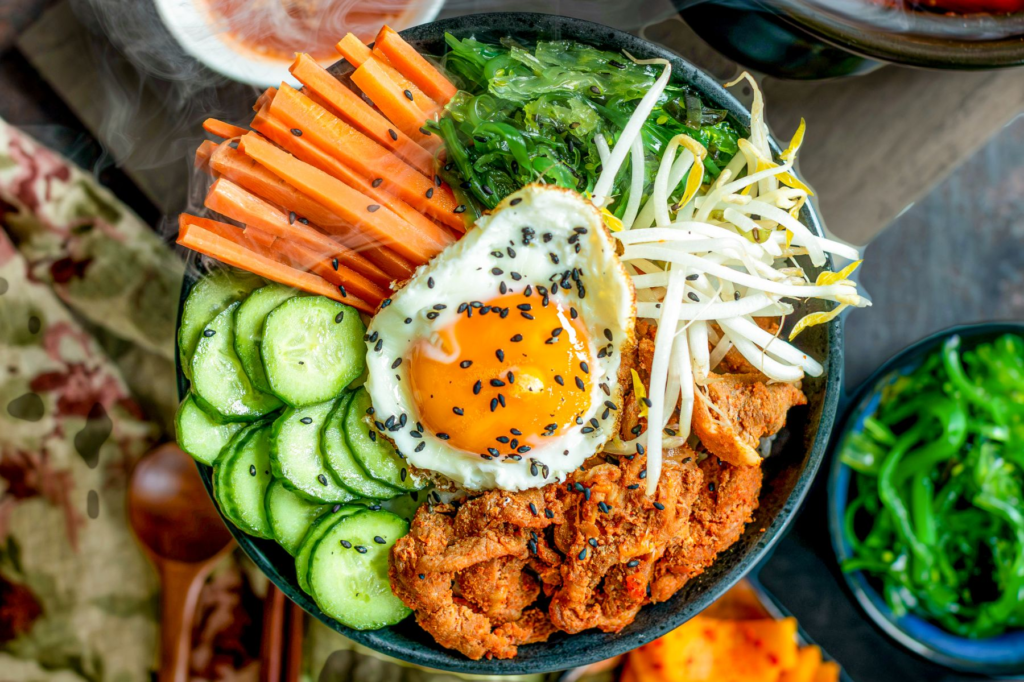
Bibimbap: The Perfect Balanced Bowl
Bibimbap is a colorful rice bowl topped with vegetables, meat, egg, and chili paste.
The magic happens when everything gets mixed together.
A good bibimbap combines:
- Crunchy vegetables
- Savory meat
- Warm rice
- Creamy egg yolk
- Spicy gochujang sauce
It’s one of the best beginner-friendly Korean dishes because you can control the spice level.
Vegetarians also enjoy bibimbap because meat can easily be replaced with tofu or mushrooms.
Korean BBQ: The Interactive Dining Experience
Korean barbecue is more than just grilled meat.
It’s an event.
People gather around a tabletop grill while cooking marinated beef, pork belly, or chicken. The meat is usually wrapped in lettuce with garlic, sauce, and side dishes.
Popular meats include:
- Samgyeopsal (pork belly)
- Galbi (marinated ribs)
- Bulgogi (marinated beef)
The combination of smoky meat and fresh vegetables creates an incredible contrast.
If you’ve never tried Korean BBQ before, remember this simple tip: don’t overcook the meat. Korean barbecue works best when juicy and slightly charred.
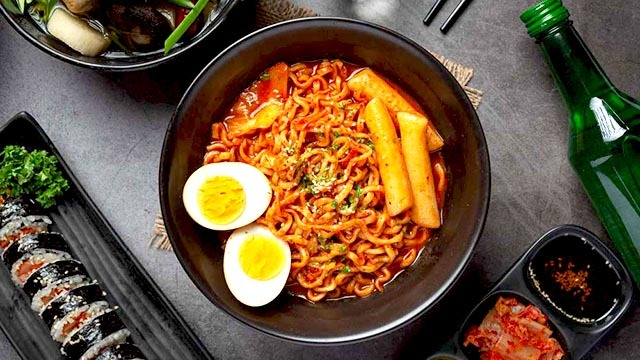
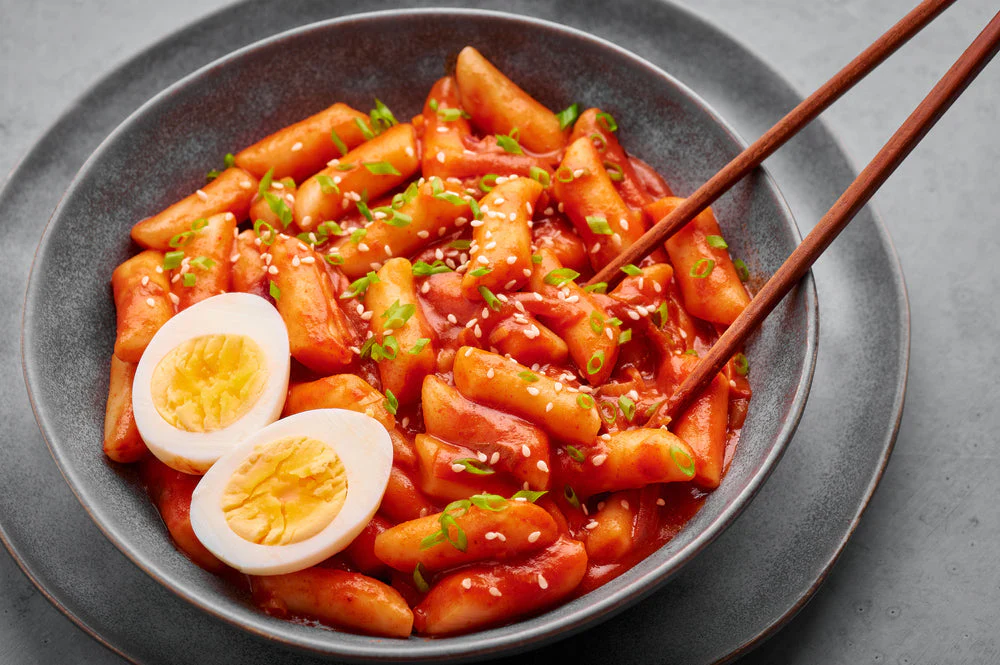
Tteokbokki: Korea’s Favorite Street Snack
Tteokbokki is one of Korea’s most popular street foods.
These chewy rice cakes are cooked in a spicy-sweet chili sauce and often served with fish cakes or boiled eggs.
The texture surprises many first-time eaters. It’s soft, chewy, and comforting at the same time.
Students in South Korea often eat famous korea food tteokbokki after school because it’s affordable and filling.
Some modern restaurants now offer:
- Cheese tteokbokki
- Seafood tteokbokki
- Cream sauce versions
- Extra spicy styles
Japchae: Sweet Potato Glass Noodles
Japchae is made with stir-fried sweet potato noodles, vegetables, soy sauce, and sesame oil.
Unlike many spicy Korean dishes, japchae tastes slightly sweet and savory.
It’s commonly served during celebrations and holidays.
The slippery noodles absorb flavor beautifully while still maintaining a light texture.
For people who avoid spicy food, japchae is often a safe starting point.
Korea Food Culture
Street food is one of the most exciting parts of Korean cuisine.
In cities like Seoul, food markets stay lively late into the night. Vendors prepare fresh snacks directly in front of customers, creating incredible aromas and energy.
Popular korea food include:
- Hotteok (sweet pancakes)
- Odeng (fish cake skewers)
- Korean corn dogs
- Gimbap
- Fried squid
- Egg bread
- Fried chicken
- Bungeoppang (fish-shaped pastry)
Walking through a Korean night market feels like entering another world. Steam rises from stalls, people gather around tiny tables, and every few steps reveal a new smell.
One reason Korean street food stands out is affordability. You can try many dishes without spending much money.
Would you rather sit in a formal restaurant or taste ten different snacks while walking through a market? Many travelers choose the second option.
Traditional Korean Meals and Side Dishes
The Importance of Banchan
Banchan refers to the small side dishes served with meals.
These may include:
- Kimchi
- Pickled radish
- Spinach
- Bean sprouts
- Potatoes
- Seaweed
- Tofu
The number of side dishes often reflects the formality of the meal.
One beautiful thing about Korean dining culture is generosity. Restaurants frequently refill side dishes for free.
This creates a sense of abundance and hospitality.
Soups and Stews in Korean Cuisine
Soup is deeply connected to Korean food culture.
Popular soups and stews include:
Kimchi Jjigae
A spicy stew made with kimchi, tofu, pork, and broth.
Sundubu Jjigae
A soft tofu stew served bubbling hot.
Samgyetang
A nourishing chicken soup often eaten during summer.
Doenjang Jjigae
A soybean paste stew with earthy flavors.
These dishes provide comfort during cold weather and often feel homemade even in restaurants.
Is Korea Food Healthy?
Many nutrition experts consider Korean cuisine relatively healthy because it includes:
- Fermented foods
- Vegetables
- Lean proteins
- Rice-based meals
- Broths instead of heavy cream sauces
Kimchi, for example, contains probiotics that may support gut health.
Grilled meats are often paired with lettuce and vegetables, creating better balance than fast-food meals.
However, not every Korean dish is automatically healthy. Some foods contain:
- High sodium
- Sugar-heavy marinades
- Fried ingredients
- Instant noodles
Balance is the key.
A traditional Korean home-cooked meal is usually healthier than heavily processed fast food.
The Role of Fermentation in Korea Food
Fermentation is one of the defining features of Korean cuisine.
Ingredients like:
- Kimchi
- Gochujang
- Doenjang
- Soy sauce
develop complex flavors over time.
Historically, fermentation helped preserve food during harsh winters.
Today, it continues because people love the depth of flavor it creates.
Fermented foods often taste:
- Tangy
- Savory
- Rich
- Slightly sour
At first, some people need time to adjust to these flavors. But once familiar, they become addictive.
Korean Noodles That Comfort Every Mood
Ramyeon Culture
Ramyeon is more than instant noodles in South Korea.
It’s comfort food.
Students, office workers, and late-night snack lovers all enjoy ramyeon regularly.
Popular additions include:
- Cheese
- Egg
- Green onions
- Dumplings
- Rice cakes
Convenience stores in Korea even provide hot water stations so customers can eat noodles immediately.
Naengmyeon: Cold Noodles for Summer
Naengmyeon surprises many people because it’s served icy cold.
The noodles are chewy and refreshing, usually paired with vinegar, mustard, cucumber, pear, and boiled egg.
It’s especially popular during hot weather.
The contrast between cold broth and spicy side dishes creates a memorable dining experience.
Korean Fried Chicken: Why It Feels Different
Korean fried chicken has developed a massive global following.
What makes it different?
The texture.
Korean fried chicken is usually double-fried, creating an extremely crispy coating.
Popular sauces include:
- Soy garlic
- Sweet spicy
- Honey butter
- Extra hot chili
Unlike some Western fried chicken styles, Korean versions often feel lighter and crunchier.
Pairing fried chicken with beer became so common in korea food that it earned its own nickname: “chimaek.”
Korea Food Etiquette You Should Know
Dining etiquette matters in Korean culture.
Here are a few useful tips:
- Wait for elders to begin eating
- Use both hands when receiving drinks
- Do not stick chopsticks vertically into rice
- Share dishes respectfully
- Avoid wasting food
Meals are seen as communal experiences rather than individual plates.
This creates stronger social connection during dining.
Regional Differences in Korean Cuisine
Korean food changes significantly depending on the region.
Seoul Cuisine
Food in Seoul often emphasizes balance, presentation, and modern interpretations.
Busan Seafood
Busan is famous for seafood dishes because of its coastal location.
Fresh fish markets and seafood soups dominate many local menus.
Jeonju Bibimbap
Jeonju is especially famous for bibimbap and traditional cooking styles.
Food enthusiasts often travel there specifically for authentic meals.
Common Mistakes First-Time Korea Food Lovers Make
Assuming Everything Is Extremely Spicy
Not all Korean food burns your mouth.
Many dishes are mild, sweet, savory, or refreshing.
Start with:
- Japchae
- Bulgogi
- Gimbap
- Korean pancakes
before trying intense spicy dishes.
Ignoring Side Dishes
Some visitors focus only on the main course.
But banchan is essential to the experience.
Mixing flavors from side dishes creates balance and variety.
Cooking BBQ Too Quickly
Many beginners rush Korean BBQ.
Good Korean barbecue takes patience. Let the meat caramelize slightly while staying juicy.
Korea Food and Modern Pop Culture
Korean entertainment dramatically influenced global food trends.
Popular K-dramas frequently feature:
- Late-night ramen scenes
- Fried chicken gatherings
- Emotional soup meals
- Street food moments
Viewers often become curious after repeatedly seeing these foods on screen.
Social media amplified this trend further.
Mukbang videos, cooking channels, and food bloggers introduced millions of viewers to Korean cuisine visually.
Watching bubbling stew or crispy fried chicken on camera can instantly create cravings.
Vegetarian and Vegan Options in Korean Cuisine
Although traditional Korean cuisine uses seafood sauces and meat broths frequently, vegetarian options are increasing.
Popular plant-based choices include:
- Vegetable bibimbap
- Tofu stews
- Vegetable gimbap
- Japchae
- Korean pancakes
Vegan restaurants have expanded rapidly in major Korean cities.
Travelers with dietary restrictions should still ask about hidden fish sauce or broth ingredients.
Korean Desserts Worth Trying
Many people focus only on savory Korean food, but desserts deserve attention too.
Bingsu
Bingsu is a shaved ice dessert topped with fruit, condensed milk, red beans, or ice cream.
It’s especially refreshing during summer.
Hotteok
Hotteok is filled with brown sugar, nuts, and cinnamon.
The crispy outside and melted filling make it incredibly satisfying during cold weather.
A Simple Beginner’s Korea Food Order Guide
If you’re entering a Korea food restaurant for the first time, this combination works well:
| Dish Type | Recommendation |
|---|---|
| Main Dish | Bulgogi or Bibimbap |
| Side | Kimchi |
| Soup | Sundubu Jjigae |
| Snack | Tteokbokki |
| Dessert | Bingsu |
This mix gives you spicy, savory, fresh, and sweet flavors without overwhelming your palate.
Real-Life Example: Why Korean Food Feels Memorable
A traveler visiting Korea for the first time described their favorite memory not as a tourist attraction, but as a small late-night korea food.
After walking through rainy streets in Seoul, they entered a tiny restaurant with only six tables. Steam filled the air while an elderly woman prepared kimchi stew.
The meal was simple:
- Rice
- Kimchi jjigae
- Side dishes
- Tea
Yet the warmth, smell, and atmosphere stayed in memory longer than famous landmarks.
That emotional connection explains why Korean food creates loyal fans worldwide.
Food becomes tied to comfort, people, and experience.
Actionable Tips for Enjoying Korea Food More
Start With Balanced Dishes
Avoid beginning with the spiciest meal available.
Choose dishes that combine multiple flavors first.
Learn Basic Ingredient Names
Knowing ingredients helps tremendously.
Examples:
- Gochujang = chili paste
- Doenjang = soybean paste
- Kimchi = fermented vegetables
Eat Communally
Korean food tastes better when shared.
Order several dishes and let everyone try different flavors.
Explore Beyond Korean BBQ
Many visitors only try barbecue.
But soups, noodles, seafood dishes, and street food reveal the true diversity of Korean cuisine.
Conclusion
Korea food is far more than spicy noodles or barbecue trends on social media. It represents balance, tradition, comfort, and connection.
From fermented kimchi and sizzling BBQ to warming stews and sweet street snacks, Korean cuisine offers variety for nearly every taste preference. The shared dining culture also makes meals feel personal and memorable.
If you’re new to Korea food, start slowly. Try a few classic dishes, experiment with side dishes, and stay open to unfamiliar flavors.
You may arrive for the barbecue, but chances are you’ll stay for the warmth, variety, and unforgettable dining experience.