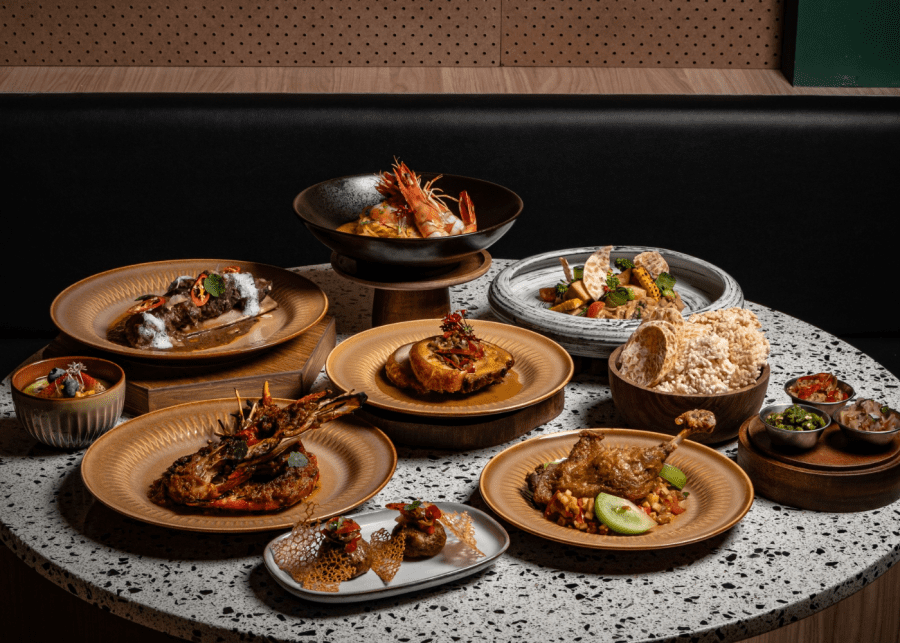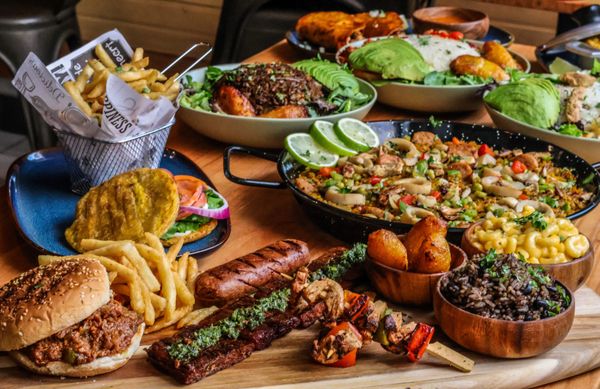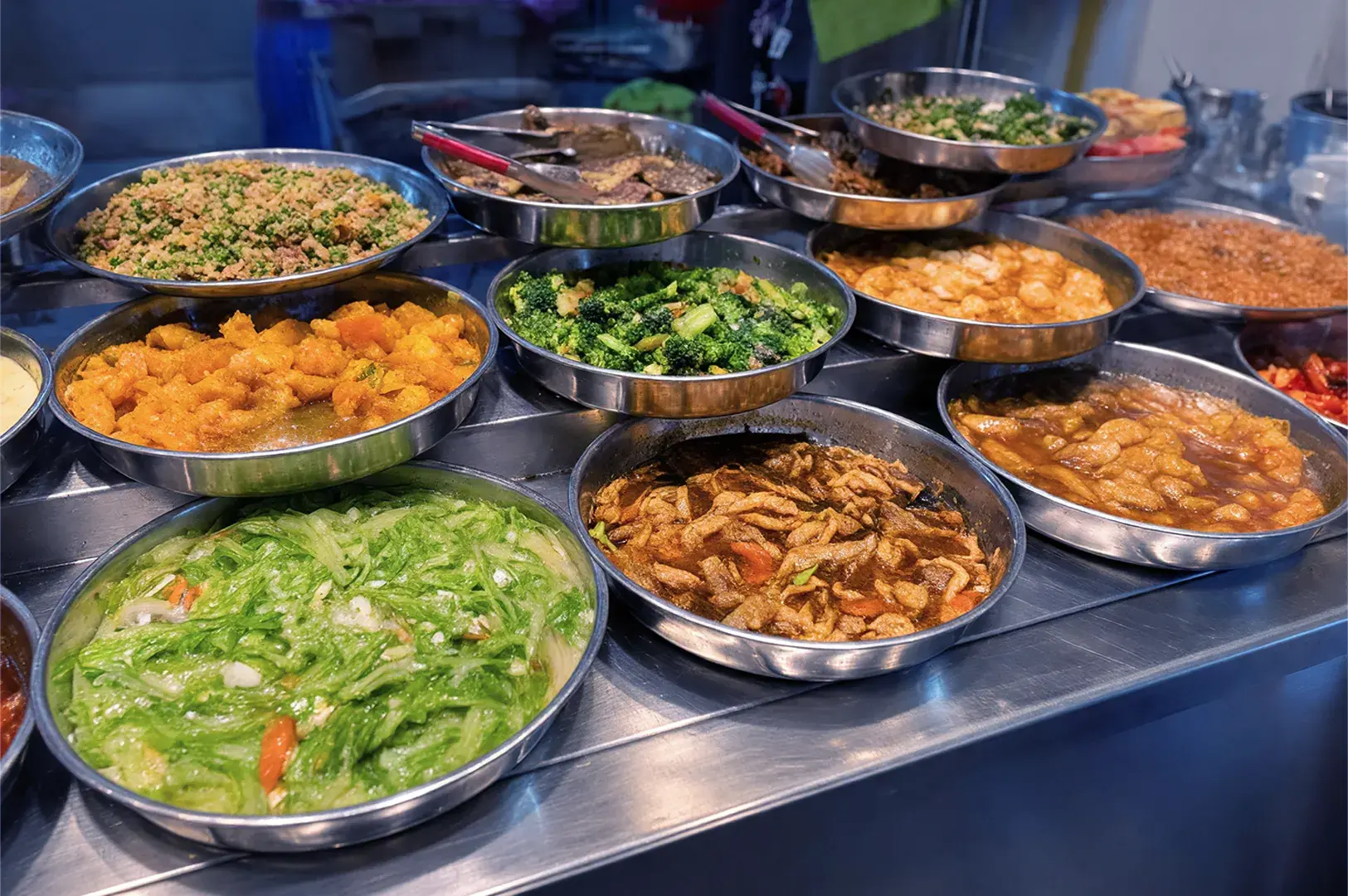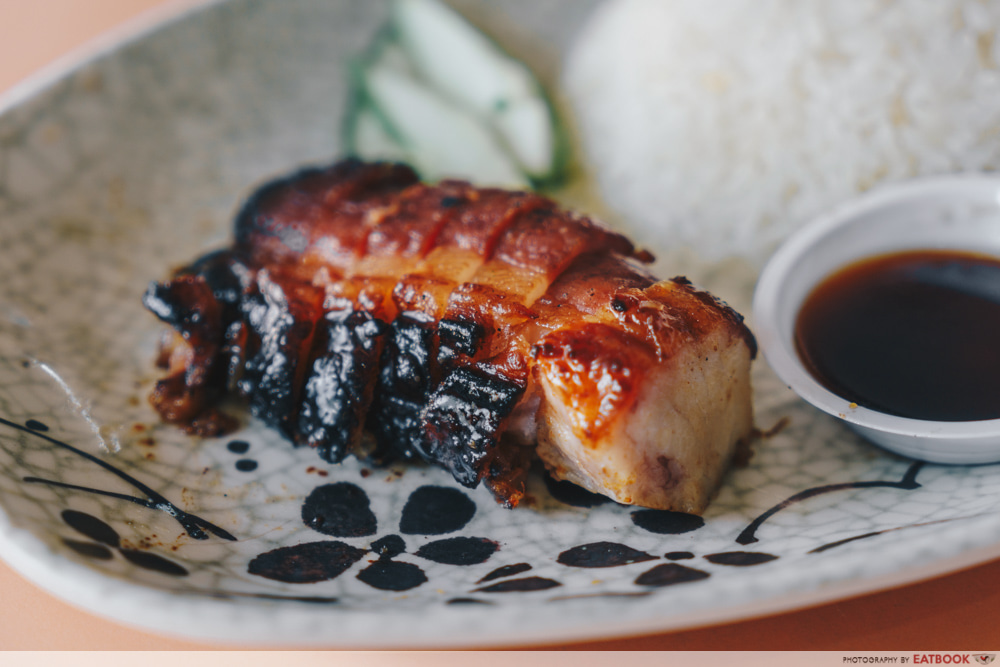
Slow-cooked meat, caramelized vegetables, rich gravy, fresh herbs, and warm bread drifting through the air can instantly make people hungry — even if they weren’t planning to eat. That emotional reaction explains why roast-focused restaurants continue to attract loyal customers in every part of the world.
And among modern dining concepts built around comfort food and premium roasting techniques, Roast Paradise has become a name that sparks curiosity among food lovers.
But what actually creates a memorable roast dining experience? Is it the tenderness of the meat? The atmosphere? The cooking method? Or the feeling people get when sharing a warm meal around a table?
The answer is usually a mix of all those things.
This article explores Roast Paradise from multiple angles — food quality, roasting techniques, restaurant atmosphere, customer expectations, modern dining culture, menu strategy, and why roast-based comfort food remains timeless despite changing food trends.
The Growing Popularity of Roast-Centered Dining
Food trends change constantly.
One year, people chase extreme spicy food. Another year, everyone suddenly wants handcrafted desserts or fusion street food. Yet roast-based dining continues to stay relevant.
Why?
Because roast meals connect strongly with comfort, familiarity, and satisfaction.
Whether it’s:
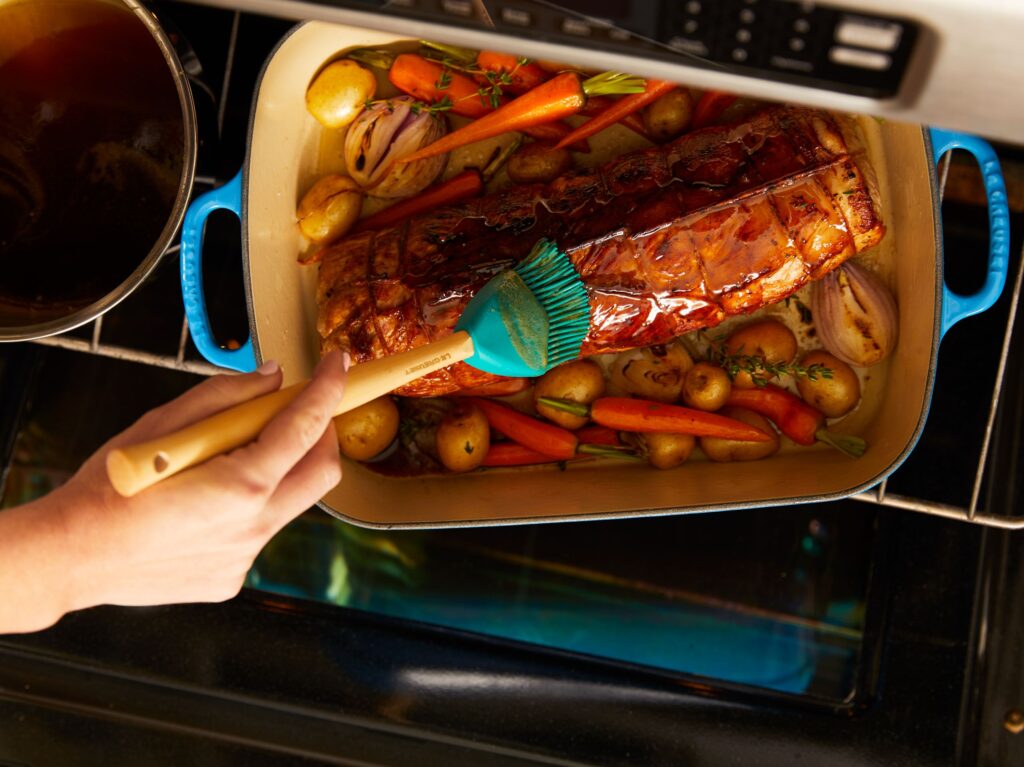
- Slow-roasted chicken
- Prime beef
- Herb-marinated lamb
- Crispy roast potatoes
- Smoky vegetables
- Homemade gravy
Roast food creates emotional warmth that fast food rarely delivers.
Modern restaurants like Roast Paradise succeed because they combine traditional comfort food with contemporary dining expectations.
What Makes Roast Paradise Stand Out?
Many restaurants serve roast dishes, but only a few create a recognizable identity around them.
Roast Paradise stands out because it focuses on more than simply cooking meat. The entire experience usually revolves around flavor balance, atmosphere, texture, aroma, and presentation.
Several factors contribute to this appeal.
Consistency in Cooking
Customers return when they trust the food quality.
Roasting requires precision:
- Temperature control
- Cooking duration
- Resting time
- Moisture balance
- Fat rendering
Even small mistakes can ruin texture.
A properly roasted dish should feel:
- Tender
- Juicy
- Flavorful
- Balanced
- Rich without feeling greasy
Restaurants that consistently deliver this quality naturally build loyal audiences.
Comfort Food With a Premium Feel
One reason Roast Paradise attracts attention is its ability to make comfort food feel elevated without becoming overly formal.
That balance matters.
People want:
- Relaxed dining
- High-quality ingredients
- Beautiful presentation
- Affordable luxury
- Familiar flavors
Modern roast restaurants blend all these elements to
The Art Behind Perfect Roasting
Roasting may sound simple, but professional roasting is surprisingly technical.
Heat management affects everything:
- Texture
- Moisture
- Flavor depth
- Surface crispness
- Aroma development
Professional chefs understand how proteins react under heat and how fat contributes to flavor.
Dry Heat Cooking and Flavor Development
Roasting uses dry heat to create caramelization and browning.
This process develops:
- Rich savory flavor
- Crispy texture
- Aromatic complexity
- Golden crust formation
The famous “roasted flavor” comes largely from the Maillard reaction, where proteins and sugars interact during cooking.
That’s why roasted food tastes so sat
Why Resting Meat Matters
One common mistake many home cooks make is cutting meat immediately after roasting.
Professional kitchens allow resting time because:
- Juices redistribute
- Texture improves
- Moisture stays inside
- Slicing becomes cleaner
Without resting, meat often becomes dry quickly.
This small detail separates average roasting from excellent roasting.
Signature Dishes That Define Roast Paradise
Most successful roast restaurants become known for certain specialties.
These signature items help create identity and repeat business.
Slow-Roasted Beef
Beef remains one of the most popular roast dishes globally.
A quality roast beef plate usually includes:
- Tender sliced beef
- Crispy edges
- Rich gravy
- Roasted vegetables
- Potatoes
- Fresh herbs
Texture matters enormously here.
Dry roast beef disappoints customers instan
Herb Roasted Chicken
Roast chicken may appear simple, but achieving perfect balance is difficult.
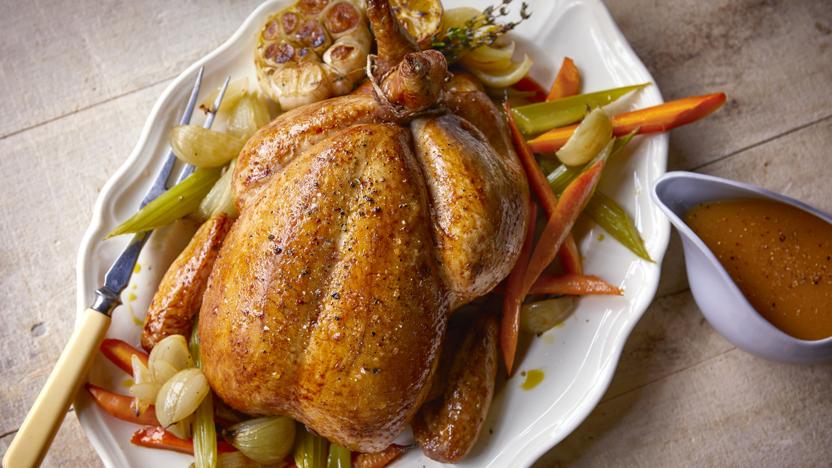
The ideal roast chicken should have:
- Crispy skin
- Moist interior
- Balanced seasoning
- Golden color
- Rich aroma
Restaurants that perfect roast chicken often gain strong customer loyalty because people crave reliable comfort meal
Roast Lamb
Lamb offers bold flavor and pairs beautifully with:
- Garlic
- Rosemary
- Mint
- Red wine sauces
- Root vegetables
Premium roast restaurants frequently use lamb to create a more upscale dining experience.
Roasted Vegetables
Modern diners increasingly appreciate vegetables prepared thoughtfully.
Popular roast vegetables include:
- Carrots
- Potatoes
- Pumpkin
- Cauliflower
- Brussels sprouts
- Sweet potatoes
Proper roasting enhances natural sweetness and texture.
Why Roast Food Creates Emotional Connection
Roast meals are strongly tied to memories.
For many people, roasted dishes remind them of:
- Family dinners
- Weekend gatherings
- Holiday celebrations
- Childhood meals
- Shared comfort
Food psychology plays a major role here.
People don’t simply eat roast meals for nutrition. They eat them because roast food feels emotionally satisfying.
Have you ever noticed how certain food aromas instantly remind you of a specific moment in life?
That emotional memory matters more than many restaurants realize.
Modern Roast Restaurants and Social Dining Culture
Today’s consumers value experiences as much as food quality.
Restaurants now compete on:
- Interior design
- Customer service
- Atmosphere
- Presentation
- Social media appeal
Roast Paradise-style dining concepts fit perfectly into this shift.
The Return of Shared Dining
People increasingly enjoy communal dining experiences.
Large roast platters encourage:
- Conversation
- Sharing
- Family-style meals
- Group interaction
This social element creates stronger customer engagement compared to isolated fast-food experiences.
Interior Design and Atmosphere
The environment shapes customer perception significantly.
Modern roast restaurants often use:
- Warm lighting
- Wooden textures
- Open kitchens
- Rustic décor
- Earth-tone color palettes
These design choices reinforce comfort and authenticity.
Even music selection influences dining satisfaction.
Soft jazz, acoustic playlists, or relaxed instrumental music often complement roast-focused dining environments.
The Rise of Premium Comfort Food
Luxury dining has changed dramatically.
Years ago, fine dining focused heavily on exclusivity and complicated presentation. Today, consumers increasingly prefer comfort food prepared exceptionally well.
This shift benefits roast-focused restaurants enormously.
Why Simplicity Wins
Customers now appreciate:
- Honest flavors
- Quality ingredients
- Technical consistency
- Balanced seasoning
- Thoughtful presentation
A perfectly roasted chicken can impress more than an overly complicated dish.
That simplicity feels approachable yet satisfying.
Ingredient Quality Makes a Huge Difference
Great roasting starts long before cooking begins.
Ingredient quality determines:
- Flavor depth
- Texture
- Moisture
- Fat quality
- Overall satisfaction
Premium roast restaurants usually focus heavily on sourcing.
Important Ingredients in Roast Cooking
| Ingredient | Why It Matters | Impact on Flavor |
|---|---|---|
| Fresh herbs | Adds aroma | Enhances complexity |
| Quality meat cuts | Better tenderness | Richer taste |
| Butter or olive oil | Improves moisture | Adds richness |
| Garlic and onion | Creates savory depth | Strong aroma |
| Root vegetables | Natural sweetness | Flavor balance |
Even basic ingredients become exceptional when treated carefully.
Common Mistakes That Ruin Roast Dishes
Not every roast meal succeeds.
Several mistakes frequently affect quality.
Overcooking
This is the biggest issue.
Overcooked meat loses:
- Moisture
- Tenderness
- Flavor
- Texture
Customers immediately notice dryness.
Poor Seasoning
Some restaurants rely too heavily on sauces to compensate for weak seasoning.
Good roast dishes should taste flavorful even without gravy.
Balanced seasoning enhances natural ingredients rather than overpowering them.
Weak Side Dishes
Side dishes matter more than many kitchens realize.
Poor sides can weaken the entire experience.
Customers expect:
- Crispy potatoes
- Fresh vegetables
- Balanced sauces
- Proper portioning
Every component contributes to the final impression.
The Role of Gravy and Sauces
Sauces are often underestimated in roast dining.
A good gravy ties the meal together.
What Makes Great Gravy?
Excellent gravy should feel:
- Rich
- Smooth
- Savory
- Balanced
- Aromatic
It should complement the meat rather than overpower it.
Restaurants that make gravy from real roasting drippings usually achieve better flavor depth than those using shortcuts.
Roast Paradise and Modern Food Trends
Food culture constantly evolves, but roast-focused restaurants continue adapting successfully.
Health-Conscious Consumers
Many diners now seek:
- Leaner proteins
- Fresh ingredients
- Controlled portions
- Less processed food
Roasting aligns well with these preferences because it often requires less heavy frying.
Seasonal Menus
Seasonal menus create freshness and excitement.
Popular seasonal roast items include:
- Autumn root vegetables
- Winter beef specials
- Summer herb chicken
- Spring lamb dishes
Changing menus encourage repeat visits.
Locally Sourced Ingredients
Modern consumers appreciate transparency.
Restaurants promoting:
- Local farms
- Sustainable sourcing
- Fresh produce
- Ethical meat sourcing
often build stronger customer trust.
Real-Life Dining Example
Imagine this situation.
A group of friends plans dinner after a stressful work week. They want:
- Comforting food
- Relaxed atmosphere
- Good conversation
- Reliable quality
They choose a roast-focused restaurant because roast meals naturally encourage slower, more social dining.
When the food arrives:
- The aroma fills the table
- Plates feel generous
- Everyone starts sharing bites
- Conversation becomes more relaxed
That emotional atmosphere matters as much as the food itself.
This is why roast-centered dining remains timeless.
Why Aroma Is Critical in Roast Restaurants
Smell strongly affects appetite and emotional response.
Roasting creates powerful aromas because:
- Fat renders slowly
- Herbs release oils
- Vegetables caramelize
- Proteins brown under heat
Many restaurants intentionally design kitchens to allow some aroma into dining areas.
That sensory experience increases anticipation before customers even take the first bite.
Roast Paradise and Social Media Culture
Visual appeal matters heavily in modern dining.
Food photography influences customer behavior daily.
Why Roast Food Performs Well Online
Roast dishes naturally create:
- Warm colors
- Texture contrast
- Steam visuals
- Rustic presentation
- Comfort-focused aesthetics
These qualities photograph beautifully on social media platforms.
However, appearance alone is not enough.
Customers today quickly recognize when food looks better online than it tastes in reality.
Long-term success requires both visual and culinary quality.
Tips for Choosing a Great Roast Restaurant
Not every roast-focused restaurant delivers the same experience.
Here are practical signs of quality.
Observe the Menu Balance
A thoughtful menu usually focuses on:
- Fewer items
- Better execution
- Seasonal ingredients
- Clear specialties
Overly large menus often reduce consistency.
Watch Customer Activity
Busy restaurants with repeat local customers often indicate reliability.
People rarely return repeatedly to disappointing roast restaurants.
Pay Attention to Smell
Aroma reveals a lot.
A good roast restaurant should smell:
- Warm
- Savory
- Fresh
- Inviting
Poor ventilation or stale smells can affect perception immediately.
The Business Side of Roast Restaurants
Running a roast-focused restaurant is challenging.
Several factors affect profitability.
Food Cost Management
Meat prices fluctuate constantly.
Restaurants must carefully balance:
- Portion size
- Ingredient quality
- Waste reduction
- Pricing strategy
Maintaining quality while controlling costs is difficult.
Labor and Preparation Time
Roasting requires preparation hours before service begins.
Tasks include:
- Marination
- Trimming
- Slow cooking
- Sauce preparation
- Vegetable roasting
This labor intensity affects staffing and operational costs.
Why Roast Food Appeals Across Generations
One interesting aspect of roast meals is their broad demographic appeal.
Young adults enjoy:
- Social dining
- Comfort food aesthetics
- Café-style environments
Older customers appreciate:
- Familiar flavors
- Traditional cooking
- Balanced meals
- Relaxed atmosphere
Very few dining concepts appeal this naturally across age groups.
The Difference Between Fast Food and Roast Dining
Fast food prioritizes:
- Speed
- Convenience
- Mass production
Roast dining focuses more on:
- Experience
- Craftsmanship
- Flavor development
- Atmosphere
This distinction matters in today’s restaurant industry.
Consumers increasingly seek experiences that feel intentional rather than rushed
Roast Paradise and Customer Loyalty
Loyal customers rarely form emotional attachment purely from food quality.
They return because of the complete experience.
What Builds Loyalty?
Successful roast restaurants usually excel in:
- Consistency
- Friendly service
- Comfortable atmosphere
- Reliable quality
- Emotional familiarity
Customers want to feel welcomed, not simply processed.
The Importance of Texture in Roast Cooking
Texture separates average roasting from memorable roasting.
A strong roast plate usually combines:
- Crispy elements
- Tender meat
- Creamy sauces
- Soft vegetables
This contrast keeps meals interesting.
If everything feels soft or dry, the experience becomes monotonous quickly.
Questions Every Food Lover Should Ask
Before choosing a roast restaurant, ask yourself:
- Does the restaurant prioritize freshness?
- Is the menu focused or overloaded?
- Are ingredients thoughtfully paired?
- Does the atmosphere encourage relaxed dining?
- Would you genuinely want to return weekly?
These questions often reveal more than online ratings alone.
FAQs About Roast Paradise
What type of food does Roast Paradise focus on?
Roast Paradise focuses on roast-centered comfort food including roasted meats, vegetables, sauces, and premium family-style dining experiences.
Why is roasting considered a premium cooking method?
Roasting develops rich flavor through caramelization, moisture control, and slow heat exposure, creating balanced texture and aroma.
What are the most popular roast dishes?
Popular roast dishes include roast beef, herb chicken, lamb, roasted vegetables, potatoes, and slow-cooked specialty platters.
Why do roast restaurants feel comforting?
Roast meals are emotionally connected to family gatherings, celebrations, and traditional home cooking, which creates familiarity and warmth.
How can you identify a quality roast restaurant?
Look for fresh aromas, focused menus, balanced seasoning, consistent cooking quality, and positive customer engagement.
Conclusion
Roast Paradise represents more than a restaurant concept. It reflects why comfort food continues to matter in modern dining culture.
People crave meals that feel warm, satisfying, social, and emotionally grounding. Roast-focused dining delivers exactly that when done well.
From slow-cooked meats to crisp vegetables and rich gravy, roasting combines technical cooking skill with emotional familiarity. That combination keeps customers returning again and again.
And perhaps that’s the real reason roast dining never loses relevance.
Not because it follows food trends.