There’s something comforting about walking into a restaurant that has stayed consistent for years. The smell of freshly fried breadcrumbs, warm bowls of miso soup, crisp shredded cabbage, and attentive Japanese-style service create an experience people remember long after the meal ends.
That’s exactly why many diners continue returning to Tonkichi.
In a city packed with trendy cafés and fast-changing food concepts, Tonkichi has quietly built a loyal following through quality, consistency, and a menu that understands comfort food better than most places. Whether you are visiting for a quick lunch, a family dinner, or your first real tonkatsu experience, the restaurant offers a balance of tradition and practicality that appeals to many age groups.
But is Tonkichi still worth visiting today? What should first-timers order? And how does it compare with newer Japanese dining spots?
This detailed guide covers everything you need to know.
What Is Tonkichi Known For?
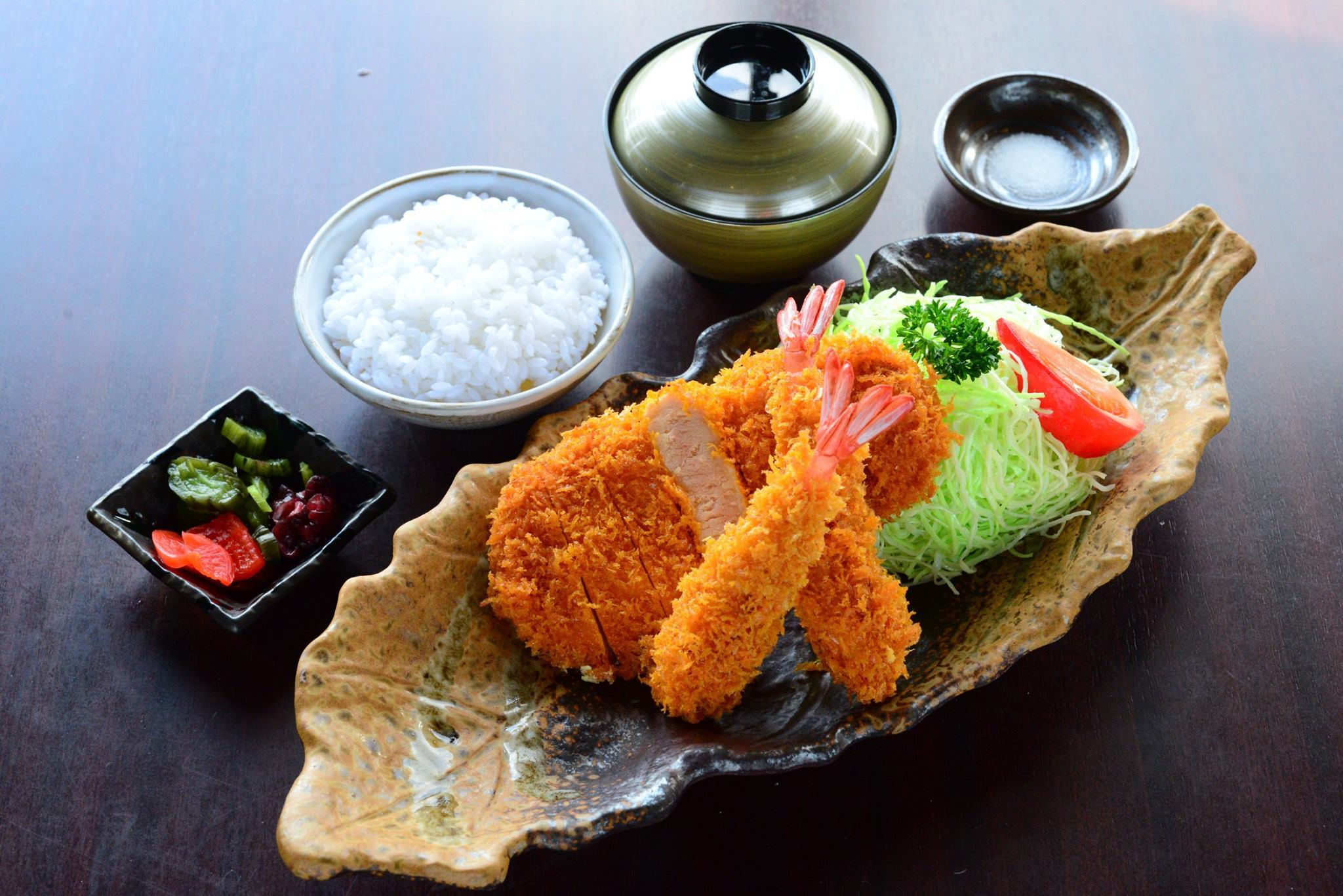
At its core, Tonkichi is famous for tonkatsu — a Japanese breaded pork cutlet that is deep-fried until golden and crispy while keeping the inside juicy and tender.
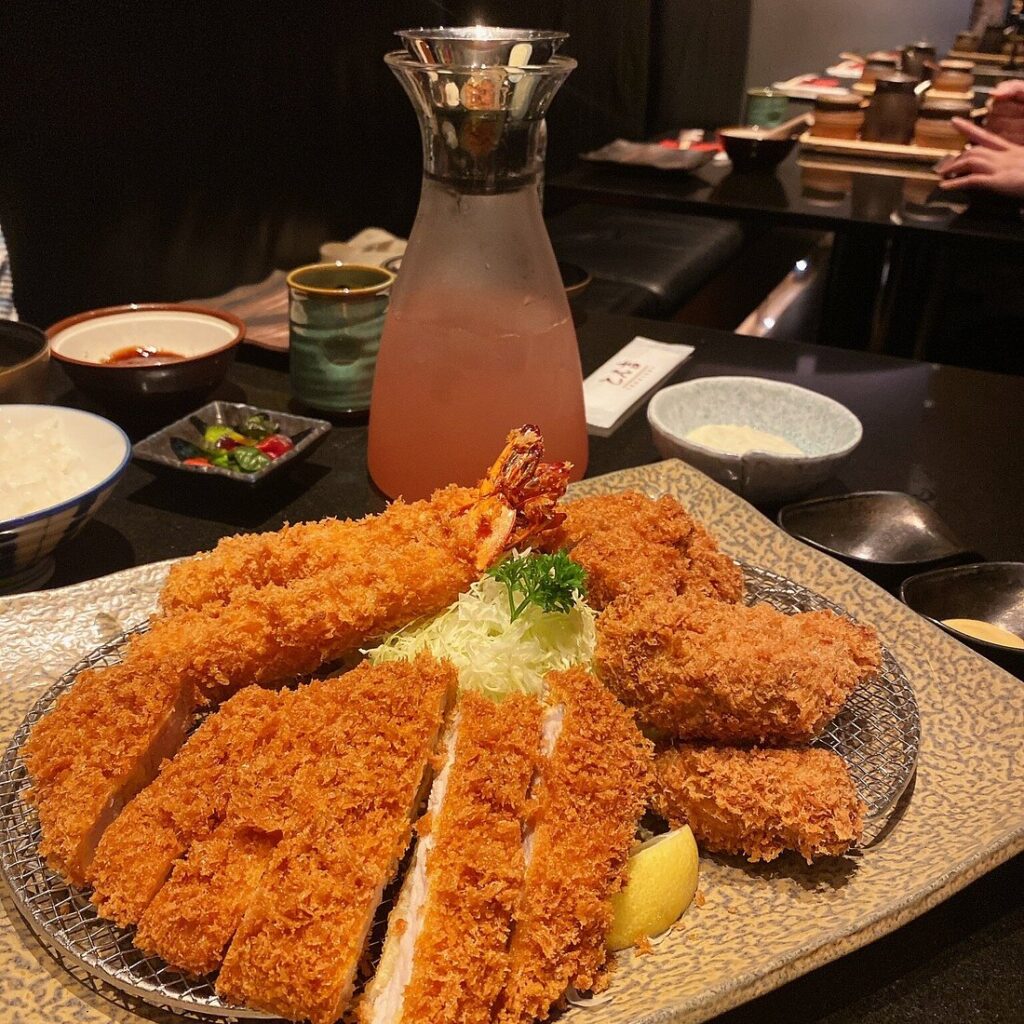
The restaurant has become closely associated with authentic Japanese comfort dining in Singapore. Many locals consider it one of the earliest places that helped popularize premium tonkatsu meals in the country.
Unlike some modern Japanese chains that focus heavily on social media presentation, Tonkichi keeps things relatively simple:
- Quality pork cuts
- Traditional preparation methods
- Fresh ingredients
- Reliable service
- Balanced Japanese flavors
That straightforward approach is exactly why many customers keep returning.
The Story Behind Tonkichi
Japanese dining culture values precision and consistency. Tonkichi reflects both.
The restaurant gained popularity by focusing on authentic tonkatsu preparation rather than creating oversized menus filled with unrelated dishes. Over time, it became a recognizable name among people looking for dependable Japanese food in Singapore.
Its reputation grew largely through word of mouth. Office workers recommended it to colleagues. Families brought visiting relatives. Japanese food enthusiasts praised its texture and flavor balance.
That organic popularity matters because restaurants that survive for years in competitive dining markets usually do something right.
Why Tonkatsu Matters in Japanese Cuisine
To fully appreciate Tonkichi, it helps to understand why tonkatsu itself is such an important dish.
Tonkatsu may seem simple at first glance: pork, breadcrumbs, oil, and sauce. But achieving the perfect result takes skill.
A good tonkatsu should have:
| Element | What Makes It Important |
|---|---|
| Crispy coating | Adds texture without becoming greasy |
| Juicy meat | Prevents dryness |
| Balanced seasoning | Enhances pork flavor naturally |
| Proper frying temperature | Keeps coating light and golden |
| Fresh cabbage and rice | Completes the meal experience |
Japanese cuisine often focuses on balance rather than excess. Tonkatsu follows that philosophy closely.
At Tonkichi, meals are designed to feel complete rather than overwhelming.
Signature Dishes You Should Try
Rosu Katsu Set
This is one of the most popular choices for first-time visitors.
Rosu refers to pork loin with a layer of fat attached. That fat creates extra flavor and moisture, making the cut especially satisfying.
What people usually like about it:
- Crispy breadcrumb coating
- Tender pork texture
- Rich but not overly oily taste
- Filling portion size
The accompanying rice, cabbage, and soup help balance the richness.
Hire Katsu Set
Prefer leaner meat?
The hire katsu uses pork fillet instead of loin. It has less fat and a softer texture.
This option often appeals to:
- Health-conscious diners
- Older customers
- People who prefer lighter flavors
Despite being leaner, the meat still stays tender when cooked properly.
Katsu Curry
Japanese curry has a completely different flavor profile from Southeast Asian curries.
It is:
- Thicker
- Slightly sweet
- Mildly spiced
- Comforting and rich
Adding crispy tonkatsu on top creates a meal many customers consider highly satisfying after a long workday.
Seafood Fry Sets
Not everyone wants pork every visit.
Tonkichi also offers seafood options such as:
- Fried oysters
- Prawns
- Mixed seafood combinations
These provide variety while maintaining the same crispy frying technique the restaurant is known for.
What Makes Tonkichi Different From Other Tonkatsu Restaurants?
Singapore has no shortage of Japanese restaurants today. Yet Tonkichi still stands out in several ways.
Consistency Over Trends
Many restaurants change concepts quickly to stay relevant. Tonkichi rarely chases food trends.
That stability creates trust.
Customers know what they are getting:
- Similar taste quality
- Familiar service standards
- Reliable portion sizes
Consistency is often underrated in the restaurant industry.
Attention to Texture
Texture is a huge part of Japanese food culture.
At Tonkichi, the crunch of the breading matters just as much as the flavor itself. The balance between crispiness and tenderness is carefully maintained.
Poor tonkatsu becomes soggy quickly. Good tonkatsu stays crisp while remaining juicy inside.
That difference is noticeable.
Relaxed Dining Experience
Some modern restaurants feel rushed or noisy.
Tonkichi usually offers a calmer atmosphere that works well for:
- Family meals
- Business lunches
- Casual dates
- Solo dining
The slower pace allows customers to enjoy the food properly.
The Dining Experience at Tonkichi
Walking into Tonkichi often feels different from entering a trendy café or fusion restaurant.
The environment typically focuses on:
- Warm lighting
- Clean interiors
- Traditional Japanese presentation
- Comfortable seating
Staff members are generally attentive without being intrusive.
One reason people return is the sense of familiarity. The restaurant delivers a predictable, dependable dining experience that feels comforting.
That matters more than many people realize.
Best Time to Visit Tonkichi
Timing can influence your experience significantly.
Lunch Hours
Lunch periods attract:
- Office workers
- Shopping crowds
- Tourists
Expect longer waiting times during peak hours.
However, lunch sets can offer strong value for money.
Dinner Periods
Dinner tends to feel more relaxed, especially on weekdays.
Families and groups commonly visit during evenings, creating a lively but comfortable atmosphere.
Weekend Rush
Weekends are usually busier.
If you dislike queues, consider:
- Early lunch timings
- Late afternoon visits
- Weekday dining
Small timing adjustments can improve the overall experience considerably.
Tonkichi Menu Highlights Beyond Tonkatsu
Although tonkatsu remains the main attraction, several supporting items deserve attention too.
Miso Soup
Simple dishes often reveal restaurant quality best.
Good miso soup should taste:
- Balanced
- Warm
- Savory without being overly salty
Tonkichi generally maintains that balance well.
Japanese Rice
Japanese restaurants understand the importance of properly cooked rice.
The rice served here complements fried items effectively by adding softness and mild sweetness.
Pickles and Side Dishes
Japanese pickles help refresh the palate between bites of fried food.
This small detail improves the overall meal experience more than many diners expect.
Is Tonkichi Worth the Price?
This question comes up often.
Compared to fast-food Japanese chains, Tonkichi may seem more expensive initially. However, the value becomes clearer when considering:
- Ingredient quality
- Portion sizes
- Dining atmosphere
- Service standards
- Preparation consistency
For many customers, the restaurant falls into the “special comfort meal” category rather than everyday budget dining.
And honestly, that positioning works well.
People are often willing to pay slightly more for food they trust
A Realistic Look at Portion Sizes
Some Japanese restaurants serve portions that feel too small for hungry diners.
Tonkichi generally avoids that problem.
Most set meals include:
- Main protein
- Rice
- Soup
- Cabbage
- Pickles
That combination usually feels satisfying without becoming excessive.
Customers who arrive extremely hungry may still want extra side dishes, but most diners leave comfortably full.
Tonkichi for Families
One underrated aspect of Tonkichi is how family-friendly it feels.
Parents often appreciate:
- Predictable menu quality
- Comfortable seating
- Familiar flavors
- Non-intimidating environment
Children who are not adventurous eaters also tend to enjoy fried dishes and rice combinations.
For multi-generational dining, Tonkichi works surprisingly well because the menu appeals to different age groups.
How Tonkichi Compares to Modern Japanese Chains
Newer Japanese restaurants often focus heavily on:
- Viral marketing
- Social media aesthetics
- Oversized portions
- Fusion concepts
Tonkichi takes a quieter approach.
Instead of chasing online attention, it focuses on food execution.
That difference creates two completely different dining experiences.
Modern Trendy Chains
Pros:
- Eye-catching presentation
- Creative menu items
- Fast hype
Cons:
- Inconsistent quality
- Overcomplicated flavors
- Short-lived concepts
Tonkichi
Pros:
- Reliable taste
- Authentic preparation
- Comfortable atmosphere
Cons:
- Less flashy presentation
- Traditional menu style
- Higher pricing than casual chains
Many diners eventually return to consistency after trying trend-based restaurants repeatedly.
The Secret Behind Great Tonkatsu
Ever wondered why some tonkatsu tastes incredible while others feel greasy and forgettable?
Several factors matter:
Breadcrumb Quality
Japanese panko breadcrumbs are lighter and airier than regular breadcrumbs.
That texture creates a crisp coating without heaviness.
Oil Temperature
Frying at the wrong temperature ruins tonkatsu quickly.
Too hot:
- Burns the coating
- Leaves the inside undercooked
Too cold:
- Creates greasy texture
- Removes crispiness
Meat Preparation
Good tonkatsu requires:
- Proper thickness
- Correct seasoning
- Controlled moisture levels
Experienced kitchens understand these details instinctively.
Tonkichi and Japanese Food Culture
Japanese dining culture often values precision more than extravagance.
At Tonkichi, this philosophy appears through:
- Organized meal presentation
- Balanced flavors
- Careful preparation
- Consistent plating
Meals are designed to feel harmonious rather than chaotic.
This approach differs from restaurants focused purely on oversized portions or visual gimmicks.
Common Mistakes First-Time Visitors Make
Ordering Too Much
The set meals are already filling.
Adding multiple fried sides can become overwhelming quickly.
Ignoring the Sauce Balance
Tonkatsu sauce is flavorful but strong.
Using too much can overpower the pork itself.
Skipping the Cabbage
The cabbage is not just decoration.
It helps balance the richness of fried food and refreshes the palate.
Tips to Enjoy Tonkichi More
Go With an Empty Stomach
This sounds obvious, but tonkatsu meals are hearty.
Arriving hungry improves the experience.
Share Side Dishes
If dining in groups, sharing sides creates better variety without excessive fullness.
Try Different Pork Cuts
The difference between loin and fillet is noticeable.
Trying both helps identify your preference.
Why People Become Loyal Customers
Restaurants survive long term because of emotional connections, not just food quality.
Tonkichi creates familiarity.
Some customers have:
- Celebrated birthdays there
- Held family dinners
- Introduced friends to Japanese cuisine
- Returned after years abroad
That emotional attachment matters.
When food becomes tied to memories, customers stay loyal.
Tonkichi for Tourists Visiting Singapore
Tourists often search for:
- Local hawker food
- Luxury dining
- Trendy cafés
But dependable Japanese restaurants like Tonkichi can also provide memorable experiences, especially for travelers wanting:
- Reliable quality
- Comfortable dining
- Familiar but elevated flavors
After several days of heavy sightseeing, comfort food can feel especially satisfying.
Popular Pairings at Tonkichi
Certain combinations consistently work well together.
Tonkatsu + Green Tea
Green tea refreshes the palate and balances fried textures.
Katsu Curry + Pickles
The acidity of pickles offsets the richness of curry sauce.
Fried Oysters + Rice
This pairing creates strong contrast between crispy seafood and soft rice.
Small combinations like these improve meals significantly.
Customer Reviews: What People Usually Praise
While opinions always vary, common compliments include:
- Crispy texture quality
- Reliable standards
- Friendly service
- Authentic Japanese atmosphere
- Balanced meal portions
Negative comments occasionally mention:
- Waiting times
- Premium pricing
- Limited experimentation on the menu
Interestingly, many of these “negatives” come from the restaurant maintaining its traditional approach.
Is Tonkichi Good for Solo Diners?
Absolutely.
Japanese restaurants often accommodate solo dining very naturally.
Many people enjoy:
- Quiet lunches alone
- Reading while eating
- Relaxed solo dinners
Tonkichi’s calm environment works well for this style of dining.
Not every restaurant can make solo customers feel comfortable, but Japanese dining culture generally handles it well.
The Role of Service in the Tonkichi Experience
Food matters, but service influences restaurant memories just as strongly.
At Tonkichi, service typically focuses on:
- Efficiency
- Courtesy
- Quiet professionalism
Staff usually avoid excessive interruptions while still remaining attentive.
That balanced service style matches Japanese hospitality traditions closely.
Healthier Choices at Tonkichi
Can fried food fit into balanced eating habits?
Yes — depending on your choices and portions.
Some practical strategies include:
- Choosing fillet cuts
- Eating more cabbage
- Avoiding excessive sauces
- Sharing fried sides
- Drinking tea instead of sugary beverages
Balanced dining is often more realistic than strict food avoidance.
Mini Case Study: Why Office Workers Keep Returning
Many office workers choose restaurants based on three things:
- Reliability
- Speed
- Satisfaction
Tonkichi performs well in all three areas.
Imagine finishing a stressful workday and wanting a meal you already trust. That predictability becomes valuable.
Instead of gambling on a disappointing trendy restaurant, customers return somewhere familiar.
That behavior explains why long-standing restaurants often outperform short-lived viral concepts.
How Tonkichi Fits Into Singapore’s Food Scene
Singapore’s dining culture is incredibly competitive.
Restaurants constantly compete for:
- Attention
- Social media visibility
- Customer loyalty
Yet Tonkichi remains relevant because it serves a specific role exceptionally well:
reliable Japanese comfort dining.
Not every successful restaurant needs dramatic reinvention.
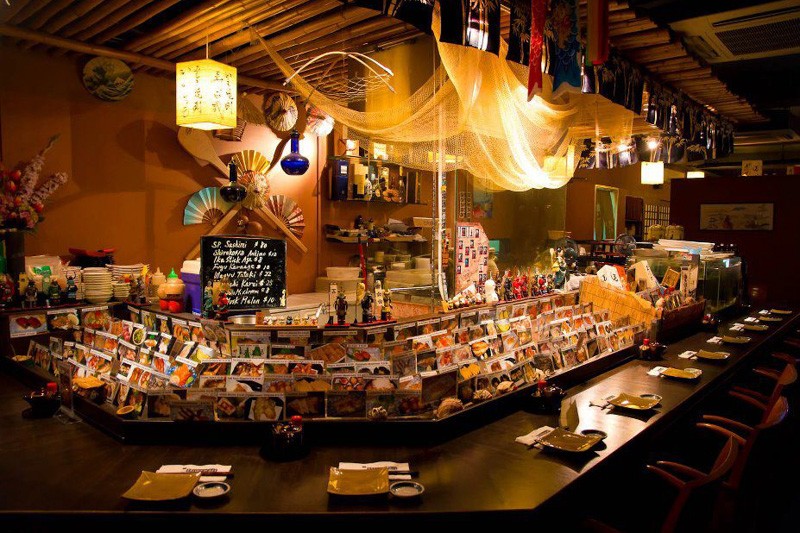
Sometimes consistency itself becomes the brand identity.
Questions Readers Often Ask
Is Tonkichi suitable for first-time Japanese food eaters?
Yes. The flavors are approachable, balanced, and not overly adventurous.
Which is better: Rosu or Hire Katsu?
It depends on preference:
- Rosu = richer and juicier
- Hire = leaner and softer
Is Tonkichi expensive?
It sits in the mid-to-premium casual dining range, but many customers feel the quality justifies the price.
FAQs
What is Tonkichi famous for?
Tonkichi is best known for authentic Japanese tonkatsu, especially crispy pork cutlet set meals served with rice, soup, and cabbage.
Does Tonkichi serve more than pork dishes?
Yes. The menu also includes seafood fry sets, curry dishes, side items, and various Japanese meal combinations.
Is Tonkichi good for families?
Yes. The comfortable atmosphere and familiar menu options make it popular among families and multi-generational groups.
What should first-time visitors order?
The Rosu Katsu Set is often recommended because it highlights the restaurant’s signature style and texture balance.
Does Tonkichi offer authentic Japanese flavors?
Most diners consider Tonkichi one of the more traditional Japanese tonkatsu dining experiences available in Singapore.
Conclusion
Tonkichi succeeds because it understands something many modern restaurants forget: people return for comfort, consistency, and trust.
The restaurant does not rely heavily on flashy presentation or internet trends. Instead, it focuses on what truly matters — properly cooked tonkatsu, balanced Japanese meals, dependable service, and a welcoming dining atmosphere.
That formula may sound simple, but executing it consistently for years is not easy.
Whether you are trying Japanese tonkatsu for the first time or revisiting an old favorite, Tonkichi continues to offer a dining experience that feels satisfying in a calm, genuine way.
And honestly, that kind of reliability becomes more valuable every year in today’s fast-changing food scene.