City living has changed dramatically over the last few years. Buyers no longer want just a condominium with a swimming pool and gym. They want convenience, lifestyle, connectivity, work-life balance, and long-term investment value packed into one address. That’s exactly why Midtown and Midtown Residences have become one of the most talked-about developments in Singapore’s property market.
But are these homes truly worth the attention?
Some buyers see Midtown Residences as a future-proof investment in a prime district. Others worry about pricing, competition, and whether integrated developments still hold strong value in today’s market.
If you are considering buying, investing, or simply understanding why Midtown continues to attract interest, this guide covers everything you need to know in practical, easy-to-understand language.
What Is Midtown and Midtown Residences?
GuocoLand developed Midtown as a large mixed-use district transformation project located around Beach Road in Singapore. The development combines residential homes, retail spaces, offices, public areas, lifestyle facilities, and direct MRT access into one connected environment.
Midtown Residences forms part of this broader Midtown vision. The idea behind the project is simple: create a place where people can live, work, dine, shop, and relax without constantly traveling across the city.
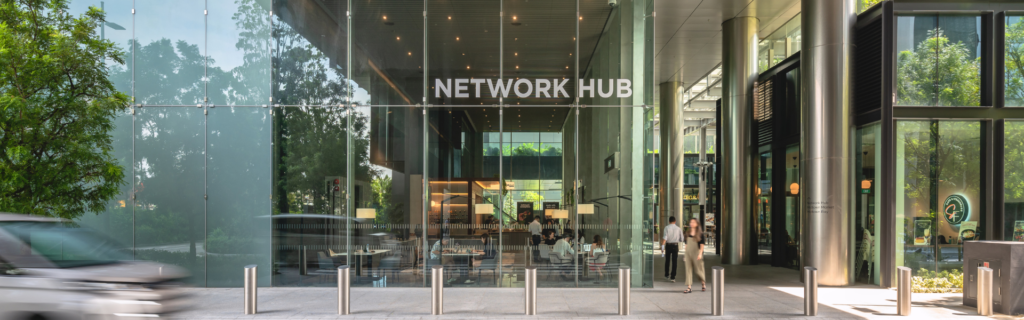
This concept appeals strongly to modern urban buyers because convenience has become one of the most valuable lifestyle features in real estate.
Unlike older standalone condominiums, Midtown developments focus heavily on integration. Residents can enjoy:
- Direct connectivity to transport
- Nearby office hubs
- Dining and entertainment
- Green spaces
- Community-centric design
- Premium residential facilities
That combination creates a lifestyle that many younger professionals and investors actively seek today.
Why Midtown Residences Attracts So Much Attention
Many properties launch with excitement and slowly fade from conversations. Midtown Residences has managed to maintain attention because it sits at the intersection of several high-demand factors.
Prime Central Location
Location remains one of the strongest drivers in real estate value. Midtown sits near Beach Road, Bugis, and the Central Business District.
Residents gain quick access to:
- Marina Bay
- Orchard Road
- Suntec City
- Bugis Junction
- Raffles Place
- Major business hubs
For professionals working in the city, daily commuting becomes significantly easier.
Strong MRT Connectivity
One of Midtown’s biggest selling points is its direct or near-direct MRT connectivity. Buyers in Singapore consistently place transport convenience near the top of their priorities.
When homes are connected to MRT stations, they usually benefit from:
| Benefit | Impact on Residents |
|---|---|
| Faster commuting | Less travel stress |
| Higher rental demand | Attractive to tenants |
| Better resale interest | Easier future selling |
| Reduced reliance on cars | Lower transportation costs |
| Lifestyle convenience | Easier city access |
This explains why integrated developments near MRT stations often command premium pricing.
Mixed-Use Lifestyle Appeal
Midtown is not just a residential tower. It is designed as a live-work-play destination.
Imagine finishing work, heading downstairs for dinner, meeting friends nearby, and walking home within minutes. That level of convenience has become increasingly attractive after shifts in urban lifestyle preferences.
Many buyers today prioritize time savings over larger living spaces.
The Lifestyle Experience at Midtown Residences
A condominium is more than square footage. The daily experience matters just as much.
Midtown Residences focuses heavily on lifestyle-driven design.
Modern Urban Living
The project caters largely to:
- Young professionals
- Couples
- Investors
- Expats
- City-focused families
The units are generally designed with efficient layouts rather than oversized traditional floor plans. Buyers looking for compact luxury often appreciate this approach.
Open-concept kitchens, smart layouts, and modern interiors help maximize functionality.
Facilities Designed for Convenience
Most premium integrated developments compete heavily on amenities, and Midtown Residences is no exception.
Residents commonly enjoy access to:
- Infinity pools
- Sky gardens
- Fitness centers
- Co-working lounges
- Function rooms
- Outdoor dining areas
- Wellness spaces
- Landscaped gardens
These facilities support both relaxation and productivity.
One interesting trend in newer developments is the inclusion of work-friendly spaces. Remote and hybrid work models have changed what buyers expect from residential environments.
Midtown Residences and Investment Potential
A major reason buyers consider Midtown Residences is investment potential.
Of course, no property investment comes with guaranteed returns. Still, certain characteristics historically support stronger long-term demand.
Central District Properties Often Hold Strong Appeal
Properties near central business and lifestyle districts generally maintain consistent demand because:
- Land supply is limited
- Accessibility remains valuable
- Rental demand stays active
- Business activity supports occupancy
Midtown benefits from these urban fundamentals.
Rental Market Opportunities
Expats and professionals frequently prefer city-fringe or central residences due to convenience.
Midtown’s positioning near commercial hubs makes it attractive to tenants who want:
- Short commutes
- Lifestyle access
- MRT connectivity
- Dining and entertainment nearby
This can support stable rental interest over time.
Integrated Developments Tend to Stay Competitive
Integrated developments often maintain strong visibility in the property market because they offer multiple lifestyle benefits in one location.
Buyers increasingly compare overall convenience rather than just unit size alone.
That shift benefits projects like Midtown Residences.
Midtown Residences vs Traditional Condominiums
Not every buyer prefers integrated developments. Some still favor quieter residential neighborhoods.
So how does Midtown compare?
Advantages of Midtown Residences
Convenience
Everything is nearby. Residents spend less time commuting and traveling.
Strong Urban Energy
People who enjoy city life usually appreciate Midtown’s surroundings.
Potential Rental Demand
Central locations generally attract tenant interest.
Lifestyle Integration
Dining, shopping, offices, and transport are interconnected.
Possible Drawbacks
Higher Entry Prices
Integrated developments often cost more per square foot.
Busier Environment
Some buyers prefer peaceful suburban surroundings.
Compact Units
City developments sometimes prioritize efficiency over large layouts.
The right choice depends on lifestyle priorities rather than marketing hype alone.
Who Should Consider Midtown Residences?
Different buyers have different goals. Midtown Residences may suit some groups more than others.
Young Professionals
Professionals working in the city often value convenience above all else.
Living close to work can:
- Reduce stress
- Save commuting time
- Improve work-life balance
- Increase flexibility
Investors
Investors looking for properties with strong tenant appeal may find Midtown attractive due to location and integration benefits.
Couples Seeking Urban Living
Couples who enjoy restaurants, nightlife, events, and cultural spaces may appreciate Midtown’s surroundings.
Frequent Travelers
Easy transport access helps people who regularly travel for business or leisure.
Real-Life Example: Why Location Still Matters
Consider two buyers.
Buyer A purchases a larger suburban condo far from the city. The price per square foot seems attractive initially.
Buyer B buys a smaller Midtown unit with MRT connectivity and integrated amenities.
Five years later, Buyer B notices stronger tenant demand because professionals prioritize convenience. Buyer A struggles with longer vacancy periods due to location disadvantages.
This example highlights an important reality in modern real estate: usability and convenience often influence demand more than sheer size.
The Growing Demand for Integrated Developments
Urban living trends continue evolving.
People increasingly want neighborhoods where they can:
- Walk to work
- Access transport easily
- Enjoy nearby entertainment
- Reduce commuting fatigue
- Stay connected socially
Integrated developments align closely with these changing preferences.
Why This Trend Continues Growing
Several lifestyle shifts support the popularity of projects like Midtown:
Hybrid Work Culture
People spend more time around their residential neighborhoods now.
Time Efficiency
Convenience saves time daily.
Rising Transport Expectations
Easy MRT access remains highly desirable in Singapore.
Lifestyle-Centric Living
Residents increasingly value experiences and convenience.
Midtown Residences and the Future of City Living
The future of urban real estate is becoming increasingly experience-driven.
Older developments focused mostly on housing supply. Newer projects focus on lifestyle ecosystems.
Midtown reflects this transition clearly.
Green Spaces Within Urban Areas
Modern buyers do not want concrete-heavy living alone. Developers now integrate landscaping, gardens, and open-air community areas to create balance.
Midtown incorporates greenery within a highly urban environment.
Smart City Integration
Many modern developments incorporate smart technology features such as:
- Digital security systems
- Smart access controls
- Energy-efficient systems
- App-connected facilities
These features support convenience and sustainability goals.
Common Questions Buyers Ask About Midtown Residences
Is Midtown Residences Suitable for Families?
Yes, though suitability depends on lifestyle preferences.
Families who prioritize city convenience, nearby schools, and transport may find Midtown appealing. However, those wanting quieter suburban environments or larger living spaces may prefer other districts.
Is It Mainly for Investors?
Not necessarily.
While investors are strongly interested in Midtown due to rental potential, many owner-occupiers also appreciate the lifestyle benefits.
Are Integrated Developments More Expensive?
Typically yes.
The convenience and infrastructure integration usually lead to higher pricing compared to standalone condominiums nearby.
Will Midtown Remain Attractive Long-Term?
No one can predict markets perfectly. However, centrally located integrated developments with strong transport access historically maintain healthy demand.
Midtown Modern vs Midtown Residences
People often compare Midtown projects because the branding can sound similar.
GuocoLand launched multiple Midtown-related developments, each targeting slightly different market segments.
Midtown Modern
Midtown Modern focuses heavily on luxury residential living with direct access to Bugis MRT and premium facilities.
Midtown Residences
Midtown Residences forms part of the broader integrated district concept emphasizing connectivity and mixed-use convenience.
The best option depends on:
- Budget
- Lifestyle preferences
- Investment goals
- Unit layout needs
- Long-term plans
Important Things Buyers Should Evaluate Before Purchasing
Excitement alone should never drive a property purchase.
Before buying Midtown Residences, consider these practical factors carefully.
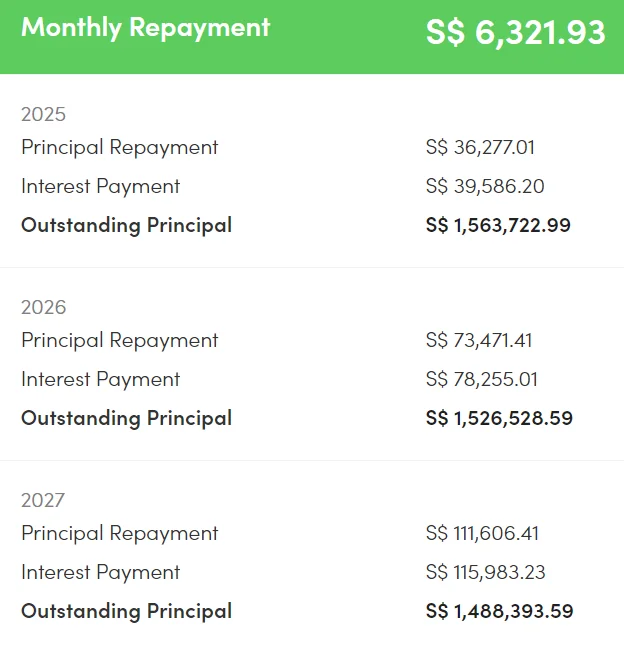
Budget and Financing
Integrated developments often come with premium pricing.
Buyers should calculate:
- Monthly mortgage costs
- Maintenance fees
- Property taxes
- Interest rate impact
- Long-term affordability
Intended Usage
Ask yourself:
- Will this be your primary home?
- Is this mainly an investment?
- How long do you plan to hold the property?
- What lifestyle matters most to you?
Clear answers help guide smarter decisions.
Future Market Conditions
Property markets change over time.
While central developments generally remain attractive, buyers should still consider:
- Interest rate environments
- Supply pipeline
- Government policies
- Rental market conditions
Practical Tips for First-Time Condo Buyers
Buying into a development like Midtown can feel overwhelming, especially for first-time buyers.
Here are several useful tips.
Visit at Different Times
A neighborhood can feel very different during:
- Morning rush hour
- Evening peak periods
- Weekends
- Late nights
Spend time understanding the surrounding environment.
Study Floor Plans Carefully
Smaller city units rely heavily on layout efficiency.
A smart 700-square-foot layout may feel more comfortable than a poorly designed 850-square-foot unit.
Compare Nearby Projects
Do not evaluate Midtown in isolation.
Compare:
- Price per square foot
- Connectivity
- Facilities
- Developer reputation
- Rental demand
- Future area growth
Think Beyond Marketing
Show flats are designed to impress emotionally.
Focus on practicality instead:
- Storage space
- Natural lighting
- Ventilation
- Noise exposure
- Daily usability
Why Midtown Continues to Appeal to Younger Buyers
Younger generations approach property differently than previous generations.
Many millennials and younger professionals prioritize:
- Accessibility
- Experiences
- Flexibility
- Social connectivity
- Convenience
Midtown aligns closely with these preferences.
Instead of driving long distances daily, residents can integrate work, dining, fitness, and entertainment into one urban environment.
That lifestyle appeal plays a major role in Midtown’s continued popularity.
The Emotional Side of City Living
Property decisions are not purely financial.
People often choose homes based on emotions, aspirations, and identity.
For some buyers, Midtown represents:
- Modern success
- Urban sophistication
- Lifestyle convenience
- Social connectivity
- Personal independence
These emotional factors influence purchasing decisions more than many people realize.
A buyer may technically afford a larger suburban unit but still choose Midtown because the lifestyle fits their personality better.
Are Midtown Properties Good for Long-Term Holding?
Long-term property value depends on multiple factors.
Still, developments with strong fundamentals generally remain more resilient during changing market conditions.
Midtown’s strengths include:
- Central positioning
- Transport connectivity
- Integrated design
- Lifestyle demand
- Developer reputation
These factors often support sustained market interest over time.
That said, buyers should always avoid stretching finances too aggressively, even for highly attractive developments.
The Changing Face of Singapore Real Estate
Singapore’s real estate landscape has evolved significantly.
Older developments emphasized separation between residential, office, and retail spaces.
Modern developments increasingly combine these elements into integrated ecosystems.
Singapore continues prioritizing efficient land use, connectivity, and urban sustainability. Midtown fits naturally into that broader planning direction.
This explains why integrated developments continue attracting attention from both local and international buyers.
Questions Every Buyer Should Ask Before Committing
Before signing any purchase agreement, ask yourself:
- Does this property fit my lifestyle?
- Am I buying emotionally or strategically?
- Can I comfortably manage long-term costs?
- Would I still want this property in 10 years?
- Does the location support future demand?
These questions help buyers avoid expensive mistakes.
Conclusion
Midtown and Midtown Residences represent more than another luxury condominium project. They reflect how modern city living is evolving.
Today’s buyers increasingly value convenience, connectivity, lifestyle integration, and efficient urban living. Midtown delivers many of these features in one highly connected environment.
For professionals, investors, couples, and city-focused residents, the appeal is understandable. Strong MRT access, central positioning, mixed-use integration, and lifestyle convenience create a compelling package.
Still, no property is perfect for everyone.
Some buyers may prefer quieter suburban communities, larger homes, or lower entry prices. The smartest decision always comes from matching the property to your personal goals, financial comfort, and lifestyle priorities.
If you are considering Midtown Residences, spend time evaluating both the emotional appeal and the practical realities. Visit the area, compare alternatives, study the numbers carefully, and think long term.
A well-informed property decision usually performs better than one driven purely by excitement.