A small fire can turn into a disaster within minutes. In many buildings, the difference between a controlled incident and a major loss often comes down to one thing — immediate access to firefighting equipment.
That’s where a fire hose reel becomes important.
You’ve probably seen one mounted on a wall in shopping malls, factories, schools, hospitals, or office buildings. Most people walk past it every day without thinking twice. But during an emergency, this simple piece of equipment can save lives, reduce property damage, and give occupants valuable time before firefighters arrive.
Still, many building owners install fire hose reels without fully understanding how they work, how they should be maintained, or what mistakes can make them ineffective during a crisis.
This guide covers everything you need to know about fire hose reels in a practical, reader-friendly way. Whether you manage a commercial building, work in industrial safety, or simply want to understand fire protection systems better, this article will help you make informed decisions.
What Is a Fire Hose Reel?
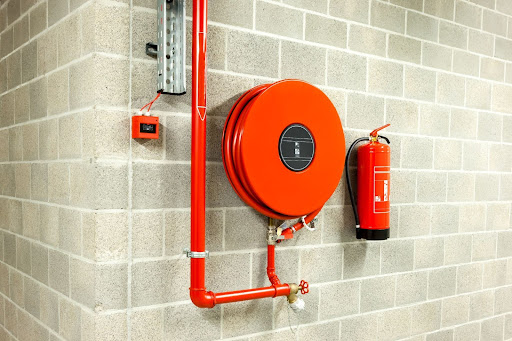
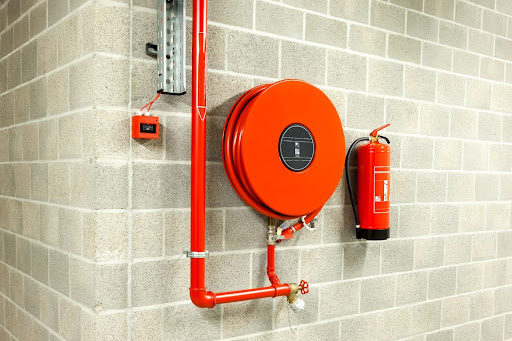
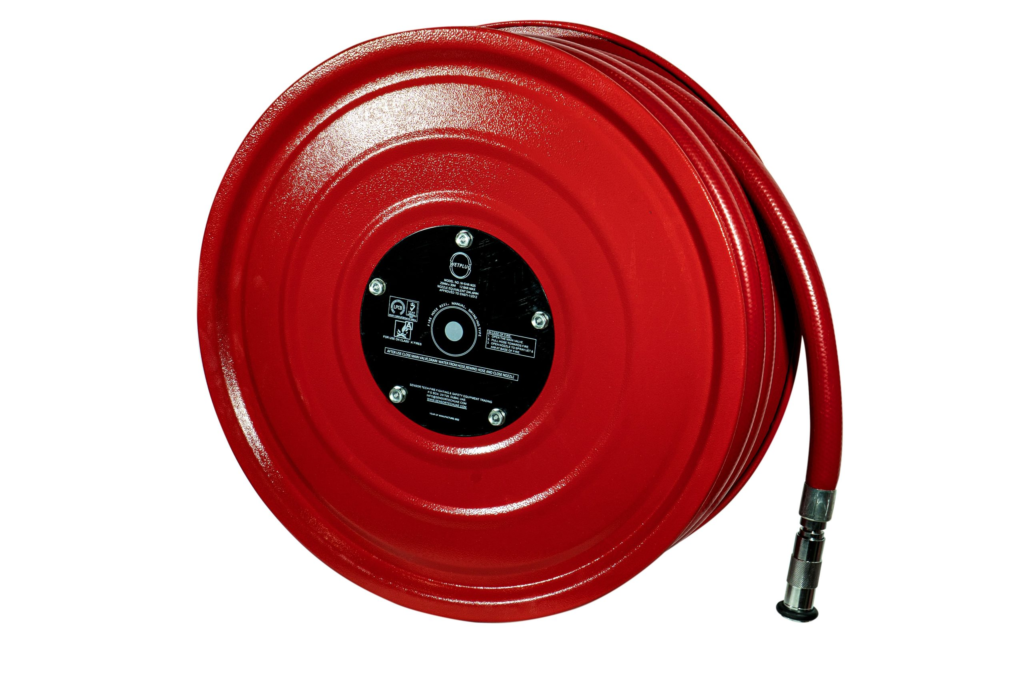
A fire hose reel is a manually operated firefighting device designed to deliver a continuous supply of water to combat small or early-stage fires.
It usually consists of:
- A long hose wound around a reel
- A nozzle for controlling water flow
- A shut-off valve
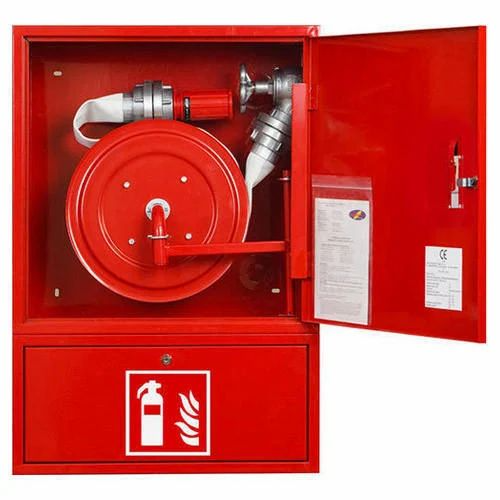
- A mounting cabinet or bracket
- A water supply connection
Unlike portable fire extinguishers that discharge for a limited time, a fire hose reel provides a constant stream of water as long as the water supply remains active.
These systems are commonly installed in:
- Commercial buildings
- Warehouses
- Factories
- Schools
- Hospitals
- Residential towers
- Shopping centers
- Airports
The primary purpose is simple: provide immediate firefighting capability before emergency responders arrive.
Why Fire Hose Reels Matter in Modern Fire Safety
Many people assume smoke detectors and sprinklers are enough. They are important, but active firefighting tools also play a major role.
A fire hose reel allows trained occupants to respond quickly to a developing fire. That quick response can:
- Prevent fire spread
- Reduce structural damage
- Improve evacuation safety
- Minimize downtime for businesses
- Lower long-term repair costs
Imagine a small electrical fire starting in a warehouse storage area. Waiting several minutes for firefighters could allow flames to spread rapidly through packaging materials. A nearby hose reel gives trained staff a chance to contain the fire early.
That immediate response often changes the outcome completely.
How a Fire Hose Reel Works
The operation of a fire hose reel is relatively straightforward, which makes it effective during stressful emergencies.
Basic Working Process
- Open the cabinet or access point
- Pull the hose toward the fire location
- Open the water valve
- Aim the nozzle at the base of the fire
- Control the water spray pattern
Most hose reels use a jet or spray nozzle combination. Users can switch between concentrated streams and wider spray patterns depending on the fire type.
The hose itself is typically semi-rigid, allowing water to flow even while partially wound on the reel.
Main Components of a Fire Hose Reel System
Understanding the components helps with proper maintenance and operation.
| Component | Function |
|---|---|
| Hose Reel Drum | Stores the hose neatly |
| Hose | Carries water to the fire |
| Nozzle | Controls water direction and spray |
| Shut-Off Valve | Starts or stops water flow |
| Mounting Cabinet | Protects the equipment |
| Water Supply Pipe | Delivers pressurized water |
| Reel Bracket | Supports rotation and movement |
Every part must function correctly during an emergency. Even a damaged nozzle can reduce firefighting efficiency.
Different Types of Fire Hose Reels
Not all fire hose reels are the same. Different buildings require different configurations.
Swing Type Fire Hose Reel
This design rotates on a pivot bracket, making it easier to pull the hose in multiple directions.
Best For:
- Large commercial spaces
- Warehouses
- Industrial buildings
Fixed Fire Hose Reel
A fixed reel stays in one position and is commonly used in smaller facilities.
Best For:
- Small offices
- Residential buildings
- Compact storage areas
Automatic Fire Hose Reel
This type activates water flow automatically when the hose is pulled.
Advantages:
- Faster emergency response
- Easier operation
- Reduced human error
Manual Fire Hose Reel
The user manually opens the valve to start water flow.
Advantages:
- Lower installation cost
- Simple maintenance
- Reliable operation
Wall-Mounted Fire Hose Reel
One of the most common options in public buildings.
Common Locations:
- Hallways
- Stairwells
- Parking structures
- Shopping centers
Recessed Fire Hose Reel Cabinet
Installed inside the wall for a cleaner appearance.
Often Used In:
- Hotels
- Hospitals
- Corporate offices
Fire Hose Reel vs Fire Extinguisher
People often confuse these two firefighting tools, but they serve different purposes.
| Feature | Fire Hose Reel | Fire Extinguisher |
|---|---|---|
| Water Supply | Continuous | Limited |
| Usage Duration | Long-term | Short-term |
| Best For | Larger fires | Small fires |
| Training Needed | Moderate | Basic |
| Refilling | Not required after use | Required after discharge |
| Coverage Area | Larger | Smaller |
In many buildings, both systems work together as part of a complete fire protection strategy.
Where Fire Hose Reels Should Be Installed
Proper placement is critical.
A poorly positioned hose reel may become useless during an emergency.
Recommended Installation Areas
- Near exits
- Along escape routes
- Inside high-risk zones
- Near storage rooms
- Close to electrical control rooms
- Factory production areas
Key Installation Considerations
- Easy visibility
- Unobstructed access
- Adequate water pressure
- Proper signage
- Sufficient hose reach
A common industry guideline is ensuring the hose can reach every part of the protected area.
Industries That Depend on Fire Hose Reels
Some environments face higher fire risks than others.
Manufacturing Facilities
Factories often contain:
- Machinery
- Flammable liquids
- Electrical systems
- Packaging materials
Quick fire response is essential.
Warehouses
Storage facilities may contain combustible inventory stacked close together. Fires can spread rapidly without immediate suppression.
Hospitals
Hospitals require reliable fire protection because patient evacuation can be slow and complex.
Schools and Universities
Educational institutions prioritize occupant safety and emergency preparedness.
Shopping Malls
Large public spaces require accessible firefighting equipment for both staff and emergency teams.
Residential Towers
High-rise buildings often install hose reels on every floor near stairwells.
Common Causes of Fire Hose Reel Failure
Installing a fire hose reel is only the first step.
Unfortunately, many systems fail when needed most because of poor maintenance or incorrect usage.
Lack of Maintenance
This is the biggest issue.
Without routine inspection:
- Valves may seize
- Hoses can crack
- Nozzles may clog
- Water pressure may drop
Blocked Access
Sometimes storage boxes, furniture, or equipment block access to hose reels.
During an emergency, even a few seconds matter.
Low Water Pressure
A hose reel without adequate pressure becomes ineffective.
Pressure testing is essential.
Poor Staff Training
Many employees have never used a hose reel before.
In emergencies, panic and confusion can reduce response effectiveness.
Corrosion and Aging
Older systems may develop rust, leaks, or weakened hose materials.
Regular replacement schedules are important.
Fire Hose Reel Maintenance Checklist
Routine maintenance significantly improves reliability.
Here’s a practical maintenance checklist:
Weekly Checks
- Ensure visibility
- Confirm access is clear
- Inspect cabinet condition
Monthly Checks
- Examine hose condition
- Check nozzle operation
- Test reel rotation
Quarterly Checks
- Inspect valves
- Verify water pressure
- Check for leaks
Annual Maintenance
- Full operational testing
- Pressure testing
- Professional inspection
- Compliance verification
Building owners should always maintain maintenance records for safety audits and legal compliance.
Real-Life Example: How Early Response Prevented Major Damage
A medium-sized textile warehouse experienced a small electrical spark near stored fabric rolls during overnight operations.
One employee noticed smoke before flames spread extensively.
Instead of waiting for emergency services, trained staff immediately used the nearby fire hose reel system. Within minutes, they controlled the fire enough to prevent large-scale damage.
The result?
- Minimal inventory loss
- No injuries
- Reduced insurance complications
- Operations resumed quickly
Without that early response, the fire could have spread through highly combustible materials within minutes.
This example highlights why functional firefighting systems matter.
Important Fire Hose Reel Safety Tips
Using a hose reel improperly can create additional hazards.
Never Use on Certain Fire Types
Water-based hose reels should not be used on:
- Oil fires
- Gas fires
- Live electrical fires unless specifically rated
Always identify the fire type first.
Maintain Safe Distance
Standing too close to flames increases injury risk.
Aim water from a safe position whenever possible.
Keep Escape Routes Clear
Never allow the fire to block your exit path while using the hose reel.
Use Protective Equipment
If available, wear:
- Gloves
- Helmets
- Eye protection
- Fire-resistant clothing
Stop if the Fire Grows Rapidly
Not every fire should be fought manually.
If flames spread quickly or smoke becomes overwhelming, evacuate immediately and call emergency services.
Signs Your Fire Hose Reel Needs Replacement
Even well-maintained systems eventually wear out.
Warning Signs Include:
- Cracked hose material
- Water leakage
- Corroded metal parts
- Reduced pressure
- Difficult reel movement
- Damaged nozzles
- Expired compliance certifications
Ignoring these issues can create serious liability risks.
Fire Hose Reel Standards and Compliance
Fire protection systems are usually regulated by national and international safety standards.
Depending on your region, compliance may involve:
- Installation guidelines
- Water pressure requirements
- Hose length standards
- Inspection intervals
- Fire safety certifications
Building owners should work with certified fire protection professionals to ensure compliance with local regulations.
How to Choose the Right Fire Hose Reel
Not every building needs the same system.
Several factors influence the best choice.
Building Size
Large facilities may require:
- Longer hoses
- Multiple reel stations
- Higher water flow capacity
Fire Risk Level
Industrial environments typically require more robust systems than office spaces.
Water Supply Capacity
Insufficient water supply limits system effectiveness.
Ease of Use
Simple operation improves emergency response time.
Indoor vs Outdoor Use
Outdoor systems need weather-resistant materials and protective enclosures.
Compliance Requirements
Always confirm the selected system meets local fire safety codes.
Smart Technology in Modern Fire Hose Reel Systems
Fire safety technology continues evolving.
Modern systems may include:
- Pressure monitoring sensors
- Automatic alerts
- Integrated alarm systems
- Digital maintenance tracking
- Remote monitoring
These features improve reliability and simplify inspection management.
For large facilities, digital monitoring can identify problems before emergencies occur.
Environmental Considerations
Water usage is becoming an increasingly important concern.
Some facilities now use systems designed to reduce unnecessary water waste while maintaining firefighting performance.
Proper maintenance also prevents leaks and water loss over time.
Questions Many Building Owners Ask
How often should a fire hose reel be tested?
Most systems require routine visual inspections monthly and professional testing annually. Local regulations may vary.
Can untrained people use a fire hose reel?
Basic operation is simple, but training improves safety and effectiveness during emergencies.
What hose length is most common?
Many commercial systems use hoses between 20 and 36 meters depending on building size and regulations.
Practical Tips for Better Fire Safety Management
Installing equipment alone is not enough.
Here are a few practical ways to improve overall fire preparedness:
Conduct Fire Drills
Practice reduces panic during emergencies.
Train Staff Regularly
Hands-on hose reel training improves response confidence.
Keep Equipment Accessible
Never block cabinets or emergency pathways.
Schedule Professional Inspections
Certified technicians can identify hidden issues early.
Combine Multiple Safety Systems
The best fire protection strategies include:
- Smoke detectors
- Fire alarms
- Sprinklers
- Extinguishers
- Fire hose reels
A layered safety approach provides stronger protection.
The Hidden Cost of Neglecting Fire Hose Reel Maintenance
Many organizations delay maintenance to save money.
Ironically, this often creates larger financial risks.
A failed firefighting system during an emergency can lead to:
- Property damage
- Business interruption
- Insurance disputes
- Regulatory penalties
- Legal liability
- Reputation damage
Preventive maintenance costs far less than post-fire recovery.
Why Employee Awareness Matters
You can install the best firefighting equipment in the world, but if employees do not know where it is or how to use it, response time suffers.
Simple awareness programs help by teaching staff:
- Equipment locations
- Emergency procedures
- Basic firefighting techniques
- Evacuation routes
Even short training sessions can improve readiness significantly.
Fire Hose Reel Myths That Cause Problems
Some misconceptions continue to create safety risks.
“Fire Extinguishers Are Enough”
Extinguishers are valuable, but they have limited discharge time and coverage.
Hose reels provide sustained water flow.
“Maintenance Can Wait”
A system that looks fine externally may still fail internally.
Routine testing matters.
“Anyone Automatically Knows How to Use It”
During emergencies, stress affects decision-making.
Training remains important.
“One Hose Reel Covers Everything”
Larger facilities often need multiple reel stations for complete coverage.
Conclusion
A fire hose reel may seem like a simple safety device, but its role during emergencies is incredibly important. When installed correctly, maintained regularly, and supported with proper training, it becomes a powerful first-response tool that can reduce damage, protect lives, and improve overall fire safety.
Too often, organizations focus only on installation while ignoring maintenance, accessibility, and employee awareness. That approach creates dangerous gaps that may only become visible during an actual emergency.
The smartest strategy is proactive preparation.
Inspect your systems regularly. Train your staff. Review your building’s fire risks. And make sure your firefighting equipment is always ready when needed.
Because when a fire starts, preparation matters far more than reaction.