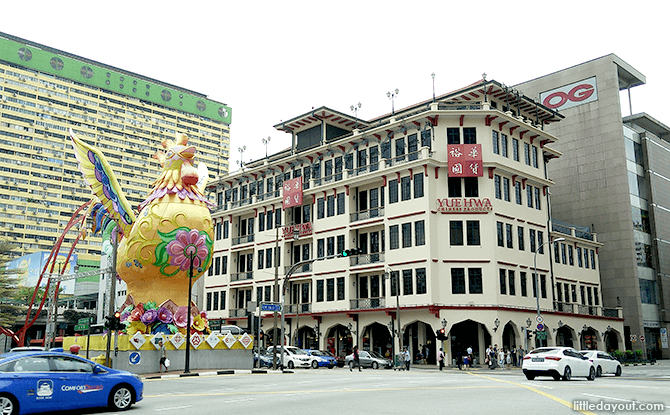
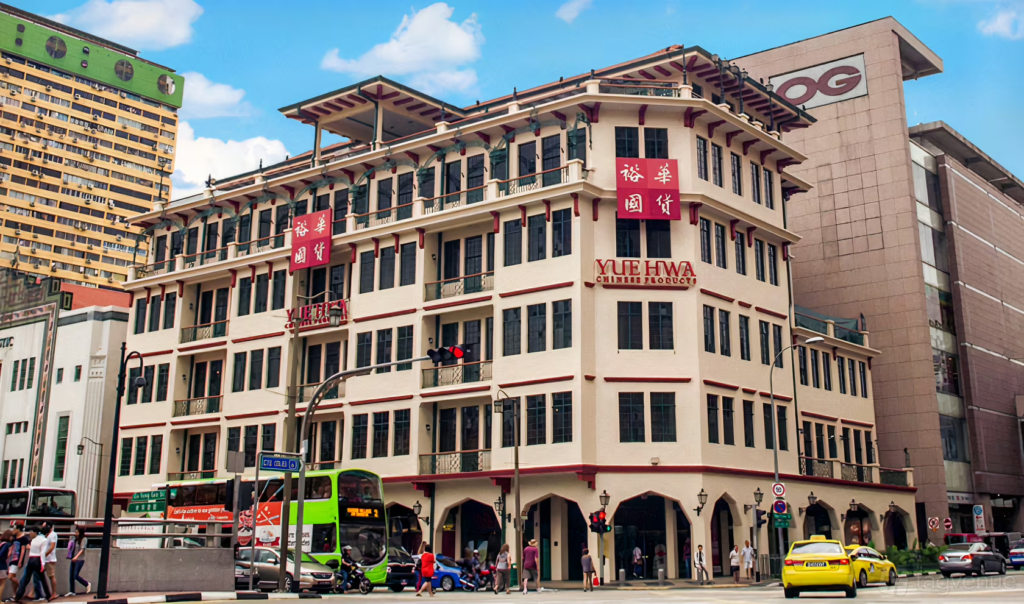
Walk through Singapore’s Chinatown, and you’ll notice something interesting. Amid trendy cafés, souvenir stalls, and modern malls, one building still carries an old-world charm that instantly slows people down. That place is yue hwa chinatown Building, home to the iconic yue hwa chinatown Chinese Products.
At first glance, it may look like just another department store. But spend ten minutes inside, and you realize it’s far more than a shopping spot. It’s part heritage center, part lifestyle store, and part cultural experience. Travelers looking for authentic Chinese products often end up staying much longer than planned.
So why do visitors keep talking about Yue Hwa Chinatown? And why do some tourists leave feeling slightly overwhelmed?
This guide covers everything you need to know before visiting, from what to buy and what to skip to practical tips that make the experience smoother and more enjoyable.
What Is Yue Hwa Chinatown?
Yue Hwa Chinese Products is one of Singapore’s best-known Chinese department stores, located in the heart of Chinatown. The store specializes in traditional Chinese goods, including herbal medicine, tea, silk clothing, jade jewelry, household products, and cultural gifts.
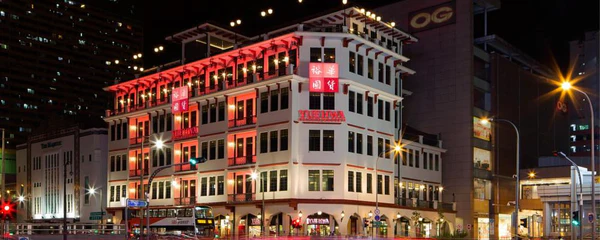
The building itself has historical significance. Before becoming yue hwa chinatown, it operated as the famous Great Southern Hotel, one of Singapore’s early luxury hotels during the colonial period. Today, the restored architecture gives the place a distinct personality compared to modern shopping malls.
Many visitors describe yue hwa chinatown as a mix between a museum and a marketplace. One floor may feature premium Chinese herbs while another displays calligraphy tools, embroidery, or tea sets.
For travelers wanting more than generic tourist souvenirs, that balance makes the experience memorable.
Why Yue Hwa Stands Out in Chinatown Singapore
Singapore has no shortage of shopping centers. Yet yue hwa chinatown continues attracting both locals and tourists year after year.
Why?
Because it offers something many commercial malls cannot: cultural continuity.
Instead of chasing trends, Yue Hwa focuses on preserving traditional Chinese products and practices. The store appeals to:
- Travelers seeking authentic cultural experiences
- Locals buying traditional remedies
- Tea enthusiasts
- Gift shoppers
- Heritage lovers
- Older generations familiar with Chinese medicinal traditions
There’s also an emotional side to it. Many Singaporeans grew up visiting yue hwa chinatown with parents or grandparents. That nostalgia adds warmth to the experience.
The Best Things to Buy at Yue Hwa Chinatown
Walking through yue hwa chinatown without a plan can become overwhelming quickly. The store carries hundreds of products across multiple floors.
Here are the categories most visitors find worthwhile.
Chinese Tea Selection
Tea lovers often spend the most time here.
Yue Hwa stocks a wide range of Chinese teas, including:
- Pu-erh tea
- Oolong tea
- Jasmine tea
- Green tea
- Chrysanthemum tea
- Herbal tea blends
Some products are affordable daily teas while others are premium aged selections packed in decorative containers.
If you’re new to Chinese tea culture, staff members usually explain brewing methods and flavor profiles.
A practical tip: avoid buying tea solely based on packaging. Some beautifully packed gift sets contain average-quality tea at inflated prices.
Instead, ask for:
- Origin information
- Harvest details
- Brewing recommendations
- Best-selling local favorites
That simple conversation often leads to better purchases.
Traditional Chinese Medicine and Herbs
One of the strongest attractions inside yue hwa chinatown is its Traditional Chinese Medicine section.
You’ll see shelves filled with:
- Dried herbs
- Ginseng
- Bird’s nest
- Herbal soups
- Medicinal roots
- Wellness tonics
For first-time visitors, the section can feel fascinating and intimidating at the same time.
Locals frequently visit specifically for wellness products rooted in Traditional Chinese Medicine practices.
However, tourists should avoid randomly purchasing medicinal items without understanding their purpose. Some herbs interact with medications or may not suit certain health conditions.
A better approach is:
- Ask staff about intended uses
- Buy small quantities first
- Focus on beginner-friendly wellness teas or soup packs
Many travelers enjoy taking home herbal soup packets because they combine cultural value with practical use.
Silk Clothing and Traditional Fashion
Another popular section includes traditional Chinese clothing.
You’ll find:
- Silk robes
- Cheongsams
- Embroidered jackets
- Slippers
- Scarves
Prices vary significantly depending on craftsmanship and fabric quality.
A common mistake tourists make is assuming all silk products are premium silk. Some items contain synthetic blends.
Check labels carefully if material quality matters to you.
Travelers often buy:
- Silk pajamas
- Lightweight scarves
- Chinese-style jackets
- Cultural gifts
These products work especially well as souvenirs because they feel distinctly tied to Chinese heritage.
Jade Jewelry and Accessories
Jade remains deeply connected to Chinese culture, symbolizing luck, harmony, and protection.
Yue Hwa Chinatown carries:
- Jade bracelets
- Pendants
- Rings
- Decorative carvings
This section attracts many tourists, but it’s important to shop carefully.
Real jade quality varies dramatically. Some pieces are highly valuable while others are decorative-grade items.
If you’re serious about buying jade:
- Ask about certification
- Compare colors and transparency
- Avoid impulse buying
For casual shoppers, smaller jade accessories make meaningful keepsakes without major expense.
Household and Cultural Products
One of the most underrated areas inside yue hwa chinatown is the home goods section.
You can find:
- Ceramic bowls
- Tea sets
- Bamboo products
- Chinese cooking tools
- Calligraphy brushes
- Decorative lanterns
These items appeal to travelers wanting practical souvenirs instead of mass-produced magnets or keychains.
A visitor from Australia once shared that the tea set she bought at yue hwa chinatown became her favorite dinner-party conversation piece because every guest asked where it came from.
That’s the appeal of meaningful cultural shopping.
A Quick Look at Yue Hwa Product Categories
| Product Category | Popular Items | Best For |
|---|---|---|
| Chinese Tea | Oolong, Pu-erh, Jasmine | Tea lovers |
| Herbal Medicine | Ginseng, soup herbs | Wellness shoppers |
| Silk Clothing | Scarves, robes | Gifts and fashion |
| Jade Jewelry | Pendants, bracelets | Cultural keepsakes |
| Home Goods | Tea sets, ceramics | Practical souvenirs |
| Cultural Crafts | Calligraphy tools | Art enthusiasts |
What the Shopping Experience Feels Like
Unlike luxury malls with loud music and polished branding, Yue Hwa feels calmer and slower.
That atmosphere matters.
Many visitors describe the experience as:
- Relaxing
- Nostalgic
- Educational
- Slightly chaotic in a charming way
The store layout isn’t always modern or highly polished, but that’s part of its personality.
You’ll often see:
- Elderly locals shopping for herbs
- Tourists photographing displays
- Families browsing tea products
- Staff explaining traditional remedies
That mix creates a more authentic Chinatown experience compared to heavily commercialized tourist shops.
Common Mistakes Visitors Make at Yue Hwa Chinatown
A surprising number of travelers leave yue hwa chinatown feeling they either overspent or missed the best parts.
Here are the most common mistakes and how to avoid them.
Visiting Without Enough Time
Many tourists treat yue hwa chinatown like a quick souvenir stop.
Big mistake.
The store has multiple floors with highly varied product sections. Rushing through means missing hidden gems.
Set aside at least:
- 1 hour for casual browsing
- 2 hours if you enjoy tea, herbs, or cultural shopping
Buying Without Asking Questions
Some visitors hesitate to interact with staff.
But asking questions improves the experience significantly.
For example:
- Tea staff may offer brewing advice
- Herb specialists explain product uses
- Clothing staff clarify fabric quality
Simple conversations often lead to smarter purchases.
Assuming Everything Is Cheap
Because it’s located in Chinatown, some travelers expect bargain pricing.
Reality is more mixed.
Yue Hwa Chinatown sells:
- Affordable souvenirs
- Mid-range cultural goods
- Premium heritage products
High-grade tea, jade, or medicinal ingredients can become expensive quickly.
Always compare products before purchasing.
Ignoring the Upper Floors
Many tourists only browse the ground level.
That’s unfortunate because some of the most interesting items are upstairs.
Upper levels often contain:
- Traditional clothing
- Household products
- Wellness items
- Seasonal displays
Take the elevator and explore slowly.
Best Time to Visit Yue Hwa Chinatown
Timing changes the experience dramatically.
Weekdays
Weekdays are ideal for:
- Relaxed browsing
- Speaking with staff
- Avoiding crowds
Morning hours feel especially peaceful.
Weekends
Weekends bring:
- More tourists
- Local family shoppers
- Busier aisles
The atmosphere becomes livelier but less relaxed.
Chinese New Year Season
This is arguably the most visually exciting period.
The surrounding Chinatown area transforms with:
- Red lanterns
- Festive decorations
- Seasonal snacks
- Gift products
However, crowds become intense.
If you enjoy energetic holiday atmospheres, it’s worth experiencing once.
Nearby Attractions Worth Visiting
One major advantage of yue hwa chinatown is its location in Chinatown.
You can easily combine your visit with nearby cultural spots.
Popular nearby places include:
- Buddha Tooth Relic Temple
- Chinatown Heritage Centre
- Sri Mariamman Temple
- Maxwell Food Centre
That combination creates a full cultural day rather than just a shopping trip.
A smart itinerary might look like this:
- Morning tea browsing at yue hwa chinatown
- Lunch at Maxwell Food Centre
- Afternoon temple visits
- Evening Chinatown street walk
It creates a much richer Singapore experience.
Food Stops Near Yue Hwa Chinatown
After walking through multiple floors of shopping, most visitors get hungry quickly.
Fortunately, Chinatown has excellent food options nearby.
Popular choices include:
- Hainanese chicken rice
- Dim sum
- Herbal soups
- Satay
- Traditional desserts
Many travelers pair Yue Hwa shopping with a hawker center food adventure.
That contrast between heritage shopping and local food culture works beautifully.
Is Yue Hwa Chinatown Good for Tourists?
Absolutely, but it depends on your travel style.
Yue Hwa is ideal for travelers who:
- Enjoy cultural experiences
- Prefer meaningful souvenirs
- Like browsing slowly
- Appreciate traditional products
It may feel less exciting for travelers focused only on luxury shopping or trendy fashion.
The charm comes from authenticity rather than modern glamour.
Is Yue Hwa Expensive?
This question comes up frequently.
The answer depends entirely on what you buy.
Here’s a realistic breakdown:
Budget-Friendly Options
- Tea cups
- Small souvenirs
- Herbal tea packs
- Snacks
Mid-Range Purchases
- Silk scarves
- Tea sets
- Clothing
Premium Purchases
- High-quality jade
- Premium tea
- Bird’s nest products
- Ginseng
You can easily enjoy Yue Hwa on a modest budget if you shop thoughtfully.
Real Visitor Experiences That Reflect the Store’s Appeal
A traveler from Canada once entered Yue Hwa planning to buy a simple tea souvenir.
Two hours later, she left with:
- Jasmine tea
- A bamboo tea tray
- Herbal soup packs
- A silk scarf for her mother
Why?
Because the experience felt personal rather than transactional.
Another visitor described Yue Hwa as “one of the few places in Singapore where shopping still feels tied to culture instead of trends.”
That sentiment appears repeatedly in travel discussions.
Helpful Tips Before You Visit
These practical tips can improve your experience immediately.
Bring Comfortable Shoes
The store has multiple floors and Chinatown itself involves lots of walking.
Carry a Reusable Bag
If you buy tea, ceramics, or herbal products, carrying them becomes easier.
Visit Hungry, But Not Too Hungry
You’ll likely want to explore nearby food spots afterward.
Keep an Open Mind
Some products may feel unfamiliar at first.
That curiosity is part of the experience.
Compare Before Buying Premium Products
Especially with:
- Jade
- Herbal supplements
- Expensive tea
Take your time.
Why Yue Hwa Still Matters in Modern Singapore
Singapore evolves quickly.
New malls, luxury brands, and digital experiences constantly reshape the city.
Yet Yue Hwa remains relevant because it preserves cultural continuity.
It reminds visitors that Chinatown isn’t only about tourism. It’s also about heritage, migration stories, family traditions, and everyday cultural practices that still matter today.
That balance between old and new gives the store emotional depth.
For younger travelers especially, Yue Hwa offers something increasingly rare: a slower, more grounded shopping experience.
The Role of Yue Hwa in Chinatown’s Identity
Without places like Yue Hwa, many Chinatowns risk becoming purely decorative tourist zones.
Yue Hwa contributes something deeper:
- Cultural preservation
- Traditional knowledge
- Community connection
- Educational value
Even visitors who buy nothing often leave feeling they learned something about Chinese culture.
That educational aspect quietly shapes the store’s reputation.
How Yue Hwa Compares to Modern Shopping Malls
Here’s where the contrast becomes interesting.
Modern malls focus heavily on:
- Fast consumption
- Global brands
- Trend cycles
- Entertainment
Yue Hwa focuses on:
- Tradition
- Craftsmanship
- Heritage products
- Cultural relevance
Neither approach is inherently better.
But they create completely different emotional experiences.
Some travelers spend an afternoon in Orchard Road malls and forget most stores afterward. Yet they remember Yue Hwa months later because the visit felt distinctive.
That says a lot.
Questions Travelers Often Ask Before Visiting
Is Yue Hwa worth visiting if I’m not interested in shopping?
Yes. Many visitors enjoy simply browsing the cultural displays, tea sections, and traditional products.
Can I buy authentic Chinese tea there?
Yes. Tea is one of Yue Hwa’s strongest categories, with both affordable and premium selections available.
Is English spoken inside the store?
Generally yes. Staff members usually communicate comfortably in English, especially in tourist-facing sections.
How much time should I spend there?
Most visitors spend between one and two hours depending on shopping interest.
Is Yue Hwa family-friendly?
Yes. Families often visit together, especially during weekends and festive seasons.
Conclusion
Yue Hwa Chinese Products is more than a department store in Chinatown. It represents a slower, more meaningful side of Singapore that many travelers don’t expect to find in such a modern city.
The tea aromas, traditional remedies, silk fabrics, and heritage atmosphere create an experience that feels personal rather than commercial. Some visitors arrive looking for souvenirs and leave with a stronger connection to Chinese culture itself.
If you plan to visit Chinatown Singapore, don’t rush through Yue Hwa in fifteen minutes. Take your time. Ask questions. Browse the upper floors. Try the tea samples. Notice the older locals shopping beside curious tourists.
That’s where the real value of the experience begins.