Putu piring is a beloved traditional dessert enjoyed across Malaysia, Singapore, and parts of Indonesia. This putu piring guide will help you understand its cultural roots, ingredients, preparation methods, and modern variations.
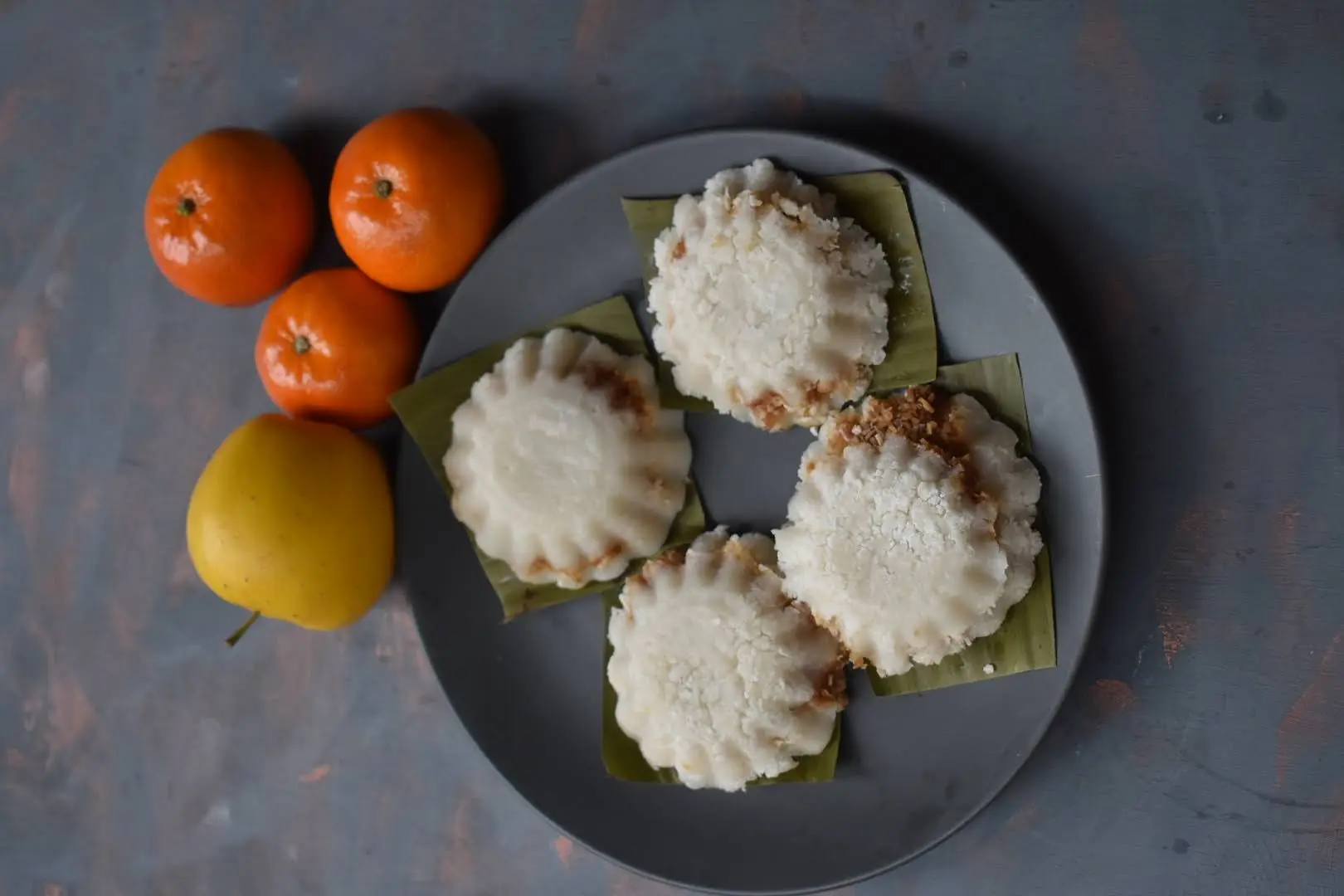
Made from rice flour filled with melted palm sugar and steamed in small molds, putu piring offers a soft, fluffy texture with a sweet centre. It is usually served with grated coconut, making it a perfect balance of sweetness and richness.
In this complete guide, you will learn everything about putu piring—from its history and cultural importance to step-by-step preparation methods. Whether you are a food lover or exploring traditional desserts, this article will give you deep insights into this iconic treat.
What is Putu Piring and Why It is Popular
Putu piring is a traditional steamed rice cake that has been enjoyed for generations. The name comes from Malay words meaning “plate-shaped cake,” referring to its round flat form.
This putu piring guide shows why it remains popular today:
- Simple ingredients
- Unique melting palm sugar center
- Soft and fluffy texture
- Nostalgic street food experience
In Southeast Asia, it is commonly sold by street vendors using steaming metal molds. The aroma of freshly steamed rice flour mixed with palm sugar often attracts people from far away.
Moreover, putu piring is more than just food—it represents cultural heritage and traditional cooking methods passed through generations. Many families still enjoy it as a tea-time snack or festive dessert.
Today, modern variations of putu piring include pandan flavoring, chocolate filling, and even cheese fusion styles. However, the traditional version remains the most loved.
History and Cultural Origin of Putu Piring
The history of putu piring dates back centuries in the Malay Archipelago. It is believed to have originated from early Southeast Asian trading communities where rice-based desserts were common.
This putu piring guide highlights its cultural journey:
- Influenced by Malay traditional cuisine
- Popularized through street vendors
- Spread across Singapore and Indonesia
Historically, putu piring was prepared using bamboo steamers and handmade molds. Families often gathered around during preparation, making it a social activity.
In Singapore, putu piring became a famous hawker food. Vendors like those at Geylang Serai are especially known for keeping the tradition alive.
Moreover, the dessert reflects simplicity and resourcefulness in traditional cooking. It uses minimal ingredients but delivers rich flavor and texture.
Even today, putu piring is considered a cultural symbol representing heritage, community bonding, and culinary tradition.
Ingredients Used in Putu Piring Recipe
The ingredients used in putu piring are simple yet essential for achieving its signature taste.
Key ingredients include:
- Rice flour (main base)
- Grated coconut (fresh topping)
- Palm sugar (gula melaka filling)
- Salt (for balance)
- Pandan leaves (optional aroma)
In this putu piring guide, ingredient quality plays an important role. Fresh coconut enhances texture, while high-quality palm sugar provides deep caramel flavor.
Some modern recipes include additional flavors such as:
- Pandan extract
- Brown sugar mix
- Chocolate filling
However, traditional putu piring relies on natural ingredients only.
The balance between soft rice flour and molten palm sugar is what makes it unique. When steamed, the sugar melts inside, creating a burst of sweetness in every bite.
Step-by-Step Putu Piring Preparation Method
Making putu piring at home is simple if done correctly.
Step 1 – Prepare the Rice Flour Mixture
Mix rice flour with a small amount of water until it becomes slightly moist and crumbly.
Step 2 – Prepare the Filling
Cut palm sugar into small chunks for easy melting.
Step 3 – Fill the Molds
Place rice flour mixture into molds, add palm sugar in the center, and cover with more flour.
Step 4 – Steam Cooking
Steam for 5–10 minutes until fully cooked and soft.
Step 5 – Add Coconut Topping
Sprinkle fresh grated coconut mixed with a pinch of salt.
This putu piring guide ensures that texture remains soft while the filling melts perfectly.
The steaming process is crucial because overheating can make the cake dry. Proper timing ensures softness and flavor balance.
Variations and Modern Twists of Putu Piring
Modern food culture has introduced several exciting variations of putu piring.
Popular variations include:
- Pandan putu piring (green colored aroma version)
- Chocolate-filled putu piring
- Cheese fusion putu piring
- Brown sugar replacement versions
This putu piring guide shows how innovation has expanded its appeal among younger generations.
Street vendors and cafes now experiment with fillings and presentation styles. However, traditionalists still prefer the original palm sugar version.
Moreover, fusion versions help introduce putu piring to international audiences, making it more globally recognized.
Despite changes, the core identity remains the same—steamed rice cake with sweet filling and coconut topping.
Serving Style, Storage, and Consumption Tips
Putu piring is best enjoyed fresh and warm.
Serving tips include:
- Serve immediately after steaming
- Pair with hot tea or coffee
- Eat while filling is still molten
Storage tips:
- Consume within a few hours for best taste
- Refrigeration may affect texture
- Re-steaming can restore softness
In this putu piring guide, freshness is key. The dessert loses its soft texture if stored too long.
In many cultures, it is served during breakfast or evening snacks. It is also popular during festivals and family gatherings.
Proper serving enhances flavor and maintains authenticity.
Where to Find Authentic Putu Piring
Putu piring is widely available in Malaysia, Singapore, and Indonesia.
Famous places include:
- Street food markets
- Hawker centers
- Night bazaars
This putu piring guide recommends trying freshly made versions from traditional vendors for the best experience.
In Singapore, Geylang Serai Market is especially known for authentic putu piring stalls. In Malaysia, local night markets offer freshly steamed varieties.
Buying freshly made putu piring ensures better texture and flavor compared to packaged versions.
1. What is putu piring made of?
Putu piring is made from rice flour, palm sugar, and grated coconut.
2. Is putu piring healthy?
It is moderately healthy when consumed in small portions as it uses natural ingredients.
3. What makes putu piring unique?
Its molten palm sugar center and soft steamed texture make it unique.
4. Can I store putu piring overnight?
It is best consumed fresh, as storage affects texture.
5. Where did putu piring originate?
It originated from the Malay Archipelago and is popular in Southeast Asia.
Conclusion
Putu piring is more than just a traditional dessert—it is a cultural symbol deeply rooted in Southeast Asian heritage. This complete putu piring guide has explored its history, ingredients, preparation methods, variations, and serving styles.
From street vendors to modern cafes, putu piring continues to evolve while maintaining its authentic identity. The combination of soft rice flour, melted palm sugar, and grated coconut makes it a timeless favorite among dessert lovers.
Understanding putu piring also gives insight into traditional Malay culinary practices and community culture. It reflects simplicity, creativity, and cultural richness in every bite.
Whether you are trying it for the first time or recreating it at home, this guide helps you appreciate its true value.
Start exploring or making putu piring today to experience one of Southeast Asia’s most iconic traditional desserts.