Few neighborhoods in Singapore have a food identity as rich and layered as Joo Chiat. Walk through its colorful shophouses and you will quickly notice something special. One street serves handmade Peranakan dishes passed down through generations, while another corner is packed with trendy brunch cafes, old-school bakeries, dessert bars, and hawker legends that locals still queue for.
Joo Chiat food is not just about eating well. It reflects Singapore’s multicultural history, especially the influence of the Peranakan community, Malay heritage, Chinese traditions, and modern café culture. The result is a neighborhood where heritage recipes and contemporary dining sit comfortably side by side.
Many travelers visit nearby areas like Katong or the East Coast without realizing that Joo Chiat holds some of the most memorable food experiences in the city. From famous laksa and nasi lemak to artisanal coffee and boutique bakeries, the district appeals to both serious food lovers and casual visitors searching for authentic local flavor.
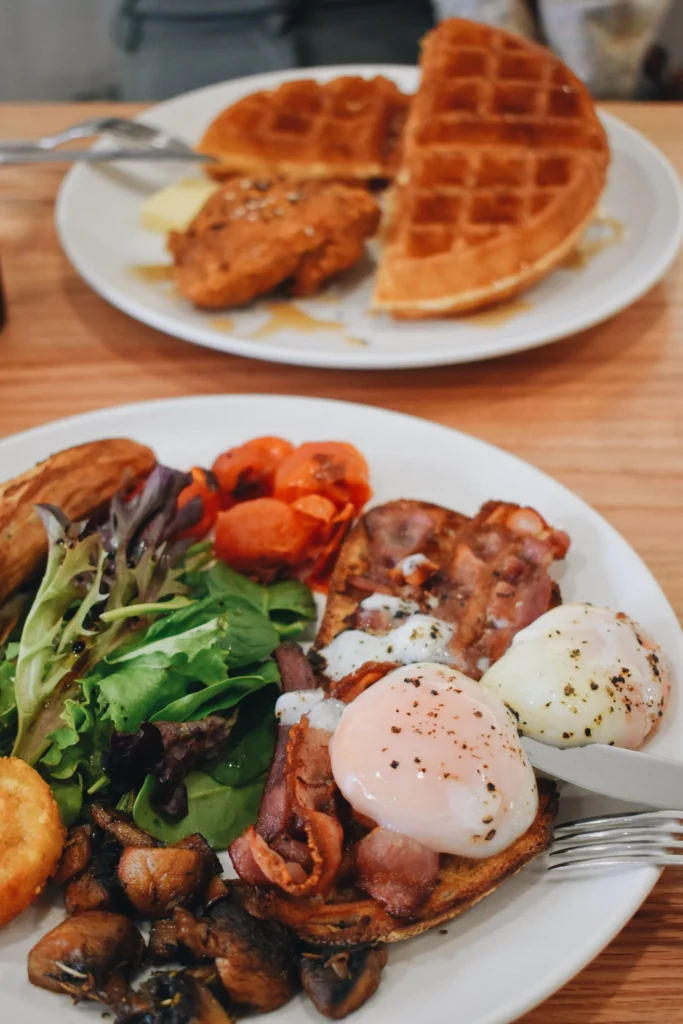
This guide covers the best Joo Chiat food experiences, including iconic dishes, hidden gems, café recommendations, local favorites, and practical tips for planning a food trail around the neighborhood.
Why Joo Chiat Is One of Singapore’s Best Food Districts
The reputation of Joo Chiat food did not appear overnight. The neighborhood has spent decades building a culinary identity rooted in tradition, migration, and evolving dining culture. Unlike commercial food hubs focused purely on trends, Joo Chiat still feels deeply connected to local heritage.
One of the strongest influences comes from Peranakan cuisine. Peranakan food blends Chinese ingredients with Malay spices and cooking techniques, creating dishes known for bold flavors, aromatic herbs, and slow preparation methods. Restaurants throughout Joo Chiat continue preserving these recipes while introducing modern interpretations for younger diners.
Another reason people love the area is variety. You can start your morning with specialty coffee and sourdough toast, enjoy laksa for lunch, stop for kueh and desserts in the afternoon, and end the night with seafood or fusion dining. Few neighborhoods in Singapore offer this level of culinary diversity within walking distance.
The atmosphere also adds to the experience. Heritage shophouses, colorful murals, boutique stores, and relaxed streets make food exploration feel less rushed compared to busier districts like Orchard Road or Marina Bay. Visitors often spend entire afternoons wandering between eateries, cafes, and hidden side streets.
For food photographers, content creators, and café enthusiasts, Joo Chiat has become especially popular because of its visual charm and highly Instagrammable dining spots.
Best Local Dishes to Try in Joo Chiat
Laksa
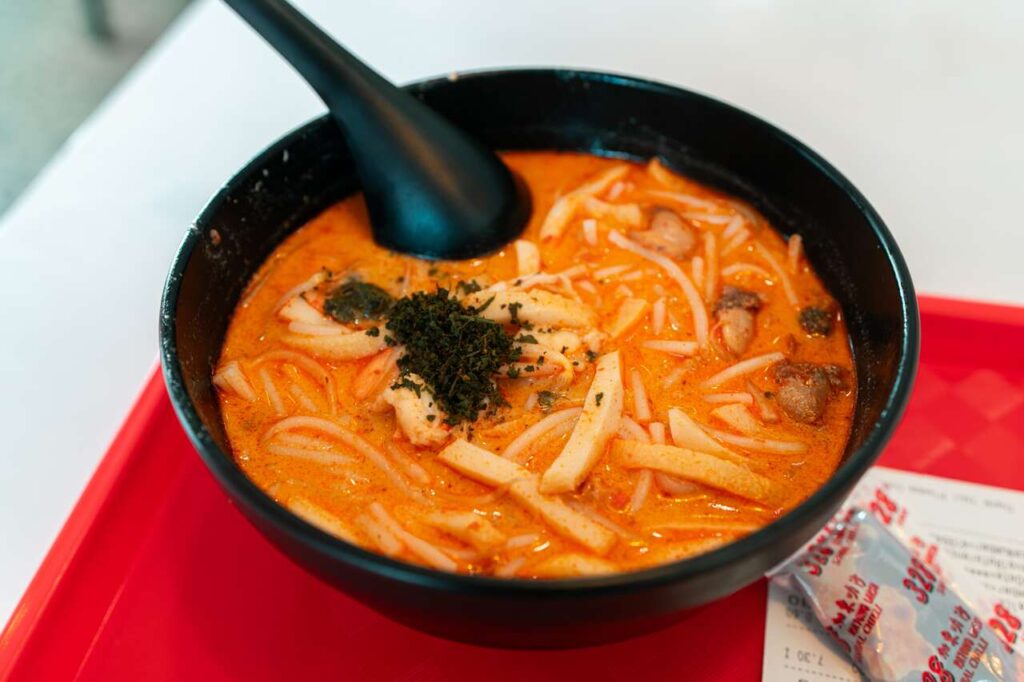
No discussion about Joo Chiat food is complete without laksa. The East Coast version of laksa is famous across Singapore for its rich coconut-based broth, spicy sambal, and shortened noodles eaten with a spoon instead of chopsticks.
The flavor profile balances creaminess, spice, sweetness, and seafood umami. Fresh cockles, prawns, fish cake, and tofu puffs often complete the dish. Some stalls still follow recipes developed decades ago, maintaining consistency that keeps locals returning regularly.
Laksa in Joo Chiat differs slightly from versions found elsewhere in Southeast Asia. Singapore’s Katong-style laksa tends to be creamier and more coconut-forward, making it comforting yet deeply flavorful.
Nasi Lemak
Another staple associated with the area is nasi lemak. Fragrant coconut rice paired with fried chicken, sambal chili, ikan bilis, peanuts, cucumber, and egg creates one of Singapore’s most beloved comfort meals.
Many visitors underestimate how competitive nasi lemak culture is in Singapore. In Joo Chiat, several long-running eateries have built loyal followings because of their sambal recipes and perfectly cooked rice.
Peranakan Kueh
Kueh represents an important part of Peranakan culinary culture. These colorful bite-sized desserts often combine glutinous rice, coconut milk, pandan, palm sugar, and tapioca flour.
Popular varieties include:
- Kueh salat
- Ondeh-ondeh
- Kueh lapis
- Ang ku kueh
- Bingka
Traditional bakeries in Joo Chiat continue producing handmade kueh daily, preserving recipes that many younger Singaporeans now associate with nostalgia and family gatherings.
Satay and Grilled Seafood
Evening dining in Joo Chiat becomes more vibrant as grilled aromas fill the streets. Satay skewers, sambal stingray, grilled prawns, and chili crab dishes remain popular among both locals and tourists exploring East Singapore.
Famous Joo Chiat Food Spots Worth Visiting
328 Katong Laksa
This iconic laksa destination helped popularize Katong laksa internationally. The broth is rich and intensely aromatic, while the noodles are cut short for easy eating. Tourists often visit after hearing about celebrity endorsements and food awards, but locals still consider it one of the defining dishes of the neighborhood.
The Feather Blade
Known for affordable steak-focused dining, this restaurant reflects how modern concepts now blend into Joo Chiat’s traditional food culture. The intimate interior and focused menu attract younger diners looking for quality meat dishes without the premium pricing associated with central business district restaurants.
Kim Choo Kueh Chang
One of the best-known heritage food businesses in the area, this spot specializes in rice dumplings, traditional kueh, and Peranakan snacks. Many visitors stop here specifically to buy edible souvenirs or experience authentic Nonya flavors.
Sinpopo Brand
This restaurant modernizes classic Singaporean comfort food while preserving nostalgic flavors. The menu often includes elevated local dishes, old-school desserts, and vintage-inspired beverages.
Common Man Coffee Roasters
Joo Chiat’s café scene has expanded rapidly, and specialty coffee shops like this helped shape the neighborhood’s brunch culture. Expect artisanal coffee, carefully designed interiors, and long weekend queues.
Best Cafes in Joo Chiat
The café culture surrounding Joo Chiat food has grown dramatically over the past decade. Many cafés occupy restored heritage shophouses, creating a unique blend of old architecture and modern dining aesthetics.
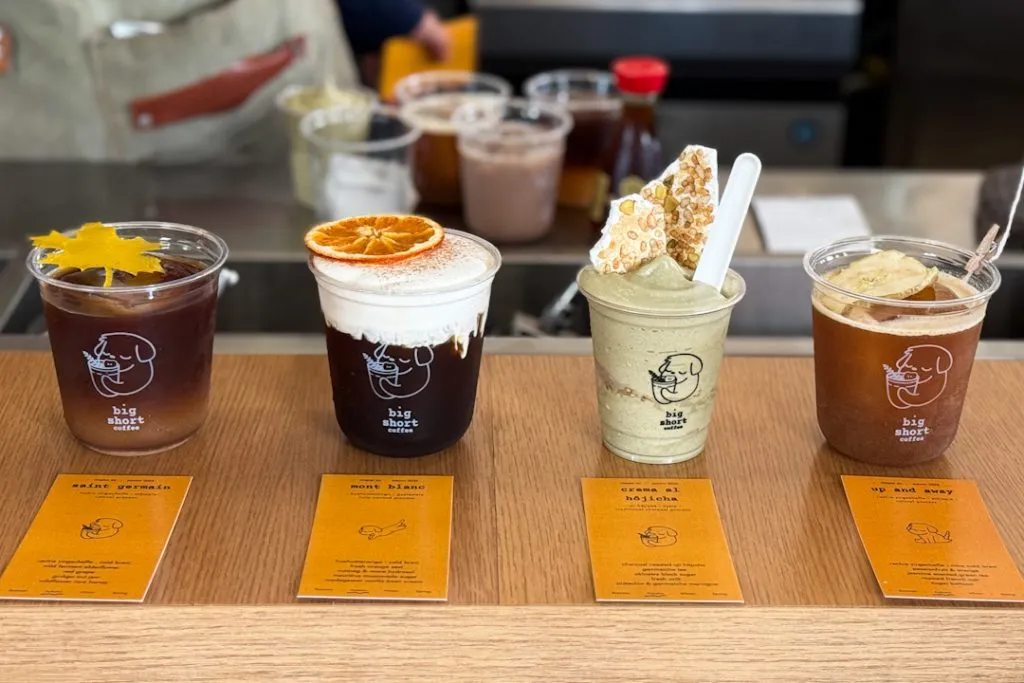
Specialty Coffee and Brunch
Coffee enthusiasts visit Joo Chiat for:
- Single-origin espresso
- Hand-brewed filter coffee
- Sourdough brunch plates
- House-made pastries
- Artisan desserts
Unlike heavily commercialized café districts, Joo Chiat still feels community-driven. Many café owners focus on craftsmanship rather than rapid expansion.
Dessert Cafes
Dessert culture also thrives here. Popular choices include:
- Waffles and gelato
- Basque burnt cheesecake
- Pandan desserts
- Matcha cakes
- Traditional sugar-based sweets
Several dessert cafés creatively reinterpret Peranakan flavors using modern presentation techniques.
Hidden Alley Cafes
Some of the best café experiences are hidden inside narrow side streets away from the main road. These quieter spaces appeal to remote workers, students, and travelers seeking relaxed atmospheres.
Peranakan Cuisine and Cultural Influence
Joo Chiat food cannot be separated from Peranakan heritage. The Peranakan community emerged from centuries of cultural exchange between Chinese settlers and Malay communities throughout Southeast Asia.
Peranakan cooking is highly detail-oriented. Recipes often involve:
- Fresh spice pastes
- Slow braising techniques
- Coconut milk
- Tamarind
- Lemongrass
- Galangal
- Candlenuts
Signature dishes commonly found in Joo Chiat include:
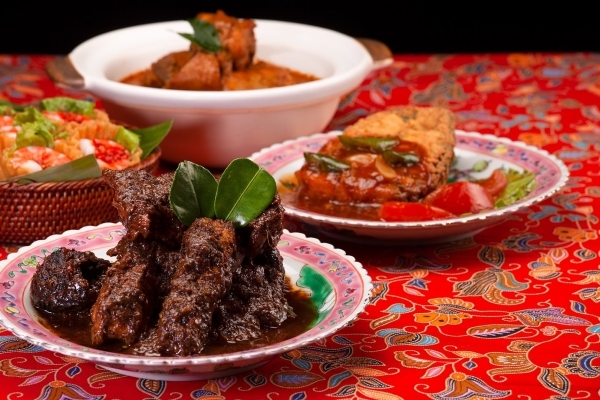
- Ayam buah keluak
- Beef rendang
- Nonya chap chye
- Babi pongteh
- Itek tim
The neighborhood itself preserves much of this heritage visually. Colorful shophouses, tiled facades, and preserved architecture reinforce the cultural identity tied closely to local food traditions.
For travelers interested in culinary tourism, Joo Chiat offers one of the strongest combinations of heritage, storytelling, and authentic dining in Singapore.
Hidden Gems Most Tourists Miss
While famous restaurants attract major attention, some of the best Joo Chiat food experiences happen in lesser-known establishments.
Family-Owned Eateries
Small family-run shops often serve recipes unchanged for decades. These businesses may not appear heavily on social media, but they attract loyal repeat customers through consistency and authenticity.
Traditional Bakeries
Old-school bakeries still produce handmade buns, egg tarts, curry puffs, and traditional pastries every morning. Compared to modern bakeries, these shops preserve older Singaporean baking styles rarely seen in newer malls.
Late-Night Supper Spots
Joo Chiat becomes lively after dark. Late-night diners frequently search for:
- Dim sum
- Prawn noodles
- Satay
- Barbecue seafood
- Local dessert stalls
Because the East Coast area stays active late into the evening, Joo Chiat remains one of the better neighborhoods for supper culture in Singapore.
Joo Chiat Food vs Katong Food
| Feature | Joo Chiat Food | Katong Food |
|---|---|---|
| Atmosphere | Heritage-focused and artistic | More commercialized |
| Food Style | Mix of heritage and trendy cafes | Famous for classic local dishes |
| Café Scene | Strong specialty café culture | Moderate |
| Tourist Crowds | Slightly quieter | Busier |
| Peranakan Influence | Very strong | Strong |
| Night Dining | Active supper culture | Moderate nightlife |
| Hidden Gems | Many side-street discoveries | More mainstream eateries |
Although many people use the names interchangeably, the dining experiences can feel quite different. Joo Chiat tends to reward slower exploration, while Katong is often more destination-oriented.
Best Time to Explore Joo Chiat Food
Morning
Breakfast lovers should arrive early for:
- Kaya toast
- Coffee shops
- Traditional bakeries
- Freshly prepared kueh
Afternoon
Afternoons are ideal for:
- Café hopping
- Dessert tasting
- Peranakan lunch spots
- Casual food photography
Evening
Evenings bring stronger street energy, making it the best time for:
- Seafood dinners
- Supper spots
- Satay stalls
- Group dining
Weekends can become crowded, especially around popular brunch cafés. Visiting on weekday afternoons usually provides a calmer experience.
Practical Tips for a Joo Chiat Food Trail
Planning your route improves the overall experience because the area contains dozens of dining options spread across connected streets.
Wear Comfortable Shoes
The best way to explore Joo Chiat is on foot. Walking allows visitors to discover hidden cafés, murals, and independent food businesses missed by taxi-only travelers.
Arrive Hungry but Pace Yourself
One common mistake is overeating too early. Many visitors fill up on laksa or brunch before reaching dessert shops and supper spots later in the day.
Share Dishes
Singapore food culture works best when shared. Ordering multiple smaller dishes with friends allows you to experience greater variety.
Mix Heritage and Modern Dining
Some travelers focus only on trendy cafés, while others only chase famous hawker dishes. The real charm of Joo Chiat food comes from balancing both experiences.
How Joo Chiat Became a Food Destination
The rise of Joo Chiat reflects broader shifts in Singapore’s food culture. As younger consumers began valuing heritage neighborhoods, independent businesses, and specialty dining experiences, Joo Chiat naturally attracted chefs, café owners, and restaurateurs.
Unlike heavily redeveloped areas, the neighborhood retained much of its architectural identity. This helped create an environment where boutique dining concepts could thrive without losing cultural authenticity.
Social media also accelerated interest. Colorful buildings, photogenic cafés, and nostalgic interiors turned the district into a favorite among Instagram creators and food bloggers.
At the same time, long-established heritage eateries benefited from renewed appreciation for traditional Singaporean food. Younger diners increasingly seek authentic experiences connected to local culture rather than generic chain restaurants.
Featured Snippet: What Is Joo Chiat Famous For?
Joo Chiat is famous for its Peranakan heritage, colorful shophouses, specialty cafés, laksa, nasi lemak, traditional kueh, and vibrant food culture in Singapore’s East Coast district. The area combines heritage dining with modern café experiences, making it one of Singapore’s most popular food neighborhoods.
FAQ Section
What food is Joo Chiat known for?
Joo Chiat is best known for laksa, nasi lemak, Peranakan cuisine, traditional kueh, specialty coffee, and modern brunch cafés.
Is Joo Chiat worth visiting for food?
Yes. Joo Chiat offers one of Singapore’s most diverse food scenes, combining heritage eateries, trendy cafés, hidden gems, and authentic local dishes.
What is the difference between Joo Chiat and Katong food?
Joo Chiat food focuses more on heritage cafés, hidden gems, and Peranakan culture, while Katong is more commercially known for iconic local dishes and tourist-friendly dining.
Are there halal food options in Joo Chiat?
Yes. The neighborhood includes many halal-friendly eateries, Malay food stalls, nasi lemak restaurants, and Muslim-owned cafés.
What is the best time to visit Joo Chiat food spots?
Late mornings and evenings are ideal. Morning visits are perfect for bakeries and brunch, while evenings suit seafood, satay, and supper experiences.
Is Joo Chiat good for café hopping?
Absolutely. Joo Chiat has become one of Singapore’s strongest café districts, offering specialty coffee, artisan bakeries, dessert cafés, and aesthetically designed brunch spaces.
How long should a Joo Chiat food trail take?
Most visitors spend between four and eight hours exploring the neighborhood, depending on how many cafés and restaurants they visit.