Most top-ranking articles for “tai hwa pork noodle” focus on basic facts such as location, Michelin star mention, and short reviews. However, they often lack depth in flavor breakdown, preparation techniques, and historical context. Some competitors provide travel tips but fail to explain why this dish stands out in Singapore’s hawker culture.
High-performing content usually includes:
- Brief Michelin background (2016–present recognition)
- Location details at Hill Street
- Short tasting notes (umami, chili vinegar balance)
- Visitor experience tips (queues, timing)
However, gaps include:
- Lack of culinary breakdown (ingredients and technique)
- Minimal SEO structure (weak H2/H3 hierarchy)
- No deeper cultural storytelling
- No comparison with other bak chor mee stalls
This article on tai hwa pork noodle fills those gaps by combining SEO optimization, culinary insights, and user-focused experience details for stronger topical authority and engagement.
Introduction
If you are exploring Singapore’s most iconic street food, tai hwa pork noodle is a name you will repeatedly hear. This legendary hawker dish is not just a meal but a cultural symbol of Singapore’s Michelin-star street food scene.
In this guide, you will learn everything about tai hwa pork noodle, including its history, ingredients, preparation style, and why it attracts long queues daily. Whether you are a food traveler or a culinary enthusiast, this article breaks down what makes this dish unforgettable.
We will also explore its Michelin recognition, taste profile, and expert tips for first-time visitors. Let’s dive into the story behind one of Singapore’s most famous noodle dishes.
History of Tai Hwa Pork Noodle in Singapore
The story of tai hwa pork noodle begins with a humble hawker stall in Singapore that gradually evolved into a global food landmark. Originating from traditional Teochew-style bak chor mee, it reflects the deep culinary roots of Chinese immigrants in Singapore.
tai hwa pork noodle became widely recognized when it received a Michelin star, placing it among the very few hawker stalls to achieve this honor. This recognition elevated its global reputation while preserving its street-food authenticity.
Despite fame, the stall remains true to its roots. It still operates in a simple hawker-style environment, focusing purely on flavor rather than luxury presentation. That balance between tradition and excellence is what makes tai hwa pork noodle special.
Over time, food bloggers and critics have consistently ranked it among Singapore’s must-try dishes. The consistency of quality is one of its strongest strengths.
Why Tai Hwa Pork Noodle Earned Michelin Recognition
The rise of tai hwa pork noodle in the Michelin Guide is a result of consistency, craftsmanship, and flavor balance. Michelin inspectors praised its ability to maintain high-quality standards in a simple hawker setting.
One of the key reasons tai hwa pork noodle stands out is its signature sauce blend. The mix of vinegar, chili, and pork broth creates a deep umami experience that is both sharp and comforting.
Another factor is texture precision. The noodles are cooked al dente, while minced pork and pork slices remain tender and juicy. This contrast enhances the overall eating experience.
Moreover, the stall maintains strict consistency despite high demand. Every bowl of tai hwa pork noodle is prepared with attention to detail, even during peak hours.
This commitment to quality explains why it continues to hold Michelin recognition year after year.
Ingredients and Flavor Profile of Tai Hwa Pork Noodle
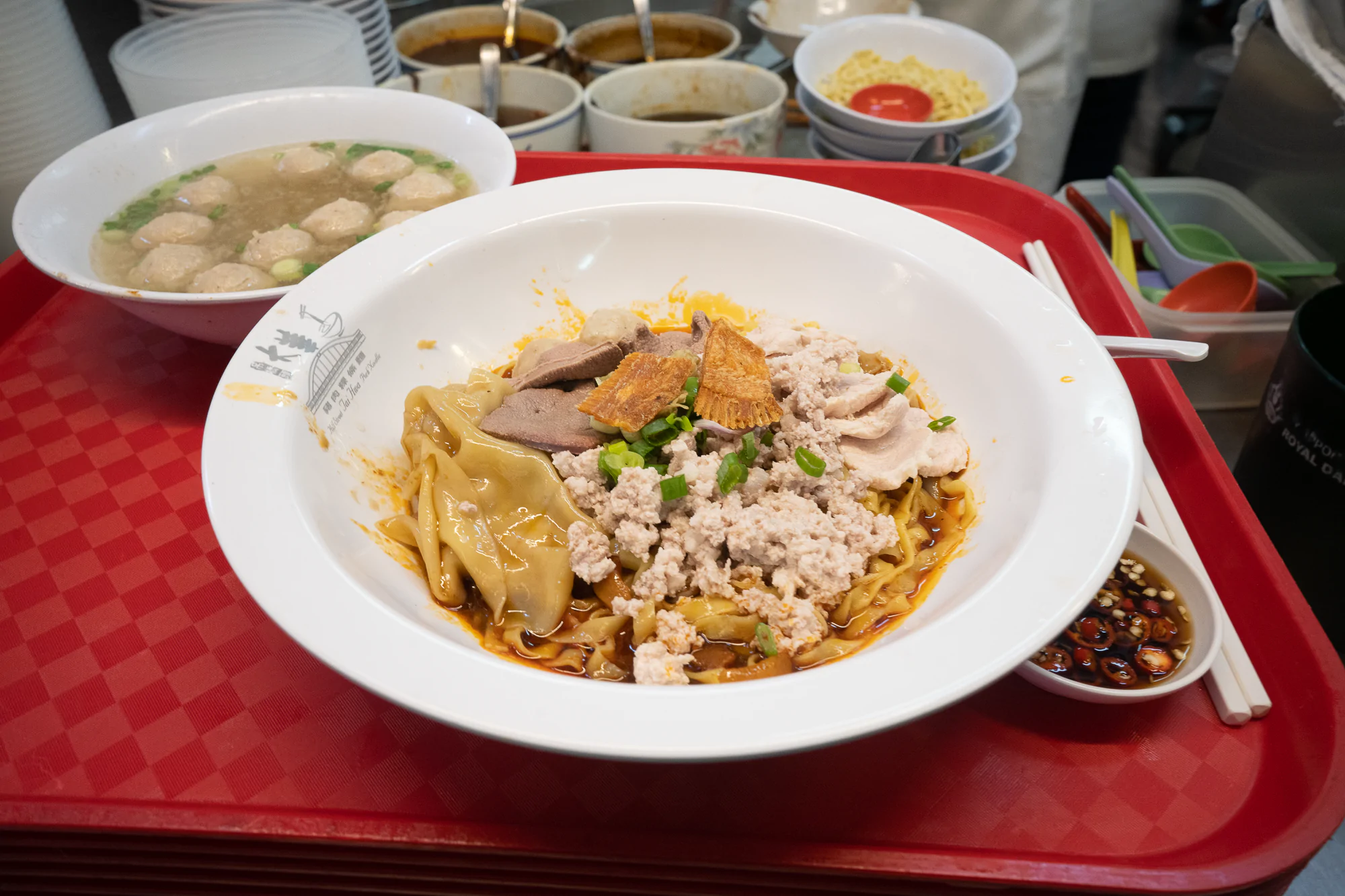
The success of tai hwa pork noodle lies in its carefully balanced ingredients. Each component contributes to its signature taste profile.
Key Ingredients:
- Egg noodles with springy texture
- Minced pork and sliced pork
- Pork liver (optional in some servings)
- Mushrooms and dried ingredients
- Vinegar, chili paste, and soy-based sauce
- Crispy pork lard bits
The flavor of tai hwa pork noodle is a complex combination of sour, spicy, and savory notes. The vinegar adds brightness, while chili delivers heat. Pork broth enhances richness, creating a layered taste experience.
The dish is also highly customizable. Diners can adjust spice levels, vinegar intensity, and noodle texture according to preference.
In essence, tai hwa pork noodle is a perfect balance of bold flavors and comforting textures, making it a standout dish in Singapore’s food culture.
How Tai Hwa Pork Noodle Is Prepared (Bak Chor Mee Style)
The preparation of tai hwa pork noodle follows traditional bak chor mee techniques but with refined precision.
First, the noodles are blanched quickly to maintain elasticity. Then they are tossed in a specially prepared sauce mix. This sauce is the heart of tai hwa pork noodle, combining vinegar, chili paste, and seasoning.
Next, minced pork is stir-cooked separately to lock in flavor. Pork slices and liver are cooked gently to preserve tenderness.
Finally, all components are assembled together, topped with fried pork lard bits and mushrooms.
This careful layering process ensures that every bowl of tai hwa pork noodle delivers consistent taste and texture.
Unlike modern fusion dishes, this preparation stays close to traditional methods, preserving authenticity while maintaining Michelin-level quality.
Where to Eat Tai Hwa Pork Noodle in Singapore
You can find tai hwa pork noodle at Hill Street, Singapore, where the original stall continues to operate. Despite its global fame, it remains a humble hawker setup.
The stall is known for long queues, especially during peak meal hours. Visitors often wait 30 minutes to over an hour for a bowl of tai hwa pork noodle.
Timing is crucial. Early mornings or late afternoons are usually less crowded. Many tourists plan their visit specifically around this stall.
The surrounding hawker environment adds to the experience. Eating tai hwa pork noodle in a traditional Singapore food center enhances its cultural authenticity.
This location has become a must-visit destination for food lovers worldwide.
Price, Experience, and Visitor Tips
The pricing of tai hwa pork noodle is higher than average hawker food due to its Michelin recognition and premium ingredients.
However, most visitors agree that the experience justifies the cost. Each bowl of tai hwa pork noodle offers a rich and satisfying flavor profile.
Visitor Tips:
- Visit during off-peak hours
- Bring cash (traditional payment preferred)
- Expect waiting time
- Customize spice level carefully
- Try it fresh for best experience
The overall experience of tai hwa pork noodle is not just about eating but also about participating in Singapore’s culinary culture.
Alternatives and Similar Bak Chor Mee Dishes
While tai hwa pork noodle is iconic, Singapore offers many other excellent bak chor mee variations.
Popular alternatives include:
- Hill Street Tai Hwa-style noodle stalls (various versions)
- Local hawker bak chor mee stalls in Chinatown
- Modern restaurant-style pork noodle bowls
These alternatives may not have Michelin recognition, but they offer unique interpretations of similar flavors.
Still, tai hwa pork noodle remains the benchmark for quality and authenticity in this category.
Conclusion
In conclusion, tai hwa pork noodle is more than just a meal—it is a symbol of Singapore’s rich hawker culture and Michelin-level street food excellence. From its humble beginnings to global recognition, it represents dedication, tradition, and culinary mastery.
The unique blend of flavors, careful preparation, and consistent quality make tai hwa pork noodle a must-try experience for any food lover visiting Singapore.
If you are planning a food tour or exploring Asian street cuisine, this dish should be at the top of your list. Its balance of spice, vinegar, and pork richness creates a memorable taste that stays with you long after the meal.
Start exploring authentic hawker food experiences and discover why tai hwa pork noodle continues to be a global food icon.
1. What is Tai Hwa Pork Noodle?
It is a Michelin-starred Singapore hawker dish made with minced pork, noodles, and flavorful sauce.
2. Why is Tai Hwa Pork Noodle famous?
It is famous for its Michelin recognition, rich flavor, and traditional hawker preparation style.
3. Where can I find Tai Hwa Pork Noodle?
It is located at Hill Street in Singapore’s hawker center.
4. What makes Tai Hwa Pork Noodle special?
Its balanced flavor of vinegar, chili, and pork broth makes it unique.
5. Is Tai Hwa Pork Noodle worth trying?
Yes, it is considered one of Singapore’s best street food experiences.