Singapore has a reputation for expensive dining. Mention the word “omakase,” and many people immediately think of triple-digit bills, tiny portions, and special-occasion dinners that hurt the wallet afterward.
But here’s the surprising part.
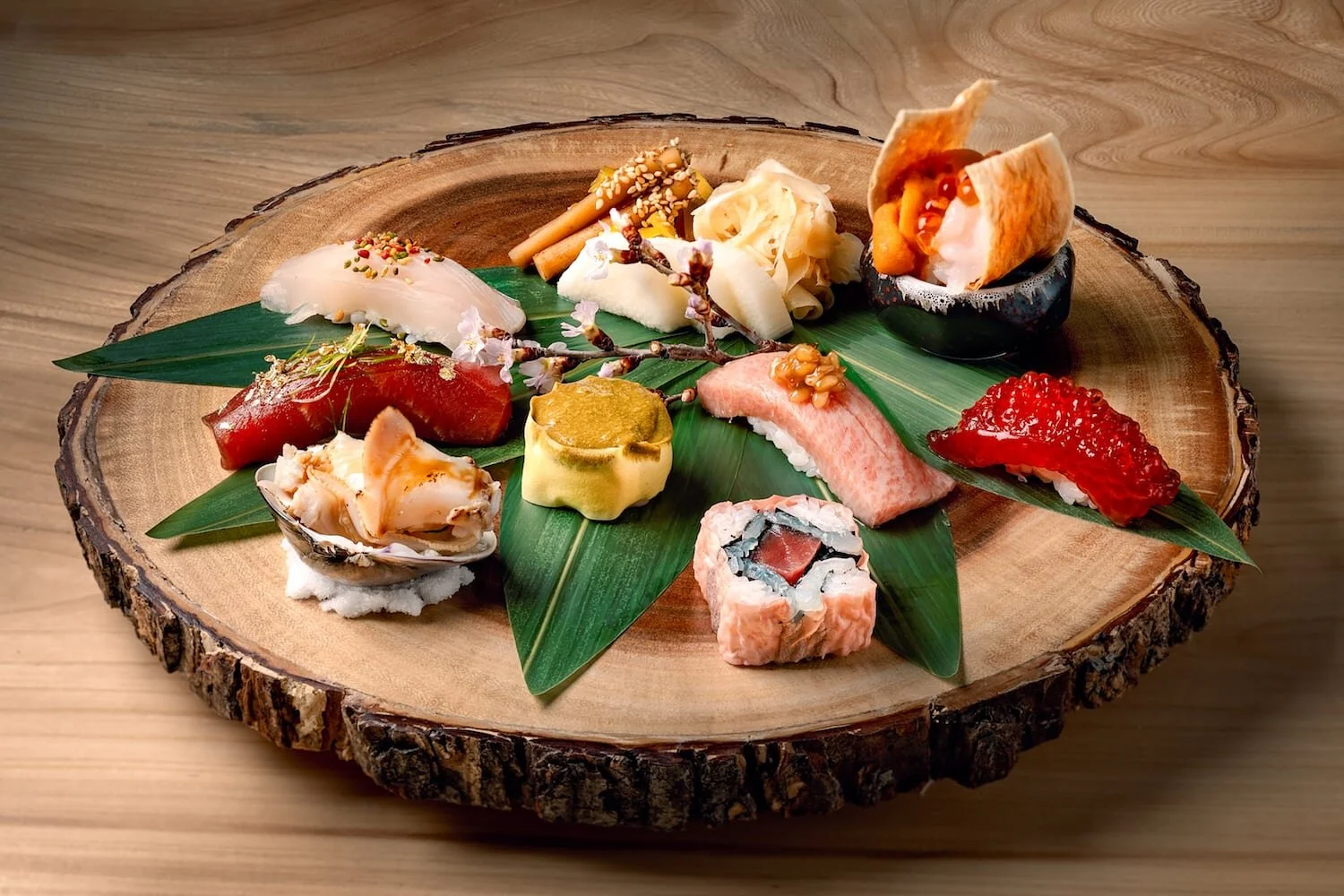
Affordable omakase Singapore is no longer rare. In fact, some of the city’s best sushi experiences now sit comfortably below luxury price ranges. You can enjoy expertly prepared sashimi, hand-shaped nigiri, seasonal Japanese ingredients, and intimate chef interactions without spending a fortune.
And honestly, that changes everything.
Instead of waiting for birthdays or anniversaries, many food lovers now treat omakase as an occasional weekday reward. Some even prefer affordable omakase singapore counters because the atmosphere feels less intimidating and more relaxed.
So where should you go if you want quality without financial regret?
This guide covers practical choices, real value, and what actually matters when choosing affordable omakase Singapore diners consistently return to.
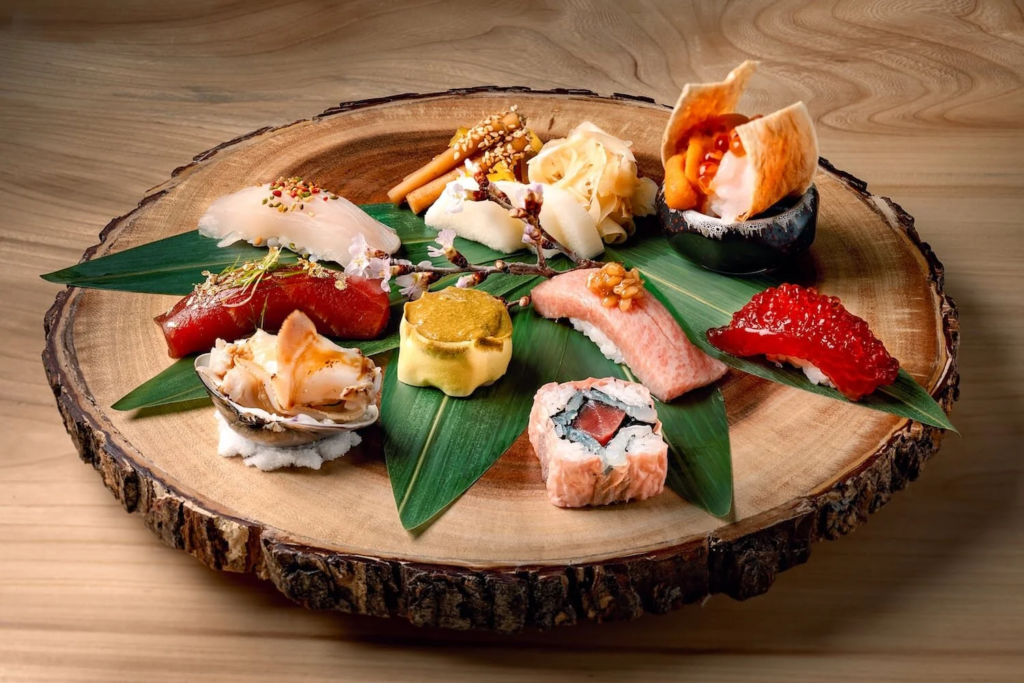
Why Affordable Omakase Singapore Is Growing Fast
A few years ago, omakase dining mainly belonged to luxury restaurants. The concept itself feels premium because the chef personally curates your meal course by course.
Today, the landscape looks different.
Several factors changed the market:
- More Japanese chefs opened smaller independent counters
- Lunch omakase menus became highly competitive
- Diners started prioritizing value over luxury branding
- Social media increased awareness of hidden gems
- Compact restaurants reduced overhead costs
As a result, budget-conscious diners now have more choices than ever before.
Interestingly, affordable omakase singapore does not always mean low quality. Many smaller sushi bars source fresh seafood directly from Japan but save money through:
- Fewer seats
- Simpler interiors
- Smaller teams
- Focused menus
- Faster lunch turnovers
This creates a sweet spot for diners who care more about taste than extravagant décor.
What “Affordable” Really Means for Omakase in Singapore
Before jumping into recommendations, it helps to define expectations realistically.
In Singapore, affordable omakase generally falls into these ranges:
| Price Range | What to Expect |
|---|---|
| Under SGD 50 | Entry-level omakase, simpler ingredients, shorter menus |
| SGD 50–80 | Excellent value, quality fish, balanced courses |
| SGD 80–120 | Premium affordable tier with seasonal specialties |
| Above SGD 120 | Luxury omakase territory |
For most diners, the best balance sits between SGD 50 and SGD 90.
That’s where restaurants compete aggressively on quality, freshness, creativity, and service.
17 Affordable Omakase Singapore Food Lovers Should Try
1. Sushi Gozen
One reason this place keeps attracting repeat customers is consistency.
Their lunch omakase sets remain relatively accessible compared to high-end sushi counters nearby. The fish quality feels fresh, portions are satisfying, and the chefs maintain good pacing throughout the meal.
Highlights often include:
- Otoro nigiri
- Chawanmushi
- Seasonal sashimi
- Uni add-ons
If you’re trying omakase for the first time, this is a comfortable starting point.
2. Sushi Muni
Tiny sushi counters often create the best experiences.
At Sushi Muni, the interaction between chef and diner feels personal without becoming overly formal. Their affordable lunch menus provide surprisingly refined sushi rice and balanced flavors.
What stands out:
- Well-seasoned shari
- Fresh imports from Toyosu Market
- Calm atmosphere
- Strong lunch value
Many diners return specifically for the rice texture, which says a lot in sushi culture.
3. The Sushi Bar
This spot built a loyal following long before budget omakase became trendy.
Although not a traditional luxury omakase venue, their tasting-style sushi experiences offer tremendous value. The queues can get long, which already tells you something important.
Popular choices include:
- Bara chirashi
- Aburi sushi
- Fatty tuna selections
- Omakase platters
For younger diners and casual sushi fans, this place hits the sweet spot between affordability and quality.
4. Teppei Japanese Restaurant
Ask any long-time foodie about affordable omakase Singapore, and Teppei usually enters the conversation immediately.
Why?
Because the restaurant practically helped shape Singapore’s budget omakase culture.
The chef’s energetic style, fast-paced dining format, and generous portions make it memorable. Reservations remain competitive even today.
Expect:
- Creative Japanese fusion touches
- Rich flavors
- Entertaining service
- Excellent value for money
Some diners love the lively atmosphere. Others find it hectic. Either way, it’s an experience.
5. Shin Minori
Not everyone wants ultra-formal sushi dining.
Shin Minori offers approachable Japanese omakase experiences that suit groups, casual dates, and relaxed dinners.
Their strength lies in variety.
Instead of focusing purely on premium sushi, they combine:
- Sashimi
- Grilled items
- Tempura
- Rolls
- Seasonal dishes
This broader style appeals to diners who want a fuller Japanese dining experience rather than only nigiri courses.
6. Sushi Kou
Sushi Kou quietly earned a reputation among serious sushi lovers.
The restaurant focuses on craftsmanship instead of flashy presentation. Their lunch omakase menus often provide one of the better value propositions in the mid-range category.
What regulars appreciate:
- Balanced seasoning
- Delicate knife work
- Carefully selected seafood
- Smooth meal progression
Sometimes the best omakase experiences are the least loud online.
7. Jun Omakase
Some affordable omakase Singapore spots feel rushed.
Jun Omakase does not.
The pacing here feels measured, which improves the overall dining experience significantly. Diners can actually enjoy each course instead of feeling pushed through the meal.
Standout elements:
- Elegant plating
- Fresh shellfish
- Balanced portions
- Comfortable service
This makes it suitable for dates and quieter celebrations.
8. Hana Japanese Restaurant
Hana remains underrated despite offering respectable omakase sets at accessible prices.
One thing diners appreciate is balance.
The courses rarely feel too heavy or repetitive. You get enough variety to stay interested throughout the meal without feeling overwhelmed.
Great for:
- Lunch meetings
- First-time omakase diners
- Budget-conscious sushi lovers
- Smaller groups
9. SEN RYO
This Japanese restaurant combines quality sourcing with relatively approachable pricing.
Their omakase experiences often include:
- Seasonal sashimi
- Premium nigiri
- Japanese appetizers
- Dessert courses
The environment feels modern yet comfortable, making it appealing to both younger diners and professionals after work.
One practical advantage? Multiple branches improve accessibility.
10. Sushi Yujo
There’s something refreshing about places that focus purely on sushi fundamentals.
Sushi Yujo keeps things relatively simple:
- Fresh seafood
- Clean flavors
- Thoughtful preparation
- Consistent execution
Instead of excessive theatrics, the chefs let ingredient quality speak for itself.
That approach often resonates strongly with experienced sushi diners.
11. Mitsu Sushi Bar
If you enjoy intimate dining spaces, Mitsu Sushi Bar deserves attention.
Smaller sushi counters create a stronger chef-to-diner connection, and that interaction can elevate the entire meal.
Interesting detail:
Many regular customers sit at the counter specifically to ask chefs about fish origins, seasonal imports, and preparation techniques.
That educational side makes omakase more enjoyable.
12. Tomi Sushi
Tomi Sushi brings strong Japanese authenticity without entering intimidating luxury territory.
Their omakase sets emphasize:
- Seasonal ingredients
- Traditional Edomae techniques
- Balanced sushi rice
- Reliable seafood quality
For diners seeking classic Japanese flavors rather than fusion-heavy menus, this is a solid option.
13. Sushi Seizan
Some restaurants quietly outperform expectations.
Sushi Seizan falls into that category.
While not always heavily promoted online, diners often mention:
- Excellent chef interaction
- Fresh ingredients
- Fair pricing
- Relaxed atmosphere
The experience feels personal rather than commercialized.
That matters more than many people realize.
14. Ki-Sho
Ki-Sho sits slightly higher on the affordable scale, but lunch menus can still provide strong value relative to premium omakase standards.
The restaurant focuses heavily on refined Japanese dining traditions.
Expect:
- Carefully aged fish
- Seasonal imports
- Sophisticated presentation
- Strong attention to detail
If you want a more elevated experience without entering ultra-luxury territory, this works well.
15. Sushi Goshin
Sushi Goshin attracts diners who care deeply about ingredient quality.
The chefs pay close attention to:
- Rice temperature
- Fish slicing techniques
- Seasonal balance
- Texture contrast
Even small details feel intentional.
That precision often separates decent omakase from memorable omakase.
16. Ryo Sushi
Ryo Sushi built a strong reputation largely through word-of-mouth recommendations.
One reason is value consistency.
Many affordable omakase singapore restaurants start strong but gradually reduce quality as popularity grows. Ryo Sushi has managed to maintain loyal support over time.
Best known for:
- Fresh sashimi
- Affordable lunch sets
- Skilled sushi preparation
- Comfortable atmosphere
This makes it one of the safer recommendations for first-time visitors.
17. Sushi Airways
Yes, the aviation theme sounds unusual for omakase.
But surprisingly, the restaurant gained attention because the food quality exceeds expectations. The playful branding makes it approachable, especially for younger diners trying omakase casually.
Good choice for:
- Group dinners
- Fun date nights
- Social dining
- Affordable sushi tasting
Sometimes dining should simply feel enjoyable instead of overly serious.
Lunch Omakase vs Dinner Omakase: Which Gives Better Value?
If your goal is affordability, lunch omakase usually wins.
Here’s why.
Most sushi restaurants offer lower lunch pricing because:
- Ingredient costs are easier to manage
- Turnover is faster
- Demand patterns differ
- Dinner menus feature more premium seafood
But does lunch feel “less special”?
Not necessarily.
In many restaurants, lunch omakase still includes:
- Premium sashimi
- Seasonal fish
- Handcrafted nigiri
- Chawanmushi
- Dessert
The biggest difference is usually the number of courses and luxury ingredients like:
- Uni
- Caviar
- Hairy crab
- Premium wagyu
For most diners, lunch provides the best cost-to-quality ratio.
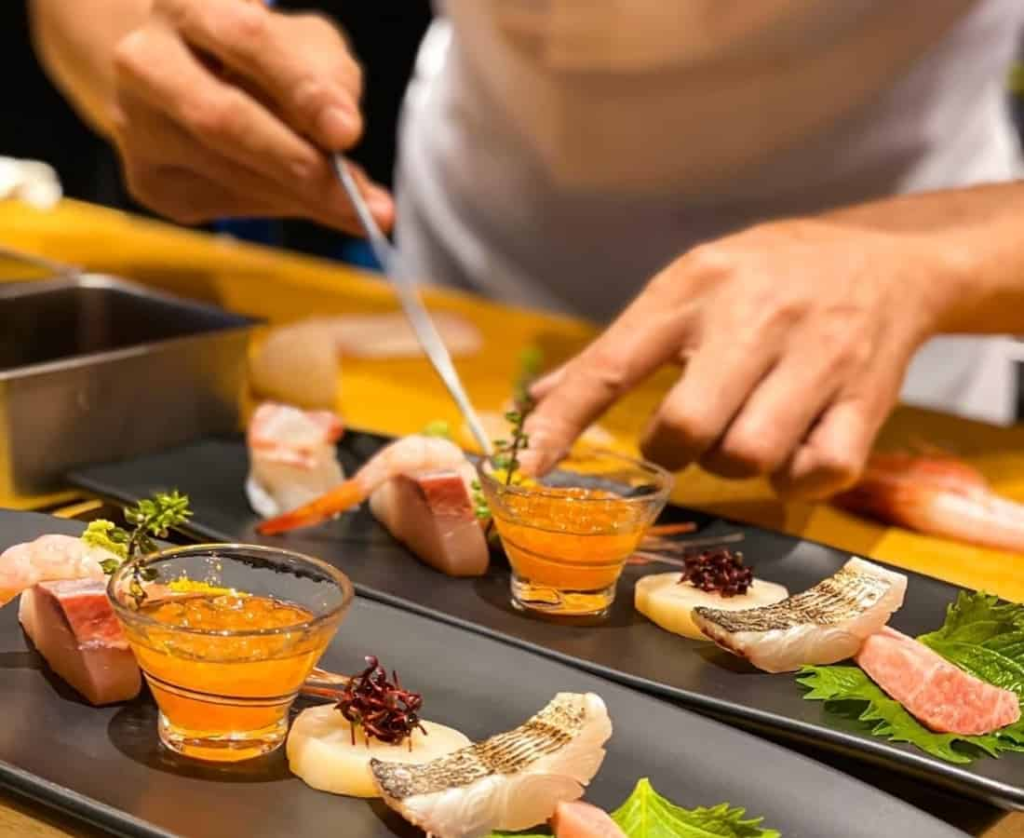
What Makes a Great Affordable Omakase Singapore Experience?
Price alone should never be the deciding factor.
A cheaper omakase becomes disappointing if:
- Rice quality is poor
- Service feels rushed
- Fish lacks freshness
- Courses feel repetitive
- Portions are unbalanced
Instead, pay attention to these elements.
Sushi Rice Quality
Experienced sushi lovers often judge restaurants by rice before fish.
Why?
Because excellent rice requires:
- Proper vinegar balance
- Correct temperature
- Precise texture
- Consistent preparation
Even premium tuna tastes mediocre on poorly prepared rice.
Chef Interaction
One unique aspect of omakase is personal engagement.
A good chef often:
- Explains ingredients
- Adjusts pacing
- Responds to preferences
- Shares seasonal insights
That interaction creates emotional value beyond food itself.
Seasonal Ingredients
Affordable restaurants may not use ultra-luxury seafood daily, but seasonal sourcing still matters.
Seasonality improves:
- Flavor
- Freshness
- Texture
- Overall dining quality
You can immediately taste the difference when ingredients are in peak condition.
Portion Balance
Some diners leave omakase hungry.
Others feel overwhelmed halfway through.
The best affordable omakase singapore menus balance:
- Rich flavors
- Lighter bites
- Warm dishes
- Sushi progression
- Dessert pacing
That structure matters more than flashy ingredients.
Common Mistakes People Make When Choosing Budget Omakase
Interestingly, many diners focus on the wrong things.
Choosing Based Only on Instagram Photos
Beautiful plating does not guarantee excellent sushi.
Some heavily photographed restaurants prioritize visuals over:
- Rice quality
- Fish handling
- Flavor balance
Photos rarely tell the full story.
Ignoring Lunch Menus
This is one of the biggest missed opportunities.
A restaurant charging SGD 200+ for dinner may offer surprisingly affordable lunch omakase around SGD 80 or less.
You still experience the chef’s technique without paying peak pricing.
Booking the Cheapest Option Available
Extremely cheap omakase sometimes sacrifices:
- Ingredient freshness
- Portion quality
- Dining experience
There’s usually a reason certain prices seem unusually low.
Value matters more than simply spending less.
How Singapore’s Omakase Scene Compares to Japan
This question comes up often.
Can affordable omakase Singapore restaurants really compete with Japan?
The answer is nuanced.
Japan naturally benefits from:
- Closer seafood sourcing
- Stronger sushi traditions
- Wider regional specialties
- More competitive sushi culture
However, Singapore offers unique strengths too:
- Diverse dining influences
- High food safety standards
- International ingredient access
- Strong hospitality culture
In fact, some Singapore chefs trained directly under Japanese sushi masters before opening local counters.
So while the experience differs slightly, quality can still be impressive.
A Real Example: Why Some Diners Prefer Smaller Sushi Counters
A diner once described visiting a famous luxury sushi restaurant where the atmosphere felt so formal that nobody spoke during the meal.
The sushi was technically excellent.
But the overall experience felt stressful rather than enjoyable.
Later, the same diner visited a small affordable omakase singapore counter with only eight seats. The chef joked casually, explained the fish origins, adjusted serving pace based on customer reactions, and created a more welcoming environment.
The total bill was less than half the luxury venue.
And surprisingly?
The diner enjoyed it more.
That story explains why affordable omakase singapore continues gaining popularity in Singapore. People increasingly value comfort, connection, and consistency alongside quality food.
Best Times to Book Affordable Omakase Singapore
Timing matters more than many people think.
Weekday Lunches
Usually:
- Lower prices
- Easier reservations
- Better pacing
- Quieter atmosphere
Ideal for value-focused diners.
Early Dinner Slots
Some restaurants provide promotional pricing during earlier seating times.
This can reduce costs while maintaining the same menu quality.
Seasonal Promotions
Restaurants occasionally run:
- Anniversary menus
- Off-peak deals
- Seasonal tasting promotions
- Weekday specials
Following restaurant social pages can help you catch these offers early.
How Much Should You Budget Realistically?
Here’s a practical breakdown for most diners.
| Dining Style | Estimated Budget |
|---|---|
| Entry-level omakase | SGD 40–60 |
| Mid-range quality omakase | SGD 60–100 |
| Premium affordable omakase singapore | SGD 100–150 |
| Luxury omakase | SGD 200+ |
Additional costs may include:
- Sake pairing
- Service charge
- GST
- Seasonal add-ons
Many diners forget these extras when budgeting.
Tips for Getting the Best Affordable Omakase Singapore Experience
Sit at the Counter
This changes the experience completely.
You can:
- Watch preparation techniques
- Interact with chefs
- Receive sushi immediately
- Better understand ingredient quality
Counter seats usually offer the most authentic experience.
Arrive on Time
Omakase meals often follow coordinated pacing.
Late arrivals may disrupt:
- Sushi temperature
- Course sequencing
- Chef timing
Punctuality matters more here than at casual restaurants.
Keep Perfume Minimal
Strong fragrances interfere with sushi aroma and flavor.
Many Japanese sushi chefs genuinely appreciate customers who avoid overpowering scents.
Be Open-Minded
Some of the best bites may involve ingredients you rarely order yourself.
That’s part of the omakase experience:
trusting the chef’s choices.
Is Affordable Omakase Singapore Worth It?
For many food lovers, absolutely.
Affordable omakase singapore offers:
- Better ingredient quality than standard sushi chains
- More personal dining experiences
- Chef craftsmanship
- Seasonal variety
- Educational value
And importantly, you don’t need a luxury budget anymore.
The key is choosing wisely.
A carefully selected SGD 80 omakase can easily outperform an overpriced luxury experience that focuses more on branding than food quality.
FAQs About Affordable Omakase Singapore
What is the average price for affordable omakase Singapore?
Most affordable omakase singapore experiences range from SGD 50 to SGD 100 per person, especially during lunch sessions.
Is lunch omakase better value than dinner?
Yes, in many cases. Lunch menus often feature similar preparation quality at significantly lower prices because they include fewer premium ingredients.
Do affordable omakase singapore restaurants use fresh fish?
Many do. Several budget-friendly omakase spots import seafood directly from Japan multiple times weekly.
Should beginners try omakase?
Definitely. Affordable omakase singapore is actually one of the best ways to learn more about sushi, seasonal seafood, and Japanese dining culture.
Is reservation necessary for affordable omakase singapore?
Usually yes. Smaller sushi counters have limited seating, and popular restaurants can book out quickly.
Conclusion
Affordable omakase Singapore dining has changed dramatically over the past few years. What once felt exclusive and intimidating now feels more accessible, varied, and enjoyable for everyday diners.
And honestly, that’s a good thing.
You no longer need to spend hundreds just to enjoy carefully prepared sushi, fresh seasonal ingredients, and meaningful chef interactions. Some of the city’s most satisfying omakase experiences now happen inside small counters with modest interiors and surprisingly fair prices.
The key is understanding value.
A memorable omakase experience is not only about luxury ingredients. It’s about balance, freshness, technique, atmosphere, and the feeling that every course was prepared thoughtfully.
So the next time you crave sushi in Singapore, maybe skip the generic buffet or expensive hype-driven venue. Try a smaller omakase counter instead.
You might walk away spending less — and enjoying the experience far more.