Plumbing problems in homes across Plumbing Tips Singapore often appear simple at first but quickly turn into costly repairs when ignored. Between high-rise HDB flats, condominiums, and landed properties, the plumbing systems differ in structure, pressure behavior, and maintenance needs. Many homeowners only react when leaks, clogged drains, or low water pressure become disruptive, yet most of these issues are preventable with the right approach.
Singapore’s water infrastructure is managed by the Public Utilities Board (PUB), which ensures high-quality potable water supply. However, internal plumbing systems inside buildings still depend heavily on homeowner awareness and regular maintenance. Factors like humidity, aging pipes in older HDB blocks, and improper installation of fixtures contribute to recurring plumbing issues.
This guide brings together practical plumbing tips tailored specifically for Singapore homes. It focuses on real-world scenarios, preventive strategies, and expert-level insights that help reduce repair costs and improve system longevity. Whether you are dealing with frequent pipe leaks, planning a renovation, or simply trying to avoid emergency plumbing calls, this guide breaks down everything in a structured, easy-to-understand way.
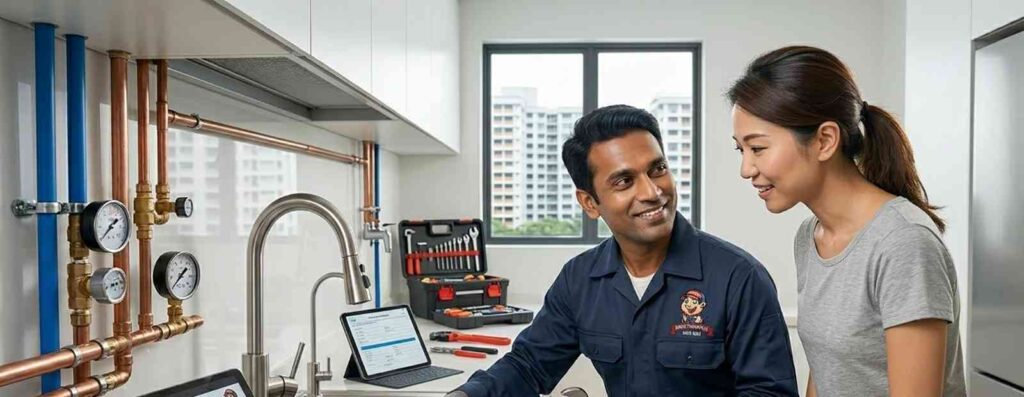
Understanding Plumbing Systems in Singapore Homes
Plumbing systems in Singapore are generally categorized into three main residential types: HDB flats, condominiums, and landed properties. Each system operates under different structural conditions, even though the water supply originates from a centralized public system managed by PUB.
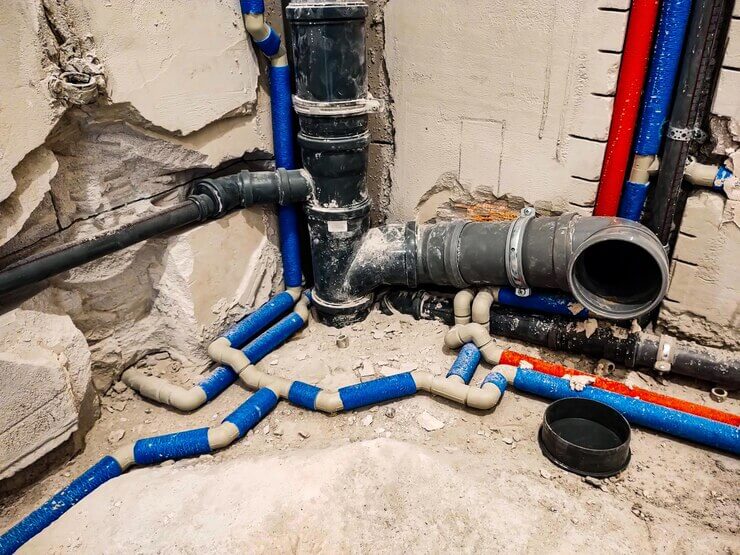
In most HDB flats, plumbing networks are vertically stacked, meaning your water pipes often connect with neighboring units above and below. This shared infrastructure can complicate leak detection and repair responsibility. Condominiums usually have more modern piping systems, often using PEX or copper pipes, while landed homes may have customized plumbing layouts with individual water tanks or pumps.
Understanding pipe materials is also essential. Older buildings may still rely on galvanized steel pipes, which are prone to corrosion over time. Modern homes increasingly use PVC, PEX, or copper piping due to their durability and resistance to scaling.
Water pressure is another key factor influenced by elevation. Units on higher floors often experience reduced pressure, while lower floors may deal with stronger flow. Knowing how your building’s plumbing system is structured helps in diagnosing issues faster and applying the right plumbing tips effectively.
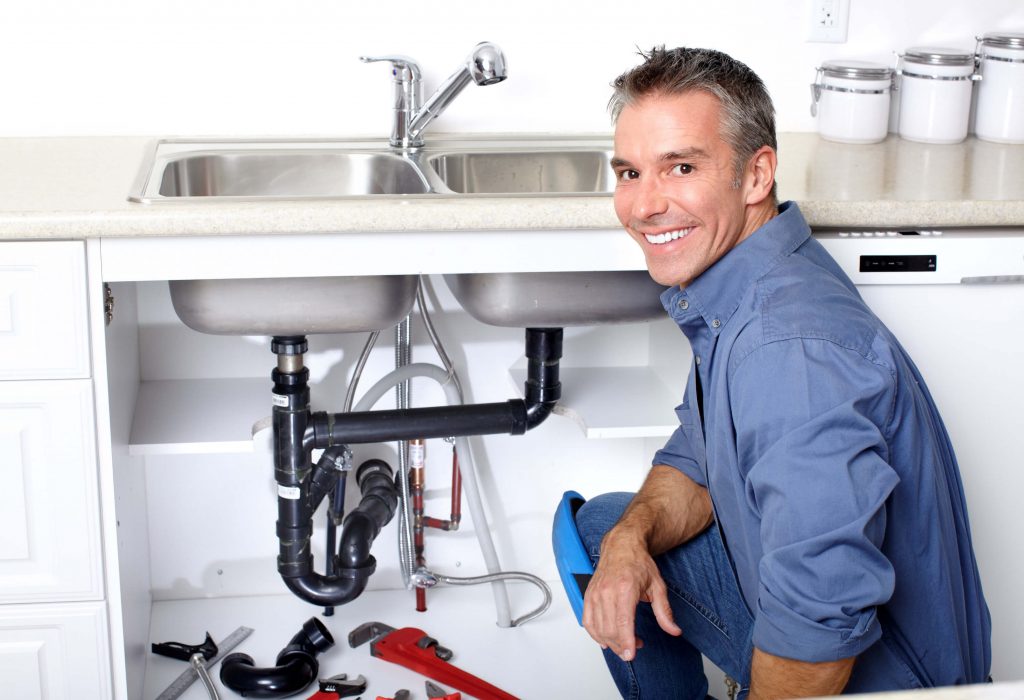
Common Plumbing Issues in Singapore Homes
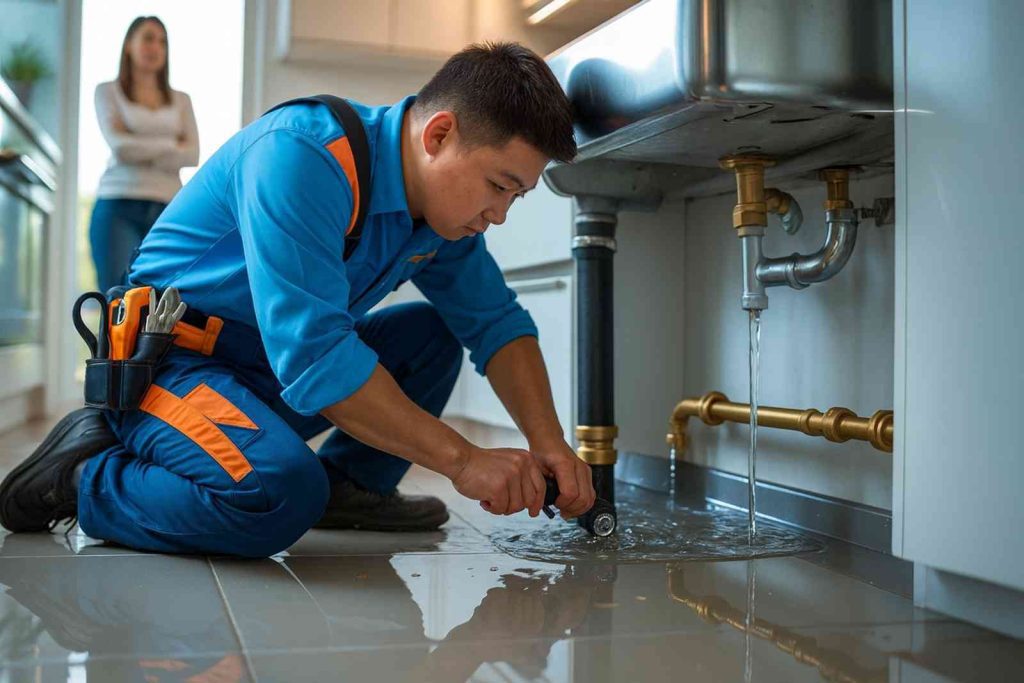
Plumbing problems in Singapore households tend to follow predictable patterns due to climate, infrastructure age, and usage habits. One of the most frequent issues is pipe leakage, often caused by worn-out seals or corrosion in older systems. Even a small leak can increase water bills significantly over time.
Clogged drains are another common complaint, especially in kitchens and bathrooms. Grease buildup, hair accumulation, and soap residue are typical causes. In high-rise living environments, shared drainage systems can also amplify blockages if neighboring units dispose of waste improperly.
Low water pressure is frequently reported in older HDB flats. This can be caused by sediment buildup, partially closed valves, or issues in pressure regulators. In some cases, it may relate to municipal supply fluctuations, although this is less common due to PUB’s stable infrastructure.
Pipe noise, often referred to as “water hammer,” can also occur when water flow is suddenly stopped. This is more noticeable in older buildings with rigid piping systems.
Understanding these common problems allows homeowners to respond early, reducing repair costs and preventing escalation into major plumbing failures.
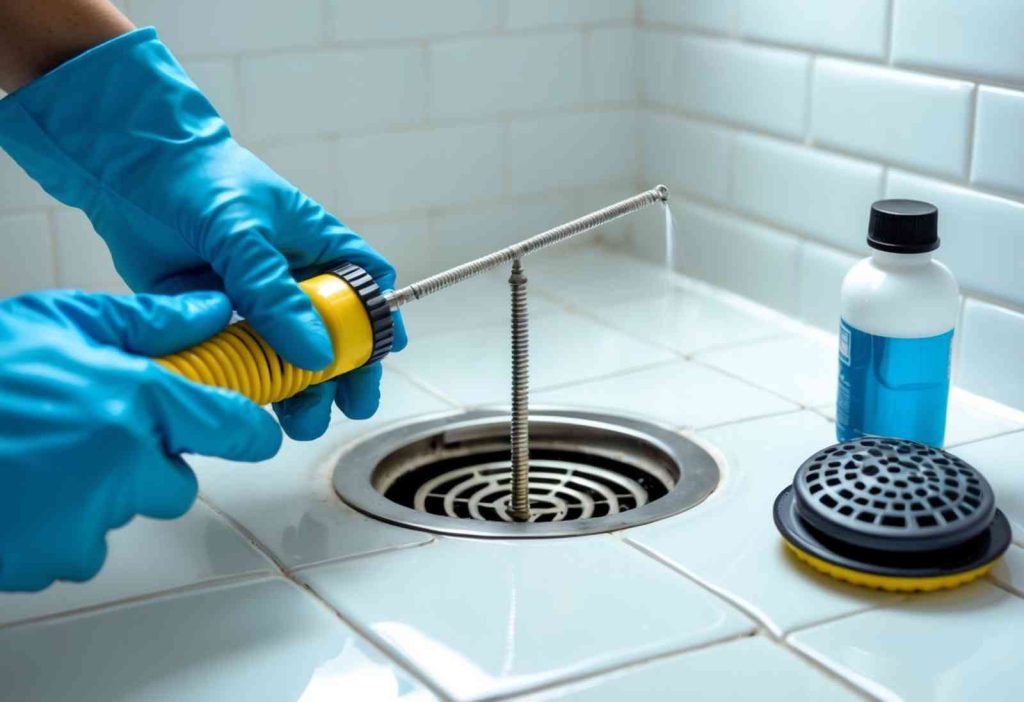
Essential Plumbing Tips for Singapore Homeowners
Maintaining a healthy plumbing system requires consistent attention rather than reactive repairs. One of the most effective plumbing tips is to conduct monthly visual inspections under sinks, behind toilets, and near exposed pipes. Small damp spots or discoloration often indicate early-stage leaks.
Another important practice is avoiding grease disposal down kitchen sinks. Even small amounts accumulate over time and create stubborn blockages. Instead, grease should be disposed of in solid waste containers.
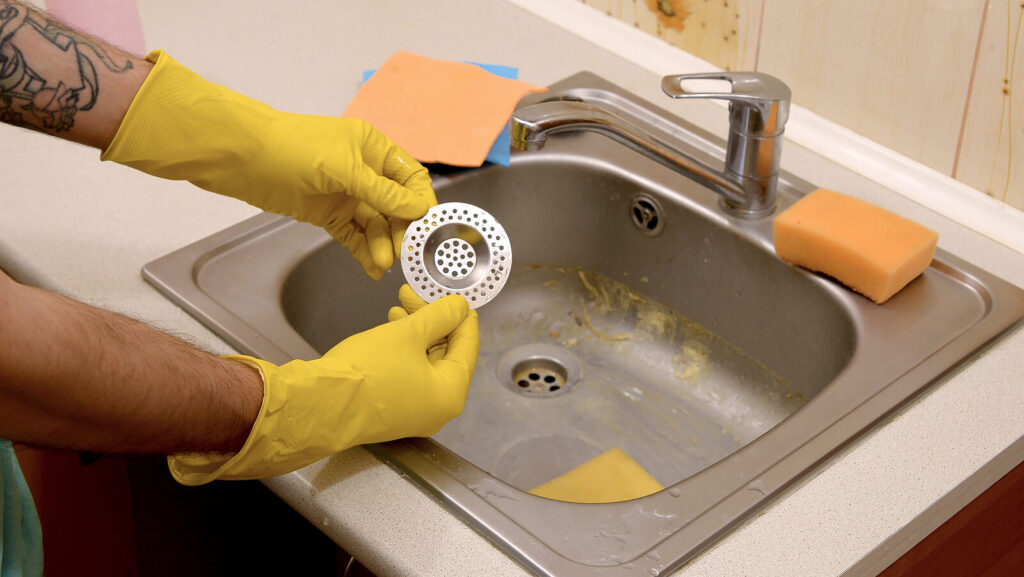
Installing mesh drain covers in bathrooms helps prevent hair and debris from entering drainage systems. This simple tool reduces clogging frequency significantly.
Homeowners should also periodically flush water heaters and storage tanks to remove sediment buildup, especially in areas with older plumbing infrastructure.
Pressure regulation is another overlooked aspect. Installing a pressure-reducing valve helps protect pipes from stress damage, particularly in multi-story buildings.
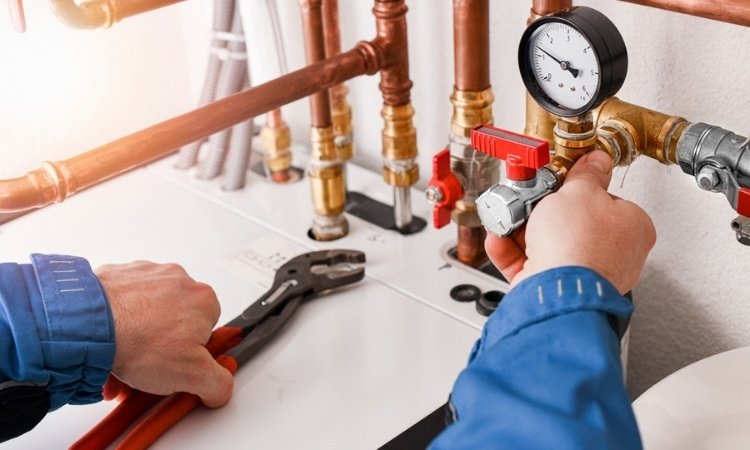
Regular maintenance of plumbing fixtures such as taps, showerheads, and valves ensures smooth water flow and prevents long-term wear. These small preventive actions reduce dependency on emergency plumbing services and extend the lifespan of your entire system.
HDB vs Condo Plumbing Considerations
Plumbing systems in HDB flats and condominiums differ significantly in structure and maintenance responsibility. In HDB flats, the plumbing network is more interconnected, meaning issues in one unit can sometimes affect neighboring units. Responsibility for repairs is also shared between homeowners and building management depending on the location of the fault.
Condominiums typically have more advanced plumbing systems with centralized maintenance teams. This makes repairs faster but also less flexible for individual modifications. Many condos use modern piping materials like PEX, which are more resistant to corrosion and easier to replace.
Water pressure control is generally more stable in condos due to integrated pumping systems. However, HDB flats may experience pressure inconsistencies, especially in older blocks.
Renovation restrictions also differ. HDB flats require approval for any major plumbing modifications, while condos may allow more customization depending on management policies.
Understanding these differences helps homeowners make informed decisions when planning upgrades or troubleshooting plumbing issues.
Water Pressure, Leaks, and Pipe Materials
Water pressure issues often originate from internal plumbing conditions rather than external supply problems. Sediment buildup inside pipes is a major contributor, especially in older housing estates. Regular flushing and maintenance help reduce this issue.
Leak detection should always start with visible signs such as damp walls, mold growth, or unusually high water bills. Advanced detection tools like moisture meters or thermal cameras are sometimes used by professional plumbers.
Pipe material plays a crucial role in long-term durability. Copper pipes offer strong resistance to corrosion but are more expensive. PVC pipes are affordable and widely used but may not handle high pressure as effectively. PEX pipes provide flexibility and resistance to scaling, making them increasingly popular in modern Singapore homes.
Choosing the right material during renovation can significantly reduce future plumbing issues and maintenance costs.
DIY Plumbing vs Professional Plumber Services
Some plumbing tasks can be safely handled by homeowners, while others require professional expertise. Simple fixes like replacing tap washers, cleaning drain covers, or tightening loose fittings fall under DIY maintenance.
However, complex issues such as concealed leaks, pipe bursts, or sewer line blockages require licensed plumbers. Attempting advanced repairs without proper tools can worsen damage.
Professional plumbers use diagnostic equipment such as pipe inspection cameras and pressure testing systems to identify hidden issues accurately. This ensures long-term solutions rather than temporary fixes.
Knowing when to call a professional saves both time and money in the long run.
Preventive Plumbing Maintenance Checklist
A structured maintenance routine helps avoid unexpected plumbing failures:
- Inspect visible pipes monthly
- Clean drain covers weekly
- Flush water heaters every 6–12 months
- Check for moisture under sinks
- Monitor water bills for sudden increases
- Test water pressure quarterly
- Replace worn-out seals promptly
- Schedule annual professional inspection
Consistent maintenance is more cost-effective than emergency repairs and extends system lifespan.
Plumbing Tools Every Home Should Have
Basic plumbing tools can help manage minor issues before they escalate:
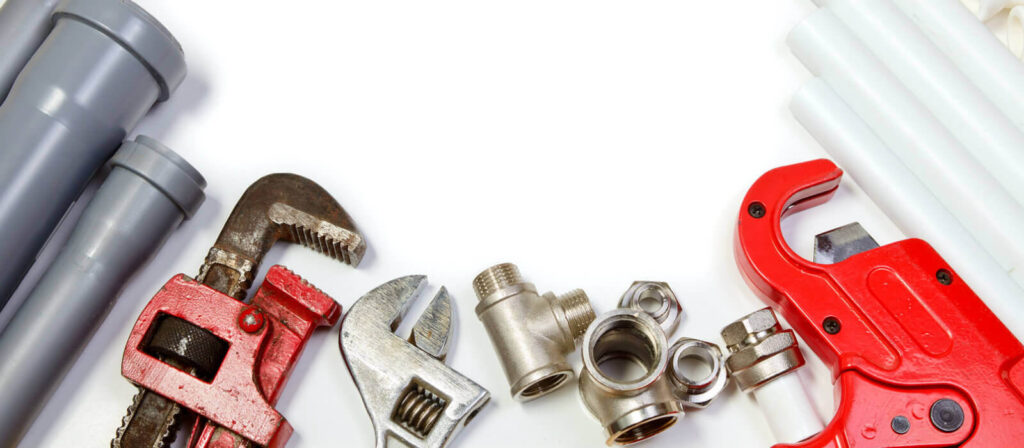
- Adjustable wrench
- Plunger
- Pipe wrench
- Teflon tape
- Drain snake
- Leak sealant
- Basin wrench
Brands like Bosch and Makita are commonly used by professionals for durability and precision tools.
Cost-Saving Plumbing Strategies
Reducing plumbing costs starts with prevention. Fixing small leaks immediately prevents water wastage and high utility bills. Installing water-efficient fixtures reduces long-term consumption.
Routine maintenance also reduces the likelihood of expensive emergency repairs. Comparing repair quotes before hiring a plumber ensures fair pricing.
Comparison Table: DIY vs Professional Plumbing
| Factor | DIY Fixes | Professional Service |
|---|---|---|
| Cost | Low | Higher upfront |
| Risk | Moderate | Low |
| Tools | Basic | Advanced |
| Effectiveness | Short-term | Long-term |
| Complexity Handling | Limited | High |
When to Call a Professional Plumber
You should contact a plumber when:
- Water leakage is hidden or persistent
- Pipes burst or crack
- Drain blockages keep recurring
- Water pressure suddenly drops
- Sewage smells appear indoors
Timely intervention prevents structural damage and costly repairs.
FAQ – Plumbing Tips Singapore
1. Why do pipes leak frequently in Singapore homes?
Humidity, aging infrastructure, and high-rise pressure differences contribute to frequent leaks.
2. How often should plumbing be inspected?
At least once a year for professional inspection and monthly for visual checks.
3. What is the main cause of clogged drains?
Hair, grease buildup, and soap residue are the most common causes.
4. Are DIY plumbing fixes safe?
Yes for minor issues, but major problems should always be handled by professionals.
5. How can I improve water pressure at home?
Check for blockages, clean aerators, and consider installing a pressure regulator.