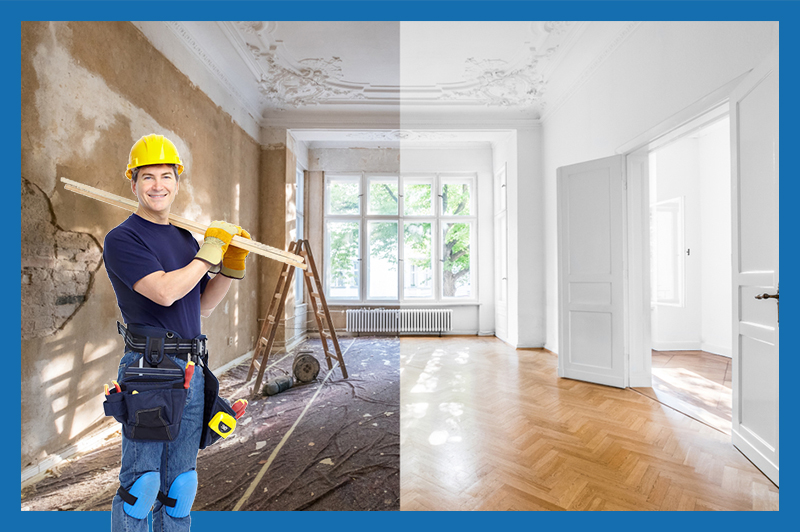
Keeping a home maintenance Singapore takes more than occasional cleaning and repairs. The country’s humid climate, frequent rainfall, high-rise living conditions, and urban environment place constant pressure on residential properties. Without regular upkeep, small problems such as water leaks, mould growth, air-conditioning inefficiency, or damaged electrical fittings can quickly turn into expensive repairs.
Homeowners today are also paying closer attention to property value preservation. A well-maintained apartment or landed property not only creates a healthier living environment but also protects long-term investment value. This matters even more in Singapore’s competitive property market, where buyers and tenants often judge a property by its condition before considering location or pricing.
A proper maintenance routine helps prevent structural damage, reduces emergency repair costs, improves indoor comfort, and increases the lifespan of household systems. From plumbing inspections and roof maintenance to aircon servicing and pest prevention, every part of a home requires attention throughout the year.
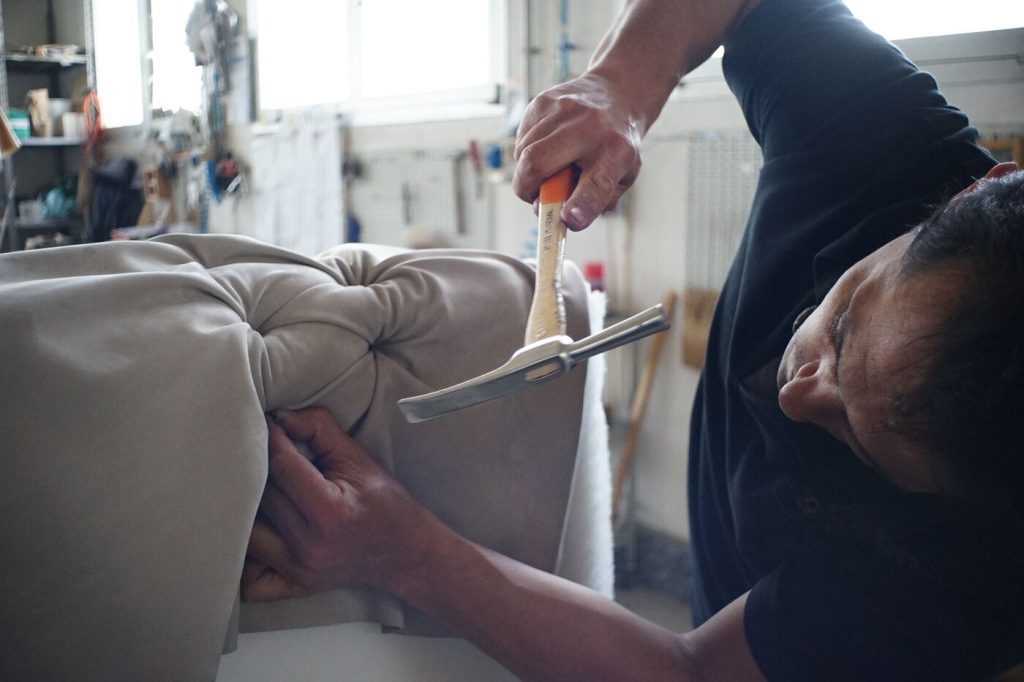
This guide covers everything homeowners need to know about home maintenance in Singapore, including seasonal checklists, preventive strategies, maintenance costs, common household issues, and practical solutions that suit both HDB flats and private properties.
Why Home Maintenance Matters in Singapore
Singapore’s tropical climate creates unique challenges for residential properties. Constant humidity encourages mould growth, moisture damage, wood swelling, and corrosion in metal fixtures. Heavy rainstorms can expose roof leaks, drainage issues, and waterproofing failures. Air-conditioning systems work harder due to year-round heat, increasing wear and energy consumption.
For homeowners, regular maintenance is less expensive than emergency repairs. A leaking pipe ignored for months can eventually damage flooring, ceilings, and electrical systems. Similarly, neglected air conditioners consume more electricity while delivering weaker cooling performance.
Home maintenance also plays a direct role in property value. Buyers are more likely to trust a home that shows signs of consistent care. Cracked walls, mould stains, peeling paint, and damaged fittings can create negative impressions even if the property is structurally sound.
Another important factor is health and safety. Poor ventilation, pest infestations, clogged drains, and faulty wiring can affect indoor air quality and household safety. Families with children or elderly residents benefit greatly from preventive maintenance because it reduces risks inside the home.
In Singapore, many homeowners now adopt planned maintenance schedules instead of waiting for problems to appear. This proactive approach helps reduce stress, improve budgeting, and maintain a comfortable living environment throughout the year.
Common Home Maintenance Problems in Singapore
Air Conditioning Issues
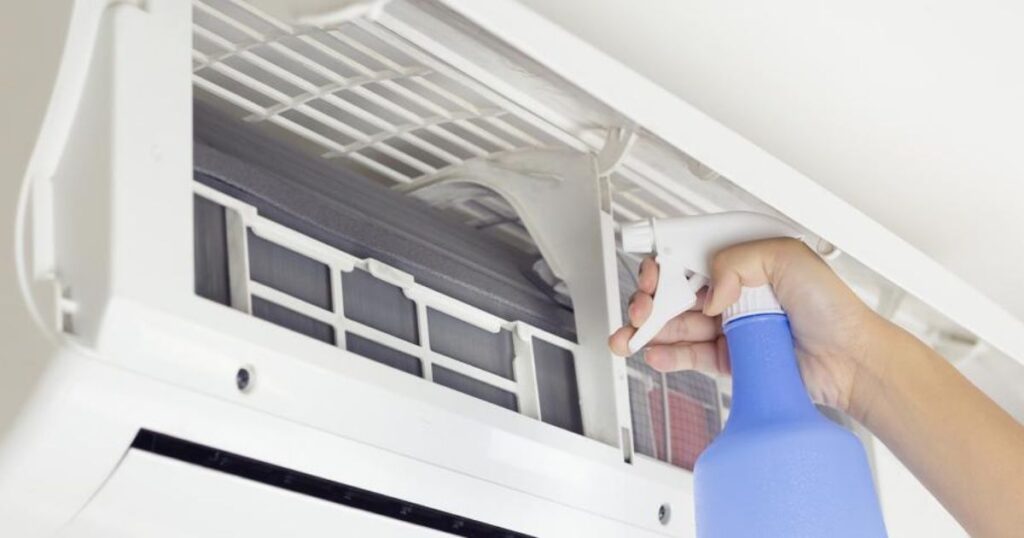
Air conditioners run almost daily in Singapore, making them one of the most heavily used household systems. Without servicing, dust buildup reduces cooling efficiency and increases electricity bills. Water leakage from indoor units is another common issue caused by clogged drainage pipes or dirty filters.
Signs your aircon needs maintenance include:
- Weak airflow
- Unusual noises
- Water dripping
- Higher utility bills
- Uneven cooling
- Bad odours
Routine servicing every three to six months helps maintain energy efficiency and extends system lifespan.
Plumbing and Water Leakage
Water leaks are among the most expensive maintenance issues in Singapore homes. Hidden pipe leaks can damage cabinets, flooring, and walls before becoming visible. Older HDB flats may also face pipe corrosion or bathroom waterproofing problems.
Homeowners should inspect:
- Under-sink piping
- Toilet flush systems
- Shower drainage
- Water heater connections
- Kitchen plumbing joints
Early detection prevents larger structural repairs and mould growth.
Mould and Humidity Damage
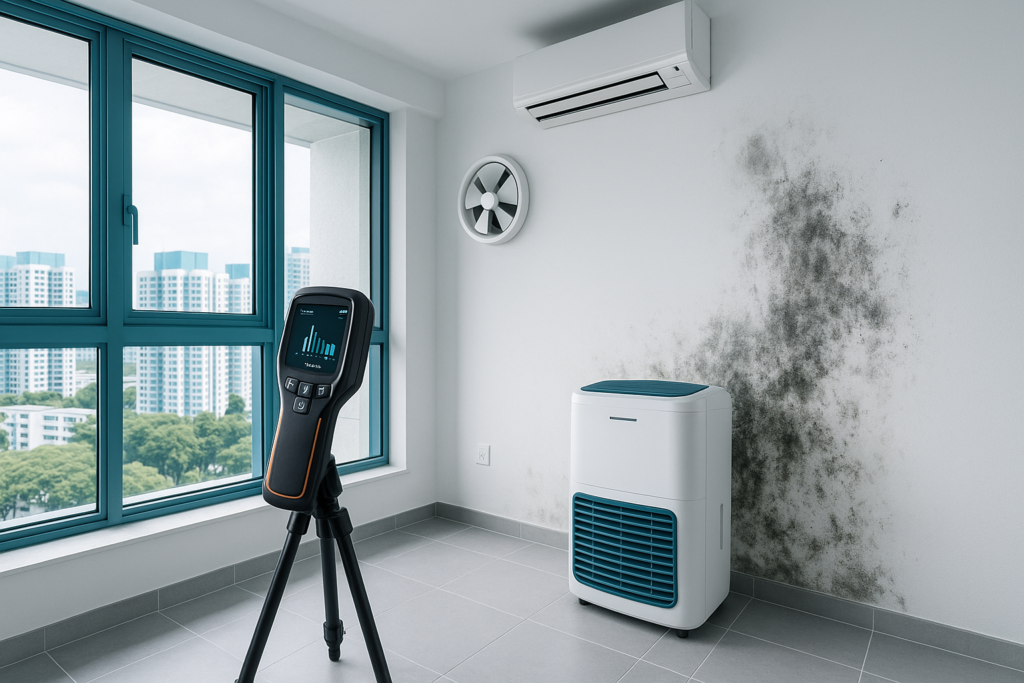
Humidity levels in Singapore remain high throughout the year. Poor ventilation combined with moisture buildup creates ideal conditions for mould growth, especially in bathrooms, kitchens, storage rooms, and behind furniture.
Mould exposure may trigger respiratory irritation, allergies, and unpleasant odours. Proper ventilation, dehumidifiers, regular cleaning, and waterproof paint can help control moisture-related damage.
Electrical Problems
Electrical maintenance is often overlooked until a serious issue occurs. Flickering lights, overloaded sockets, and damaged wiring should never be ignored. Older properties may require rewiring to support modern appliance loads safely.
Common electrical warning signs include:
- Burning smells
- Frequent tripping
- Warm power outlets
- Sparking switches
- Buzzing sounds
Professional inspections improve household safety and reduce fire risks.
Essential Home Maintenance Checklist for Singapore Homes
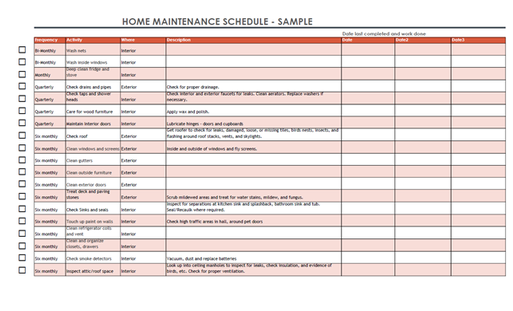
A structured maintenance schedule helps homeowners stay organised and prevent costly repairs. Different systems require attention at different times of the year.
| Maintenance Area | Recommended Frequency | Key Tasks |
|---|---|---|
| Aircon Servicing | Every 3–6 months | Filter cleaning, gas check |
| Plumbing Inspection | Every 6 months | Leak detection, drainage checks |
| Electrical Inspection | Yearly | Wiring and socket testing |
| Roof & Ceiling Check | Yearly | Leak inspection |
| Deep Cleaning | Quarterly | Kitchen, bathroom, ventilation |
| Pest Control | Every 3–6 months | Termite and cockroach treatment |
| Waterproofing Inspection | Every 1–2 years | Bathroom and balcony sealing |
| Painting Touch-Ups | Every 3–5 years | Moisture and wall repair |
A checklist approach also helps homeowners manage maintenance budgets more effectively because repairs become predictable instead of sudden emergencies.
HDB vs Condo vs Landed Property Maintenance
HDB Flats
HDB homeowners usually manage interior maintenance while common corridors and building exteriors fall under town council responsibilities. Common HDB maintenance concerns include plumbing leaks, bathroom waterproofing, kitchen ventilation, and ageing electrical systems.
Older HDB units may require:
- Pipe replacement
- Repainting
- Window maintenance
- Flooring repairs
- Bathroom upgrading
Space constraints in HDB flats also make ventilation management more important for reducing humidity buildup.
Condominium Units
Condo owners often pay monthly maintenance fees covering shared facilities and external building maintenance. However, internal repairs remain the owner’s responsibility.
Condo maintenance commonly involves:
- Aircon servicing
- Balcony waterproofing
- Smart home system maintenance
- Glass panel cleaning
- Appliance upkeep
Luxury condominiums may also include integrated systems requiring specialised servicing.
Landed Properties
Landed homes require the highest level of maintenance because owners manage both interior and exterior structures. Roofs, gates, driveways, gardens, drainage systems, and exterior walls all require ongoing care.
Common landed property maintenance tasks include:
- Roof inspections
- Exterior repainting
- Gutter cleaning
- Pest control
- Landscape maintenance
- Fence repairs
Due to larger property size, preventive maintenance becomes even more important to avoid large-scale repair costs.
Preventive Maintenance Saves Money
Many homeowners delay maintenance because repairs seem unnecessary at the moment. In reality, preventive maintenance is one of the most effective ways to reduce household expenses over time.
For example:
- Cleaning aircon filters reduces electricity consumption.
- Early leak repairs prevent flooring replacement.
- Roof inspections stop water damage before structural deterioration occurs.
- Pest control prevents termite damage to wooden fixtures.
Research from property management studies consistently shows preventive maintenance costs significantly less than emergency repairs. Regular servicing also extends appliance lifespan, reducing replacement frequency.
A proactive homeowner often spends less over ten years than someone who only reacts to visible problems.
Smart Home Maintenance Trends in Singapore
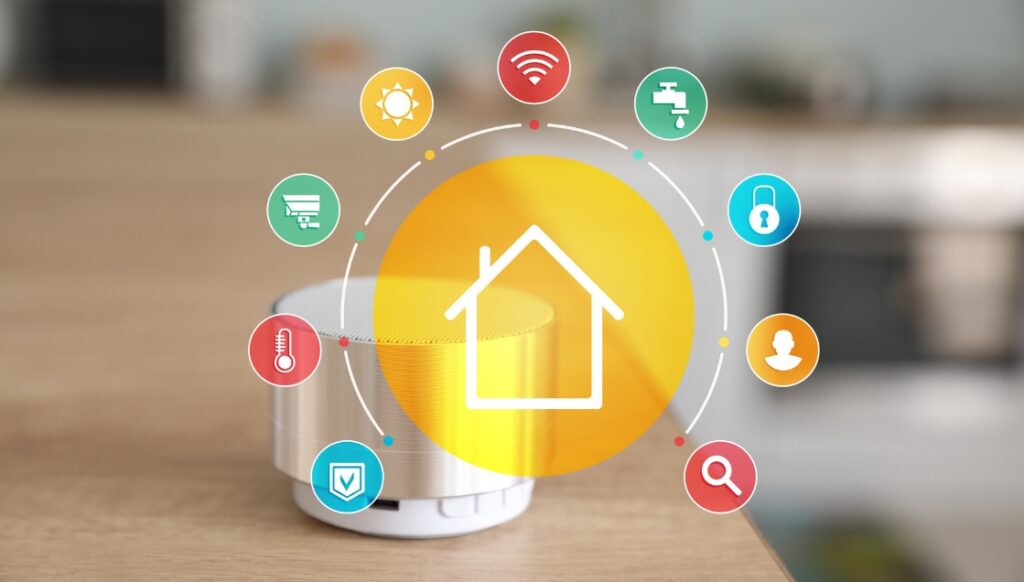
Singapore homeowners are increasingly adopting technology to improve property management. Smart home systems now support preventive maintenance by detecting issues earlier.
Popular maintenance technologies include:
- Smart leak detectors
- Wi-Fi surveillance cameras
- Energy monitoring systems
- Automated lighting controls
- Smart aircon management
- Humidity sensors
These tools help homeowners monitor properties remotely, especially useful for landlords and frequent travellers.
Property management apps are also becoming common in condominiums. Residents can schedule repairs, report maintenance issues, and track servicing history digitally.
Sustainability is another growing trend. Energy-efficient appliances, water-saving fixtures, and eco-friendly materials reduce utility costs while supporting Singapore’s environmental goals.
Seasonal Home Maintenance Tips for Singapore
Although Singapore does not experience traditional seasons, weather variations still affect home maintenance planning.
During Heavy Rain Periods
Rainstorms increase the risk of leaks and drainage problems. Homeowners should:
- Inspect windows for seepage
- Clear balcony drains
- Check ceiling stains
- Monitor roof conditions
- Test waterproofing seals
During Hotter Months
Warmer periods place additional strain on cooling systems. Recommended tasks include:
- Servicing air conditioners
- Cleaning ventilation fans
- Monitoring electricity usage
- Checking refrigerator efficiency
During Holiday Travel Periods
Before leaving home for extended periods:
- Turn off unnecessary appliances
- Inspect plumbing connections
- Empty rubbish bins
- Secure windows and doors
- Arrange periodic property checks
These simple precautions reduce risks while protecting the property from avoidable damage.
Much Does Home Maintenance Cost in Singapore?
Home maintenance costs vary depending on property type, age, and repair frequency. Older homes generally require higher maintenance budgets due to wear and ageing infrastructure.
Average yearly maintenance estimates:
| Property Type | Estimated Annual Maintenance Cost |
|---|---|
| HDB Flat | SGD 1,000 – SGD 3,000 |
| Condominium | SGD 2,000 – SGD 5,000 |
| Landed Property | SGD 5,000 – SGD 15,000+ |
Common service costs include:
- Aircon servicing: SGD 40–150 per session
- Plumbing repairs: SGD 80–300
- Electrical troubleshooting: SGD 100–400
- Waterproofing repairs: SGD 500–5,000
- Painting services: SGD 800–6,000
Preventive maintenance usually spreads expenses more evenly across the year, helping homeowners avoid sudden financial pressure.
DIY Maintenance vs Professional Services
Some maintenance tasks are suitable for homeowners, while others require trained professionals.
DIY Tasks
Homeowners can usually handle:
- Filter cleaning
- Minor touch-up painting
- Basic cleaning
- Furniture maintenance
- Drain unclogging
- Silicone seal replacement
Professional Services
Professional help is recommended for:
- Electrical repairs
- Waterproofing
- Structural inspections
- Roof maintenance
- Gas-related systems
- Major plumbing repairs
Hiring qualified technicians improves safety and reduces the risk of improper repairs causing larger problems later.
Signs Your Home Needs Immediate Attention
Some household issues should never be postponed because they may indicate serious underlying damage.
Watch for these warning signs:
- Persistent mould smell
- Cracks spreading across walls
- Water stains on ceilings
- Frequent power outages
- Bubbling paint
- Sagging flooring
- Pest infestations
- Rusted piping
Immediate inspection helps prevent structural deterioration and expensive restoration work.
Home Maintenance Tips for Long-Term Property Value
Property value preservation requires consistent effort over many years. Buyers and tenants often compare maintenance standards when evaluating homes.
To maintain long-term value:
- Keep servicing records
- Upgrade ageing fixtures
- Repaint periodically
- Replace damaged flooring early
- Maintain clean bathrooms and kitchens
- Prevent moisture accumulation
- Invest in quality materials
Modern buyers also value energy efficiency and smart technology integration. Updating lighting systems, appliances, and ventilation can improve both property appeal and utility savings.
Homeowners planning future resale should think of maintenance as an investment rather than an expense.
Creating a Practical Home Maintenance Schedule
A maintenance schedule prevents homeowners from forgetting important tasks. The most effective schedules divide responsibilities into monthly, quarterly, and yearly categories.
Monthly Tasks
- Clean aircon filters
- Check for leaks
- Test smoke detectors
- Inspect drains
- Wipe kitchen exhaust systems
Quarterly Tasks
- Deep clean bathrooms
- Conduct pest inspections
- Check balcony waterproofing
- Clean ceiling fans
- Inspect electrical outlets
Yearly Tasks
- Professional electrical inspection
- Roof evaluation
- Repainting touch-ups
- Plumbing pressure tests
- Appliance servicing
Digital reminders or home management apps can help organise recurring maintenance efficiently.
Why Preventive Maintenance Is Growing in Singapore
Singapore’s property market continues evolving, and homeowners increasingly recognise the financial benefits of preventive care. Rising repair costs, labour shortages, and ageing residential buildings are encouraging earlier intervention instead of delayed repairs.
Many property owners now schedule annual maintenance budgets similarly to insurance planning. This mindset reduces stress because maintenance becomes predictable and manageable.
Condominium management teams are also adopting stricter preventive inspection schedules to reduce emergency incidents affecting shared facilities. As buildings age across Singapore, maintenance quality becomes a stronger factor in determining long-term property desirability.
Preventive maintenance also supports healthier living environments, which gained greater importance after homeowners began spending more time indoors in recent years.
Frequently Asked Questions
How often should air conditioners be serviced in Singapore?
Air conditioners should generally be serviced every three to six months due to Singapore’s hot and humid climate. Frequent use causes dust accumulation that reduces cooling efficiency and increases electricity consumption.
What is the most common home maintenance problem in Singapore?
Water leakage is one of the most common issues. High humidity, ageing pipes, and heavy rainfall contribute to plumbing leaks, ceiling seepage, and waterproofing failures.
Is preventive maintenance worth the cost?
Yes. Preventive maintenance usually costs much less than emergency repairs. Regular inspections help identify problems early before structural damage occurs.
How can I reduce mould growth at home?
Improve ventilation, use dehumidifiers, clean damp surfaces regularly, and avoid trapping moisture behind furniture. Bathrooms and kitchens should remain well-ventilated after use.
How much should homeowners budget for yearly maintenance?
The budget depends on property type and age. HDB owners may spend around SGD 1,000–3,000 annually, while landed properties often require significantly higher maintenance budgets.
Should I hire professionals for electrical repairs?
Yes. Electrical work should always be handled by qualified professionals to ensure household safety and compliance with safety standards.
What increases property maintenance costs the most?
Major waterproofing failures, structural repairs, roof damage, and outdated plumbing systems typically create the highest repair costs when neglected for long periods.