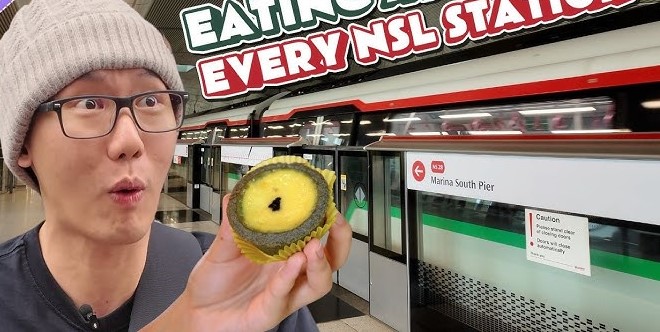
Eatbook has transformed from a local food discovery platform into one of Singapore’s most recognizable digital lifestyle media brands. Built around food journalism, restaurant reviews, social storytelling, and video-first entertainment, Eatbook has become a major influence in Southeast Asia’s food and creator economy.
Over the last decade, the brand expanded far beyond simple restaurant recommendations. Its editorial style, viral social media clips, and audience-driven food coverage helped it establish a loyal online following across YouTube, Instagram, TikTok, Facebook, and Google Search. The platform’s ability to shape dining trends and spotlight local eateries has turned Eatbook into a valuable digital media business with growing commercial influence.
The discussion surrounding Eatbook net worth in 2026 reflects the broader rise of digital-first food publishing. Modern media brands are no longer dependent solely on advertisements. Instead, companies like Eatbook monetize through branded campaigns, affiliate partnerships, social video sponsorships, SEO traffic, event collaborations, and multimedia distribution.
According to company profiles and media reports, Eatbook has generated millions of monthly views across platforms while continuing to scale its online visibility.

Today, Eatbook stands among the leading food-focused digital brands in Singapore’s online entertainment and lifestyle space.
| Field | Details |
|---|---|
| Full Name | Eatbook.sg |
| Founded | 2015 |
| Age | Around 11 years |
| Birthplace | Singapore |
| Nationality | Singaporean |
| Profession | Digital Food Media Brand |
| Famous For | Food reviews, restaurant guides, viral food videos |
| Founder | Media and editorial team |
| Industry | Digital Media & Food Journalism |
| Net Worth | Estimated multi-million digital media valuation |
| Headquarters | Singapore |
| Main Platforms | Website, YouTube, Instagram, TikTok, Facebook |
| Content Style | Food discovery, restaurant reviews, food trends |
| Primary Audience | Singapore and Southeast Asia |
| Revenue Sources | Advertising, sponsorships, branded campaigns, affiliate marketing |
| Employees | Small-to-mid-sized media team |
| Residence | Singapore |
| Religion | Not publicly emphasized |
| Ethnicity | Multicultural Singapore-based brand |
| Social Media Presence | Strong multi-platform audience reach |
Who Is Eatbook?
Eatbook is a Singapore-based food and lifestyle media company known for publishing restaurant reviews, hawker recommendations, food trend coverage, and entertaining culinary content.
The platform officially launched in 2015 and quickly gained momentum among younger digital audiences looking for authentic dining recommendations. Unlike traditional newspaper food columns, Eatbook leaned heavily into visually engaging storytelling and social-first publishing. That strategy helped the company grow rapidly in Singapore’s highly competitive online media market.
Eatbook became particularly popular because of its approachable editorial tone. Its videos and articles feel conversational, energetic, and highly visual. The company also developed credibility by focusing on everyday dining experiences rather than only luxury restaurants.
According to the company’s official background page, Eatbook generates millions of monthly views across multiple platforms.
The brand’s influence extends across:
- YouTube food documentaries
- TikTok food trends
- Instagram restaurant showcases
- Search-driven food guides
- Viral café reviews
- Lifestyle entertainment videos
Its content strategy aligns closely with modern creator-economy publishing models where media brands operate similarly to influencers.
Today, Eatbook is often discussed alongside leading Asian digital publishers in the food and lifestyle niche.
For additional background on digital publishing trends, readers can explore Forbes and The New York Times coverage of creator-driven media businesses.
Early Life & Background
The story behind Eatbook reflects the changing landscape of modern online publishing
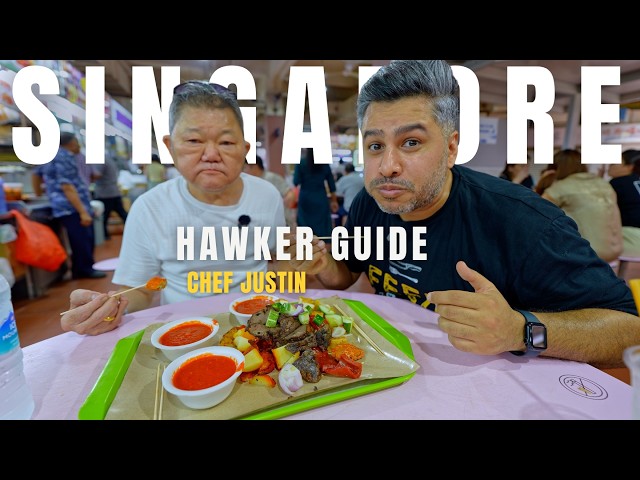
During the mid-2010s, digital media consumption shifted dramatically toward mobile-first content. Traditional newspapers and static review websites struggled to maintain younger audiences, while video-centric platforms began dominating internet culture.
Eatbook emerged during this transition period.
Singapore already had a deeply established food culture, ranging from hawker centers to luxury restaurants. However, there was growing demand for relatable food content tailored specifically for younger social media users.
Eatbook positioned itself perfectly within that gap.
Instead of presenting restaurant criticism in a formal editorial style, the platform introduced:
- Short-form visual storytelling
- Social-media-friendly food videos
- Interactive restaurant features
- Casual lifestyle journalism
- Accessible recommendations for everyday diners
This approach allowed the brand to connect naturally with millennials and Gen Z audiences.
The rise of Instagram and YouTube also played a major role in Eatbook’s expansion. Food content became one of the internet’s most consumed entertainment categories globally, and Eatbook capitalized on this momentum early.
As its online traffic increased, the platform evolved from a niche blog into a fully developed digital media business.
Education
Because Eatbook operates as a media organization rather than an individual celebrity, its identity centers more around editorial expertise and digital publishing experience than formal academic branding.
The company’s growth reflects a strong understanding of:
- SEO publishing
- Social media algorithms
- YouTube audience retention
- Food journalism
- Content monetization
- Brand storytelling
- Video production
Its editorial execution demonstrates the kind of media strategy commonly associated with modern digital publishing companies.
For insights into digital media evolution and online journalism, readers often reference resources from Wikipedia and USA Today.
Career Journey
Early Career
When Eatbook launched in Singapore in 2015, the food content market was already crowded with blogs and restaurant review platforms. Yet the company differentiated itself through speed, accessibility, and entertainment-driven publishing.
Instead of relying solely on long-form articles, Eatbook integrated social media distribution into its core strategy.
This allowed the platform to gain traction rapidly.
Its early content focused heavily on:
- Affordable food recommendations
- Hidden cafés
- Hawker culture
- Dessert trends
- Budget meals
- Viral restaurant launches
These topics resonated strongly with younger urban audiences.

As smartphone usage expanded across Southeast Asia, Eatbook’s mobile-first publishing model became increasingly effective.
Growth in Social Media
Social media became the foundation of Eatbook’s rapid rise.
The brand established a strong presence on:
- YouTube
- TikTok
- Telegram
According to Eatbook’s official company information, the brand accumulated substantial audience reach across multiple channels.
Its videos often feature:
- Taste tests
- Food challenges
- Café tours
- Restaurant rankings
- Street food coverage
- Trend-based food experiments
This content style aligns perfectly with algorithm-driven discovery systems on modern social platforms.
Eatbook’s video production quality also improved significantly over time, helping the brand compete with larger regional publishers.
Rise in Influence
As Eatbook’s traffic and social following increased, the company became more than a review platform.
It evolved into an influential recommendation engine within Singapore’s food ecosystem.
Restaurants featured by Eatbook frequently experience:
- Increased foot traffic
- Viral exposure
- Online engagement boosts
- Reservation spikes
- Social media attention
This influence strengthened Eatbook’s commercial value.
The platform also expanded into broader lifestyle coverage while maintaining food as its core identity.
Its ability to combine entertainment with consumer recommendations made the brand highly attractive to advertisers.
Brand Collaborations
Commercial partnerships became a major part of Eatbook’s business model.
The company collaborates with:
- Restaurant chains
- Beverage brands
- Food delivery services
- Consumer lifestyle companies
- Hospitality groups
- Retail brands
These collaborations often include:
- Sponsored campaigns
- Integrated social videos
- Branded editorial features
- Event coverage
- Product launches
- Influencer activations
Digital publishers with highly engaged audiences are particularly valuable to advertisers because of their direct consumer influence.
Eatbook’s strong niche authority in food discovery gives it substantial market positioning within Singapore’s media landscape.
Current Digital Presence
Today, Eatbook operates as a multi-platform digital media ecosystem.
Its content distribution spans:
- Organic Google Search
- YouTube recommendations
- TikTok discovery feeds
- Instagram Reels
- Facebook video
- Direct website traffic
According to public company profiles, Eatbook continues attracting millions of monthly website visits and social impressions.
The company’s modern media strategy reflects broader global trends discussed by publications like Forbes and The New York Times regarding creator-led publishing businesses.
Eatbook Net Worth (2026)
The estimated valuation and business worth of Eatbook in 2026 is believed to fall within the multi-million-dollar range based on:
- Audience scale
- Monthly web traffic
- Brand partnerships
- Digital advertising value
- Video monetization
- Media influence
- Content licensing opportunities
While Eatbook operates differently from a traditional celebrity influencer, its business model mirrors modern creator-media companies that generate revenue from diversified digital channels.
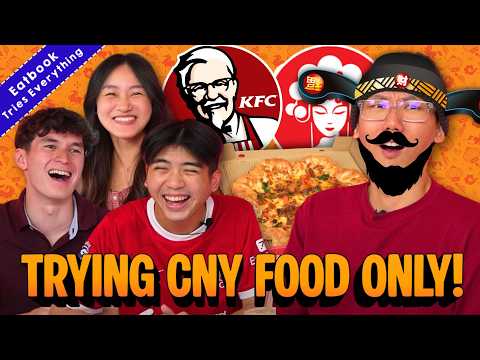
Estimated Net Worth Range
Industry estimates place Eatbook’s overall media business valuation in the range commonly associated with established regional digital publishers.
Its commercial value is supported by:
- Strong search engine visibility
- High social engagement
- Large monthly audience reach
- Established advertiser relationships
- Long-term brand recognition
Main Income Sources
Brand Deals
Sponsored collaborations represent one of Eatbook’s most important revenue streams.
Brands pay premium rates for exposure because Eatbook’s audience consists largely of highly engaged consumers interested in dining and lifestyle trends.
Advertising Revenue
Website advertising remains a major monetization channel.
With millions of monthly page views, Eatbook benefits from:
- Display advertising
- Programmatic ad networks
- Sponsored content placements
- Video advertisements
YouTube Monetization
YouTube contributes through:
- Ad revenue
- Sponsored integrations
- Premium partnerships
- Video campaign distribution
Video content continues to dominate digital publishing economics globally.
Affiliate Income
Affiliate partnerships allow Eatbook to earn commissions from:
- Restaurant booking referrals
- Food delivery partnerships
- Lifestyle product recommendations
- Dining promotions
Social Media Campaigns
Instagram and TikTok collaborations have become increasingly valuable for food-focused media companies.
Short-form video advertising delivers high engagement rates, particularly within younger demographics.
Business Model Analysis
Eatbook’s business strategy reflects the evolution of modern media economics.
Traditional publishing relied heavily on subscriptions and print advertising. Digital brands like Eatbook instead monetize through audience attention and platform distribution.
This includes:
- SEO traffic monetization
- Social media engagement
- Creator partnerships
- Native advertising
- Community-driven content
The company’s strong niche authority in Singapore food culture gives it significant long-term commercial sustainability.
Lifestyle
Although Eatbook operates primarily as a media company, its public image reflects a vibrant urban lifestyle brand closely tied to food culture and social experiences.
Its content emphasizes:
- Trendy cafés
- Luxury dining
- Hawker food culture
- Travel-inspired cuisine
- Social outings
- Lifestyle entertainment
The brand’s visual identity combines modern social aesthetics with approachable storytelling.
Eatbook’s videos frequently showcase:
- Restaurant interiors
- Food preparation
- Travel experiences
- Local culinary culture
- Viral menu items
This polished visual presentation strengthens its appeal across Instagram, TikTok, and YouTube.
Relationship Status
As a corporate media brand rather than an individual celebrity personality, Eatbook maintains a public identity centered on editorial and creative work rather than personal relationship coverage.
Its focus remains on:
- Food journalism
- Entertainment publishing
- Digital storytelling
- Audience engagement
- Social media growth
Social Media Profiles Table
| Platform | Handle |
|---|---|
| Website | eatbook.sg |
| @eatbooksg | |
| TikTok | @eatbooksg |
| YouTube | Eatbook |
| Eatbook.sg | |
| Telegram | Eatbook Channel |
Official company website: Eatbook.sg
Awards & Achievements
Eatbook has achieved notable recognition within Singapore’s digital publishing and food media space.
Key achievements include:
- Building a large regional food audience
- Generating millions of monthly views
- Becoming a recognizable food discovery authority
- Expanding successfully across multiple social platforms
- Influencing dining trends in Singapore
- Creating a trusted recommendation-based brand identity
Its continued audience growth demonstrates strong consumer trust and digital relevance.
Lesser Known Facts About Eatbook
- Eatbook launched in Singapore in 2015.
- The brand focuses heavily on video-first storytelling.
- Hawker food content remains one of its strongest audience drivers.
- Eatbook produces both editorial and social media campaigns.
- The company built strong engagement through relatable humor.
- TikTok expansion accelerated its younger audience growth.
- Food challenge videos perform strongly on YouTube.
- Eatbook operates across multiple publishing channels simultaneously.
- Restaurant discovery remains the company’s core niche.
- Its omnichannel publishing strategy helped scale audience reach quickly.

FAQs
What is Eatbook net worth in 2026?
Eatbook’s estimated business valuation is believed to be within the multi-million-dollar digital media range based on advertising revenue, social reach, and brand partnerships.
What is Eatbook famous for?
Eatbook is known for restaurant reviews, café recommendations, food videos, and social media food discovery content.
Is Eatbook a company or influencer?
Eatbook operates as a Singapore-based digital food media company with influencer-style publishing strategies.
When was Eatbook founded?
Eatbook launched in 2015 in Singapore.
How does Eatbook make money?
The company earns through advertising, sponsorships, YouTube monetization, affiliate marketing, and branded collaborations.
Where is Eatbook based?
Eatbook is headquartered in Singapore.
Does Eatbook have a YouTube channel?
Yes, Eatbook maintains an active YouTube presence featuring food reviews and entertainment-driven culinary content.
What type of content does Eatbook create?
Its content includes restaurant reviews, food trends, café guides, taste tests, and lifestyle food videos.
Is Eatbook popular on social media?
Yes, Eatbook has developed strong followings across Instagram, TikTok, Facebook, YouTube, and Telegram.
Why is Eatbook influential in Singapore?
Its food recommendations, viral videos, and strong online visibility have made it a trusted source for restaurant discovery.
Conclusion
Eatbook represents the modern evolution of food journalism in the creator economy era. By combining entertainment, social storytelling, SEO publishing, and influencer-style branding, the company built a powerful digital media presence that resonates strongly with younger audiences.
Its continued growth highlights the commercial potential of niche-focused online publishing. As digital advertising, video content, and social commerce continue expanding, Eatbook remains well-positioned within Southeast Asia’s rapidly evolving creator ecosystem.
The discussion surrounding Eatbook net worth reflects more than simple financial estimates. It represents the rise of audience-driven media brands capable of shaping culture, consumer trends, and online entertainment simultaneously.
For additional reading on digital media trends and creator-economy businesses, visit Forbes, Wikipedia, USA Today, and The New York Times.