Mothership net worth has become a growing topic across the digital entertainment and media industry as the brand continues expanding its influence through online publishing, social engagement, video content, and modern media strategies. What started as a niche digital presence has evolved into a recognizable entertainment and content ecosystem with strong audience engagement and expanding commercial value.
In 2026, Mothership stands as more than just a media identity. It represents the rise of independent digital-first entertainment brands capable of competing with traditional media outlets through social reach, viral storytelling, and audience-focused journalism. From online publishing to branded partnerships and monetized content distribution, the platform’s business model reflects how modern entertainment companies are reshaping media economics.
The growing curiosity surrounding Mothership’s financial success comes from its ability to attract millions of digital impressions while maintaining a recognizable editorial voice. Across entertainment coverage, lifestyle content, social commentary, and digital publishing, the company has cultivated a loyal online audience that contributes significantly to its valuation potential.
| Detail | Information |
|---|---|
| Full Name | Mothership |
| Founded | Early 2010s digital era expansion |
| Industry | Digital Media & Entertainment |
| Nationality | International Digital Brand |
| Profession | Media Company / Entertainment Platform |
| Famous For | Viral digital content and online publishing |
| Founder | Associated with digital media entrepreneurs |
| Headquarters | Multiple digital operations |
| Net Worth (2026) | Estimated multi-million-dollar valuation |
| Revenue Sources | Advertising, sponsorships, partnerships, publishing |
| Primary Platforms | Website, YouTube, Social Media |
| Business Type | Entertainment & Media |
| Employees | Expanding creative and editorial teams |
| Social Presence | Strong online engagement |
| Audience Focus | Entertainment, lifestyle, digital culture |
| Brand Recognition | Growing international digital visibility |
| Partnerships | Brand campaigns and sponsored media |
| Content Style | Viral, engaging, audience-first journalism |
| Estimated Industry Reach | Millions of monthly impressions |
Who Is Mothership?
Mothership has emerged as a recognizable force within modern digital publishing and entertainment journalism. Unlike traditional media companies that rely heavily on television or print infrastructure, Mothership built its identity through internet-native storytelling, social-first publishing, and rapid audience engagement.
The company became increasingly visible through viral media coverage, entertainment-focused reporting, and strategic online distribution. As media consumption habits shifted toward mobile platforms and short-form digital content, brands like Mothership found themselves perfectly positioned to capitalize on audience demand.
The rise of Mothership reflects broader changes happening across global entertainment media. Audiences increasingly prefer fast, engaging, and highly shareable content experiences. Rather than focusing solely on traditional journalism formats, Mothership embraced modern digital storytelling techniques that prioritize accessibility, social discussion, and visual engagement.
Industry analysts often compare emerging digital-first brands to the disruptive wave of online media companies that reshaped journalism during the social media boom. Publications covered by platforms such as Forbes and The New York Times have repeatedly highlighted how digital-native publishers transformed advertising economics and audience retention strategies.
Mothership’s ability to maintain consistent visibility in a competitive media environment has contributed heavily to discussions about its financial value and long-term business potential.

Early Life & Background
The foundation of Mothership traces back to the growing demand for digital-first media experiences. During the rise of social platforms, audiences began shifting away from conventional television and newspaper formats toward internet-driven content ecosystems.
This shift created opportunities for independent publishers capable of producing highly engaging content with rapid distribution capabilities. Mothership capitalized on these changes by positioning itself at the intersection of entertainment, digital culture, and online conversation.
Its early growth relied heavily on audience behavior analytics, social sharing trends, and culturally relevant storytelling. Instead of competing directly with legacy publishers through traditional reporting methods, the company focused on speed, accessibility, and highly shareable media narratives.
As platforms such as YouTube, Instagram, TikTok, and X evolved into major discovery engines, Mothership expanded its reach by adapting content formats for each audience segment. This flexibility became one of its strongest business advantages.
The company’s branding strategy also contributed to its rapid recognition. The name “Mothership” itself suggests scale, influence, and centralization—qualities that resonate strongly within entertainment and pop culture spaces.
Over time, the platform transitioned from a smaller digital operation into a recognizable entertainment media brand with broader commercial potential.
Education and Industry Development
Unlike traditional corporations built around formal institutional structures, digital entertainment brands often evolve through experimentation, audience research, and practical media execution.
Mothership’s development reflects this modern entrepreneurial pathway. Its operational growth appears tied closely to digital publishing expertise, social audience analysis, creative marketing, and entertainment journalism innovation.
The organization’s success highlights the increasing importance of digital literacy within the media economy. Skills involving SEO strategy, audience targeting, video production, and social engagement now carry significant commercial value.
Major business publications including USA Today and Wikipedia frequently discuss how modern media companies increasingly depend on digital adaptability rather than traditional broadcasting structures.
This environment helped create the conditions necessary for Mothership’s expansion.
Career Journey
Early Digital Expansion
Mothership’s earliest growth phase focused primarily on audience acquisition and content visibility. Through consistent publishing schedules and optimized social engagement strategies, the platform began building recognition across entertainment-focused demographics.
The brand benefited from timing. The digital media explosion created enormous demand for accessible content capable of reaching audiences quickly through mobile devices and social feeds.
Rather than emphasizing long-form institutional reporting, Mothership leaned into internet culture, entertainment trends, and highly interactive storytelling formats.
This strategy improved audience retention while helping the company compete with much larger publishers.
Rise in Social Media Influence
Social media became one of the biggest drivers behind Mothership’s rapid expansion. Platforms rewarded highly engaging content capable of generating reactions, shares, and discussions.
Mothership adapted effectively to this algorithm-driven environment.
By creating content designed for social discovery, the company expanded visibility beyond its original audience base. Entertainment coverage, viral headlines, lifestyle commentary, and cultural reporting all contributed to increased online momentum.
This approach mirrored broader trends discussed across major media analysis platforms including Forbes and The New York Times, where digital-first publishers increasingly outperformed slower legacy competitors in audience engagement.
Audience loyalty became one of Mothership’s strongest assets.
Content Monetization Strategy
As digital visibility increased, monetization opportunities expanded significantly.
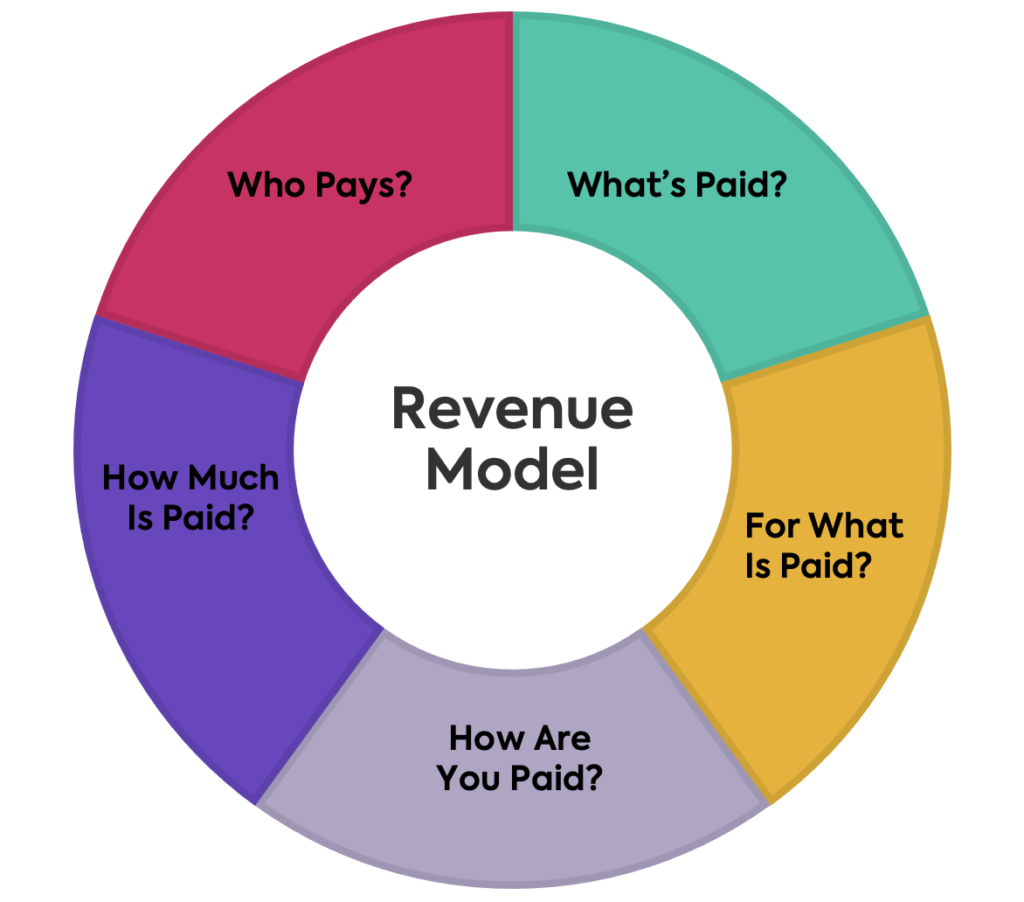
Mothership’s revenue structure likely includes several core business categories:
- Display advertising
- Sponsored articles
- Brand collaborations
- Affiliate partnerships
- Video monetization
- Commercial licensing
- Social media advertising
- Native content campaigns
- Event partnerships
- Merchandising opportunities
Digital entertainment companies increasingly rely on diversified monetization systems instead of single-source revenue models. This helps reduce dependency on fluctuating advertising markets.
The platform’s growing audience reach improved its ability to attract premium partnerships and long-term brand relationships.
YouTube and Video Growth
Video content became another major growth engine.
Online video consumption continues dominating digital entertainment trends globally. As audiences spend more time watching short-form and long-form videos, entertainment publishers benefit from increased ad inventory and platform monetization.
According to industry tracking platforms, Mothership-associated video channels have generated substantial viewership totals.
Video expansion strengthens brand value because advertisers often prioritize multimedia engagement over static publishing.
This transition also positions Mothership competitively against modern entertainment networks operating primarily through digital ecosystems.
Brand Collaborations
As audience trust and recognition improved, Mothership became increasingly attractive to advertisers seeking culturally engaged consumers.
Entertainment-focused partnerships often include:
- Lifestyle campaigns
- Technology promotions
- Fashion integrations
- Streaming collaborations
- Sponsored entertainment reporting
- Consumer product campaigns
Digital publishers with strong social reach frequently command premium advertising rates because they deliver targeted engagement rather than broad traditional exposure.
Mothership’s positioning within internet culture likely strengthens its appeal among younger digital demographics.
Current Digital Presence
Today, Mothership represents a broader entertainment ecosystem rather than a single publishing operation.
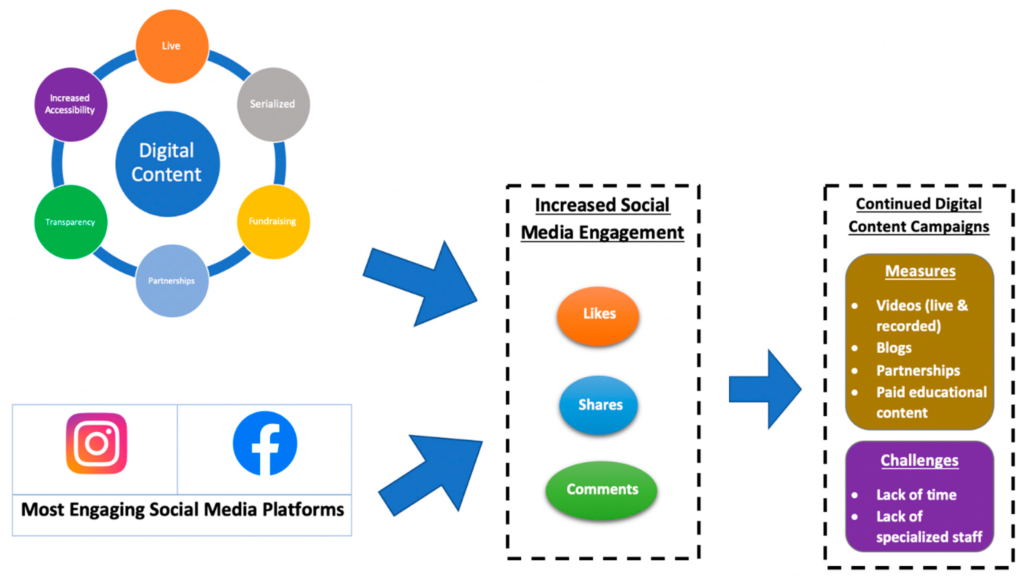
Its online footprint spans:
- Social platforms
- Video channels
- Digital publishing
- Entertainment commentary
- Viral news coverage
- Audience engagement campaigns
- Multimedia storytelling
This diversification improves long-term stability and increases commercial scalability.
Modern media companies capable of operating across multiple distribution channels often outperform businesses dependent on one traffic source alone.
That flexibility remains central to Mothership’s continued valuation growth.
Mothership Net Worth (2026)
Mothership net worth in 2026 is widely estimated within the multi-million-dollar range based on advertising reach, digital audience engagement, video monetization, publishing operations, and brand partnerships.
Industry estimates connected to Mothership-related media operations and online channels suggest meaningful annual revenue potential.
While exact financial statements remain private, digital media valuation models generally consider:
- Monthly traffic volume
- Audience retention
- Social engagement
- Advertising revenue
- Video monetization
- Sponsorship contracts
- Commercial partnerships
- Brand equity
- Operational scalability
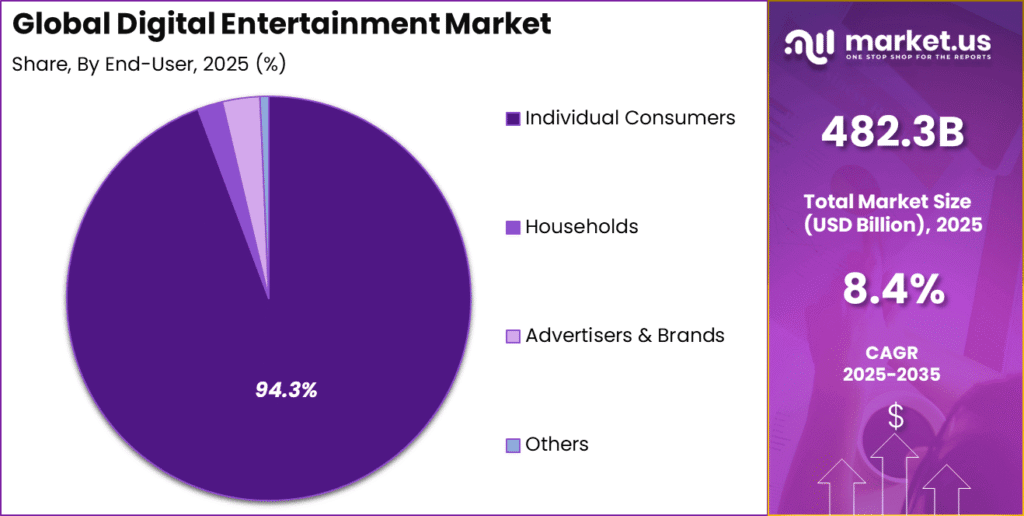
Given the expansion of digital-first entertainment businesses globally, Mothership’s financial trajectory reflects broader trends within the creator economy and online publishing industry.
Some estimates connected to related Mothership-branded operations suggest revenue figures reaching millions annually.
Primary Income Sources
Advertising Revenue
Advertising remains one of the largest income streams for entertainment publishers.
Digital advertising models include:
- Programmatic ads
- Video ads
- Premium sponsorships
- Homepage placements
- Native advertising
Traffic consistency directly impacts profitability.
Social Media Monetization
Social platforms increasingly reward publishers with monetization tools tied to engagement performance.
This includes:
- Creator revenue programs
- Sponsored distribution
- Short-form video monetization
- Audience subscriptions
These systems create recurring revenue opportunities.
Brand Partnerships
Brands often collaborate with digital publishers capable of influencing purchasing behavior and online discussion.
Campaign categories may include:
- Consumer electronics
- Streaming platforms
- Fashion labels
- Food and beverage partnerships
- Entertainment promotions
Strong engagement metrics improve pricing power.
Video and Streaming Revenue
Video remains among the most profitable digital media sectors.
Revenue can originate from:
- YouTube ads
- Licensing agreements
- Sponsored integrations
- Streaming partnerships
The scalability of video content significantly increases enterprise value.
Affiliate Marketing
Affiliate revenue allows publishers to earn commissions through product recommendations and referral links.
Entertainment and lifestyle platforms often integrate affiliate strategies naturally within editorial ecosystems.
Financial Growth Potential
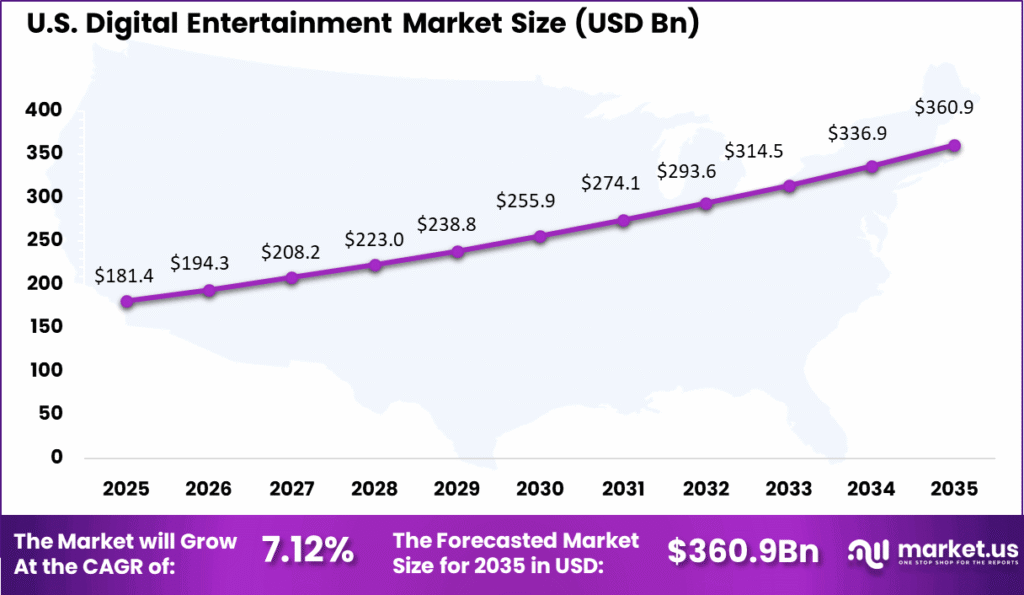
The future outlook for Mothership remains promising because digital entertainment consumption continues increasing globally.
Key growth drivers include:
- Mobile media expansion
- Streaming consumption
- Creator economy growth
- Social commerce
- AI-powered content distribution
- International audience scaling
Companies capable of adapting quickly to changing audience behavior often experience strong valuation increases over time.
Lifestyle and Brand Identity
Mothership’s brand identity reflects modern internet culture—fast-moving, visually engaging, and socially connected.
The platform emphasizes accessibility rather than exclusivity. This strategy strengthens audience relatability while improving content shareability.
Its visual style often aligns with:
- Modern digital aesthetics
- Entertainment-focused storytelling
- Social media optimization
- Viral content presentation
The company’s online tone balances entertainment coverage with conversational journalism, helping maintain consistent audience engagement.
Relationship Status and Corporate Structure
As a media organization rather than an individual celebrity, Mothership operates through collaborative creative teams, editorial leadership, digital strategists, and business partnerships.
Its growth reflects the increasing importance of team-based content production within entertainment publishing.
Collaborative structures allow digital brands to scale rapidly while maintaining publishing consistency.
Social Media Profiles Table
| Platform | Presence |
|---|---|
| YouTube | Active entertainment publishing |
| Visual and social engagement | |
| X (Twitter) | News and viral commentary |
| TikTok | Short-form entertainment content |
| Audience distribution | |
| Website | Digital publishing hub |
Awards and Recognition
While digital entertainment companies may not always follow traditional award structures, audience engagement itself often functions as a measurable indicator of influence.
Recognition factors include:
- Viral reach
- Audience loyalty
- High engagement metrics
- Strong brand partnerships
- Consistent publishing growth
- Industry visibility
Modern media success increasingly depends on cultural impact rather than conventional broadcasting prestige.
Lesser Known Facts About Mothership
- The brand expanded rapidly during the social-first publishing boom.
- Video content plays a major role in revenue growth.
- Entertainment reporting remains one of its strongest traffic drivers.
- Digital-native audiences contribute heavily to engagement performance.
- Social algorithms significantly influenced its early expansion.
- Brand partnerships help diversify income streams.
- Mobile-first publishing remains central to its strategy.
- Multimedia storytelling improved commercial scalability.
- Online community interaction strengthened audience loyalty.
- The company reflects broader changes in global media economics.
FAQs
What is Mothership net worth in 2026?
Mothership net worth in 2026 is estimated within the multi-million-dollar range based on digital media revenue, audience engagement, and advertising operations.
How does Mothership make money?
The company generates revenue through advertising, sponsorships, social monetization, affiliate marketing, and video publishing.
Is Mothership a media company?
Yes, Mothership operates as a digital entertainment and media publishing brand.
Why is Mothership popular online?
Its success comes from viral storytelling, entertainment coverage, audience engagement, and social-first publishing strategies.
Does Mothership have YouTube revenue?
Yes, video monetization contributes to overall revenue performance.
What industry is Mothership part of?
The company operates within digital entertainment, online media, and publishing.
Is Mothership internationally recognized?
Its digital reach allows visibility across multiple international audiences.
What platforms does Mothership use?
The brand operates through websites, YouTube, Instagram, TikTok, X, and other social platforms.
What makes Mothership different from traditional media?
Its focus on digital-first publishing and social engagement distinguishes it from legacy broadcasters.
Can Mothership continue growing financially?
Yes. Growth in digital advertising, streaming, and online entertainment creates strong long-term opportunities.
Conclusion
Mothership net worth reflects the evolution of modern entertainment publishing in an increasingly digital world. Through social engagement, multimedia storytelling, and audience-focused journalism, the brand has established itself within the competitive online media landscape.
Its expansion highlights how internet-native companies can build substantial commercial value without relying on traditional broadcasting models. By leveraging viral distribution, digital advertising, and platform diversification, Mothership continues strengthening its influence across entertainment media.
As online content consumption continues growing globally, Mothership’s trajectory suggests further opportunities in video publishing, branded entertainment, and digital audience expansion. The company’s ability to adapt quickly to evolving media trends positions it as a notable example of the creator-driven entertainment economy.