Halal food has become one of the fastest-growing food categories in the world. From restaurants and supermarkets to food delivery apps and global brands, halal-certified products are now widely available across many countries. Yet many people still ask simple but important questions: What does halal food actually mean? How is it prepared? Why do millions of consumers choose it every day?
The word “halal” comes from Arabic and means permissible or lawful. In food terms, halal refers to ingredients, preparation methods, hygiene standards, and ethical practices that follow Islamic dietary guidelines. While halal food is deeply connected to Muslim consumers, its popularity has expanded far beyond religious communities because many people associate halal products with cleanliness, quality control, traceability, and ethical sourcing.
The global halal food market is now worth trillions of dollars and continues to grow across Asia, the Middle East, Europe, North America, and Africa. Large food companies, restaurant chains, and hospitality brands have adapted to meet rising consumer demand. This growth has also increased awareness around halal certification, ingredient transparency, and food safety standards.

This guide explains everything you need to know about halal food, including halal ingredients, preparation methods, certification systems, health considerations, popular dishes, and how consumers can identify authentic halal products with confidence.
What Is Halal Food?
Halal food refers to foods and beverages that comply with Islamic dietary laws. These rules define what is allowed, prohibited, and acceptable during food production, processing, packaging, and storage.
At the center of halal food practices are cleanliness, ethical sourcing, humane animal treatment, and ingredient transparency. Foods that are considered prohibited are called haram. Examples include pork and pork-derived ingredients, alcohol, blood, and meat from animals not slaughtered according to Islamic guidelines.
Halal food is not limited to meat. It also applies to:
- Dairy products
- Sauces and seasonings
- Gelatin and additives
- Snacks and desserts
- Beverages
- Processed foods
- Pharmaceuticals and supplements
Consumers often assume halal simply means “Muslim food,” but the concept is broader. Halal standards cover the entire food chain, from ingredient sourcing to kitchen handling and packaging.
A halal-certified product usually goes through inspection processes to ensure it complies with recognized halal standards. Certification bodies inspect manufacturers, suppliers, storage systems, and production facilities before approval is granted.
Many consumers choose halal food because of:
- Strict hygiene practices
- Ingredient transparency
- Ethical slaughter procedures
- Quality assurance systems
- Religious compliance
- Cleaner processing environments
As global food systems become more complex, halal certification has become increasingly important for consumer trust and international trade.
The Difference Between Halal and Haram
Understanding the difference between halal and haram is essential for anyone learning about Islamic dietary laws.
Halal foods are lawful and permitted. Haram foods are forbidden under Islamic teachings. Between these two categories, there is also a third category called “mashbooh,” which refers to doubtful or questionable ingredients that require verification.
Common Halal Foods
Most natural foods are halal unless specifically prohibited. Examples include:
- Fresh fruits and vegetables
- Seafood in many Islamic traditions
- Grains and rice
- Nuts and legumes
- Milk and dairy from halal sources
- Halal-certified meat and poultry
Common Haram Foods
Foods considered haram include:
- Pork and pork by-products
- Alcoholic beverages
- Blood-based ingredients
- Carnivorous animals
- Meat from improperly slaughtered animals
- Foods contaminated with haram substances
Today, food labeling matters more than ever because many processed products contain hidden additives derived from non-halal sources. Gelatin, emulsifiers, enzymes, and flavorings may come from animal origins that are not halal-compliant.
For this reason, consumers often rely on halal certification logos when shopping for packaged foods.
How Halal Meat Is Prepared
One of the most discussed aspects of halal food is halal meat preparation. Islamic dietary laws require animals to be treated ethically and slaughtered humanely.
The halal slaughter process includes:
- The animal must be healthy at the time of slaughter
- A prayer is recited before slaughter
- A sharp knife is used for a quick, humane cut
- Blood must be completely drained from the body
- The process must minimize animal suffering
Halal meat preparation also emphasizes cleanliness throughout processing and storage.
Many halal consumers prefer certified halal meat because it offers:
- Better traceability
- Controlled slaughter conditions
- Religious compliance
- Reduced contamination risks
- Transparent sourcing practices
Countries with large halal industries often regulate halal slaughterhouses through government-approved certification agencies and food safety authorities.
Why Halal Certification Matters
Halal certification plays a major role in the modern food industry. Since processed foods contain complex ingredients from multiple suppliers, certification helps consumers verify authenticity.
A halal certification body typically checks:
| Certification Area | What Is Reviewed |
|---|---|
| Ingredients | Source verification |
| Manufacturing | Production processes |
| Storage | Cross-contamination prevention |
| Packaging | Halal labeling compliance |
| Hygiene | Sanitation procedures |
| Supply Chain | Transportation and handling |
Certification logos help consumers quickly identify compliant products in supermarkets and restaurants.
Some of the most recognized halal certification organizations operate in countries like:
- Malaysia
- Indonesia
- Saudi Arabia
- United Arab Emirates
- Singapore
- United Kingdom
- United States
- Australia
Food exporters seeking access to Muslim-majority markets often pursue halal certification to increase international sales opportunities.
Popular Types of Halal Food
Halal cuisine is incredibly diverse because it reflects cultures from around the world. Different regions combine local flavors with halal cooking traditions.
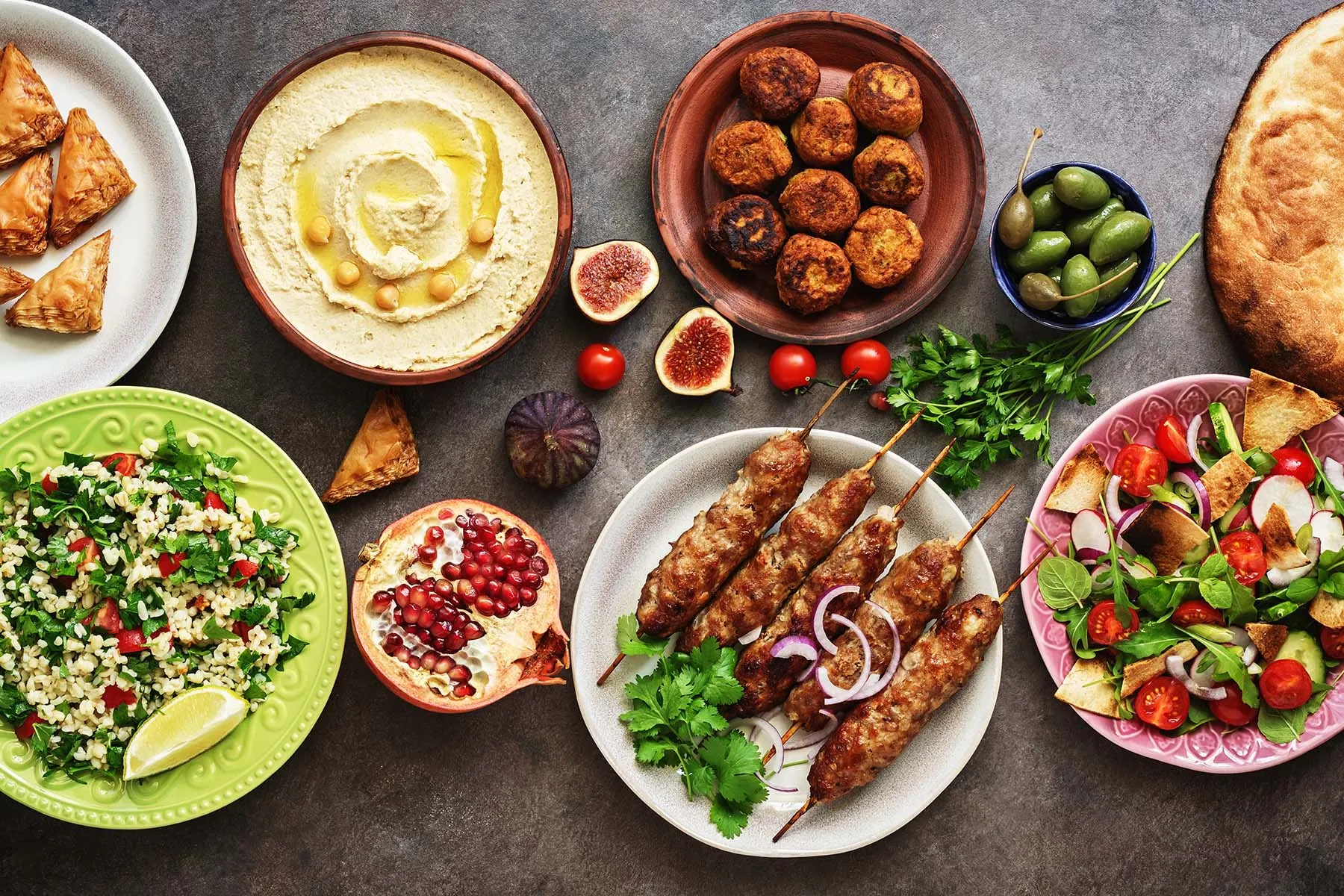
Middle Eastern Halal Food
Middle Eastern cuisine is strongly associated with halal cooking traditions. Popular dishes include:
- Shawarma
- Kebabs
- Falafel
- Hummus
- Mandi rice
- Grilled lamb
- Chicken kofta
These dishes are known for rich spices, slow-cooked meats, and fresh herbs.
South Asian Halal Food
South Asian halal cuisine includes famous dishes from Pakistan, India, and Bangladesh such as:
- Biryani
- Nihari
- Haleem
- Chicken karahi
- Seekh kebabs
- Butter chicken
- Samosas
These foods are widely available in halal restaurants worldwide.
Southeast Asian Halal Food
Countries like Malaysia and Indonesia have large halal food industries. Popular dishes include:
- Nasi lemak
- Satay
- Rendang
- Mee goreng
- Soto ayam
Many multinational food chains in Southeast Asia also offer halal-certified menus.
Western Halal Fast Food
The halal fast-food sector has expanded rapidly in cities across the UK, Canada, Australia, and the United States.
Popular halal fast-food items include:
- Halal burgers
- Fried chicken
- Pizza
- Halal hot dogs
- Loaded fries
- Wraps and sandwiches
Young consumers increasingly seek halal versions of mainstream fast-food products.
Is Halal Food Healthier?
Many consumers believe halal food is healthier, although health outcomes depend on overall diet quality and cooking methods.
Some reasons halal food is associated with health benefits include:
- Strict hygiene standards
- Blood drainage during slaughter
- Fresh ingredient focus
- Reduced contamination risks
- Better ingredient transparency
However, halal food is not automatically healthy. Fried foods, sugary desserts, and processed snacks can still contain high amounts of calories, sodium, or unhealthy fats.
Healthy halal eating usually includes:
- Lean proteins
- Fresh vegetables
- Whole grains
- Moderate spice use
- Balanced meal portions
Nutrition experts often recommend reading ingredient labels even when products are halal-certified.
Halal Ingredients Consumers Should Watch Carefully
Modern food manufacturing uses complex additives that many consumers do not fully understand. Some ingredients may come from halal or non-halal sources depending on manufacturing practices.
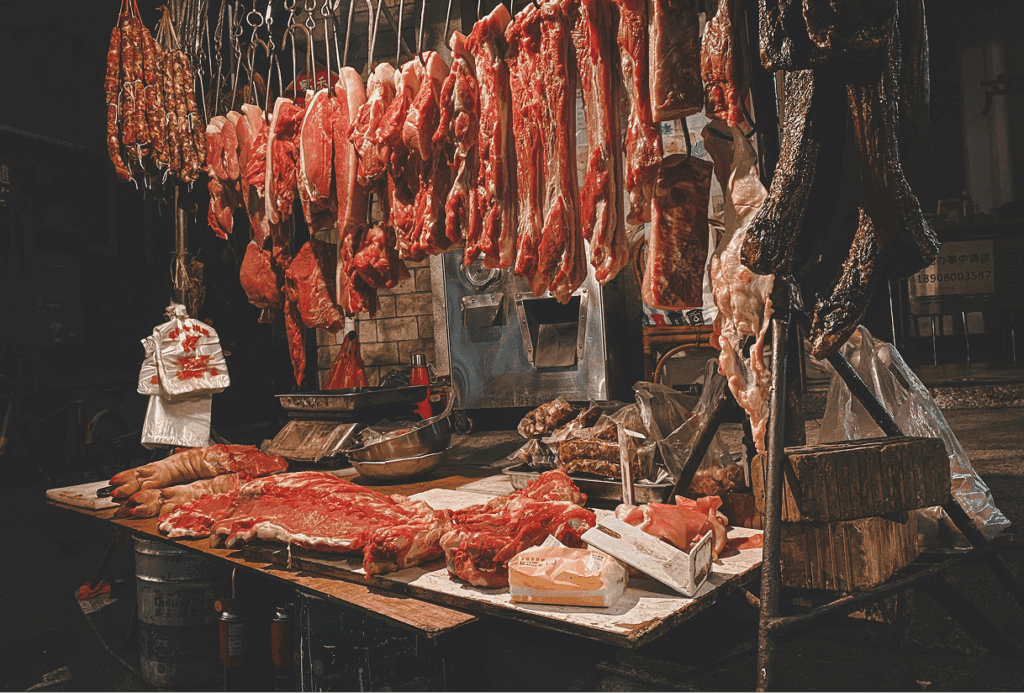
Common Ingredients That Require Verification
| Ingredient | Potential Concern |
|---|---|
| Gelatin | May come from pork |
| Enzymes | Animal source may vary |
| Emulsifiers | Can be animal-derived |
| Flavorings | Alcohol may be used |
| Shortening | May contain animal fats |
| Capsules | Gelatin source matters |
Halal-conscious consumers often look for clear halal labeling rather than trying to investigate each ingredient independently.
This is especially important for:
- Candy
- Yogurt
- Marshmallows
- Processed cheese
- Ice cream
- Instant noodles
- Supplements
Ingredient transparency has become a major issue in the global food industry.
The Growth of the Global Halal Food Industry
The halal food market has expanded dramatically during the last decade. Rising Muslim populations, international tourism, and increased consumer awareness have driven market growth worldwide.
The halal economy now includes:
- Food manufacturing
- Hospitality
- Tourism
- Cosmetics
- Pharmaceuticals
- Fashion
- Logistics
Countries like Malaysia and the United Arab Emirates have positioned themselves as global halal hubs.
Large multinational brands now invest heavily in halal product development because demand extends far beyond traditional Muslim-majority regions.
Industry analysts expect strong growth in:
- Halal e-commerce
- Halal food delivery services
- Ready-to-eat halal meals
- Halal organic products
- Halal-certified frozen foods
This expansion has increased competition among food producers and certification agencies.
How Restaurants Maintain Halal Standards
Halal restaurants must carefully manage sourcing, preparation, and kitchen handling to maintain compliance.
Important halal restaurant practices include:
- Using halal-certified suppliers
- Preventing cross-contamination
- Separating halal and non-halal cooking tools
- Training staff on halal procedures
- Maintaining clean preparation areas
Cross-contamination is one of the biggest concerns for halal consumers. Even if halal meat is used, contamination with non-halal ingredients can compromise compliance.
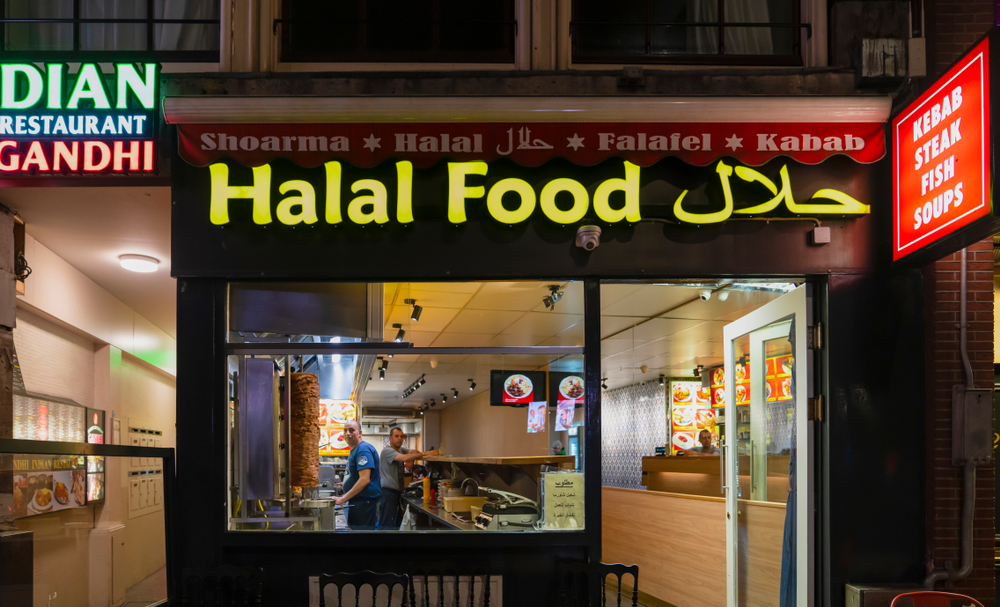
Consumers often look for visible halal certification signs before dining at restaurants.
Food delivery apps have also introduced halal restaurant categories, making it easier for customers to find certified options nearby.
Common Myths About Halal Food
There are many misconceptions surrounding halal food. Understanding the facts helps consumers make informed decisions.
Myth 1: Halal Food Is Only for Muslims
Halal food is consumed by people from many backgrounds. Some choose halal products because of quality standards, ethical sourcing, or ingredient transparency.
Myth 2: Halal Food Tastes Different
Halal certification affects ingredients and preparation methods, not flavor profiles. Taste depends on recipes, spices, cooking techniques, and freshness.
Myth 3: All Vegetarian Food Is Automatically Halal
Vegetarian products can still contain alcohol-based flavorings or non-halal additives. Certification remains important.
Myth 4: Halal Certification Is the Same Everywhere
Certification standards vary by country and organization. Some agencies have stricter auditing systems than others.
Understanding these differences helps consumers make better purchasing decisions.
Tips for Buying Authentic Halal Food
Consumers should take a careful approach when shopping for halal products.
Practical Buying Tips
- Look for trusted halal certification logos
- Read ingredient labels carefully
- Verify restaurant halal policies
- Check meat sourcing information
- Avoid unclear labeling claims
- Research certification organizations
Online reviews and local Muslim communities also help identify reliable halal restaurants and grocery stores.
For packaged foods, consumers should pay attention to imported products because standards can vary internationally.
Halal Food and Ethical Consumption
One reason halal food continues gaining popularity is its connection to ethical consumption.
Many halal consumers value:
- Humane animal treatment
- Clean food production
- Honest labeling
- Responsible sourcing
- Ethical business practices
These concerns align with broader global food trends focused on sustainability and transparency.
Some halal producers now combine halal certification with:
- Organic farming
- Free-range poultry
- Sustainable sourcing
- Eco-friendly packaging
This combination appeals to younger consumers seeking both ethical and religious compliance.
Halal Food Trends Shaping the Future
The halal food industry continues evolving quickly.
Key Trends Include
| Trend | Industry Impact |
|---|---|
| Halal Meal Delivery | Rising convenience demand |
| Halal Organic Foods | Health-conscious consumers |
| Plant-Based Halal Products | Expanding dietary options |
| Premium Halal Dining | Luxury food experiences |
| Halal Travel Tourism | Muslim-friendly hospitality |
| Digital Certification Systems | Better transparency |
Technology is also improving halal traceability through QR code verification systems and blockchain tracking tools.
Consumers increasingly expect food brands to provide detailed sourcing information and transparent certification data.
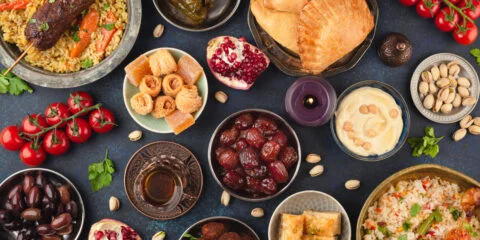
Featured Snippet: What Is Halal Food?
Halal food refers to foods and beverages prepared according to Islamic dietary laws. It excludes pork, alcohol, blood, and improperly slaughtered animals while emphasizing cleanliness, ethical sourcing, and halal-certified ingredients.
FAQ Section
What does halal food mean?
Halal food means food that is permissible under Islamic dietary laws. It includes approved ingredients, ethical preparation methods, and halal-certified processing standards.
Is halal food healthier?
Halal food may support better hygiene and ingredient transparency, but overall health depends on nutrition, cooking methods, and portion sizes.
Can non-Muslims eat halal food?
Yes. Halal food is suitable for anyone and is widely consumed by people from different cultural and religious backgrounds.
Is halal food only about meat?
No. Halal standards also apply to beverages, snacks, dairy products, sauces, desserts, supplements, and processed foods.
How can I identify halal-certified products?
Look for halal certification logos from recognized halal authorities on packaging, menus, or restaurant displays.
Why is pork prohibited in halal food?
Islamic dietary laws classify pork and pork-derived ingredients as haram, meaning prohibited for consumption.
Are seafood products halal?
Many Islamic traditions consider seafood halal, although interpretations may vary depending on religious schools of thought.