The search for authentic Korean comfort food often leads food lovers to one name: Um Yong Baek. Known for its deeply flavored pork rice soup, carefully prepared side dishes, and traditional cooking methods, the restaurant has become one of the most talked-about Korean dining spots among locals and tourists alike.
People searching for the “Um Yong Baek menu” usually want more than a simple list of dishes. They want to know what the restaurant is famous for, which dishes are worth ordering, how the meals are served, what first-time visitors should expect, and how the menu compares with other Korean soup restaurants. That’s exactly what this guide covers.
Unlike many trendy restaurants that focus heavily on presentation, Um Yong Baek has built its reputation around consistency, depth of flavor, and traditional Korean comfort food culture. The menu may appear simple at first glance, but every dish reflects careful preparation and regional Korean culinary traditions.
This guide breaks down the complete dining experience, including signature menu items, recommended combinations, popular side dishes, pricing expectations, and practical ordering advice. It also explains why the restaurant continues to attract long queues despite the growing competition in Seoul’s Korean food scene.
What Is Um Yong Baek Known For?
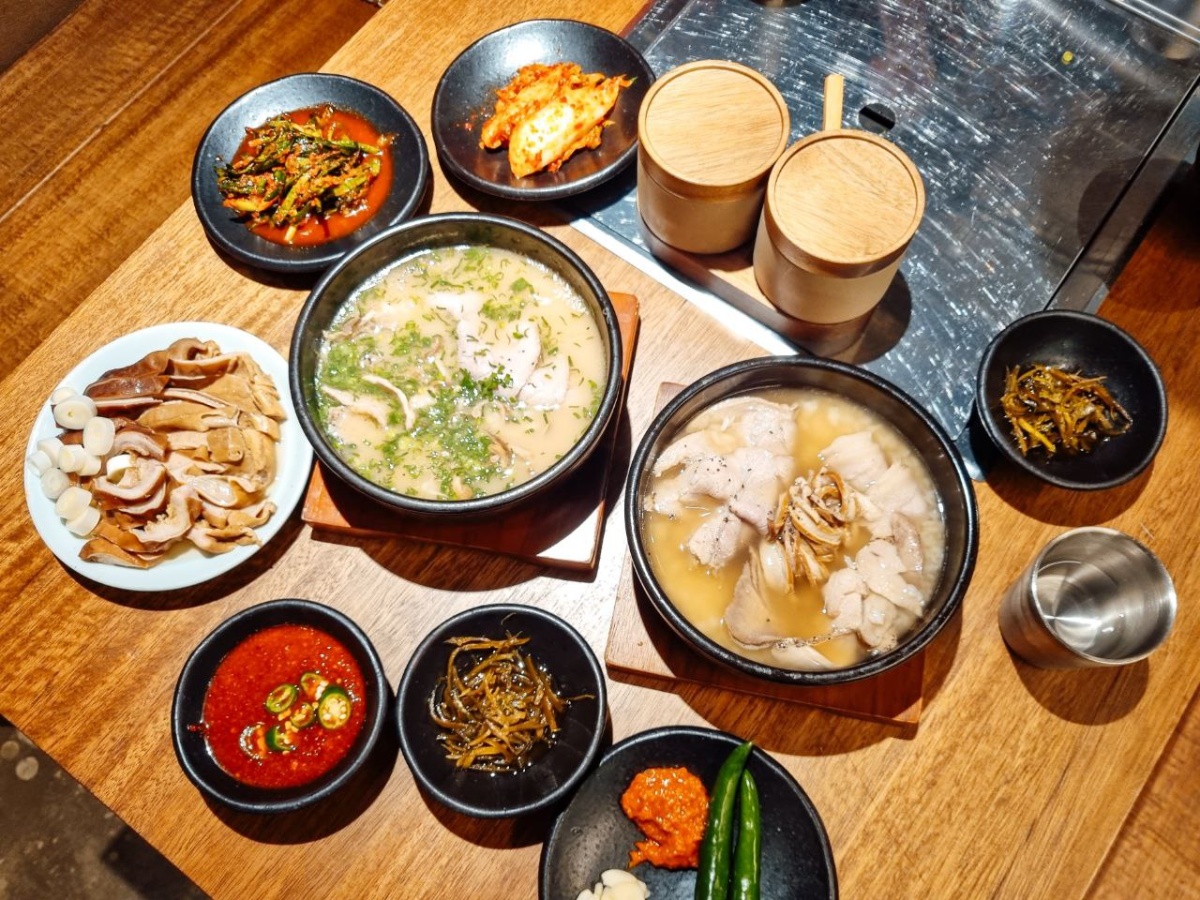
Um Yong Baek is best known for Korean-style pork rice soup, commonly associated with Busan-style 돼지국밥 (dwaeji gukbap). The restaurant specializes in hearty broth-based meals that focus on slow-cooked pork, rich stock, tender meat slices, and balanced seasoning.
The restaurant gained popularity because of several factors:
- Consistent broth quality
- Minimal yet highly focused menu
- Traditional Korean preparation methods
- Strong word-of-mouth recommendations
- Social media popularity among food travelers
- Long-simmered pork stock with clean flavor
Many Korean soup restaurants serve heavy or overly salty broth. Um Yong Baek stands out because the soup remains rich while still tasting clean and balanced. That combination appeals to both local diners and international visitors who may be trying Korean pork soup for the first time.
Another reason for the restaurant’s popularity is its approach to customization. Diners can usually adjust seasoning levels, spice intensity, and side dish combinations according to personal preference.
The menu also reflects the growing global appreciation for Korean comfort food. While Korean barbecue often dominates international attention, dishes like gukbap, sundae soup, and pork broth meals are now becoming central parts of Korea’s modern food tourism culture.
Signature Um Yong Baek Menu Items
Pork Rice Soup (Dwaeji Gukbap)
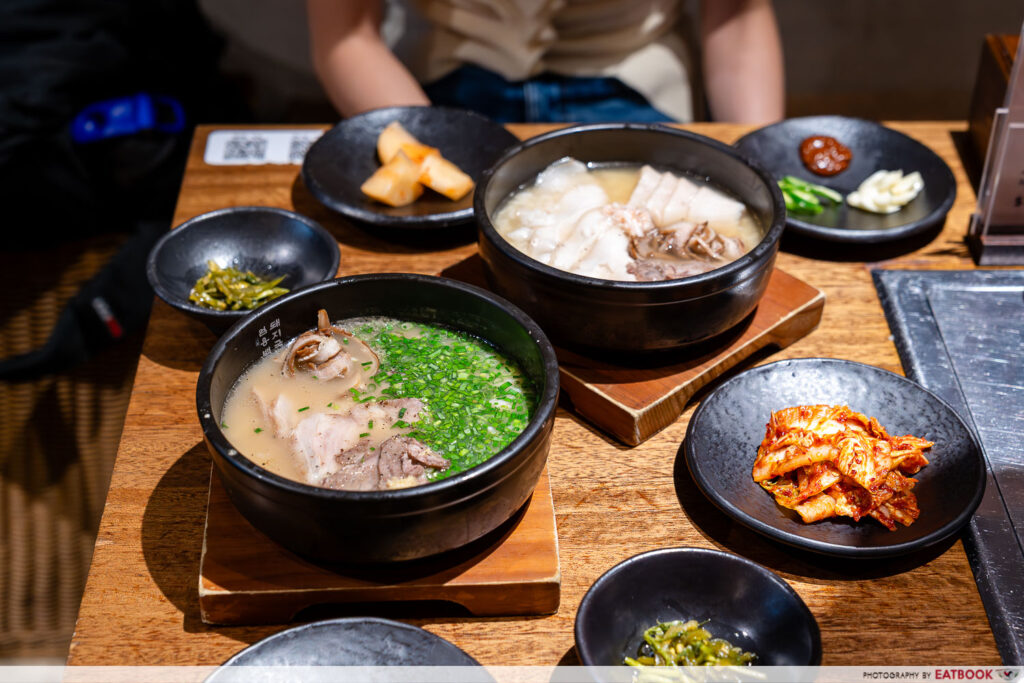
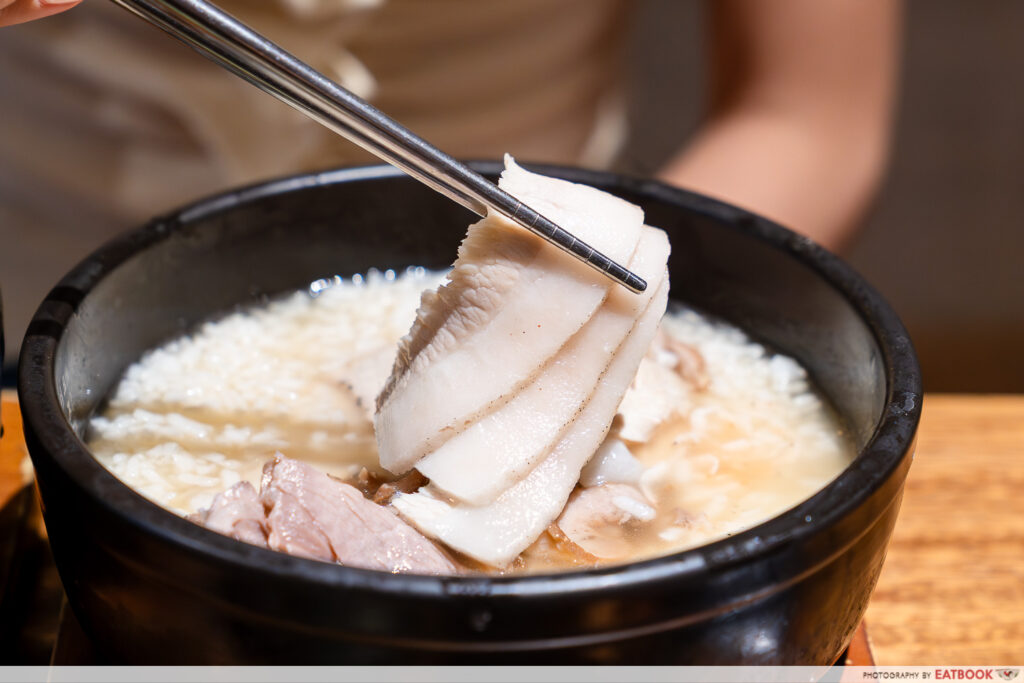
The signature item on the Um Yong Baek menu is undoubtedly the pork rice soup. This dish combines slow-cooked pork broth, slices of pork meat, rice, green onions, and seasoning components served separately or together depending on the style.
The broth is the centerpiece of the experience. It is simmered for long hours using pork bones and meat cuts to create a creamy yet clean texture. Unlike ramen-style broths that rely heavily on fat or seasoning, Korean pork soup focuses on depth and natural flavor extraction.
Typical components include:
- Thinly sliced pork
- Pork belly or shoulder cuts
- Rice
- Green onions
- Fermented shrimp sauce
- Garlic
- Kimchi
- Pepper seasoning
One reason the dish has become highly searchable online is its comforting nature. Travelers often describe it as filling without feeling overwhelming. The soup also pairs well with Korean side dishes, making it a balanced meal rather than a single heavy course.
Many first-time visitors make the mistake of adding too much seasoning immediately. Experienced diners usually recommend tasting the broth first before adjusting flavors with salted shrimp, kimchi, or chili paste.
Sundae Gukbap
Another highly popular option is sundae gukbap, which includes Korean blood sausage alongside the pork soup base. Korean sundae differs significantly from Western sausage. It is typically made using glass noodles, pork blood, rice, and seasonings stuffed into casing.
The dish offers a deeper and more savory flavor profile compared with the standard pork soup. Texture plays a major role here. The chewy sundae pieces contrast with the soft pork slices and hot broth.
This menu item appeals especially to diners looking for a more traditional Korean food experience. While some international visitors hesitate because of the ingredients, many end up considering it one of the most memorable dishes on the menu.
The balance of broth richness and herbal seasoning makes sundae gukbap a standout choice for colder weather or late-night meals.
Pork Slices and Side Platters
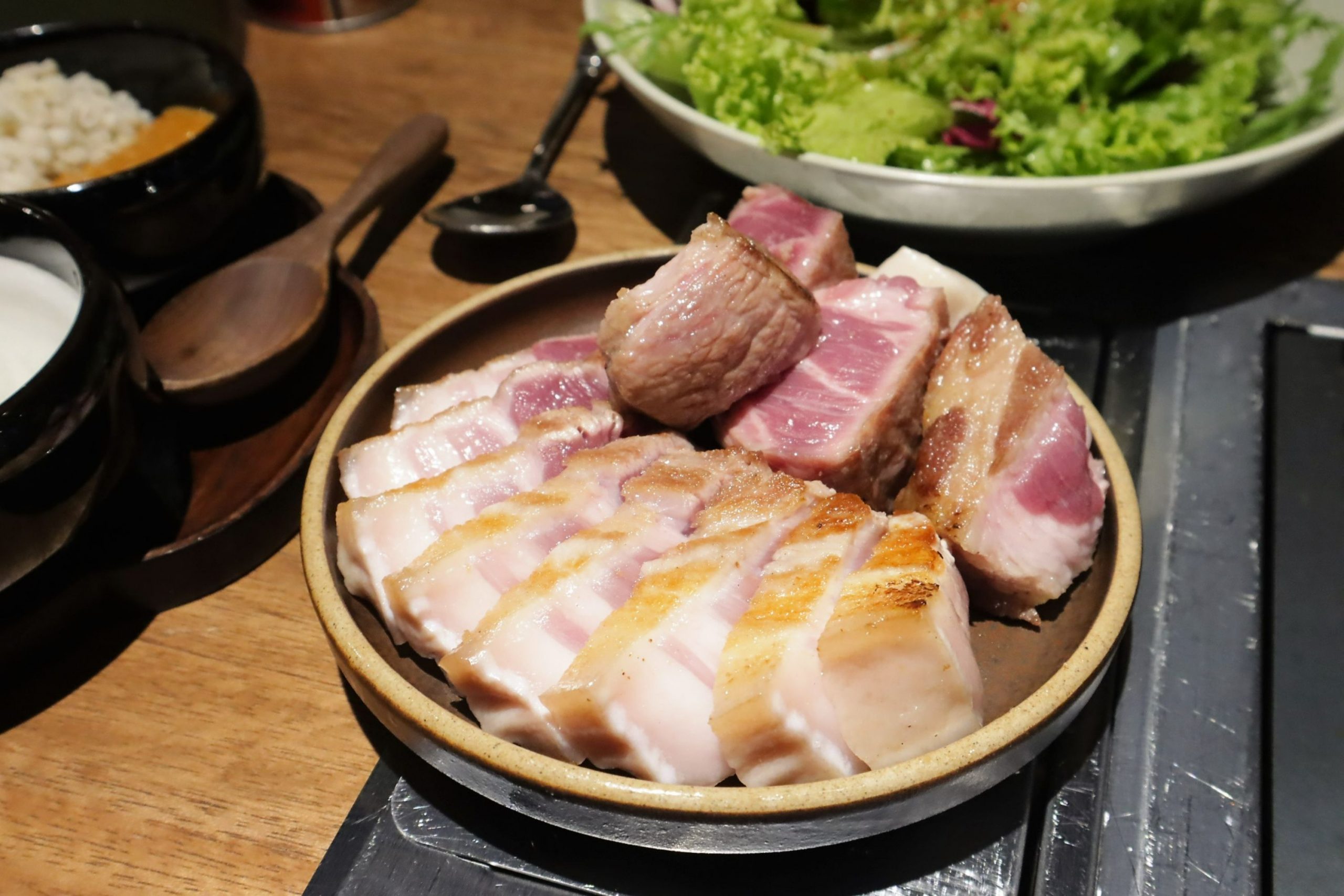
Many guests order additional pork platters alongside soup dishes. These side plates often include boiled pork slices served with dipping sauces, garlic, kimchi, peppers, and ssam-style wraps.
These platters help create a more complete Korean dining experience because they introduce multiple textures and flavor combinations within the same meal.
Common accompaniments include:
- Salted shrimp sauce
- Ssamjang
- Fresh garlic
- Chili peppers
- Pickled radish
- Fermented kimchi
The pork is usually tender due to extended simmering times. Unlike grilled pork dishes, the flavor emphasis here is on softness, moisture retention, and broth integration.
For groups, combining soup dishes with pork platters allows diners to sample a wider portion of the menu without ordering excessively large meals.
Um Yong Baek Menu Price Expectations
Prices at Um Yong Baek are generally considered reasonable compared with premium Korean dining spots in Seoul.
Typical price ranges include:
| Menu Item | Estimated Price Range |
|---|---|
| Pork Rice Soup | Moderate |
| Sundae Gukbap | Moderate |
| Pork Side Platters | Medium to High |
| Drinks | Low |
| Additional Meat Add-ons | Moderate |
The restaurant positions itself between casual Korean dining and premium specialty cuisine. Customers are paying not only for portion size but also for broth preparation quality and ingredient consistency.
Compared with Korean barbecue restaurants, Um Yong Baek often feels more affordable while still offering a highly authentic dining experience.
Value for Money
One major reason the restaurant receives strong reviews is portion balance. Meals typically include:
- Main soup
- Rice
- Multiple side dishes
- Seasonings
- Refillable accompaniments
This structure creates strong value for diners because the meal feels complete without requiring many extra orders.
Travelers visiting Seoul often mention that the restaurant provides one of the best price-to-quality ratios among traditional Korean comfort food establishments
Best Dishes for First-Time Visitors
Recommended First Order
If you are visiting for the first time, the safest and most recommended combination usually includes:
- Signature pork rice soup
- Additional pork platter
- Kimchi side dishes
- Korean rice bowl
- Traditional Korean beverages
This setup allows diners to experience the restaurant’s signature broth while also exploring complementary flavors and textures.
First-time diners should focus on understanding how Korean soup meals are traditionally enjoyed. The experience is highly interactive. Guests adjust seasoning, combine side dishes, and personalize the broth according to taste.
Best Menu Choices for Different Preferences
For Mild Flavor Lovers
- Standard pork soup
- Plain broth variations
- Rice-based combinations
For Spice Lovers
- Spicy broth additions
- Kimchi-enhanced soup
- Chili-based seasoning options
For Adventurous Diners
- Sundae gukbap
- Organ meat combinations
- Traditional Korean side dishes
For Group Dining
- Shared pork platters
- Multiple soup variations
- Add-on side dishes
This flexibility is one reason the menu appeals to a wide range of diners despite having a relatively focused selection.
Korean Dining Culture Behind the Um Yong Baek Menu
Why Korean Soup Restaurants Matter
Korean soup cuisine has deep cultural roots. Meals like gukbap developed because they were affordable, filling, and practical for workers during colder seasons.
Today, restaurants like Um Yong Baek preserve those traditions while modernizing presentation and service standards.
Soup restaurants remain important in Korean food culture because they emphasize:
- Shared dining traditions
- Slow cooking methods
- Fermentation-based side dishes
- Balanced nutrition
- Comfort-focused meals
Unlike trendy fusion dining spots, traditional soup restaurants rely heavily on consistency and repeat customers.
That explains why broth quality matters so much. Even minor differences in simmering technique, pork selection, or seasoning balance can significantly affect customer loyalty.
The Role of Banchan
Banchan, or Korean side dishes, play a major role in the overall experience.
Common side dishes include:
- Kimchi
- Pickled radish
- Garlic cloves
- Green peppers
- Fermented shrimp sauce
These are not random additions. Each component balances the richness of the pork broth and improves overall flavor complexity.
For example:
- Kimchi adds acidity
- Garlic increases sharpness
- Fermented shrimp deepens umami
- Green peppers add freshness
Understanding these combinations helps diners appreciate the full intention behind the menu.
How Um Yong Baek Compares to Other Korean Soup Restaurants
Several factors separate Um Yong Baek from standard gukbap restaurants.
| Feature | Typical Soup Restaurant | Um Yong Baek |
|---|---|---|
| Broth Depth | Moderate | Rich & balanced |
| Ingredient Focus | Broad menus | Specialized menu |
| Tourist Popularity | Variable | Very high |
| Waiting Time | Short | Often long |
| Presentation | Simple | Refined traditional |
| Social Media Visibility | Moderate | Extremely popular |
The focused menu is actually one of the restaurant’s biggest strengths. Instead of offering dozens of unrelated Korean dishes, the restaurant concentrates on perfecting a smaller selection.
This specialization creates stronger quality control and a more memorable customer experience.
Why Food Tourists Search for It
Food tourism has become a major part of visiting South Korea, especially in areas like Seoul and Busan.
Travelers increasingly search for:
- Authentic local restaurants
- Traditional Korean comfort food
- Viral Korean dining spots
- Michelin-adjacent local favorites
- Korean soup specialties
Um Yong Baek fits all of these search patterns, which explains its growing online visibility.
The restaurant also benefits from strong social sharing. Photos of steaming pork soup bowls, side dishes, and Korean table setups perform exceptionally well on food-focused platforms.
Tips Before Visiting Um Yong Baek
Expect Waiting Times
One of the most common visitor experiences is waiting in line. Peak meal hours can become extremely crowded.
Best strategies include:
- Visiting before lunch rush
- Arriving during weekday afternoons
- Avoiding weekend dinner hours
- Dining alone or in smaller groups
Because the restaurant has become internationally recognized among Korean food enthusiasts, demand often exceeds seating availability.
Learn Basic Korean Dining Etiquette
Visitors unfamiliar with Korean dining culture may benefit from understanding a few basics:
- Side dishes are shared
- Soup seasoning is customizable
- Loud slurping is socially acceptable
- Rice is often added directly into soup
- Meals are designed for balance, not speed
These small cultural details improve the overall dining experience significantly.
Pairing Recommendations
Many diners enhance their meal with:
- Korean beer
- Traditional rice beverages
- Mild soju pairings
- Sparkling drinks
The goal is usually to balance the richness of the pork broth rather than overpower it.
Why the Um Yong Baek Menu Continues to Trend Online
Modern Korean food trends are heavily influenced by social media visibility. Restaurants with visually appealing dishes and strong customer reviews spread rapidly online.
Um Yong Baek benefits from:
- Steam-heavy soup visuals
- Traditional Korean presentation
- Authentic local reputation
- Strong food blogger coverage
- Consistent customer satisfaction
Unlike short-lived viral restaurants, the menu itself supports long-term popularity because the food quality matches the online attention.
Growing Interest in Korean Comfort Food
Global interest in Korean cuisine continues expanding beyond barbecue and fried chicken.
International diners are now exploring:
- Gukbap
- Seolleongtang
- Sundae soup
- Kimchi stew
- Bone broth dishes
This shift has increased search demand for restaurants specializing in authentic Korean comfort meals.
The Um Yong Baek menu fits perfectly into this growing culinary trend because it offers traditional flavors without excessive modernization.
FAQ About the Um Yong Baek Menu
What is the most popular item on the Um Yong Baek menu?
The signature pork rice soup is the restaurant’s most famous dish. Many visitors specifically come for the rich pork broth and tender sliced pork.
Does Um Yong Baek serve spicy food?
Some dishes can be adjusted for spice level, but the core pork broth itself is usually rich and savory rather than aggressively spicy.
Is the restaurant suitable for first-time Korean food visitors?
Yes. The menu is approachable, especially for diners interested in Korean comfort food and soup-based meals.
Are there vegetarian options?
The restaurant is heavily focused on pork-based dishes, so vegetarian choices are limited.
Why do people wait in long lines at Um Yong Baek?
The restaurant has built a strong reputation for broth quality, authenticity, and consistency, leading to high customer demand.
What side dishes come with the meals?
Typical side dishes include kimchi, garlic, green peppers, and fermented shrimp sauce.
Is Um Yong Baek expensive?
Prices are generally considered fair for Seoul specialty dining, especially considering portion sizes and ingredient quality.