
A sabbatical leave is no longer reserved for university professors or senior executives. Companies across technology, healthcare, education, finance, and creative industries now recognize that long-term employee performance depends on recovery, learning, and sustainable work habits. As burnout rates continue to rise, more professionals are searching for structured time away from work without permanently leaving their careers behind.
At its core, sabbatical leave is an extended break from work granted to employees after a certain period of service. Unlike annual vacation or sick leave, a sabbatical is usually planned months in advance and often serves a bigger purpose. Employees may use the time for travel, higher education, research, volunteering, caregiving, writing, entrepreneurship, or mental recovery.
The growing interest in remote work and work-life balance has also changed how organizations view employee retention. Many businesses now see sabbaticals as a practical strategy to reduce burnout, improve loyalty, and support long-term productivity. Some companies offer fully paid sabbaticals, while others provide unpaid leave with job protection and benefits continuation.
For employees, understanding sabbatical policies can open new career opportunities without sacrificing professional stability. For employers, offering structured leave programs can strengthen recruitment and employee satisfaction. This guide explains how sabbatical leave works, who qualifies, common company policies, benefits, risks, and how to plan a successful sabbatical without damaging career momentum.
What Is Sabbatical Leave?
Sabbatical leave is an extended period away from work approved by an employer after an employee completes a required length of service. The leave may last from several weeks to an entire year depending on company policy, role, and purpose.
Originally associated with academic institutions, sabbaticals allowed professors to conduct research, publish studies, and pursue advanced learning. Over time, corporations adopted similar programs to help employees recharge and develop professionally.
Unlike resignation or career breaks, sabbatical leave usually involves an agreement that the employee will return to the organization after the leave ends. In many cases, the employee maintains employment status, healthcare benefits, retirement contributions, or partial salary during the absence.
Common Reasons Employees Take Sabbatical Leave
- Mental health recovery and burnout prevention
- Higher education or certifications
- International travel or cultural experiences
- Family caregiving responsibilities
- Volunteer work or humanitarian projects
- Writing books or creative projects
- Career reflection and skill development
- Research and innovation work
A well-structured sabbatical often benefits both parties. Employees return with renewed energy, while organizations retain experienced talent rather than losing them permanently to exhaustion or dissatisfaction.
How Sabbatical Leave Works
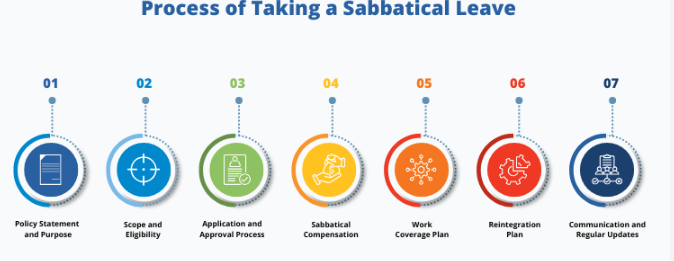
Every company has different sabbatical rules, but most programs follow a similar structure. Employees become eligible after working continuously for a specific number of years. The leave duration, compensation, and approval process depend on internal policy.
Typical Sabbatical Eligibility Rules
| Policy Area | Common Standard |
|---|---|
| Years of Service | 5 to 10 years |
| Leave Duration | 1 to 12 months |
| Salary During Leave | Full pay, partial pay, or unpaid |
| Job Protection | Usually guaranteed |
| Benefits Continuation | Depends on employer |
| Approval Requirement | Manager and HR approval |
| Return Commitment | Often required |
Some employers require employees to submit a formal sabbatical proposal outlining goals, timelines, and expected outcomes. Others treat sabbaticals more flexibly and focus mainly on workforce planning.
Technology firms, universities, consulting agencies, and nonprofit organizations are among the industries most likely to provide formal sabbatical programs. Large employers increasingly include sabbaticals within employee wellness initiatives because retention costs are often lower than recruiting and training replacements.
Difference Between Sabbatical Leave and Other Leave Types
Many professionals confuse sabbatical leave with vacation time, unpaid leave, or career breaks. While they may overlap in purpose, they differ significantly in structure and employer expectations.
| Leave Type | Purpose | Duration | Paid? | Employment Status |
|---|---|---|---|---|
| Vacation Leave | Short-term rest | Days or weeks | Usually paid | Active |
| Sick Leave | Medical recovery | Short-term | Paid or unpaid | Active |
| Sabbatical Leave | Personal or professional growth | Months | Varies | Maintained |
| Career Break | Extended personal break | Months or years | Usually unpaid | May end employment |
| Parental Leave | Childcare | Weeks or months | Varies | Protected |
A sabbatical is unique because it combines long-term leave with an expectation of return. It is generally strategic rather than emergency-based.
Why Sabbatical Leave Is Becoming More Popular
Workplace expectations have changed dramatically over the past decade. Employees now prioritize flexibility, mental health, meaningful work, and personal fulfillment alongside salary.
The rise of burnout across industries has made extended leave programs more attractive. Studies from workplace wellness organizations consistently show that chronic stress affects productivity, engagement, and retention. Companies that ignore employee exhaustion often experience higher turnover and lower morale.
Factors Driving Sabbatical Demand
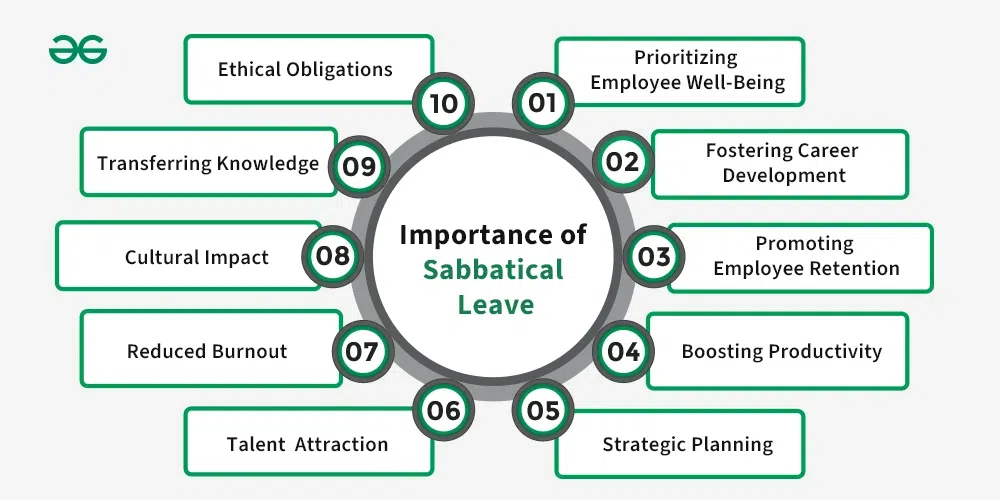
1. Burnout and Mental Fatigue
High-pressure industries such as healthcare, technology, law, and finance report growing levels of employee burnout. Sabbaticals give workers time to recover before reaching a breaking point.
2. Retention Strategy
Replacing experienced employees can cost thousands of dollars. Sabbaticals help organizations retain institutional knowledge while improving employee loyalty.
3. Remote Work Culture
Flexible work environments have changed expectations around career structure. Employees increasingly seek work arrangements that support life experiences beyond the office.
4. Lifelong Learning
Professionals now update skills constantly. Sabbaticals provide time for certifications, executive education, and specialized training.
5. Career Sustainability
Long careers require periods of recovery and reinvention. Sabbaticals allow professionals to reset without permanently leaving their industries.
Companies that support employee well-being often gain stronger employer branding and attract higher-quality candidates in competitive hiring markets.
Benefits of Sabbatical Leave for Employees
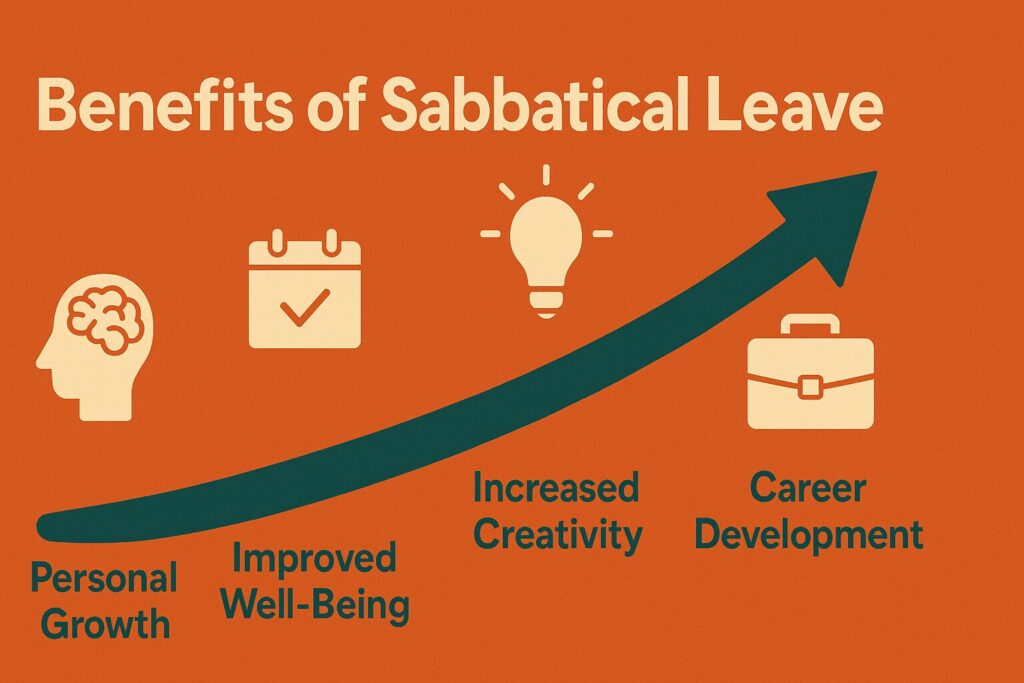
A well-planned sabbatical can produce long-term personal and professional advantages. Many employees return with stronger focus, improved mental clarity, and renewed career motivation.
Improved Mental Health
Extended time away from workplace pressure helps reduce stress, anxiety, and emotional exhaustion. Employees often return more engaged and productive.
Skill Development
Some professionals use sabbaticals to study leadership, technology, languages, or industry-specific certifications. This creates value for both the employee and employer.
Career Clarity
Time away from daily responsibilities allows deeper reflection about career direction, goals, and priorities.
Increased Creativity
Creative professionals frequently report stronger innovation after travel, research, or exposure to new environments during sabbaticals.
Better Work-Life Balance
Sabbaticals allow employees to reconnect with family, health, hobbies, and personal interests often neglected during demanding work periods.
Physical Recovery
Long-term stress can contribute to fatigue, insomnia, and health issues. Extended rest may improve overall wellness and energy levels.
Benefits of Sabbatical Leave for Employers
While sabbaticals require planning, many organizations view them as strategic investments rather than operational disruptions.
Higher Employee Retention
Employees who receive meaningful support are less likely to leave the organization permanently.
Stronger Employer Reputation
Companies with progressive leave policies often attract skilled professionals looking for healthier workplace cultures.
Leadership Development
Temporary role redistribution during a sabbatical creates growth opportunities for junior employees.
Increased Productivity
Employees frequently return with renewed energy and improved performance.
Reduced Burnout Costs
Burnout contributes to absenteeism, low engagement, and turnover. Sabbaticals may help reduce these hidden organizational costs.
Knowledge Expansion
Employees often bring back new perspectives, skills, and ideas gained during their leave experiences.
Paid vs Unpaid Sabbatical Leave
One of the biggest questions employees ask is whether sabbatical leave includes salary continuation.
The answer depends entirely on company policy.
Paid Sabbatical Leave
Some organizations continue full or partial salary during leave. Paid sabbaticals are more common in:
- Universities
- Large technology companies
- Research institutions
- Senior leadership roles
- Nonprofit organizations
Paid programs often come with stricter eligibility requirements and mandatory return periods.
Unpaid Sabbatical Leave
Unpaid sabbaticals are more common across mid-sized businesses and startups. Employees keep their jobs but temporarily stop receiving salary.
In some cases, healthcare or retirement benefits continue during unpaid leave.
Hybrid Sabbatical Models
Some employers offer partial compensation, such as:
- 50% salary continuation
- Stipends for education or travel
- Benefit continuation without salary
- Flexible part-time sabbaticals
Employees should review official HR documentation carefully before planning extended leave.
How to Request Sabbatical Leave
A strong sabbatical proposal improves approval chances significantly. Employers want reassurance that workloads, projects, and team responsibilities will remain stable.

Steps to Request Sabbatical Leave
Research Company Policy
Review employee handbooks and HR guidelines to understand eligibility requirements and approval procedures.
Define Your Purpose
Clarify how you plan to use the leave. Professional development, research, education, and wellness-focused sabbaticals often receive stronger support.
Create a Work Transition Plan
Outline how responsibilities will be handled during your absence.
Submit Early
Most organizations require several months of notice.
Prepare for Questions
Managers may ask about timelines, communication expectations, and return plans.
What to Include in a Sabbatical Proposal
- Requested leave dates
- Purpose of the sabbatical
- Work coverage plan
- Project handover details
- Expected outcomes or benefits
- Return commitment
Professional preparation demonstrates responsibility and increases trust with leadership teams.
Challenges and Risks of Sabbatical Leave
Although sabbaticals provide many advantages, employees should also consider potential downsides.
Financial Pressure
Unpaid sabbaticals require careful budgeting and savings planning.
Career Concerns
Some employees worry about losing visibility or missing promotion opportunities.
Re-entry Adjustment
Returning to work after several months away may require time to readjust.
Policy Restrictions
Some employers impose strict conditions regarding outside employment, communication, or return obligations.
Team Impact
Poor planning can create operational stress for coworkers covering responsibilities.
Employees who prepare carefully usually experience smoother transitions before and after leave.
Best Ways to Use a Sabbatical Leave
The most successful sabbaticals are intentional rather than reactive. Clear goals often produce more meaningful results.
Popular Sabbatical Activities
Travel and Cultural Exploration
International travel helps broaden perspective and reduce routine-related stress.
Advanced Education
Employees often pursue MBAs, certifications, or technical training programs.
Volunteer Projects
Nonprofit and humanitarian work can provide purpose-driven experiences.
Writing and Research
Many professionals use sabbaticals to complete books, research papers, or creative projects.
Entrepreneurship Testing
Some employees explore startup ideas before deciding on long-term career changes.
Health and Wellness Recovery
Rest, therapy, fitness, and personal healing are increasingly common sabbatical priorities.
The value of a sabbatical often depends less on the activity itself and more on intentional use of time.
Sabbatical Leave Policy Examples Across Industries
Different industries approach sabbatical programs differently based on operational needs and workforce culture.
| Industry | Typical Sabbatical Model |
|---|---|
| Higher Education | Research-focused paid leave |
| Technology | Wellness and innovation leave |
| Healthcare | Limited due to staffing needs |
| Nonprofit | Service and development leave |
| Consulting | Retention-focused sabbaticals |
| Creative Industries | Project-based flexibility |
Large global employers increasingly integrate sabbaticals into broader employee experience strategies alongside remote work, flexible scheduling, and wellness benefits.
How Sabbatical Leave Affects Career Growth
Contrary to common fears, many professionals experience career benefits after returning from sabbatical leave.
Improved Leadership Skills
Time away often strengthens emotional intelligence, adaptability, and long-term thinking.
Broader Perspective
Exposure to new environments can improve creativity and strategic problem-solving.
Higher Motivation
Employees who recover from burnout typically return with stronger focus and engagement.
Expanded Networks
Education, volunteering, and travel frequently create valuable professional relationships.
Increased Confidence
Successfully planning and completing a sabbatical demonstrates independence and personal discipline.
The key is maintaining professionalism before, during, and after the leave period.
Tips for Planning a Successful Sabbatical
Preparation makes a major difference in the overall experience.
Practical Sabbatical Planning Checklist
- Build emergency savings
- Clarify goals before departure
- Discuss expectations with HR
- Organize health insurance details
- Plan workload transitions early
- Set communication boundaries
- Document important projects
- Create a return-to-work strategy
Employees who treat sabbaticals strategically often gain more long-term value from the experience.
The Future of Sabbatical Leave
Sabbatical leave is becoming part of a broader conversation about sustainable careers and employee well-being.
Workplace culture continues shifting toward flexibility, mental health awareness, and long-term retention strategies. Younger professionals increasingly evaluate employers based on quality-of-life policies alongside compensation.
As automation and digital work reshape industries, continuous learning will become even more important. Sabbaticals may evolve into structured development programs tied to education, innovation, and workforce renewal.
Organizations that adapt early may gain advantages in recruitment, retention, and employee satisfaction. Professionals who understand how sabbaticals work can make more informed career decisions while protecting long-term health and productivity.
Frequently Asked Questions
What is the purpose of sabbatical leave?
Sabbatical leave gives employees extended time away from work for rest, education, research, travel, caregiving, or personal development while maintaining employment status.
Is sabbatical leave paid?
Some companies provide paid sabbaticals, while others offer unpaid leave with job protection or continued benefits. Policies vary widely by employer.
How long does a sabbatical usually last?
Most sabbaticals last between one month and one year depending on company rules and employee eligibility.
Who qualifies for sabbatical leave?
Eligibility often depends on years of service. Many employers require employees to complete five to ten years before applying.
Can a company reject sabbatical leave?
Yes. Approval depends on staffing needs, company policy, business operations, and management discretion.
Is sabbatical leave good for career growth?
In many cases, yes. Employees often return with improved skills, stronger motivation, and broader perspectives.
What is the difference between sabbatical leave and unpaid leave?
Sabbatical leave is typically structured, purpose-driven, and tied to long-term employment, while unpaid leave may be more temporary or situational.
Can employees work during sabbatical leave?
Some companies allow freelance or educational activities, while others restrict outside employment. Employees should review official policy terms carefully.