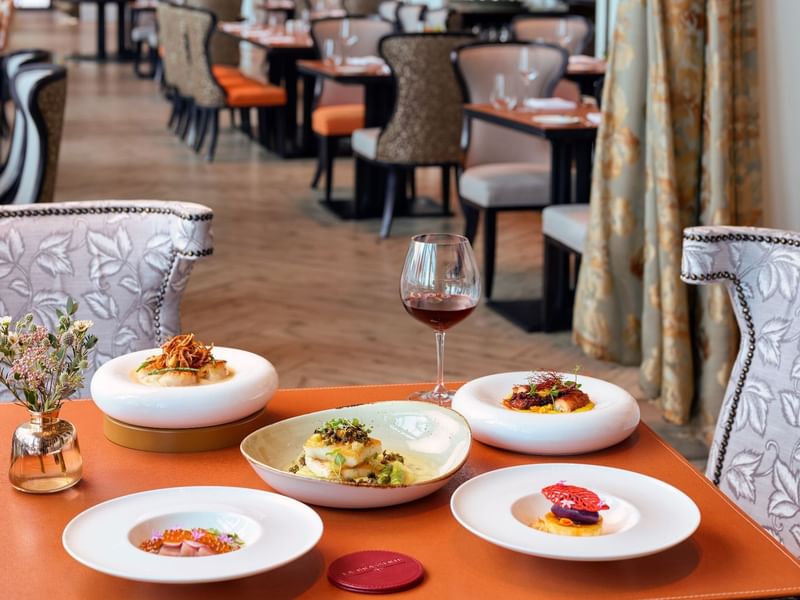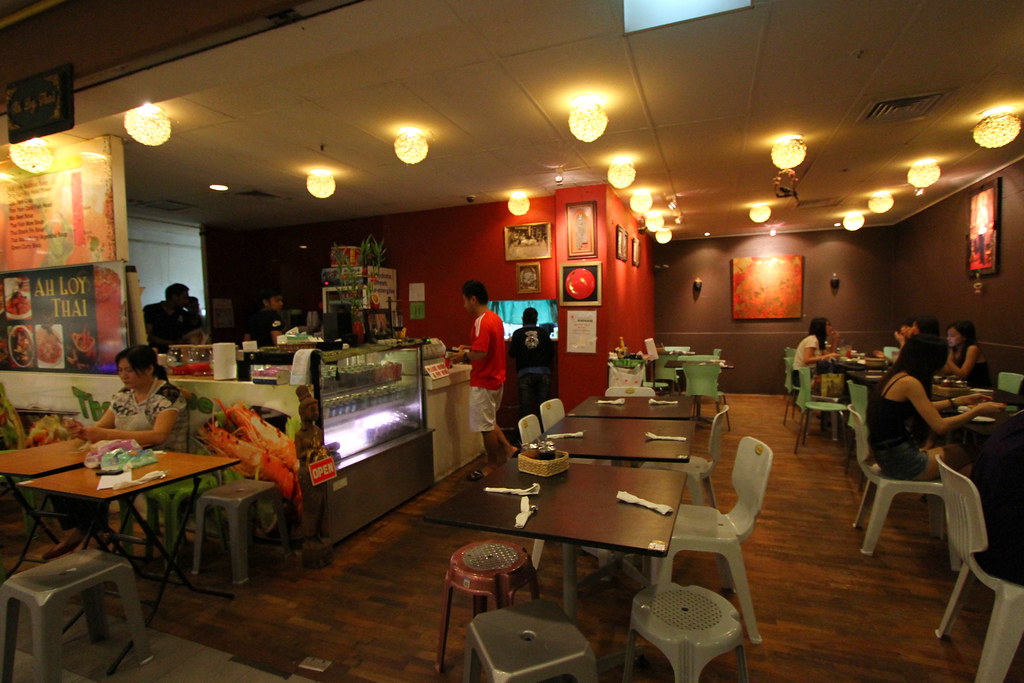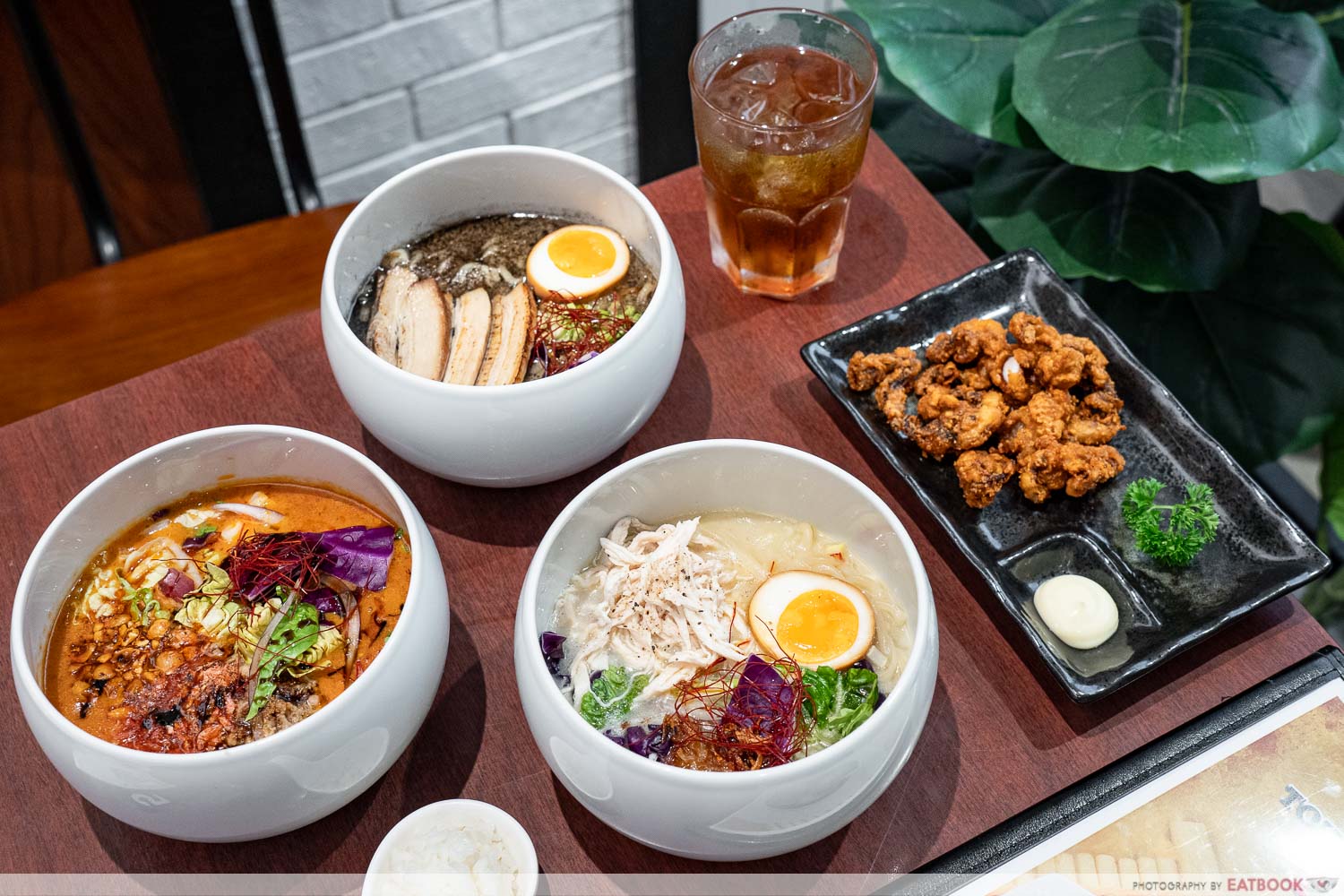
There’s something comforting about sitting down with a hot bowl of ramen after a long day in Singapore. The rich broth, chewy noodles, tender slices of chashu, and that first spoonful of soup can instantly change your mood. And if you’ve spent time around Suntec City, you already know the area has quietly become one of the better spots for Japanese dining.
But with so many restaurants packed into the mall, finding genuinely good Suntec ramen can feel overwhelming. Some places focus on creamy tonkotsu broth, while others go heavy on spicy flavors or lighter shoyu-style soups. Prices vary too, and not every bowl lives up to the photos on the menu.
So where should you actually eat?
This guide covers the best ramen options around Suntec City, what makes each one stand out, practical ordering tips, and how to choose the right bowl depending on your taste preferences. Whether you want a quick lunch, a late dinner, or a comforting meal during rainy weather, there’s likely a ramen spot here that fits the mood perfectly.
Why Suntec City Is Popular for Ramen Lovers
Suntec City has become more than just a shopping mall. Over the years, it has grown into one of Singapore’s busiest lifestyle and dining hubs. Office workers, tourists, students, and families all pass through the area daily, which explains why restaurants constantly compete to offer better food experiences.
Japanese cuisine has especially gained strong popularity here.
One reason is convenience. Most ramen restaurants in Suntec Ramen are located close to MRT connections, shopping zones, and entertainment areas. That makes grabbing a bowl during lunch breaks or weekend outings incredibly easy.
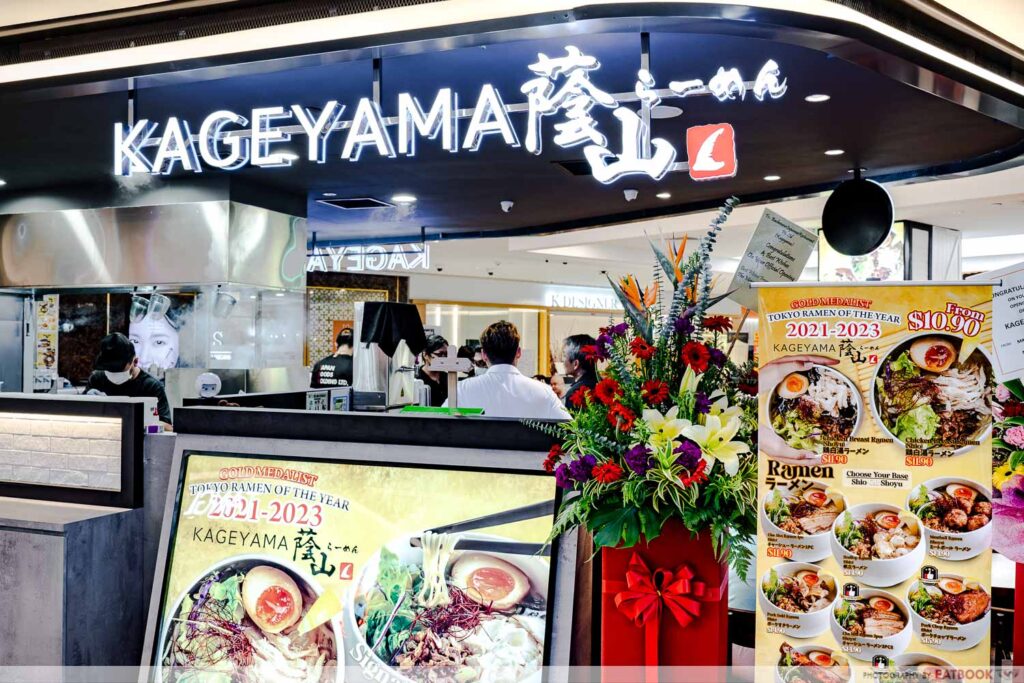
Another reason is variety. You can find:
- Rich tonkotsu ramen
- Chicken broth ramen
- Seafood-based ramen
- Spicy miso ramen
- Vegetarian ramen
- Fusion Japanese noodle dishes
Unlike smaller food districts that only specialize in one ramen style, Suntec Ramen gives diners multiple choices within walking distance.
What Makes a Great Bowl of Ramen?
Before comparing restaurants, it helps to understand what separates an average bowl from a memorable one.
Broth Quality
The broth is the heart of ramen. Good ramen broth usually takes hours to prepare. Tonkotsu broth, for example, is simmered using pork bones until it develops a creamy texture and deep flavor.
Shoyu broth tends to be lighter but more layered in taste. Miso ramen offers a richer and slightly nutty profile.
A weak broth often ruins the entire experience, no matter how good the toppings look.
Noodle Texture
Some diners prefer firm noodles while others like softer textures. Quality ramen shops usually let customers choose noodle firmness.
Fresh noodles with proper elasticity absorb broth better and improve the overall balance of the bowl.
Toppings
Popular toppings include:
- Chashu pork
- Ajitama egg
- Bamboo shoots
- Seaweed
- Corn
- Green onions
- Black garlic oil
The best ramen bowls use toppings to complement the soup instead of overpowering it.
Temperature and Balance
One common issue in crowded restaurants is inconsistent serving temperature. Great ramen should arrive piping hot without becoming overly salty or oily.
9 Popular Places for Suntec Ramen
Here are some of the most talked-about ramen spots in and around Suntec City.
| Restaurant | Best Known For | Price Range | Recommended Bowl |
|---|---|---|---|
| Ramen Keisuke | Rich tonkotsu broth | $$ | Spicy Tonkotsu Ramen |
| Ippudo | Smooth creamy soup | $$$ | Shiromaru Classic |
| Menya Musashi | Thick broth and large portions | $$$ | Black Tonkotsu |
| Santouka | Mild Hokkaido-style ramen | $$$ | Shio Ramen |
| Marutama | Chicken-based broth | $$ | Signature Chicken Ramen |
| Bari-Uma | Strong pork flavor | $$ | Ajitama Uma |
| Kanada-Ya | Thin noodles and creamy broth | $$$ | Truffle Ramen |
| Takagi Ramen | Affordable quick meals | $ | Fire Ramen |
| Afuri Style Concepts | Citrus-inspired flavors | $$$ | Yuzu Shio Ramen |
Ramen Keisuke Still Draws Long Queues
Among all Suntec Ramen restaurants, Ramen Keisuke continues attracting loyal fans.
The broth here is noticeably heavier compared to many competitors. If you enjoy thick, rich tonkotsu soup, this place usually delivers consistency.
Their spicy variations are particularly popular among Singapore diners because the heat level adds extra depth without overwhelming the pork flavor.
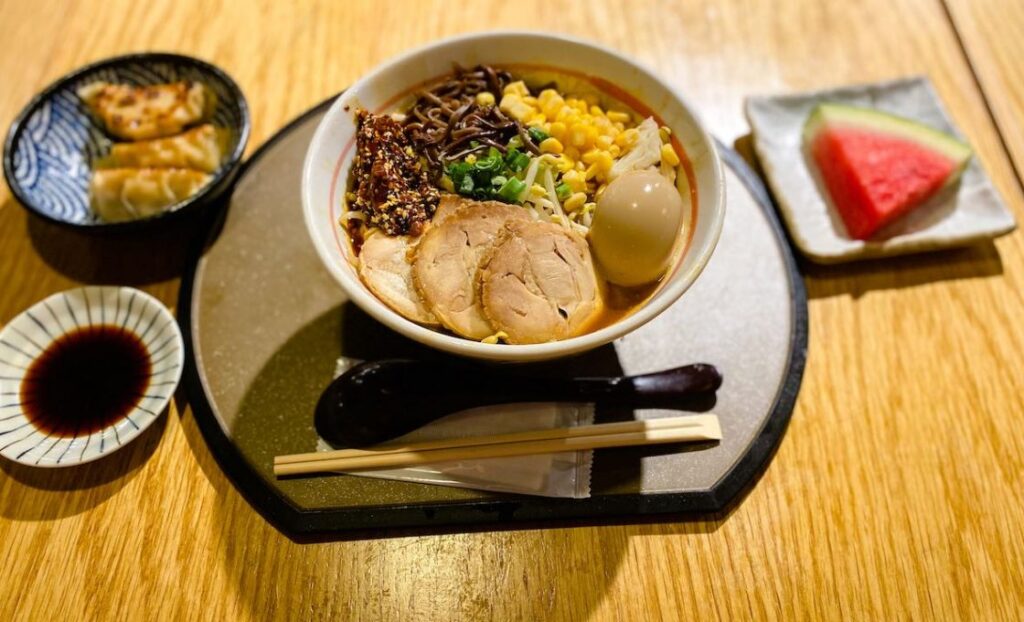
A useful tip? Visit before peak dinner hours. Queue times can stretch significantly during weekends.
Why People Keep Returning
Many repeat customers mention three things:
- Consistent broth quality
- Reasonable portion sizes
- Good value compared to premium ramen chains
The free-flow eggs and bean sprouts offered at some Keisuke branches also improve the dining experience.
Ippudo Offers a More Refined Experience
Some ramen shops focus heavily on bold flavors. Ippudo takes a more balanced approach.
The soup here feels smoother and slightly lighter, which appeals to diners who dislike overly oily broth. The noodles are thin and pair nicely with the creamy tonkotsu base.
Their restaurant atmosphere also feels more polished compared to fast-casual ramen chains.
If you’re bringing friends, family, or business clients, Ippudo works well because the dining environment feels comfortable and modern.
Best Time to Visit
Lunch crowds can become intense during office hours. Mid-afternoon is usually calmer and better for relaxed dining.
Menya Musashi Is Ideal for Big Appetites
Not every ramen bowl leaves you full. Menya Musashi is different.
The portions here are generous, and the broth tends to be heavier. Some bowls include thick-cut pork pieces and intensely flavored black garlic oil.
This style works especially well for diners who enjoy stronger Japanese flavors.
However, lighter eaters may find some bowls too rich.
Practical Ordering Tip
If it’s your first visit, avoid ordering extra sides immediately. The standard serving size is already substantial.
Santouka Appeals to Diners Who Prefer Lighter Broth
Heavy pork broth isn’t for everyone.
Santouka became popular because its Hokkaido-style ramen feels gentler and more balanced. The shio ramen, in particular, has a cleaner taste profile compared to thicker tonkotsu-based competitors.
This makes it a solid option during lunch when you want something comforting without feeling overly full afterward.
The smaller bowl sizes also appeal to people who prefer moderate portions.
Chicken-Based Ramen Is Growing in Popularity
For years, pork broth dominated the ramen scene. Recently, chicken-based ramen has gained more attention in Singapore.
Restaurants like Marutama helped drive this shift.
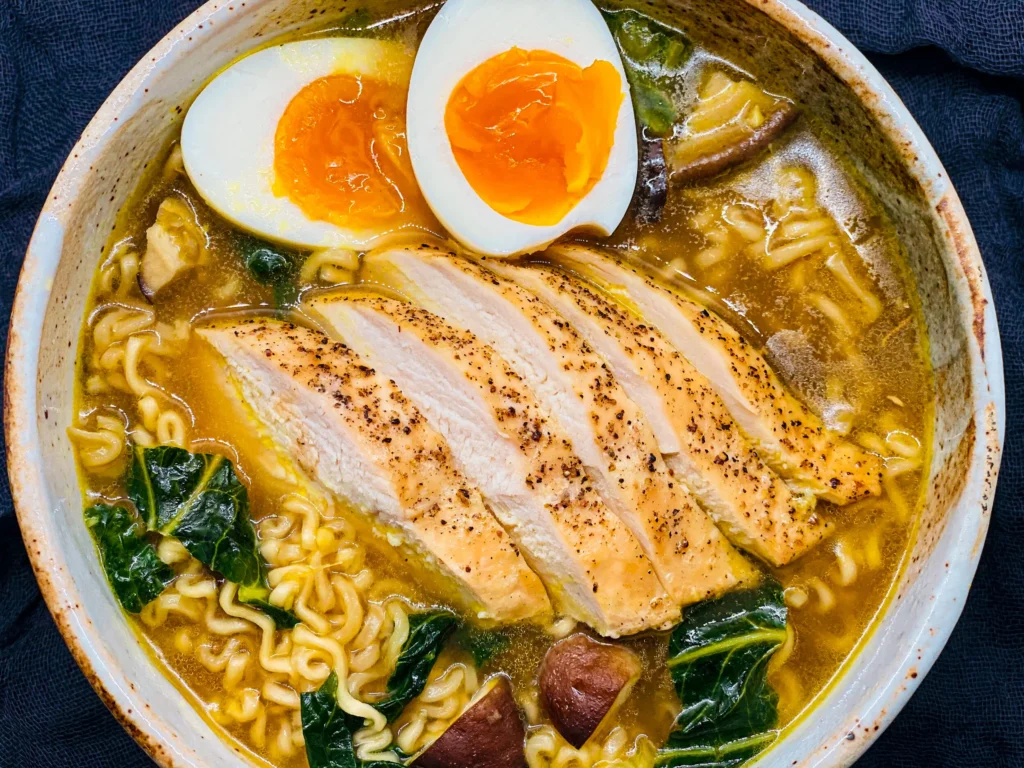
Chicken broth ramen usually tastes lighter, cleaner, and slightly sweeter. It’s also easier for some diners who find pork broth too rich.
Why Chicken Ramen Works Well in Singapore
Singapore’s humid climate sometimes makes ultra-heavy meals feel tiring. Chicken ramen provides comfort while staying relatively light.
That balance matters more than many people realize.
Affordable Suntec Ramen Options Exist Too
Not everyone wants a premium ramen experience every time.
Thankfully, Suntec Ramen also offers budget-friendly choices.
Takagi Ramen often attracts students and younger diners because the prices remain accessible. While it may not match the depth of high-end ramen specialists, it still provides decent flavor for casual meals.
This makes it useful for:
- Quick office lunches
- Late-night cravings
- Affordable Japanese food outings
- Students on tighter budgets
Sometimes convenience matters just as much as authenticity.
Choosing the Right Suntec Ramen Style for Your Taste
One mistake many people make is ordering the most popular bowl without considering personal preference.
Here’s a simpler way to decide.
If You Like Rich and Creamy Flavors
Choose:
- Tonkotsu ramen
- Black garlic ramen
- Miso butter ramen
These usually feel heavier and more filling.
If You Prefer Light and Balanced Soups
Try:
- Shio ramen
- Chicken broth ramen
- Yuzu ramen
These are easier to finish comfortably.
If You Enjoy Spicy Food
Go for:
- Spicy miso ramen
- Red hot tonkotsu
- Chili garlic ramen
Spicy Suntec Ramen has become especially popular in Singapore because local diners already enjoy bold flavors.
A Rainy Day and a Bowl of Suntec Ramen Just Feel Right
There’s a reason ramen becomes extra satisfying during rainy evenings.
Imagine leaving the office after a stressful day. The weather suddenly changes, and heavy rain starts pouring outside Suntec Ramen. People rush indoors, umbrellas dripping near the entrance.
You step into a warm ramen shop.
Steam rises from open kitchen counters. The smell of broth fills the air. Conversations soften into background noise while chefs prepare noodles at incredible speed.
That first sip of hot soup instantly changes your mood.
Good ramen isn’t only about taste. It’s about comfort and atmosphere too.
That emotional connection explains why ramen culture continues growing globally.
What Many Diners Get Wrong About Ramen
Surprisingly, many first-time diners accidentally reduce the quality of their experience.
Waiting Too Long to Eat
Ramen should be eaten quickly after serving. The noodles continue absorbing broth over time, which changes texture and flavor balance.
Adding Too Many Condiments Immediately
Taste the broth first before adding chili oil, garlic, or vinegar. Some soups are already carefully balanced.
Ordering Based Only on Photos
Some visually dramatic bowls prioritize presentation over flavor. Reading customer feedback helps avoid disappointment.
Is Expensive Suntec Ramen Always Better?
Not necessarily.
Higher-priced ramen often includes premium ingredients, imported noodles, or specialty broths. But value depends on what you personally enjoy.
Some diners genuinely prefer simpler bowls with cleaner flavors.
Others enjoy rich, indulgent Suntec Ramen packed with toppings and strong seasoning.
Price alone rarely determines satisfaction.
Best Side Dishes to Pair With Suntec Ramen
Ramen feels even better with the right sides.
Popular choices include:
- Gyoza
- Karaage chicken
- Chashu rice bowls
- Japanese fried rice
- Takoyaki
- Edamame
Gyoza remains the safest pairing because the crispy texture complements soft noodles well.
If you’re dining with friends, sharing side dishes also creates a more enjoyable meal experience.
Lunch vs Dinner: Does Timing Matter?
Actually, yes.
Lunch Hours
Advantages:
- Faster service at some outlets
- Good set meal deals
- Convenient for office workers
Disadvantages:
- Crowded seating
- Limited quiet atmosphere
Dinner Hours
Advantages:
- Better social dining experience
- More relaxed pace
- Ideal comfort meal after work
Disadvantages:
- Longer queues
- Heavier crowds during weekends
Timing can significantly affect your overall dining experience.
The Rise of Japanese Food Culture in Singapore
The popularity of Suntec ramen reflects a larger trend.
Japanese food has become deeply integrated into Singapore’s dining culture. Sushi, ramen, donburi, yakitori, and matcha desserts are now part of everyday urban food habits.
Several reasons explain this:
- Strong tourism influence
- Appreciation for Japanese craftsmanship
- Consistent food quality
- Visual presentation appeal
- Growing interest in authentic Asian cuisine
Singapore diners also tend to value restaurant consistency, which Japanese brands prioritize heavily.
Are Long Queues Actually Worth It?
This depends entirely on expectations.
Some famous ramen shops develop hype because of social media attention rather than genuine food quality.
Here’s a simple question to ask yourself:
Are you looking for the best flavor, or are you chasing popularity?
Sometimes quieter restaurants provide equally satisfying meals without 40-minute waits.
That said, certain ramen shops maintain queues for years because they genuinely deliver strong consistency.
Practical Tips Before Visiting Suntec Ramen Restaurants
Avoid Peak Weekend Timing
Friday evenings and Saturday nights are usually the busiest.
Check Menu Prices First
Some premium ramen bowls in Singapore now exceed standard casual dining budgets.
Consider Soup Richness
Heavy tonkotsu ramen can feel overwhelming for some people, especially in warm weather.
Share Side Dishes
This allows you to try more flavors without overeating.
Ask About Spice Levels
Singapore spice tolerance varies widely among diners.
Vegetarian and Halal-Friendly Options Are Expanding
Years ago, ramen choices felt limited for vegetarian and Muslim diners.
That has slowly changed.
Some restaurants now offer:
- Plant-based broth
- Vegetarian noodles
- Seafood-based alternatives
- Halal-certified Japanese dishes
This wider accessibility has helped ramen culture reach broader audiences across Singapore.
Still, it’s important to confirm dietary requirements directly with restaurants before ordering.
Why Social Media Changed Ramen Dining
Instagram and TikTok have heavily influenced restaurant trends.
Visually dramatic ramen bowls often gain attention faster online. Cheese pulls, flaming toppings, oversized pork slices, and colorful broth designs generate strong engagement.
But does visual appeal always equal better taste?
Not really.
Some of the best ramen bowls remain visually simple yet incredibly satisfying because they prioritize broth quality and noodle texture instead of social media aesthetics.
Common Mistakes Tourists Make When Eating Ramen in Singapore
Tourists sometimes assume all ramen in Singapore tastes identical to ramen in Japan.
That’s rarely true.
Singapore ramen culture often adapts flavors to local preferences:
- Slightly stronger seasoning
- More spice options
- Richer textures
- Fusion-inspired ingredients
This localization isn’t necessarily negative. It simply reflects how food cultures naturally evolve.
A Good Bowl of Ramen Is About Balance
The best Suntec ramen experiences usually come down to balance rather than extremes.
You want:
- Flavorful broth
- Proper noodle texture
- Balanced toppings
- Comfortable atmosphere
- Fair pricing
- Consistent preparation
When all those elements align, even a simple bowl becomes memorable.
That’s why some ramen restaurants build loyal customer bases for years while trendy spots quickly fade away.
Questions Many People Ask About Suntec Ramen
Which shop in Suntec Ramen is best for tonkotsu ramen?
Ramen Keisuke, Ippudo, and Kanada-Ya are commonly recommended for lovers of creamy tonkotsu broth.
Is Suntec Ramen Food expensive?
Prices vary widely. Budget-friendly bowls can start around affordable casual dining ranges, while premium ramen restaurants charge significantly more for specialty ingredients.
Are there vegetarian options in Suntec Ramen?
Yes, several Japanese restaurants now offer vegetarian or plant-based ramen options, though availability varies by outlet.
What time should I visit to avoid queues?
Mid-afternoon between lunch and dinner hours is usually less crowded.
Conclusion
Finding the right Suntec ramen spot isn’t just about choosing the most famous restaurant. It’s about understanding what kind of ramen experience actually suits your preferences.
Some people love rich tonkotsu broth packed with garlic and spice. Others prefer lighter chicken soup with cleaner flavors. Some want affordable quick meals, while others enjoy premium Japanese dining atmospheres.
The good news is Suntec Ramen offers all of those options within one area.
Next time you visit, skip the random decision-making. Think about the type of broth, noodle texture, and dining atmosphere you genuinely enjoy. That simple approach usually leads to a far better ramen experience.
And honestly, few things feel more comforting than sitting down with a hot bowl of ramen while the city moves around you outside.