Singapore’s food culture is built on stories, traditions, and neighborhood favorites that survive because locals keep returning for the same comforting flavors. Among the many hawker treasures across the island, Beo Crescent curry rice has quietly earned a loyal following. The area may not carry the same mainstream fame as Chinatown or Maxwell, but serious food lovers know that Beo Crescent is home to old-school curry rice that reflects the heart of Singapore hawker culture.
What makes curry rice here memorable is not only the curry itself. It is the combination of crispy pork cutlets, braised cabbage, fried eggs, pork chops, and thick gravies poured generously over fragrant rice. Every stall has its own balance of sweetness, spice, and texture. Some lean heavily on Hainanese curry traditions, while others blend Chinese comfort food influences with local flavors.
For many Singaporeans, curry rice is more than a meal. It is affordable comfort food tied to childhood memories, late-night suppers, and family routines. That emotional connection is one reason searches for Beo Crescent curry rice continue growing among tourists and locals looking for authentic hawker experiences outside the usual tourist trail.
This guide covers the best curry rice options in Beo Crescent, what to order, pricing expectations, insider recommendations, and practical tips for first-time visitors.
Why Beo Crescent Curry Rice Is So Popular
Beo Crescent sits near several mature residential estates, which means hawker stalls here depend heavily on repeat local customers rather than tourist traffic. That matters because hawkers serving regular neighborhood diners usually maintain consistency over decades.
Curry rice in Singapore traces much of its influence to Hainanese cooking traditions. Unlike Indian curry dishes that often focus heavily on spices and heat, Singapore-style curry rice balances sweetness, savory gravy, and rich textures. The curry is usually poured over rice alongside braised sauces from various dishes, creating a layered flavor profile unique to local hawker culture.
At Beo Crescent, many curry rice stalls continue preparing dishes using older cooking methods:
- Slow-braised cabbage
- Freshly fried pork cutlets
- Handmade chili sauces
- Thick curry gravies cooked in large batches
- Crispy luncheon meat slices
- Traditional chap chye vegetable mixes
This style of cooking creates flavors that feel deeply nostalgic to Singaporeans. Tourists often discover that the experience differs greatly from restaurant curry dishes because hawker curry rice emphasizes comfort over presentation.
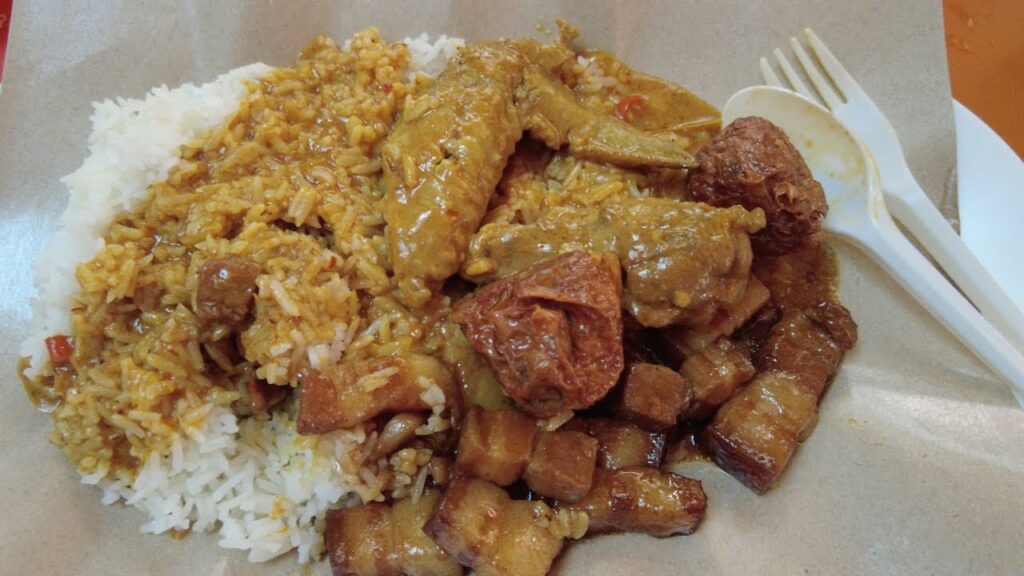
Another reason people search specifically for Beo Crescent curry rice is value. Portions remain generous compared with many modern food courts, making it one of the better affordable food experiences in Singapore.
The History Behind Singapore Curry Rice
Understanding Singapore curry rice helps explain why Beo Crescent stalls attract dedicated fans. The dish evolved from a blend of Chinese, Peranakan, and local Malay influences during the early 20th century.
Hainanese cooks working in colonial households adapted Western and local cooking methods into something uniquely Singaporean. Over time, curry rice developed into a practical hawker meal where customers could point at prepared dishes displayed behind glass counters.
The defining feature became the combination of:
| Element | Purpose |
|---|---|
| Curry gravy | Adds spice and richness |
| Braising sauces | Creates layered flavors |
| Rice base | Balances salty dishes |
| Fried proteins | Adds crunch and texture |
| Pickled or braised vegetables | Cuts through heaviness |
Unlike Japanese curry rice or Indian curry meals, Singapore curry rice is intentionally messy. Hawkers often pour multiple gravies together over the rice. Locals even debate whether mixing sauces improves the experience.
Beo Crescent stalls continue preserving this older serving style, which is one reason food enthusiasts seek them out.
What To Order At Beo Crescent Curry Rice Stalls
First-time visitors sometimes feel overwhelmed because curry rice stalls display dozens of dishes. Experienced diners usually combine several textures and gravies rather than ordering only one item.
Here are the most recommended choices.
Crispy Pork Cutlet
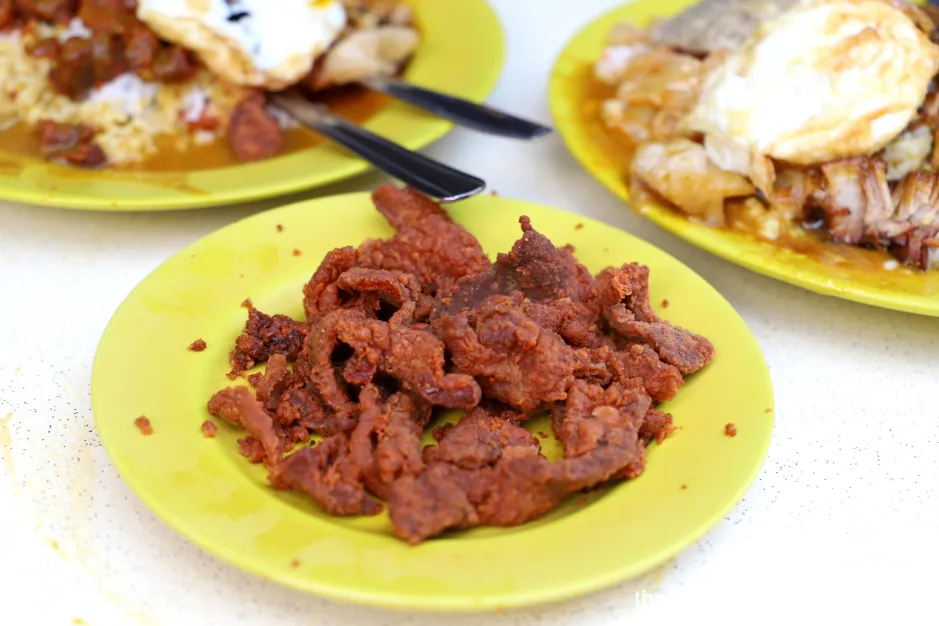
The pork cutlet is one of the signature items across many curry rice stalls in Singapore. At Beo Crescent, good stalls serve cutlets with a crunchy coating while keeping the meat tender inside.
The cutlet works especially well because it absorbs curry without becoming soggy too quickly. Many regulars ask for extra curry specifically for the pork cutlet.
The best versions are:
- Freshly fried
- Thin but juicy
- Lightly seasoned
- Served hot
A properly made pork cutlet often determines whether a curry rice stall develops long-term popularity.
Braised Cabbage
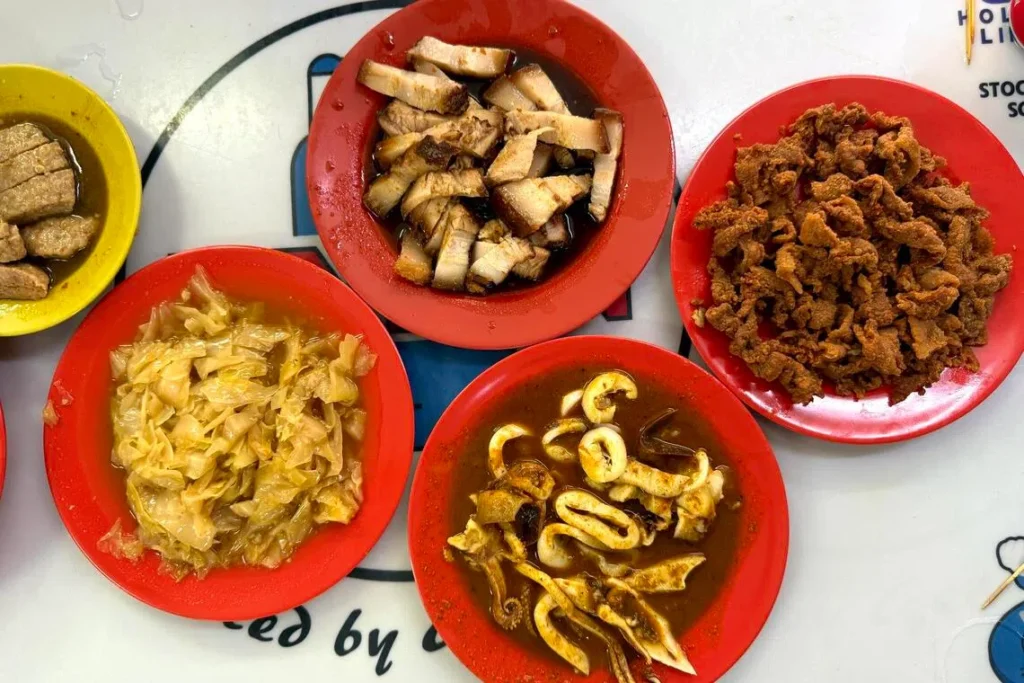
Braised cabbage may sound simple, but it plays a major role in balancing heavy fried dishes. The cabbage absorbs braising liquids over several hours, becoming soft, savory, and slightly sweet.
At Beo Crescent curry rice stalls, cabbage is often paired with:
- Pork chop
- Fried egg
- Chap chye
- Curry gravy
Locals appreciate cabbage because it adds moisture and depth without overpowering the meal.
Fried Pork Chop
Unlike pork cutlets, fried pork chops tend to be thicker and more heavily marinated. Some stalls use five-spice seasoning while others prefer soy-based marinades.
The appeal comes from the contrast between crispy exterior layers and juicy meat. Combined with curry gravy, the pork chop becomes one of the most filling combinations available.
Many regular customers order:
- Pork chop
- Fried egg
- Cabbage
- Curry sauce
- Braised gravy mix
This combination represents classic Singapore curry rice comfort food.
Fried Egg With Curry Gravy
One of the simplest yet most satisfying additions is a fried egg with runny yolk. When mixed into curry rice, the yolk creates a creamy texture that softens spicy gravies.
Some stalls prepare eggs fresh upon order, while others display pre-fried versions during peak hours. Fresh eggs usually taste noticeably better because the edges stay crisp.
Chap Chye
Chap chye is a mixed vegetable dish commonly found at economy rice and curry rice stalls. The ingredients may include:
- Cabbage
- Mushrooms
- Glass noodles
- Bean curd skin
- Carrots
At Beo Crescent curry rice stalls, chap chye often carries strong braised flavors that blend well with curry gravy.
Luncheon Meat
Old-school curry rice culture in Singapore has a soft spot for fried luncheon meat. The crispy edges and salty flavor pair surprisingly well with sweet curry sauces.
Many younger diners order luncheon meat for nostalgia, while older customers grew up eating it regularly during earlier decades.
Average Prices At Beo Crescent Curry Rice Stalls
One reason locals continue supporting neighborhood curry rice stalls is affordability. Prices remain relatively reasonable despite rising food costs across Singapore.
Typical pricing ranges include:
| Dish Combination | Average Price |
|---|---|
| Rice + 2 vegetables | SGD 3.50 – 5 |
| Rice + pork cutlet + egg | SGD 5 – 7 |
| Rice + multiple meats | SGD 7 – 10 |
| Extra curry gravy | Usually free |
| Add-on fried egg | SGD 1 – 1.50 |
Prices vary depending on portion size and protein choices.
Compared with restaurant dining in Singapore, Beo Crescent curry rice still offers strong value for mon
Best Time To Visit Beo Crescent Curry Rice Stalls
Timing matters more than many visitors realize.
Lunch hours between 11:30 AM and 1:30 PM tend to be busiest because nearby residents and workers crowd the hawker centers. During peak periods:
- Popular dishes sell out quickly
- Seating becomes difficult
- Queues can grow long
Experienced locals often visit:
- Before 11:30 AM
- After 2 PM
- Early evening for fresher fried items
Weekend mornings are especially busy because families gather for brunch-style hawker meals.
Some famous curry rice stalls may close once ingredients sell out, so arriving earlier gives visitors the best chance of getting signature dishes.
What Makes Singapore Curry Rice Different From Other Curry Dishes
Many tourists mistakenly compare Singapore curry rice directly with Japanese or Indian curry dishes. The experience is completely different.
Here are the key differences:
| Style | Main Characteristic |
|---|---|
| Singapore Curry Rice | Mixed gravies and braised dishes |
| Japanese Curry Rice | Thick sweet curry sauce |
| Indian Curry Meals | Spice-forward curry varieties |
| Thai Curry Rice | Coconut-heavy flavors |
Singapore curry rice focuses heavily on texture combinations and layered sauces rather than spice intensity alone.
At Beo Crescent, many stalls still prepare curry using recipes passed through generations. That old-school preparation style creates deeper flavor complexity compared with heavily commercialized food court versions.
Hidden Details Most Visitors Miss
Many first-time diners focus only on the curry itself, but experienced hawker enthusiasts pay attention to smaller details that separate average stalls from outstanding ones.
Gravy Balance
Top stalls carefully balance:
- Curry thickness
- Sweetness
- Saltiness
- Spice level
Too much starch creates heavy curry. Too much sweetness makes dishes feel flat.
Frying Technique
Freshly fried cutlets dramatically improve the overall meal. Some stalls fry continuously during rush periods, while weaker stalls pre-fry items hours earlier.
Rice Texture
Good curry rice depends on rice texture. Slightly firmer rice holds gravy better without becoming mushy.
Sauce Layering
Experienced customers sometimes request:
- Curry gravy
- Braised pork sauce
- Vegetable gravy
Mixed together over rice, these sauces create deeper flavor combinations.
Why Food Enthusiasts Prefer Neighborhood Curry Rice
Singapore’s food scene changes rapidly. Trendy cafes and social media restaurants appear constantly, but neighborhood curry rice stalls survive because they deliver consistency.
Beo Crescent curry rice appeals to serious food lovers for several reasons:
- Authentic local atmosphere
- Long-running family recipes
- Affordable meals
- Traditional preparation methods
- Loyal neighborhood customer base
Unlike highly commercialized tourist food spots, neighborhood hawker stalls depend more on taste than marketing.
That authenticity creates stronger emotional connections with diners.
Common Mistakes First-Time Visitors Make
Visitors unfamiliar with Singapore curry rice often make avoidable mistakes.
Ordering Only One Dish
The experience works best when combining several textures and gravies.
Avoiding Vegetables
Braised vegetables help balance heavier fried foods.
Visiting Too Late
Popular items frequently sell out before dinner hours.
Expecting Restaurant Presentation
Hawker curry rice focuses on flavor and comfort rather than aesthetics.
Skipping Chili Sauce
Many stalls offer homemade chili that enhances the overall meal.
How Beo Crescent Curry Rice Reflects Singapore Food Culture
Singapore hawker culture received international recognition because it preserves culinary traditions tied to community identity.
Beo Crescent curry rice represents several important aspects of local food culture:
- Multicultural culinary influence
- Affordable comfort food
- Family-run hawker businesses
- Neighborhood dining traditions
- Generational recipes
Even younger Singaporeans continue supporting these stalls because they offer something increasingly rare: familiar flavors that remain unchanged over decades.
That cultural continuity matters in a rapidly modernizing city.
Practical Tips Before Visiting
If you plan to try Beo Crescent curry rice, these tips improve the experience significantly.
Bring Cash
Some older stalls still prefer cash payments.
Go With Friends
Sharing dishes allows you to try more combinations.
Ask Locals For Recommendations
Regular customers often know which dishes sell fastest.
Don’t Rush
Part of the experience comes from observing hawker culture and enjoying the atmosphere.
Try Mixed Gravies
Many locals combine curry with braised sauces.
Beo Crescent Curry Rice vs Economy Rice
Some visitors confuse curry rice with economy rice because both involve selecting displayed dishes.
The biggest difference is sauce integration.
| Curry Rice | Economy Rice |
|---|---|
| Heavy gravy focus | Lighter serving style |
| Curry poured over rice | Usually separate sauces |
| Fried pork cutlets common | Wider dish variety |
| Stronger comfort-food identity | More everyday lunch-oriented |
Beo Crescent curry rice stalls emphasize rich, layered flavors rather than simple meal customization.
Why Social Media Increased Interest In Curry Rice
Food content creators and local food bloggers have helped spotlight old-school curry rice stalls in recent years. Viral videos showing curry gravy poured generously over crispy pork cutlets attract large online audiences.
Still, the strongest curry rice stalls survive because of repeat local customers rather than internet hype alone.
That balance between online popularity and genuine neighborhood support often separates authentic hawker favorites from short-lived trends.
FAQ Section
What is Beo Crescent curry rice known for?
Beo Crescent curry rice is known for old-school Singapore-style curry rice featuring crispy pork cutlets, braised cabbage, mixed gravies, fried eggs, and traditional hawker flavors.
How much does curry rice cost at Beo Crescent?
Most meals range between SGD 4 and SGD 10 depending on the number of dishes and meat selections.
What is the best dish to order with curry rice?
Popular choices include pork cutlet, fried pork chop, braised cabbage, chap chye, and fried egg with extra curry gravy.
Is Singapore curry rice spicy?
Most Singapore curry rice is mildly spicy rather than extremely hot. The focus is usually on savory and slightly sweet flavors.
What time should I visit Beo Crescent curry rice stalls?
Arriving before lunch peak hours gives you the best chance of getting freshly fried dishes and avoiding long queues.
Is Beo Crescent curry rice suitable for tourists?
Yes. It offers an authentic local hawker food experience that differs from heavily tourist-focused dining areas.
What makes Singapore curry rice different?
Singapore curry rice combines curry gravy with braised sauces and multiple side dishes over rice, creating layered textures and flavors unique to local hawker culture.