Japanese food has a way of turning a simple meal into something memorable. One crispy bite, one warm bowl of miso soup, or one perfectly cooked piece of pork cutlet can instantly change your mood. That is exactly why Tonkichi continues to attract loyal customers year after year.
Some restaurants chase trends. Others quietly focus on quality, consistency, and comfort. Tonkichi belongs to the second category.
For many diners, the first visit starts with curiosity. Maybe a friend recommends the restaurant. Maybe the golden-brown tonkatsu catches your eye. Maybe you are simply searching for a reliable Japanese restaurant that feels authentic without being overly formal. Then the meal arrives, and suddenly you understand why people keep returning.
So, what makes Tonkichi stand out in a crowded Japanese dining scene? Is it really worth the price? And which dishes should first-time visitors order?
This guide covers everything you need to know.
What Is Tonkichi Known For?
Tonkichi is best known for serving premium Japanese tonkatsu, a breaded and deep-fried pork cutlet that remains crispy outside while staying tender inside. While many restaurants offer tonkatsu, Tonkichi built its reputation by focusing on consistency and traditional Japanese preparation methods.
The restaurant is especially popular among:
- Families looking for dependable Japanese food
- Office workers wanting a filling lunch
- Tourists searching for authentic Japanese dining
- Food enthusiasts who appreciate high-quality pork cutlets
Unlike trendy fusion restaurants, Tonkichi stays close to classic Japanese comfort food. That traditional approach is one reason the brand has maintained a loyal following over the years.
The Story Behind Tonkichi’s Popularity
Tonkichi became widely recognized because it delivered something many diners wanted but struggled to find consistently: authentic Japanese tonkatsu made with care.
The restaurant focuses heavily on three things:
| Feature | Why It Matters |
|---|---|
| Fresh ingredients | Better flavor and texture |
| Traditional frying techniques | Crispy coating without excessive oil |
| Balanced meal sets | Complete dining experience |
Instead of overwhelming customers with huge menus, Tonkichi keeps its offerings focused. This often results in better execution and more reliable quality.
That attention to detail matters more than many people realize.
A poorly prepared tonkatsu can feel greasy, dry, or bland. A properly prepared one creates a balance between crunch, tenderness, sweetness, and savory flavor. Tonkichi understands this balance well.
Why Tonkatsu Remains So Popular
Tonkatsu is one of Japan’s most loved comfort foods. Even though it appears simple, the dish requires precision.
The process usually includes:
- Selecting quality pork cuts
- Seasoning properly
- Coating with breadcrumbs
- Frying at controlled temperatures
- Serving immediately for maximum crispness
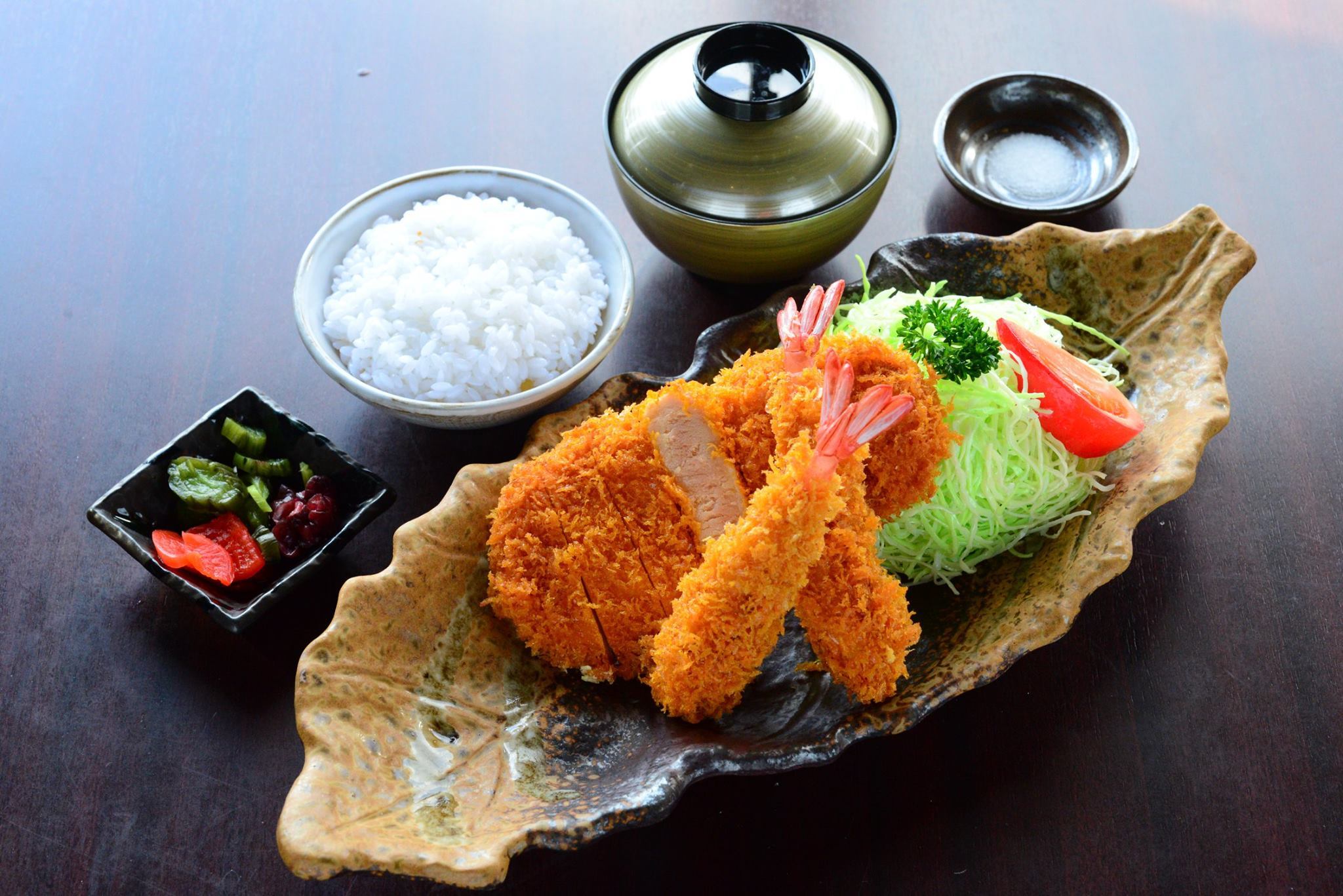
At Tonkichi, the pork cutlets are paired with shredded cabbage, rice, pickles, and soup, creating a complete meal rather than just a fried dish.
Many diners also enjoy the contrast of textures:
- Crunchy breadcrumbs
- Juicy pork
- Fresh cabbage
- Soft rice
- Warm soup
That combination creates a satisfying experience that feels comforting without being overly heavy.
The Most Popular Dishes at Tonkichi
If you are visiting for the first time, choosing from the menu can feel slightly overwhelming. Certain dishes consistently stand out among regular customers.
Hire Katsu
Hire Katsu uses pork fillet, which tends to be leaner and softer. People who prefer tender meat often choose this option.
Why customers like it:
- Less fatty texture
- Very soft bite
- Light yet filling
Rosu Katsu
Rosu Katsu contains more fat, giving it richer flavor and juiciness.
Best for diners who enjoy:
- Rich pork flavor
- Juicy texture
- Heavier meals
Seafood Fry Sets
Not everyone wants pork, and Tonkichi addresses this by offering seafood options.
Popular choices often include:
- Fried prawns
- Oysters
- Fish cutlets
These dishes still carry the same crispy texture Tonkichi is known for.
Combination Sets
Combination meals are perfect for first-time visitors because they allow diners to sample multiple items in one order.
A typical combination may include:
- Pork cutlet
- Fried prawn
- Rice
- Soup
- Pickles
- Salad
This format gives customers a fuller experience of the restaurant’s style.
What Makes Tonkichi Different From Other Tonkatsu Restaurants?
Many Japanese restaurants serve fried pork cutlets, so why do people specifically mention Tonkichi?
The answer usually comes down to consistency and atmosphere.
The Texture Matters
One of the biggest complaints people have about average tonkatsu restaurants is oiliness. Tonkichi generally avoids this issue by maintaining careful frying techniques.
The coating stays:
- Crispy
- Light
- Crunchy
- Less greasy
That difference may sound small, but it changes the entire meal.
The Dining Experience Feels Comfortable
Some Japanese restaurants feel intimidating for casual diners. Tonkichi creates a more welcoming environment.
You do not need expert knowledge of Japanese cuisine to enjoy the meal.
The restaurant atmosphere usually feels:
- Calm
- Family-friendly
- Clean
- Relaxed
That comfort factor keeps customers returning.
Portion Sizes Feel Worthwhile
Another reason for Tonkichi’s popularity is value perception. While prices may not be considered cheap, many diners feel the portion sizes justify the cost.
The meal sets often leave customers fully satisfied without needing extra dishes.
A Closer Look at Tonkichi’s Menu
Menus can vary slightly depending on location, but most Tonkichi branches include several core categories.
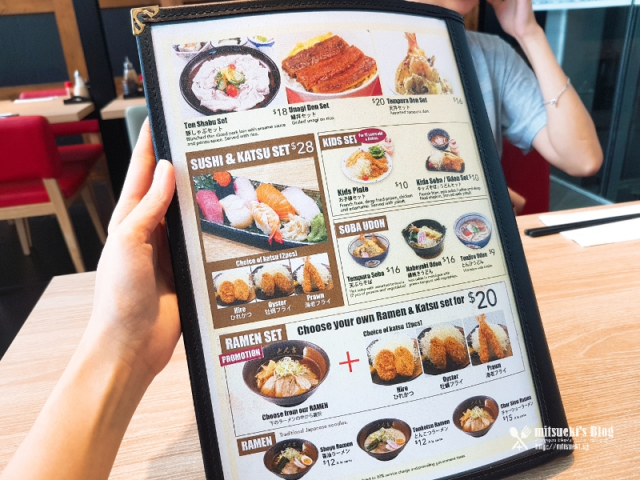
Tonkatsu Sets
These are the signature meals and often the restaurant’s biggest attraction.
Common options include:
- Pork loin cutlet
- Pork fillet cutlet
- Cheese-filled cutlet
- Mixed fry platters
Seafood Selections
Seafood lovers usually appreciate the variety.
Options may include:
- Fried shrimp
- Salmon
- Oyster fry
- Mixed seafood platters
Side Dishes
Many people underestimate the importance of Japanese side dishes. Tonkichi uses them to create balance within the meal.
Sides often include:
- Miso soup
- Pickles
- Rice
- Cabbage salad
- Chawanmushi
Desserts
Some locations also offer Japanese-inspired desserts.
Possible choices may include:
- Ice cream
- Mochi
- Matcha desserts
Is Tonkichi Expensive?
This question comes up frequently.
The honest answer depends on expectations.
Compared to fast food or budget dining, Tonkichi sits in the mid-range category. However, compared to premium Japanese restaurants, many diners consider it reasonably priced.
Here is a general comparison:
| Dining Type | Average Cost |
|---|---|
| Fast food meal | Low |
| Casual café | Moderate |
| Tonkichi set meal | Mid-range |
| Luxury Japanese omakase | Very high |
Many customers feel the quality-to-price ratio works in Tonkichi’s favor.
You are not only paying for food. You are also paying for:
- Ingredient quality
- Consistency
- Service
- Dining environment
Best Time to Visit Tonkichi
Timing can affect your experience significantly.
Lunch Hours
Lunch periods often attract office crowds. Expect:
- Faster-paced service
- Busier dining rooms
- Potential waiting times
Dinner Service
Dinner usually feels more relaxed, especially on weekdays.
Families and groups often prefer evening visits because they can enjoy meals without rushing.
Weekend Crowds
Weekends tend to be busiest. If you dislike waiting, consider visiting during off-peak hours.
Real Dining Experience: What First-Time Visitors Often Notice
A first visit to Tonkichi usually follows a similar pattern.
The customer enters expecting “just another Japanese restaurant.” Then small details begin standing out.
The staff serve sesame seeds for grinding. The aroma of freshly fried cutlets fills the air. The cabbage arrives crisp and fresh. The pork coating stays crunchy until the final bite.
These details may seem minor individually, but together they shape the dining experience.
One customer described their experience this way:
“I expected good fried pork, but I didn’t expect the entire meal to feel so balanced.”
That balance is one reason Tonkichi remains relevant despite changing food trends.
How Tonkichi Appeals to Different Types of Diners
Families
Parents often appreciate:
- Comfortable seating
- Filling portions
- Predictable quality
Couples
The calm atmosphere works well for casual dates.
Solo Diners
Many people visit alone for lunch or dinner because the restaurant feels welcoming rather than awkward.
Tourists
Visitors exploring Japanese cuisine often see Tonkichi as a safe and satisfying option.
The Role of Fresh Ingredients
Freshness matters tremendously in Japanese cuisine.
At Tonkichi, ingredient quality influences everything from texture to flavor.
Pork Quality
Better pork creates:
- Juicier cutlets
- Better texture
- Cleaner flavor
Breadcrumbs
Japanese breadcrumbs differ from regular breadcrumbs. They create a lighter, crispier texture.
Cabbage Freshness
Fresh cabbage balances the richness of fried food and prevents the meal from feeling too heavy.
Tonkichi and Japanese Food Culture
Tonkatsu is more than fried pork. In Japan, it represents comfort, routine, and satisfaction.
Students eat it before exams for good luck because the word “katsu” sounds similar to a Japanese word associated with winning.
Office workers enjoy it after long days.
Families gather around it during casual meals.
Restaurants like Tonkichi help preserve that cultural connection outside Japan.
Common Mistakes First-Time Diners Make
People sometimes rush through the experience without appreciating the smaller details.
Here are a few mistakes worth avoiding.
Adding Too Much Sauce Immediately
Tonkatsu sauce enhances flavor, but too much can overpower the meat.
Start lightly.
Ignoring the Sesame Seeds
Grinding sesame seeds adds aroma and freshness to the sauce.
It may seem minor, but it genuinely changes the flavor.
Skipping the Cabbage
The cabbage is not decorative. It balances richness and refreshes the palate.
Tips for Getting the Best Experience
Go Hungry
Portions can be generous.
Try Combination Sets
They help first-time diners sample different items.
Visit During Non-Peak Hours
You will likely enjoy a calmer atmosphere.
Share Side Dishes
Ordering extra side dishes with friends creates a fuller Japanese dining experience.
Comparing Tonkichi With Other Japanese Restaurants
Tonkichi focuses heavily on specialization.
Many restaurants attempt to serve:
- Sushi
- Ramen
- Tempura
- Yakitori
- Tonkatsu
- Curry rice
When menus become too broad, quality sometimes suffers.
Tonkichi keeps its identity centered around tonkatsu and fried Japanese comfort dishes. That narrower focus often produces better consistency.
Why People Return Again and Again
Restaurants rarely survive long-term based on novelty alone.
Repeat customers usually return because of emotional connection and reliability.
Tonkichi succeeds because diners know what to expect:
- Crispy cutlets
- Warm service
- Consistent quality
- Comfortable environment
That reliability becomes valuable in a dining industry where standards can fluctuate dramatically.
Mini Case Study: A Casual Lunch That Became a Weekly Habit
Consider a typical office worker visiting Tonkichi for the first time during lunch break.
Initially, the visit happens out of convenience. The customer orders a simple pork cutlet set.
The meal arrives fresh, balanced, and satisfying without feeling excessive. The service feels efficient. The environment feels calm compared to crowded food courts.
A week later, the same customer returns.
Soon, Tonkichi becomes part of their routine.
This pattern explains how many long-standing restaurants maintain loyal audiences. Consistency builds habits.
How Social Media Increased Tonkichi’s Visibility
Food photography plays a huge role in modern dining culture.
Tonkichi benefits naturally because tonkatsu photographs well:
- Golden crispy coating
- Neatly arranged meal sets
- Vibrant cabbage
- Steaming rice bowls
Social media exposure helps attract younger diners who may not have otherwise considered traditional tonkatsu restaurants.
At the same time, Tonkichi avoids feeling overly trendy or gimmicky.
That balance matters.
Are There Healthier Choices at Tonkichi?
Some people assume fried food automatically means unhealthy eating. While tonkatsu is certainly indulgent, balance still exists.
Ways to enjoy the meal more moderately include:
- Choosing leaner cuts
- Eating balanced portions
- Including cabbage and soup
- Avoiding excessive sauces
Japanese meals often focus on harmony rather than extreme restriction.
What Diners Usually Love Most
When reading customer reviews, several patterns appear repeatedly.
Crispiness
People consistently praise the crunchy texture.
Tender Meat
Dry pork ruins tonkatsu. Tonkichi usually avoids this issue well.
Reliable Standards
Customers appreciate knowing the food quality remains stable over time.
Comfort
Many reviews mention feeling relaxed while dining.
Questions Readers Often Ask Before Visiting
Is Tonkichi suitable for children?
Yes. The menu and atmosphere generally work well for families.
Are reservations necessary?
It depends on the location and timing. Busy weekends may require waiting.
Is the restaurant good for casual dining?
Absolutely. Tonkichi is widely considered approachable and comfortable.
The Emotional Side of Comfort Food
Food is rarely only about hunger.
Sometimes people visit restaurants because they want familiarity after a stressful week. Other times they simply want something dependable.
Tonkatsu fits that emotional category for many diners.
The warm soup, crispy pork, and calm atmosphere create a comforting experience that goes beyond flavor alone.
That emotional connection often explains why people stay loyal to certain restaurants for years.
Conclusion
Tonkichi continues to earn loyal customers because it understands something many restaurants forget: simple food still matters when it is prepared properly.
The crispy tonkatsu, balanced meal sets, calm atmosphere, and consistent quality create an experience people genuinely remember. While newer food trends constantly appear, Tonkichi remains relevant because comfort, flavor, and reliability never lose value.
If you have never tried Tonkichi before, start with a classic tonkatsu set and take your time with the experience. Notice the texture, the balance, and the small details. Those details are exactly why so many diners keep returning.