The first thing you notice is the smell.
Not the polished scent of a modern café or the buttery aroma of trendy fusion food. It is smoke, soy sauce, sizzling rice, and something deeply comforting that hangs in the air long before the claypot reaches your table.
That is the magic of Geylang claypot rice.
In a city filled with Michelin-recognized hawker stalls and endless food trends, this humble dish continues to pull crowds night after night. People wait patiently beside steaming charcoal fires for rice cooked the old-fashioned way. No shortcuts. No fancy presentation. Just bold flavor, crispy rice crust, tender chicken, Chinese sausage, and salted fish cooked together in a claypot that carries decades of tradition.
But what exactly makes Geylang claypot rice so special? Why do locals and tourists keep coming back despite the long queues and hot weather?
This guide covers everything you need to know, from the history and cooking process to the best places to try it, practical ordering tips, flavor secrets, and why this dish still matters in Singapore’s food culture today.
What Is Geylang Claypot Rice?
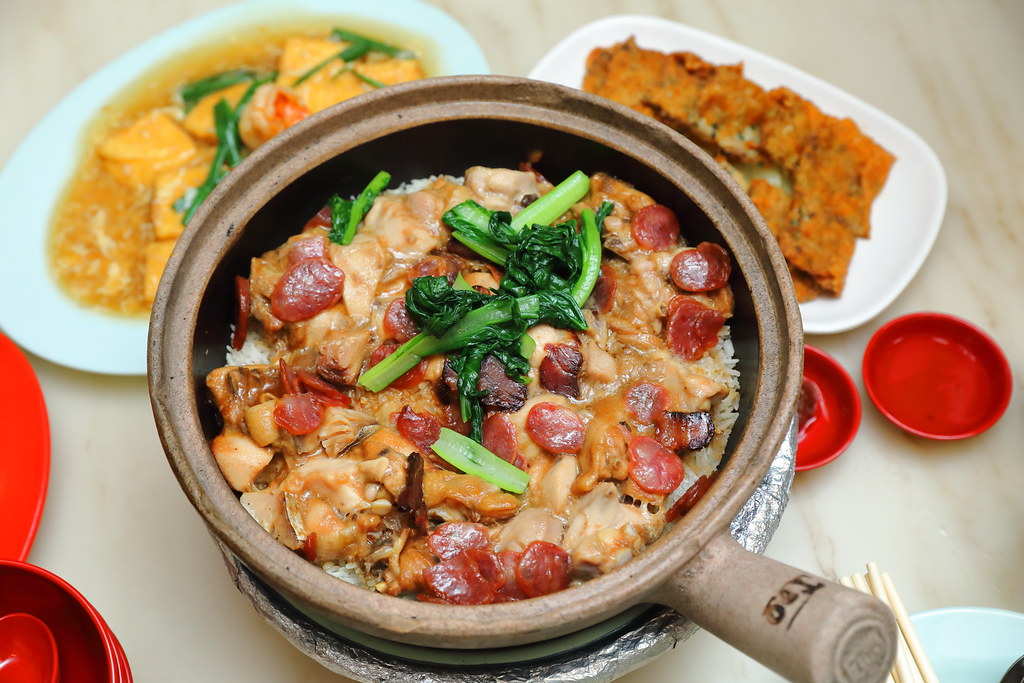
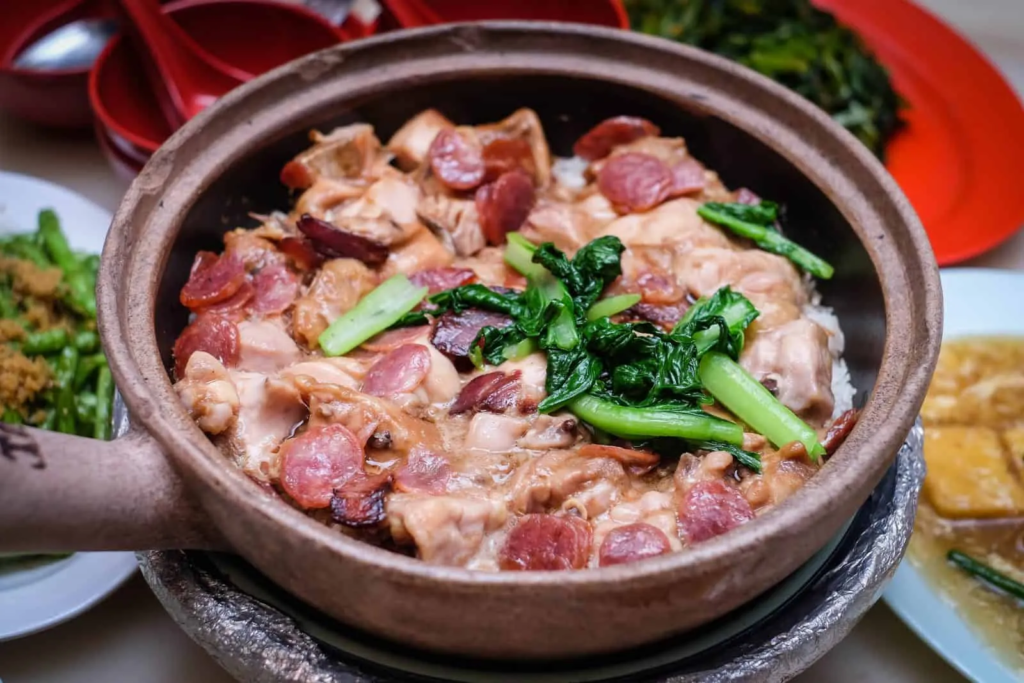
Geylang claypot rice is a traditional Chinese-style rice dish cooked slowly in a claypot over charcoal heat. Unlike standard rice dishes made in electric cookers, claypot rice develops layers of flavor during cooking.
The bottom forms a crispy golden crust often called “socarrat” by some food lovers, although the texture differs from Spanish paella. The rice absorbs chicken stock, dark soy sauce, sesame oil, preserved ingredients, and juices from meat while cooking.
A classic serving usually contains:
- Marinated chicken pieces
- Chinese sausage
- Salted fish
- Rice cooked in stock
- Spring onions
- Soy sauce mixture
- Crispy rice crust
The result is smoky, savory, slightly sweet, and deeply satisfying.
In Singapore, geylang claypot rice became one of the most famous neighborhoods associated with this dish due to its long-standing hawker culture and late-night food scene.
Why geylang claypot rice Became Famous
A Neighborhood Built Around Food Culture
Singapore has many food districts, but geylang claypot rice stands out for its energetic street dining atmosphere. The area developed a reputation for authentic local food served late into the night.
For decades, workers, taxi drivers, students, and families gathered here after dark looking for affordable comfort food. Geylang claypot rice fit perfectly into that culture because it was hearty, shareable, and cooked fresh.
Unlike fast meals prepared in minutes, geylang claypot rice requires patience. That slower cooking process became part of the experience itself.
The Charcoal Cooking Tradition
One reason Geylang claypot rice gained popularity is its continued use of charcoal stoves.
Many restaurants switched to gas or electric methods for speed and efficiency. However, several famous Geylang stalls continued using charcoal because it creates:
- Better heat distribution
- Smokier aroma
- More pronounced crispy rice texture
- Slight caramelization at the bottom
That subtle smoky flavor cannot be fully replicated with modern cooking equipment.
People notice the difference immediately.
The History Behind Geylang Claypot Rice in Singapore
Geylang Claypot rice traces its roots back to southern Chinese Cantonese cooking traditions. Early Chinese immigrants brought the cooking style to Southeast Asia generations ago.
Originally, geylang claypot rice was practical working-class food. Everything cooked together in one pot, making it affordable and filling.
Over time, Singapore adapted the recipe using local preferences and available ingredients. Hawkers began adding stronger soy sauces, preserved meats, and salted fish to create bolder flavors that suited local tastes.
By the 1970s and 1980s, Geylang had become one of the main places where people specifically traveled for geylang claypot rice.
Some stalls became legendary simply because they refused to modernize their cooking process.
That stubborn dedication helped preserve authenticity.
What Makes Great Geylang Claypot Rice?
Not every geylang claypot rice dish tastes the same. In fact, the difference between average and excellent can be dramatic.
Here are the qualities experienced food lovers usually look for.
The Rice Texture Matters Most
The rice should never be mushy.
Good geylang claypot rice has layers of texture:
| Texture Element | What It Should Feel Like |
|---|---|
| Top layer | Soft and fluffy |
| Middle layer | Moist and flavorful |
| Bottom crust | Crispy and lightly charred |
| Overall bite | Firm but not dry |
The crispy crust is often the highlight. Many regular customers intentionally scrape the bottom first before mixing everything together.
Balanced Seasoning
Some stalls overdo the soy sauce. Others make the dish too oily.
A balanced geylang claypot rice should combine:
- Saltiness from preserved ingredients
- Sweetness from Chinese sausage
- Smokiness from charcoal
- Richness from chicken fat
- Freshness from scallions
Nothing should overpower the rice itself.
Fresh Ingredients
Traditional geylang claypot rice sounds simple, but ingredient quality changes everything.
Fresh chicken absorbs marinade better. High-quality sausage adds natural sweetness. Proper salted fish contributes umami instead of harsh saltiness.
Even the rice type matters.
Many experienced hawkers use long-grain rice because it handles claypot cooking more effectively.
Famous Places Known for Geylang Claypot Rice
Several stalls built strong reputations over the years. Some became tourist favorites while others remain local secrets.
Lian He Ben Ji Claypot Rice
This stall is one of Singapore’s most recognized claypot rice names. Known for charcoal cooking and long queues, it helped bring wider international attention to traditional claypot rice.
Customers often wait quite a while, especially during dinner hours.
Popular features include:
- Strong smoky aroma
- Crispy rice base
- Rich dark soy seasoning
- Generous preserved sausage portions
Geylang Claypot Rice
Another highly discussed spot among locals, this place is praised for maintaining old-school preparation methods.
Many visitors appreciate the consistency and authentic charcoal flavor.
New Lucky Claypot Rice
This restaurant-style version offers a slightly more polished dining experience while still focusing on traditional flavors.
It attracts both locals and travelers searching for a less crowded alternative.
Why People Wait So Long for Claypot Rice
One question comes up constantly.
Why would anyone wait 30 minutes or even an hour for rice?
The answer becomes obvious after the first bite.
Claypot Rice Cannot Be Rushed
Traditional preparation takes time because the rice cooks directly in the claypot from raw.
The process usually includes:
- Heating the claypot
- Cooking rice partially
- Adding marinated ingredients
- Allowing flavors to absorb
- Forming crispy crust
- Finishing with sauce and garnishes
Rushing the process ruins texture.
Some hawkers intentionally limit batch sizes to maintain consistency.
The Queue Becomes Part of the Experience
In Singapore’s hawker culture, long queues often signal trust and reputation.
People assume:
- Long lines mean authentic flavor
- Locals know the best spots
- The wait will be worth it
Surprisingly, many diners enjoy the anticipation.
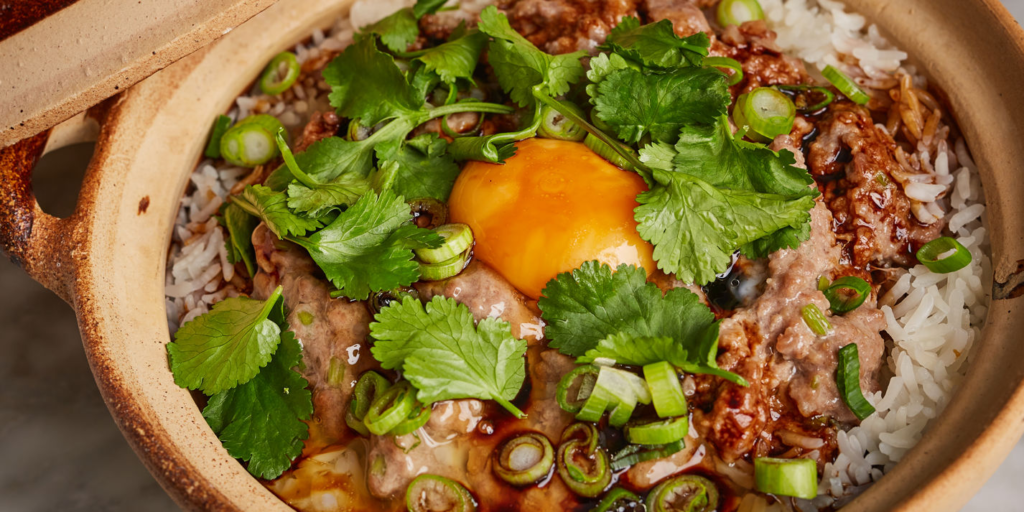
You smell charcoal smoke while watching claypots line the stoves. That sensory build-up increases excitement before the food even arrives.
The Role of Charcoal in Flavor
Modern kitchens prioritize convenience, but charcoal cooking changes flavor chemistry in ways electric heat cannot fully mimic.
Why Charcoal Cooking Stands Out
Charcoal produces:
- Dry heat
- Smoky aroma
- Slight caramelization
- Better crust formation
This cooking method also creates subtle variations in each pot.
No two claypots taste exactly identical.
That handmade unpredictability adds character many food enthusiasts appreciate.
The Crispy Rice Effect
The bottom crust forms because direct heat continues cooking the rice after moisture evaporates.
Done correctly, the crust should taste:
- Nutty
- Toasted
- Slightly smoky
- Crisp without burning
Some diners specifically request extra crispy rice because it adds contrast to the softer upper layers.
How Locals Actually Eat Claypot Rice
Tourists sometimes approach claypot rice cautiously because the presentation looks intense.
Locals usually have a method.
Step-by-Step Eating Style
Many Singaporeans follow this sequence:
- Mix sauce evenly
- Stir ingredients through rice
- Scrape crispy bottom carefully
- Eat while still steaming hot
- Pair with vegetables or soup
Timing matters.
Claypot rice tastes best immediately after serving because the texture changes as it cools.
Common Side Dishes
People often order:
- Stir-fried vegetables
- Chinese tea
- Herbal soup
- Oyster sauce greens
- Braised tofu
These sides balance the richness of the rice.
Geylang Claypot Rice vs Other Asian Rice Dishes
Many travelers compare claypot rice to similar dishes across Asia.
Although there are similarities, the cooking style remains distinct.
| Dish | Main Difference |
|---|---|
| Claypot rice | Crispy rice crust and charcoal aroma |
| Bibimbap | Korean mixed rice with spicy sauce |
| Donburi | Japanese rice bowl with toppings added separately |
| Paella | Spanish saffron rice cooked wide and shallow |
| Nasi goreng | Fried rice rather than slow-cooked rice |
The texture of authentic claypot rice is especially difficult to replicate elsewhere.
Common Mistakes First-Time Visitors Make
Arriving Too Hungry
This sounds funny, but it matters.
Claypot rice requires waiting time, especially at famous stalls. Experienced diners often snack lightly beforehand.
Ordering Too Little
Claypot rice shrinks slightly during cooking.
First-time visitors sometimes underestimate portion sizes and regret not ordering larger servings.
Ignoring the Crispy Bottom
Some people stir too aggressively and lose the prized crust texture.
A gentler mix works better.
Visiting Only Tourist-Famous Spots
Smaller neighborhood stalls can be equally impressive.
Some lesser-known hawkers produce incredible claypot rice with shorter queues.
The Best Time to Eat Geylang Claypot Rice
Evening Is Usually Ideal
Most claypot rice stalls become busiest at night.
The cooler evening atmosphere enhances the experience, especially in open-air hawker environments.
Dinner hours also match traditional dining habits for this heavier meal.
Late-Night Food Culture
Geylang is famous for late-night dining.
Many people crave claypot rice after:
- Work shifts
- Social gatherings
- Night outings
- Weekend activities
The warm smoky rice feels especially comforting late at night.
A Real Dining Experience That Explains the Hype
A traveler from Australia once described waiting nearly an hour for claypot rice during a humid Singapore evening.
At first, frustration kicked in.
The queue barely moved. The charcoal smoke felt intense. Plastic stools were packed tightly together.
Then the claypot arrived.
The rice crackled softly. Steam rose immediately after lifting the lid. The smell of soy sauce and sausage filled the table.
One bite changed everything.
The smoky crust at the bottom created a texture unlike ordinary rice dishes. Every spoonful tasted layered and rich without becoming overwhelming.
That traveler returned two more times before leaving Singapore.
This kind of story is extremely common among first-time visitors.
Why Claypot Rice Still Matters in Modern Singapore
Singapore’s food scene evolves rapidly.
New cafés, fusion concepts, and social media food trends appear constantly. Yet claypot rice remains relevant because it offers something difficult to replace.
It Represents Patience
Fast food dominates many cities today.
Claypot rice demands time.
That slower pace creates emotional value people increasingly appreciate.
It Connects Generations
Older Singaporeans grew up eating claypot rice with family members decades ago.
Younger diners continue visiting because the dish feels authentic rather than manufactured for trends.
It Preserves Hawker Heritage
Singapore’s hawker culture holds major cultural importance.
Traditional dishes like claypot rice help preserve culinary identity in a rapidly modernizing city.
Health Considerations: Is Claypot Rice Healthy?
Claypot rice is comforting rather than strictly health-focused, but balance matters.
Nutritional Positives
Depending on ingredients, the dish can provide:
- Protein from chicken
- Energy from rice
- Minerals from preserved seafood
- Moderate portion flexibility
Things to Watch
Some versions contain:
- High sodium
- Processed sausage
- Extra oil
- Large portions
Health-conscious diners can balance meals by adding vegetables and sharing portions.
Tips for Finding the Best Claypot Rice
Not every crowded stall guarantees quality.
Here are useful signs experienced food lovers notice.
Look for Active Charcoal Stations
If you see multiple claypots actively cooking over charcoal, that usually signals authentic preparation.
Watch Local Customers
Large numbers of returning local diners often indicate consistency.
Smell the Rice
Good claypot rice gives off:
- Smoky aroma
- Toasted rice scent
- Savory soy fragrance
Burnt smells usually indicate poor heat control.
Observe the Rice Texture
Excellent claypot rice should never look watery or greasy.
How Social Media Changed Claypot Rice Popularity
Platforms like Instagram, TikTok, and YouTube dramatically increased international awareness of Singapore street food.
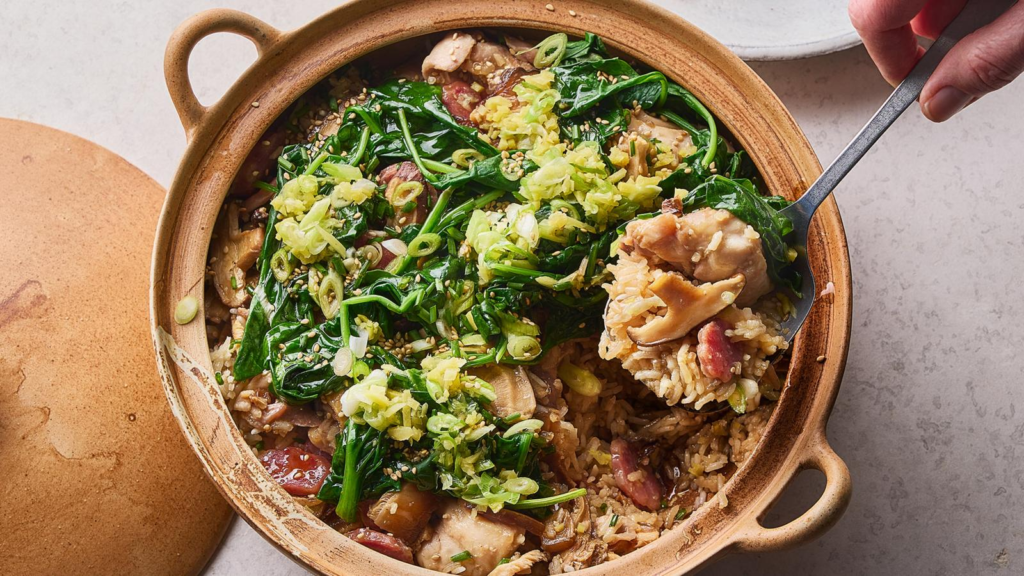
Claypot rice became especially photogenic because of:
- Steam rising from claypots
- Crispy rice scraping sounds
- Charcoal flames
- Rich sauce colors
Food creators helped younger audiences reconnect with traditional hawker dishes.
However, some locals argue that social media popularity also increased wait times significantly.
Is Expensive Claypot Rice Better?
Not always.
One interesting aspect of Singapore food culture is that affordable hawker meals often outperform expensive restaurant versions.
Hawker Stalls vs Restaurants
| Hawker Version | Restaurant Version |
|---|---|
| More traditional | Often modernized |
| Strong charcoal flavor | Cleaner presentation |
| Affordable | Higher prices |
| Long queues | Reservations possible |
| Casual atmosphere | Comfortable seating |
Some diners prefer authentic hawker intensity while others enjoy restaurant convenience.
It depends on personal preference.
Practical Tips Before You Go
Bring Cash
Some smaller stalls still prefer cash payments.
Avoid Peak Hours if Possible
Early dinner times can reduce waiting.
Wear Light Clothing
Charcoal cooking areas become warm quickly.
Share Multiple Dishes
Going with friends allows you to try side dishes alongside claypot rice.
Frequently Asked Questions About Geylang Claypot Rice
Is Geylang claypot rice halal?
Most traditional claypot rice stalls are not halal because they commonly use Chinese sausage and salted fish prepared with non-halal ingredients. Always check directly with the stall if dietary requirements matter.
Why does claypot rice take so long?
Traditional preparation cooks raw rice directly in the claypot over charcoal. This slower process creates the signature crispy crust and smoky flavor.
What does claypot rice taste like?
The flavor is savory, smoky, slightly sweet, and rich. The crispy rice bottom adds toasted texture while soy sauce and preserved ingredients create depth.
Is the burnt rice intentional?
Yes. The crispy bottom layer is one of the most desired parts of the dish when cooked correctly.
Can vegetarians eat claypot rice?
Some places offer mushroom or vegetable versions, although traditional recipes usually contain meat and preserved seafood.
Internal Linking Suggestions
- Best Hawker Foods in Singapore
- Traditional Chinese Street Food Guide
- Late Night Food Spots in Singapore
- Singapore Food Culture Explained
- Charcoal Cooking Techniques in Asian Cuisine
External Authority Reference Suggestions
- Singapore Tourism Board
- National Heritage Board Singapore
The Emotional Side of Claypot Rice Few People Talk About
Food trends come and go quickly.
One month everyone lines up for croissants stuffed with ice cream. The next month it is ramen burgers or cheese-pull sandwiches. Yet claypot rice survives decade after decade because it offers emotional comfort rather than temporary novelty.
There is something deeply grounding about hearing a claypot crackle on the table while sitting in a crowded hawker center surrounded by conversation, heat, and movement.
Many Singaporeans associate claypot rice with:
- Family dinners
- Childhood outings
- Weekend suppers
- Late-night conversations
- Old neighborhood traditions
That emotional connection matters more than presentation.
A perfectly edited social media photo cannot replace the feeling of sharing hot claypot rice with friends while scraping crispy rice from the bottom together.
Why Tourists Often Remember This Dish Long After Their Trip
Ask travelers about memorable meals in Singapore and claypot rice appears surprisingly often.
Why?
Because the experience activates multiple senses simultaneously.
You hear the sizzling rice.
You smell charcoal smoke before seeing the dish.
You feel heat rising from the claypot.
You taste layers of sweetness, saltiness, and toasted rice texture in one bite.
That sensory intensity creates stronger memory retention compared to ordinary restaurant meals.
People may forget polished dining rooms, but they remember standing beside smoky hawker stalls waiting for claypot rice.
The Future of Geylang Claypot Rice
Traditional hawker cooking faces challenges today.
Younger generations often avoid taking over physically demanding food businesses because the work involves:
- Long hours
- Heat exposure
- Thin profit margins
- Labor-intensive preparation
Charcoal cooking also requires experience and patience that many modern kitchens no longer prioritize.
Still, claypot rice continues attracting attention from food enthusiasts who value authenticity and heritage cooking.
Some younger chefs are now revisiting traditional methods while introducing small updates like:
- Better ingredient sourcing
- Cleaner dining environments
- Online ordering systems
- Creative side dishes
The core identity remains the same though.
People still want smoky rice cooked slowly in claypots.
Final Thoughts on Geylang Claypot Rice
Geylang claypot rice is more than a popular hawker meal. It represents tradition, patience, community, and the kind of cooking that refuses to compromise for speed.
The dish continues thriving because it delivers something many modern dining experiences lack: genuine character.
Every claypot tells a small story through its smoky aroma, crispy rice crust, and rich layered flavors. Whether you try it at a famous stall with long queues or a quieter neighborhood shop, the experience feels personal and memorable.
If you ever visit Singapore, skip at least one trendy café meal and spend that time sitting beside a charcoal stove instead.
Wait for the claypot.
Listen to the crackling rice.
Then take that first smoky bite while it is still steaming hot.
You will immediately understand why generations of food lovers keep returning for more.