Have you ever wondered why Singapore streets, mosques, and Muslim communities feel different when Hari Raya Haji arrives? For some people, it is a familiar annual celebration. For others, especially those who are not Muslim, it may raise questions: What exactly is being celebrated? How is it different from Hari Raya Puasa? And what happens during the day?
Hari Raya Haji is more than just a public holiday. It is a meaningful occasion that combines faith, family, sacrifice, and community spirit. In Singapore, the celebration brings together generations of Muslim families while also reflecting the country’s multicultural identity.
In this guide, you will learn the history behind Hari Raya Haji, how Singaporeans observe it, what the korban ritual means, the difference between the two Hari Raya celebrations, and simple ways to show respect if you are joining friends or colleagues during this special occasion.
What Is Hari Raya Haji and Why Is It Celebrated?
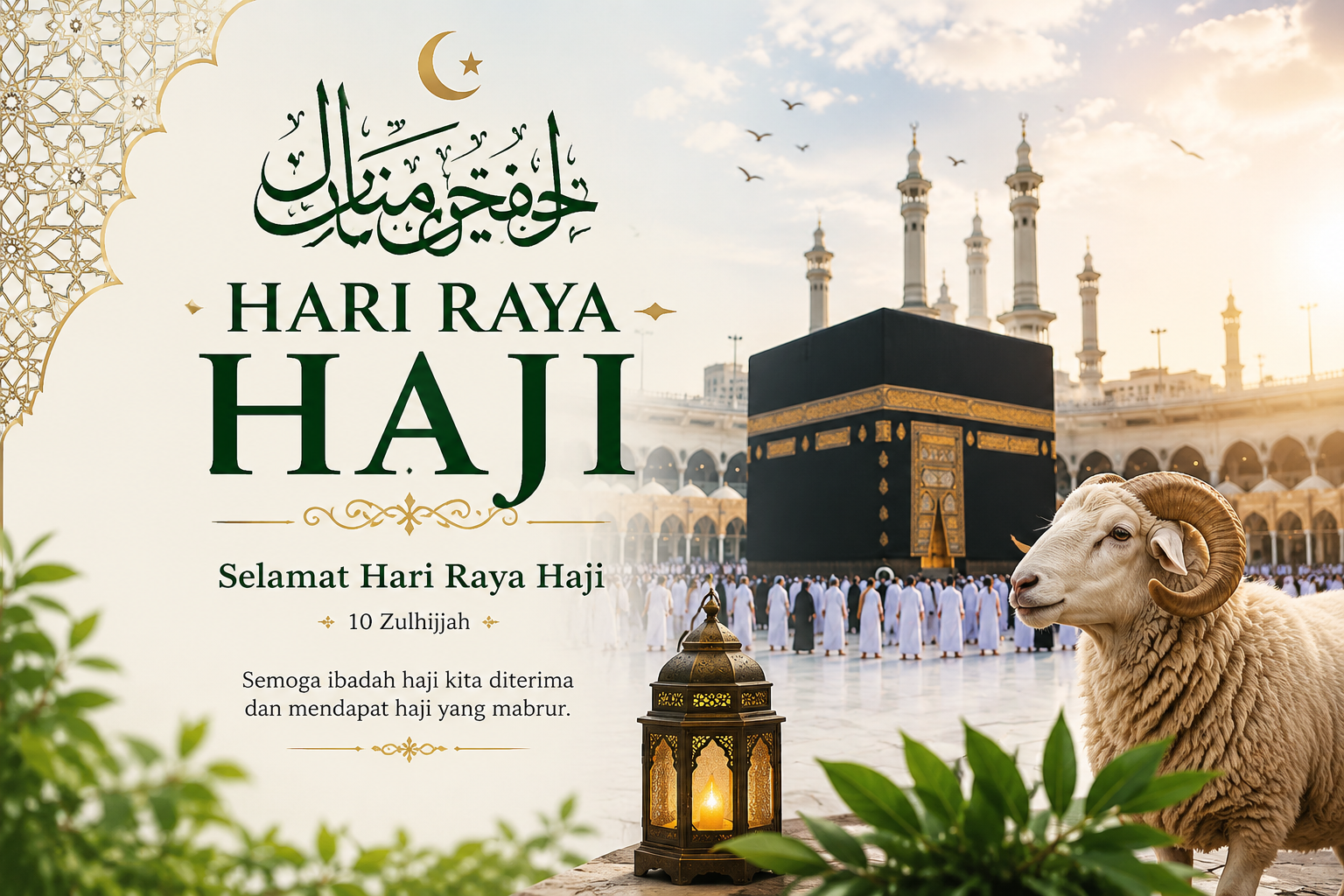
At its heart, Hari Raya Haji is a celebration of devotion and sacrifice. The festival is also known as the Festival of Sacrifice and takes place on the 10th day of Zulhijjah, the final month of the Islamic calendar.
The celebration is closely connected to Hajj, the annual pilgrimage to Makkah that millions of Muslims around the world hope to complete at least once in their lifetime.
The story behind Hari Raya Haji comes from Prophet Ibrahim (Abraham), who is remembered in Islamic tradition for his complete trust and obedience to God. According to the story, Ibrahim was willing to sacrifice his son as an act of faith. God then provided a ram as a replacement sacrifice.
This story represents a powerful message: true devotion often requires patience, generosity, and putting faith above personal desires.
For Muslims in Singapore, Hari Raya Haji is a time to remember these values. It is not only about celebration but also reflection.
Many families spend the day:
- Attending special prayers at mosques
- Visiting relatives
- Sharing meals together
- Giving charity
- Taking part in community activities
Unlike some celebrations that focus mainly on entertainment, Hari Raya Haji has a quieter and more reflective atmosphere.
Hari Raya Haji vs Hari Raya Puasa: What Is the Difference?
One of the most common questions people ask is: “Are Hari Raya Haji and Hari Raya Puasa the same thing?”
The simple answer is no.
Although both are important Islamic celebrations, they represent different moments in the Islamic calendar.
Hari Raya Puasa
Hari Raya Puasa, also called Eid al-Fitr, happens at the end of Ramadan, the month when Muslims fast from dawn to sunset.
It celebrates:
- The completion of Ramadan fasting
- Gratitude and spiritual renewal
- Family gatherings after a month of devotion
In Singapore, Hari Raya Puasa is often associated with colourful decorations, open houses, traditional clothing, and larger festive gatherings.
Hari Raya Haji
Hari Raya Haji, also called Eid al-Adha, focuses on:
- The importance of sacrifice
- The Hajj pilgrimage
- Helping those in need
The atmosphere is usually more solemn and spiritual compared with Hari Raya Puasa.
A simple way to remember the difference:
Hari Raya Puasa celebrates the end of fasting.
Hari Raya Haji remembers sacrifice and faith.
Both celebrations are meaningful, but they tell different stories.
How Singaporeans Celebrate Hari Raya Haji
Walk into a Muslim neighbourhood in Singapore during Hari Raya Haji, and you will notice that the celebration feels deeply connected to family and community.
The day usually begins early.
Morning Prayers at the Mosque
Many Muslims wake up early, dress in traditional clothing, and head to the mosque for special Hari Raya Haji prayers.
Men often wear traditional outfits such as baju Melayu, while women may wear baju kurung or other modest festive clothing.
The prayer gathering is an important moment because it brings the community together. People who may not see each other regularly meet at the mosque, exchange greetings, and begin the day with gratitude.
Family Visits and Gatherings
After prayers, families often return home for meals and visits.
Like many Singapore celebrations, food plays an important role.
Families may prepare dishes such as:
- Beef rendang
- Satay
- Nasi biryani
- Curry dishes
- Traditional Malay desserts
However, Hari Raya Haji is generally less focused on large-scale visiting compared with Hari Raya Puasa.
The emphasis is usually on meaningful time with close family members.
Remembering Those in Need
Charity is another important part of Hari Raya Haji.
The festival reminds Muslims that blessings should be shared. Many people use this occasion to donate money, food, or other forms of support to those who need help.
This spirit of giving is one reason why the celebration has significance beyond the Muslim community.
Understanding Korban: The Sacrifice Tradition
The word “korban” refers to the ritual sacrifice performed during Hari Raya Haji.
This tradition comes from the story of Prophet Ibrahim and represents obedience, gratitude, and willingness to give.
During korban, eligible Muslims may contribute towards the sacrifice of animals such as sheep, goats, or cattle.
The meat is then distributed according to Islamic guidelines, often including sharing with:
- The person performing the sacrifice
- Family members
- Poor and needy communities
In Singapore, korban activities are carefully organised through mosques and approved organisations to ensure proper handling, hygiene, and distribution.
The practice is not simply about the animal sacrifice itself. The deeper message is generosity.
The idea is simple: when you have something valuable, you share it with others.
Why Hari Raya Haji Matters in Singapore’s Multicultural Society
Singapore is known for its diverse communities, and Hari Raya Haji is one example of how different cultures and traditions exist side by side.
For Muslims, it is a religious occasion.
For the wider Singapore community, it is also an opportunity to learn about a neighbour’s culture and traditions.
Many workplaces acknowledge the celebration by:
- Wishing Muslim colleagues well
- Adjusting schedules around the public holiday
- Learning about cultural practices
Small gestures can make a difference.
A simple “Selamat Hari Raya Haji” is often appreciated when greeting Muslim friends or colleagues.
Respect does not require knowing every detail of a tradition. Sometimes, genuine curiosity and kindness are enough.
Visiting Muslim Friends During Hari Raya Haji: Simple Etiquette Tips
If you are invited to a Hari Raya Haji gathering, you may wonder what you should do.
Here are some easy tips.
Dress Respectfully
Singapore is generally relaxed, but modest clothing is appreciated when visiting religious or family settings.
Ask Questions
Most people appreciate respectful curiosity.
Questions like:
- “What does Hari Raya Haji mean to your family?”
- “How do you usually celebrate?”
can lead to meaningful conversations.
Be Mindful About Food
If food is served, your host will usually explain what is available.
Muslims do not consume pork or alcohol, so avoid bringing these items unless you know they are appropriate.
Don’t Feel Pressure to Know Everything
You do not need to memorise religious terms or traditions before visiting.
A friendly attitude matters more.
How Hari Raya Haji Has Changed Over Time
Like many traditions, Hari Raya Haji continues to evolve.
Older generations may remember celebrations that were smaller and more neighbourhood-focused. Today, technology and modern lifestyles have changed how people connect.
Families now:
- Use video calls to include relatives overseas
- Share greetings through messaging apps
- Learn about celebrations through social media
At the same time, the core values remain unchanged.
Faith, sacrifice, family, and generosity continue to define the festival.
Modern Singapore has changed, but the meaning behind Hari Raya Haji remains strong.
When Is Hari Raya Haji in Singapore?
The date of Hari Raya Haji changes every year because the Islamic calendar follows the lunar cycle.
In Singapore, Islamic religious dates are officially determined through the appropriate authorities based on moon sighting and calculations.
Hari Raya Haji usually falls around two months after Hari Raya Puasa.
For planning purposes, Singapore residents often check official public holiday calendars each year.
This is especially useful for:
- Planning family gatherings
- Arranging work schedules
- Booking travel
- Understanding school holidays
Common Misunderstandings About Hari Raya Haji
Many people know the name but misunderstand the celebration.
Here are some common myths.
“Hari Raya Haji Is Just Another Hari Raya”
Not exactly.
Both celebrations are important, but they have different meanings and traditions.
“The Festival Is Only About Sacrifice”
The korban ritual is important, but the festival represents much more.
It is also about:
- Faith
- Community
- Charity
- Family connections
“Only Muslims Can Learn About It”
Cultural understanding benefits everyone.
Singapore’s diversity grows stronger when people take time to understand each other’s traditions.
Frequently Asked Questions About Hari Raya Haji
1. What does Hari Raya Haji mean?
Hari Raya Haji means the Festival of Sacrifice. It commemorates Prophet Ibrahim’s devotion and is connected to the annual Hajj pilgrimage. The celebration reminds Muslims about faith, generosity, and helping others.
2. Is Hari Raya Haji a public holiday in Singapore?
Yes, Hari Raya Haji is recognised as a public holiday in Singapore. The date changes each year because it follows the Islamic lunar calendar.
3. What is the difference between Hari Raya Haji and Hari Raya Puasa?
Hari Raya Puasa marks the end of Ramadan fasting, while Hari Raya Haji focuses on sacrifice, the Hajj pilgrimage, and remembering Prophet Ibrahim’s devotion.
4. Can non-Muslims wish someone Selamat Hari Raya Haji?
Yes. A respectful greeting such as “Selamat Hari Raya Haji” is generally welcomed. It is a simple way to show appreciation and respect for someone’s celebration.
5. What happens during korban on Hari Raya Haji?
Korban involves the sacrifice of animals according to Islamic practices. The meat is distributed among participants, families, and people who need support, highlighting generosity and sharing.
Final Thoughts
Hari Raya Haji is a celebration built around powerful ideas: faith, sacrifice, gratitude, and community.
For Muslims in Singapore, it is a meaningful day of worship and reflection. For everyone else, it offers a chance to better understand one of the important traditions that shape Singapore’s multicultural identity.
Whether you are celebrating yourself, visiting friends, or simply learning something new, understanding the meaning behind the occasion makes the experience more meaningful.