Living Cost Singapore is often ranked among the most expensive cities in the world, yet thousands of professionals, students, entrepreneurs, and families continue moving there every year. The reason is simple: strong salaries, excellent infrastructure, low crime, efficient public transport, quality healthcare, and a stable economy make the high costs easier to justify for many residents.
Still, one question dominates every relocation decision: how much does it actually cost to live in Singapore?
The answer depends heavily on lifestyle, housing choices, family size, and spending habits. A single professional renting a shared apartment can live comfortably on a moderate budget, while expatriate families choosing private condos and international schools may spend several times more each month.
This guide breaks down the real living cost in Singapore for 2026 using practical examples, realistic monthly budgets, and current lifestyle trends. You will learn how much people spend on rent, groceries, transport, healthcare, entertainment, education, and utilities. The article also covers cost-saving strategies, neighborhood comparisons, and hidden expenses many newcomers overlook before relocating.
If you are planning to move, study, work remotely, or settle in Singapore long term, this guide will help you create a realistic financial plan before making the transition.
Why Singapore Is Considered Expensive
Singapore consistently appears near the top of global cost-of-living indexes. Several economic and geographic factors contribute to these high prices.
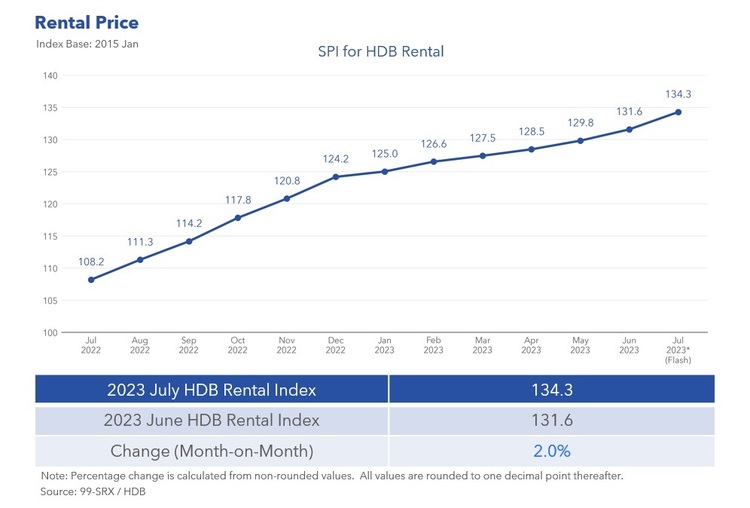
First, Singapore is a small island nation with limited land space. Housing demand remains extremely high because the country has a dense population and a large expatriate community. Property prices and rents have increased steadily over the past decade, especially in central business districts and premium residential zones.
Second, Singapore imports most of its food, fuel, and consumer goods. Import costs, logistics expenses, and taxes naturally increase retail prices. Dining, groceries, and household products can therefore cost more than in neighboring Southeast Asian countries.
Third, the country maintains exceptionally high standards for infrastructure, cleanliness, healthcare, and public services. Residents pay more, but they also receive world-class transportation systems, reliable utilities, and one of the safest urban environments globally.
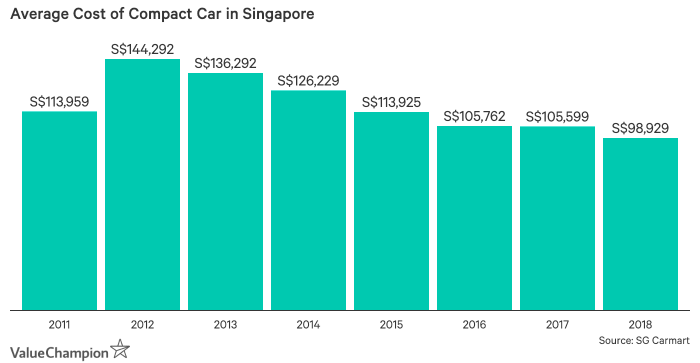
Another major factor is car ownership. Singapore intentionally makes private vehicles expensive through systems like Certificates of Entitlement (COE), road taxes, and electronic road pricing. This discourages congestion but dramatically increases transportation costs for drivers.
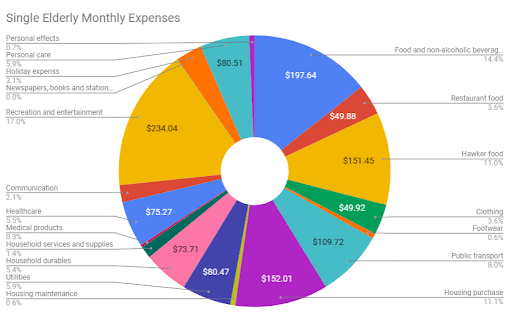
Despite these expenses, many professionals still find Singapore financially attractive due to strong employment opportunities, favorable taxation, and high average salaries in industries like finance, technology, biotechnology, logistics, and banking.
Average Monthly Living Cost in Singapore
The average living cost in Singapore varies widely based on lifestyle and accommodation choices. Housing alone can change a monthly budget dramatically.
Here is a general estimate for monthly expenses in 2026:
| Category | Single Person | Couple | Family of 4 |
|---|---|---|---|
| Rent | SGD 1,200–4,500 | SGD 2,500–5,500 | SGD 4,000–9,000 |
| Utilities | SGD 100–250 | SGD 150–350 | SGD 250–500 |
| Food & Groceries | SGD 400–1,000 | SGD 800–1,800 | SGD 1,500–3,000 |
| Public Transport | SGD 100–180 | SGD 180–300 | SGD 350–600 |
| Internet & Mobile | SGD 40–120 | SGD 70–180 | SGD 120–250 |
| Healthcare | SGD 80–400 | SGD 150–700 | SGD 300–1,500 |
| Entertainment | SGD 200–800 | SGD 400–1,500 | SGD 600–2,500 |
A budget-conscious single resident may live on SGD 2,000–2,800 monthly, while a comfortable expatriate lifestyle can easily exceed SGD 6,000–10,000 per month.
Families with children usually face the highest costs because of larger apartments, education fees, childcare, and healthcare coverage.
Housing Costs in Singapore
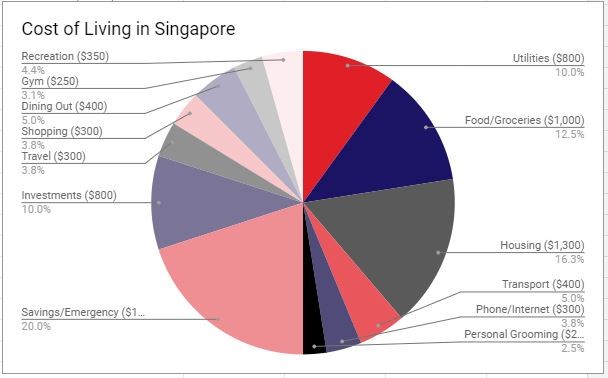
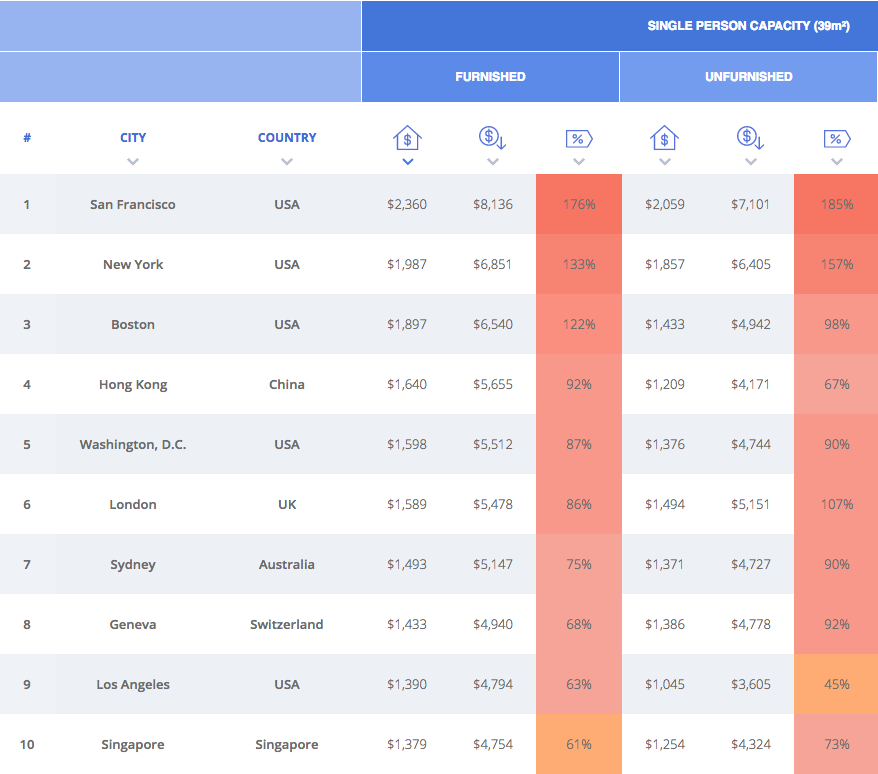
Housing is the largest expense for most residents in Singapore. Rental prices differ significantly depending on property type and location.
HDB Flats
HDB flats are government-built public housing units where most Singapore residents live. They are usually more affordable than private condominiums.
A common room in an HDB flat may cost SGD 800–1,500 monthly depending on the area. Entire HDB apartments generally range from SGD 2,500–4,500.
Popular HDB areas include:
- Tampines
- Jurong East
- Woodlands
- Toa Payoh
- Ang Mo Kio
These neighborhoods offer strong MRT connectivity, shopping malls, schools, and food centers while remaining more affordable than downtown districts.
Private Condominiums
Condos are preferred by many expatriates because they often include:
- Swimming pools
- Security
- Gyms
- Tennis courts
- BBQ areas
Rental prices for condos can range from SGD 3,500 to over SGD 10,000 monthly depending on location and size.
Premium districts include:
- Orchard
- Marina Bay
- River Valley
- Holland Village
- Sentosa
These areas attract executives and high-income professionals due to luxury amenities and proximity to central business hubs.
Shared Accommodation
Many students and young professionals reduce expenses by renting shared rooms. Co-living spaces have also become popular in Singapore because they include furnished apartments, utilities, and community events.
Shared accommodation can significantly reduce monthly costs, especially for newcomers adjusting to Singapore’s expensive housing market.
Food and Grocery Expenses
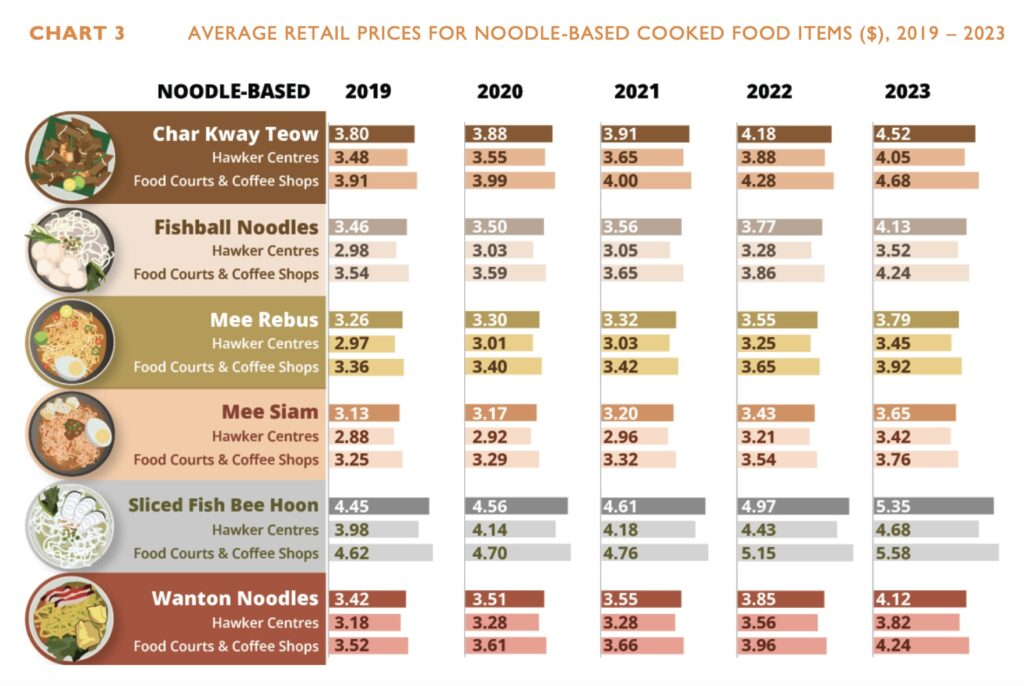
Food costs in Singapore depend entirely on eating habits. One of the biggest advantages of living there is the wide range of affordable dining options.
Hawker Centers
Singapore’s hawker centers are famous for affordable and high-quality meals. Residents can eat local dishes such as:
- Chicken rice
- Laksa
- Char kway teow
- Nasi lemak
- Roti prata
Meals typically cost SGD 4–10, making hawker dining one of the most economical ways to eat daily.
For many residents, eating at hawker centers is actually cheaper than cooking at home regularly.
Restaurant Dining
Mid-range restaurants usually cost SGD 20–60 per person depending on cuisine and location. Premium dining experiences in areas like Marina Bay and Orchard can exceed SGD 150 per person.
International cuisine is widely available including:
- Japanese
- Korean
- Indian
- Italian
- French
- Middle Eastern
Grocery Costs
Monthly grocery expenses vary based on imported products and dietary preferences.
Typical monthly grocery budgets:
- Single person: SGD 250–500
- Couple: SGD 500–900
- Family: SGD 1,000–2,000
Imported products from Europe, Australia, Japan, and the United States usually cost much more than local alternatives.
Popular supermarkets include:
- FairPrice
- Cold Storage
- Sheng Siong
- Giant
- Don Don Donki
Buying local produce and shopping at wet markets can reduce grocery expenses significantly.
Transportation Costs in Singapore
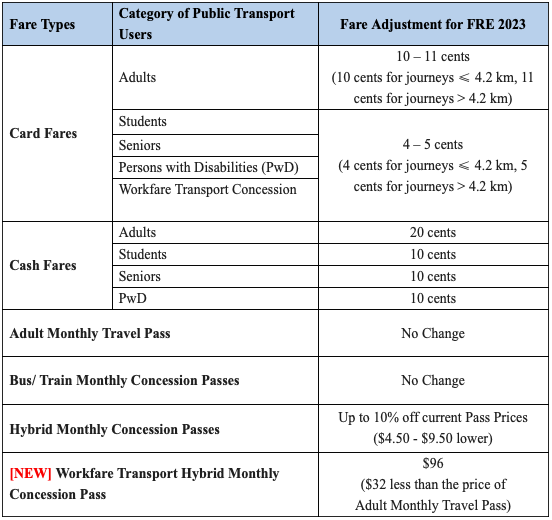
Singapore has one of the world’s best public transportation systems. Most residents do not need private cars.
MRT and Public Buses
The MRT network is fast, clean, and highly reliable. Monthly transportation costs for daily commuters usually range from SGD 100–180.
Public transport is widely preferred because:
- Trains are efficient
- Stations are connected to malls and offices
- Traffic congestion is limited
- Taxi costs can add up quickly
Taxi and Ride-Hailing
Ride-hailing services are commonly used during late hours or rainy days. Costs vary based on surge pricing and traffic conditions.
Frequent taxi use can increase monthly expenses substantially, especially for residents living outside central districts.
Car Ownership
Owning a car in Singapore is extremely expensive because of:
- COE fees
- Registration taxes
- Parking charges
- Fuel costs
- ERP tolls
A mid-range car can cost two to three times more than in many other countries.
Because of these expenses, many residents rely entirely on public transport.
Utility Bills and Internet Costs
Utility expenses depend heavily on apartment size and air-conditioner usage.
Average monthly utility bills:
- Small apartment: SGD 100–180
- Condo: SGD 180–350
- Family home: SGD 300–500
Electricity costs rise sharply when air conditioning runs daily, which is common because Singapore has a hot and humid climate year-round.
Internet plans generally cost SGD 30–70 monthly for high-speed fiber connections.
Mobile phone plans typically range from SGD 10–60 depending on data usage and international calling features.
Healthcare Costs in Singapore
Singapore has one of the best healthcare systems globally. Both public and private healthcare facilities maintain very high standards.
Public Healthcare
Residents and some work pass holders may access subsidized public healthcare services. Costs are lower but waiting times can be longer for non-emergency treatment.
Private Healthcare
Many expatriates choose private hospitals and clinics because of shorter waiting times and international medical services.
Healthcare expenses vary widely:
- GP consultation: SGD 40–120
- Specialist visit: SGD 150–400
- Emergency care: significantly higher
Health insurance is strongly recommended for expatriates because private medical care can become expensive quickly.
Education Costs for Families
Education is one of the biggest financial considerations for families moving to Singapore.
Public Schools
Public schools are generally more affordable but admission opportunities for foreign students can be limited.
International Schools
International schools are extremely expensive and often represent the largest family expense after rent.
Annual tuition fees may range from:
- SGD 15,000 to SGD 50,000+
- Premium institutions can exceed SGD 60,000 annually
Additional costs include:
- Registration fees
- Uniforms
- Transportation
- Technology fees
- Extracurricular activities
Families relocating with children should calculate education costs carefully before moving.
Entertainment and Lifestyle Expenses
Singapore offers a broad range of entertainment options from luxury shopping to outdoor parks and cultural festivals.
Popular lifestyle expenses include:
- Gym memberships
- Cinema tickets
- Weekend brunches
- Nightlife
- Concerts
- Travel
Monthly entertainment spending varies dramatically depending on lifestyle habits.
Budget-conscious residents often enjoy:
- Public parks
- Free events
- Beaches
- Hawker dining
- Community festivals
Luxury lifestyles involving rooftop bars, fine dining, and premium memberships can raise monthly expenses substantially.
Best Affordable Areas to Live in Singapore
Choosing the right neighborhood can dramatically reduce living costs.
Jurong East
Jurong East offers:
- Strong MRT access
- Shopping malls
- More affordable rentals
- Growing business districts
It is popular among professionals seeking lower housing costs without sacrificing convenience.
Woodlands
Woodlands provides:
- Lower rental prices
- Family-friendly environment
- Larger apartments
- Access to Malaysia via Johor Bahru
Tampines
Tampines is one of the most balanced residential areas with:
- Excellent transport links
- Schools
- Shopping centers
- Parks
Punggol
Punggol attracts younger residents due to:
- Modern housing
- Waterfront areas
- New infrastructure
- Lower condo prices compared to central districts
Living outside central Singapore usually reduces rent significantly while maintaining good transport connectivity.
Hidden Costs Many Expats Ignore
Many relocation budgets underestimate hidden expenses that become noticeable after moving.
These include:
- Security deposits
- Agent fees
- Visa processing
- Air-conditioner servicing
- Home furnishings
- Insurance
- Banking fees
- Weekend travel
- Imported groceries
- Childcare
Some landlords also require:
- Advance rent payments
- Utility deposits
- Minimum lease terms
Unexpected costs can quickly affect monthly budgets, especially during the first six months of relocation.
How to Reduce Living Costs in Singapore
Singapore may be expensive, but smart financial decisions can reduce costs considerably.
Use Public Transport
Avoiding car ownership saves thousands annually. The MRT system is reliable enough for most daily travel needs.
Eat at Hawker Centers
Regular restaurant dining increases expenses quickly. Hawker meals provide affordable and authentic food options.
Choose Housing Carefully
Living slightly farther from central districts can cut rent dramatically without severely affecting commute times.
Buy Local Products
Imported goods cost much more than local alternatives. Shopping at wet markets and local supermarkets helps reduce grocery bills.
Share Accommodation
Young professionals often reduce costs through shared apartments or co-living spaces.
Monitor Air Conditioning Usage
Electricity bills rise quickly with constant cooling. Energy-efficient habits make a noticeable difference.
Is Singapore Worth the Cost?
For many residents, the answer is yes.
Singapore offers:
- Political stability
- High salaries
- Excellent healthcare
- Safe streets
- Efficient infrastructure
- International career opportunities
- Strong business environment
Professionals in industries like finance, technology, consulting, logistics, and biotechnology often find that the quality of life justifies the higher costs.
However, affordability depends heavily on:
- Salary level
- Family size
- Housing expectations
- Lifestyle habits
- Education needs
A carefully planned budget can make Singapore manageable even for middle-income earners.
Frequently Asked Questions
How much money do you need to live comfortably in Singapore?
A single person usually needs SGD 3,000–5,000 monthly for a comfortable lifestyle including rent, food, transport, and entertainment. Families generally require much higher budgets.
Is Singapore more expensive than Dubai?
Singapore and Dubai are both expensive cities, but Singapore often has higher housing and car ownership costs. Dubai may have lower taxes for some residents, though lifestyle choices greatly affect comparisons.
Can you live cheaply in Singapore?
Yes. Shared housing, hawker center meals, and public transport can reduce monthly expenses significantly. Students and young professionals often live on moderate budgets.
What is the biggest living expense in Singapore?
Housing is usually the largest monthly expense, especially for expatriates renting private condominiums in central districts.
Is healthcare expensive in Singapore?
Healthcare quality is excellent, but private medical services can be costly without insurance coverage.
How much does rent cost in Singapore in 2026?
Rent ranges widely from SGD 800 for shared rooms to over SGD 10,000 for luxury apartments in prime locations.