There’s something unforgettable about walking into a beautiful pastry shop. The scent of warm butter, fresh cream, roasted almonds, and coffee instantly changes your mood. Then you see the desserts — perfectly glazed cakes, flaky pastries, delicate tarts — arranged almost like artwork.
That first impression matters. And that’s exactly why Patisserie Cle has gained attention among dessert lovers, café enthusiasts, and people searching for a premium bakery experience.
But what actually makes a patisserie stand out today? Is it the taste alone? The presentation? The atmosphere? Or the emotional connection customers feel when they return for “just one more pastry”?
This article explores the story, appeal, customer experience, menu style, baking philosophy, and modern relevance of Patisserie Cle while also looking at why artisan pastry culture continues to grow worldwide.
The Rising Popularity of Premium Patisseries
The bakery industry has changed dramatically over the past decade. People no longer visit pastry shops only for birthdays or celebrations. Modern consumers now seek experiences.
A premium patisserie offers more than desserts. It creates a moment.
Today’s customers look for:
- High-quality ingredients
- Freshly baked items
- Artistic presentation
- Comfortable café environments
- Instagram-worthy desserts
- Seasonal flavors
- Authentic craftsmanship
This shift explains why brands like Patisserie Cle continue to attract attention in competitive food markets.
Unlike mass-produced bakery chains, artisan patisseries focus on detail. Every layer, texture, and flavor balance matters. Customers notice the difference immediately.
What Makes Patisserie Cle Different?
Many bakeries sell pastries. Few create a memorable identity.
Patisserie Cle stands apart because it combines elegance with precision. The experience often feels calm, refined, and carefully curated rather than rushed or commercial.
Several qualities contribute to this reputation.
Attention to Presentation
The visual aspect of pastries matters more than ever.
Modern dessert culture is strongly influenced by aesthetics. Customers naturally gravitate toward desserts that look sophisticated and artistic.
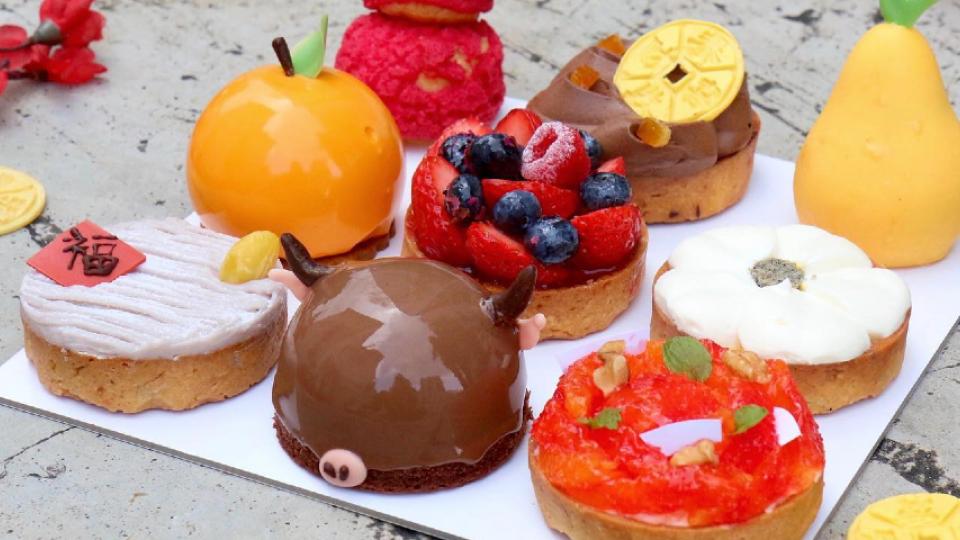
At Patisserie Cle, presentation often includes:
- Minimalist decoration
- Smooth mirror glazes
- Balanced color palettes
- Clean finishing techniques
- Delicate garnish placement
The result feels premium without appearing excessive.
Ingredient Quality
High-end pastry shops rely heavily on ingredient integrity.
That means using:
| Ingredient Type | Premium Choice | Why It Matters |
|---|---|---|
| Butter | European-style butter | Richer flavor and texture |
| Chocolate | High cocoa couverture | Smooth finish and depth |
| Cream | Fresh dairy cream | Better mouthfeel |
| Fruit | Seasonal produce | Natural sweetness |
| Flour | Specialized pastry flour | Improved structure |
Customers may not always identify each ingredient individually, but they absolutely notice the final result.
Precision Baking
Pastry making is highly technical.
Unlike casual baking, professional patisserie work requires exact measurements, temperature control, timing, and consistency.
Even a slight variation can affect:
- Texture
- Rise
- Moisture
- Crispness
- Flavor balance
That precision creates trust with customers. People return because they expect the same quality every visit.
The Influence of French Pastry Culture
The word “patisserie” itself comes from French culinary tradition. French pastry culture has shaped dessert trends around the world for centuries.
Classic French pastry techniques include:
- Laminated dough
- Custard preparation
- Meringue methods
- Choux pastry
- Ganache work
- Fruit glazing
- Layered entremets
Many modern pastry shops, including Patisserie Cle-style establishments, build their identity around these foundations.
Why French Pastries Feel Luxurious
French desserts often emphasize balance instead of overwhelming sweetness.
For example:
- A tart combines sweetness with acidity.
- A mille-feuille balances crispness and creaminess.
- A mousse cake feels airy rather than heavy.
This layered experience creates sophistication.
Have you ever noticed how premium pastries rarely taste aggressively sugary? That restraint is intentional.
The Japanese Influence on Modern Patisseries
One interesting trend in modern pastry culture is the growing fusion of Japanese and French baking techniques.
Many contemporary patisseries now combine:
- French pastry structure
- Japanese flavor subtlety
- Minimalist aesthetics
- Precision craftsmanship
This approach appeals strongly to younger consumers who prefer lighter desserts and elegant presentation.
Popular Flavor Profiles
Instead of extremely rich desserts, customers increasingly enjoy:
- Matcha
- Yuzu
- Black sesame
- Hojicha
- Strawberry cream
- Earl Grey tea
- Pistachio
- Vanilla bean
These flavors create complexity without heaviness.
Patisserie Cle reflects this modern dessert direction by focusing on refined flavor combinations rather than oversized sugary products.
Why Customers Become Loyal to Artisan Bakeries
People often form emotional attachments to bakeries.
That may sound surprising, but food memories are powerful.
A pastry shop can become connected to:
- Morning routines
- Weekend café visits
- Celebrations
- Study sessions
- First dates
- Family traditions
The Emotional Side of Dessert Culture
Think about the last dessert that genuinely impressed you.
You probably remember:
- Where you were
- Who you were with
- The atmosphere
- The first bite
That emotional experience matters more than many businesses realize.
Successful patisseries create consistency not only in taste, but also in feeling.
Signature Pastries That Define a Premium Bakery
Most respected patisseries become known for specific specialties.
These signature items help establish identity and encourage repeat visits.
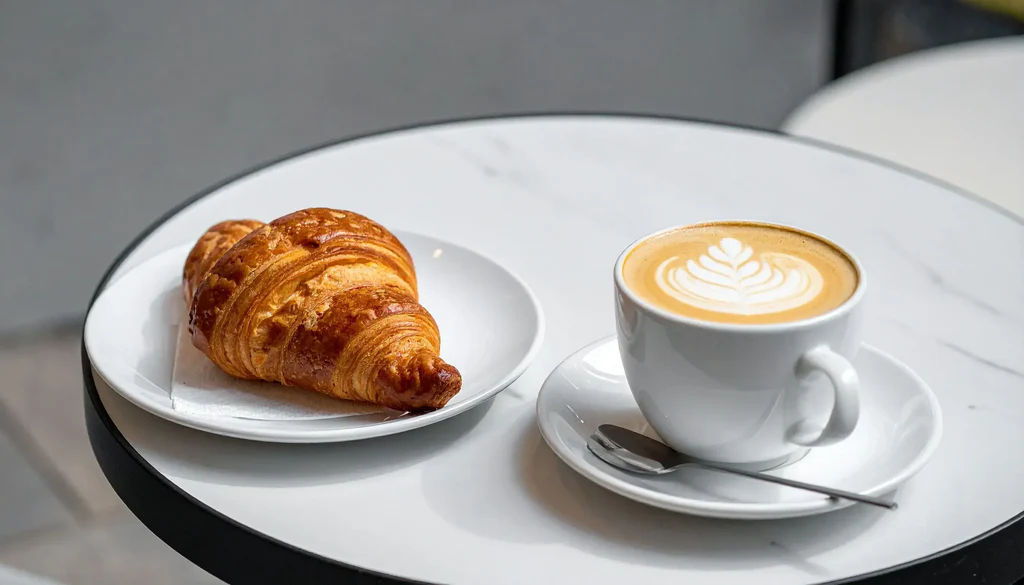
Croissants
A proper croissant is far more difficult to make than many people assume.
The ideal croissant should have:
- Thin crisp outer layers
- Honeycomb interior structure
- Rich buttery aroma
- Light texture
- Balanced saltiness
Poor lamination ruins the result immediately.
Great croissants often become a bakery’s reputation marker.
Fruit Tarts
Fruit tarts showcase both technical skill and ingredient freshness.
A premium tart usually includes:
- Crisp pastry shell
- Smooth pastry cream
- Fresh fruit arrangement
- Light glaze finish
The simplicity leaves no room for mistakes.
Entremets Cakes
Entremets are layered mousse cakes with multiple textures.
These cakes often include:
- Sponge layers
- Crunch components
- Fruit inserts
- Mousse
- Mirror glaze
They require advanced pastry expertise and careful assembly.
Seasonal Specialties
Seasonal pastries create excitement and urgency.
Customers enjoy limited-time flavors because they feel exclusive.
Popular seasonal inspirations include:
- Autumn chestnut desserts
- Winter chocolate cakes
- Spring strawberry pastries
- Summer citrus tarts
This constant menu evolution keeps regular customers engaged.
The Café Experience Matters More Than Ever
Modern bakery success isn’t based only on products.
The environment plays a major role.
People increasingly choose cafés and patisseries as:
- Remote work spaces
- Social meeting points
- Relaxation spots
- Content creation locations
- Lifestyle destinations
Elements of a Strong Bakery Atmosphere
Successful patisseries usually focus on:
Interior Design
Minimalist interiors often communicate sophistication.
Common design choices include:
- Neutral colors
- Warm lighting
- Marble counters
- Wooden textures
- Open pastry displays
Music and Ambience
Soft background music affects customer mood more than many businesses realize.
A calm environment encourages longer visits and repeat customers.
Customer Service
Even exceptional pastries cannot fully compensate for poor service.
Friendly staff create:
- Comfort
- Familiarity
- Trust
- Positive emotional associations
That human interaction becomes part of the brand itself.
Social Media and the Growth of Dessert Culture
Instagram, TikTok, and food photography transformed the bakery industry.
Today, pastries are visual products as much as culinary ones.
Why Visual Appeal Drives Sales
People often buy desserts because:
- They look beautiful
- They feel luxurious
- They appear trendy
- They photograph well
This doesn’t mean quality no longer matters. In fact, customers now expect both appearance and taste.
A visually stunning dessert that tastes average rarely builds long-term loyalty.
Viral Dessert Trends
Recent bakery trends include:
- Mirror glaze cakes
- Burnt cheesecakes
- Cube croissants
- Mochi-filled pastries
- Mille crepe cakes
- Pistachio desserts
Premium bakeries adapt trends carefully while maintaining their identity.
That balance is important.
Following every viral trend can weaken brand consistency.
Pricing: Why Premium Pastries Cost More
One common question customers ask is:
“Why are artisan pastries so expensive?”
The answer involves several factors.
Labor Intensity
Premium pastries require extensive preparation.
For example, laminated dough can take:
- Multiple folding stages
- Long resting periods
- Careful temperature management
A single pastry may involve hours of technical work.
Ingredient Costs
High-quality ingredients significantly increase production costs.
Real butter, premium chocolate, vanilla beans, and imported nuts are expensive.
Waste and Freshness
Artisan bakeries prioritize freshness.
That often means:
- Smaller production batches
- Limited shelf life
- Daily baking routines
Fresh products create waste risk, which affects pricing.
Skilled Craftsmanship
Professional pastry chefs train extensively.
Technical pastry work requires:
- Precision
- Patience
- Creativity
- Scientific understanding
Customers pay not only for ingredients, but also for expertise.
How Patisserie Cle Fits Modern Consumer Preferences
Consumer behavior has shifted significantly.
People now care more about:
- Quality over quantity
- Experience over convenience
- Craftsmanship over mass production
Patisserie Cle aligns naturally with these preferences.
The Move Toward Smaller Luxuries
Economic uncertainty has changed spending habits in many countries.
Instead of large luxury purchases, consumers increasingly choose “small indulgences.”
A beautifully crafted pastry feels attainable while still offering emotional satisfaction.
This explains the growing popularity of premium dessert culture.
The Wellness Perspective
Interestingly, many customers prefer smaller high-quality desserts rather than oversized sugary portions.
Modern pastry trends now emphasize:
- Flavor balance
- Portion control
- Ingredient transparency
- Reduced sweetness
This shift supports long-term customer engagement.
Real-Life Example: Why Customers Return Weekly
Consider a common customer scenario.
A professional worker visits a premium patisserie every Saturday morning.
At first, the attraction is simple curiosity.
Then gradually:
- The staff recognizes them
- They develop favorite menu items
- The café becomes part of their routine
- The experience creates emotional comfort
Eventually, the bakery becomes associated with relaxation and personal time.
This emotional loyalty is extremely valuable for artisan businesses.
Common Challenges Faced by Premium Bakeries
Despite growing popularity, artisan patisseries face several business challenges.
Rising Ingredient Costs
Butter, chocolate, cream, and imported ingredients continue to increase in price globally.
Maintaining quality while controlling costs becomes difficult.
Customer Expectations
Social media raised standards dramatically.
Customers now expect:
- Excellent taste
- Beautiful presentation
- Fast service
- Clean environments
- Strong branding
Meeting all these expectations consistently is demanding.
Competition
The bakery market has become crowded.
Many businesses now attempt to position themselves as “artisan” or “premium.”
Standing out requires authenticity and consistency.
Tips for Choosing a Great Patisserie
Not all pastry shops deliver the same quality.
Here are practical signs of a genuinely good patisserie.
Look at the Pastry Texture
Croissants should appear:
- Crisp
- Layered
- Light
Dense or oily pastries often indicate poor technique.
Observe Freshness
Premium bakeries usually produce smaller fresh batches instead of overstocking displays.
Check Ingredient Balance
Well-made pastries should not taste overwhelmingly sweet.
Balanced flavors indicate professional skill.
Evaluate Consistency
A great bakery maintains quality every visit.
Consistency separates professionals from trend-based businesses.
The Future of Artisan Pastry Shops
The premium bakery industry will likely continue growing.
Several trends are shaping the future.
Sustainable Baking
Customers increasingly care about:
- Ethical sourcing
- Local ingredients
- Eco-friendly packaging
- Food waste reduction
Patisseries adapting to sustainability may gain stronger customer loyalty.
Personalized Desserts
Custom cakes and personalized pastries are becoming more popular.
Consumers enjoy products designed specifically for:
- Events
- Dietary needs
- Flavor preferences
- Aesthetic themes
Hybrid Café Concepts
Modern bakery spaces increasingly combine:
- Coffee culture
- Dessert experiences
- Retail aesthetics
- Lifestyle branding
This multi-purpose model attracts broader audiences.
Why Simplicity Often Wins in Pastry Design
One interesting truth about premium pastries is that simplicity frequently outperforms excess.
Overdecorated desserts can feel overwhelming.
Elegant minimalism often communicates:
- Confidence
- Skill
- Luxury
- Precision
That’s why many respected patisseries focus on clean presentation rather than dramatic decoration.
A perfectly executed vanilla tart can impress more than a dessert overloaded with toppings.
The Psychology Behind Luxury Desserts
Why do beautifully made pastries feel emotionally satisfying?
Part of the answer involves sensory psychology.
Premium desserts stimulate:
- Visual pleasure
- Aroma memory
- Texture contrast
- Flavor anticipation
The experience becomes immersive.
Even the sound of a crisp pastry shell breaking contributes to enjoyment.
Small Rituals Matter
Many customers create personal rituals around cafés and bakeries.
For example:
- Ordering the same pastry weekly
- Pairing desserts with coffee
- Sitting at a favorite table
These rituals create familiarity and comfort.
That emotional consistency strengthens customer retention.
Questions Every Dessert Lover Should Ask
Before choosing a bakery, consider these questions:
- Does the bakery prioritize quality or volume?
- Are seasonal ingredients used thoughtfully?
- Does the menu feel carefully curated?
- Is the environment welcoming and relaxing?
- Would you genuinely want to return regularly?
These factors often matter more than trendy social media popularity.
FAQs About Patisserie Cle
What type of bakery is Patisserie Cle?
Patisserie Cle represents the modern artisan pastry concept, focusing on elegant desserts, premium ingredients, refined presentation, and high-level pastry craftsmanship.
Why are artisan pastries more expensive?
Premium pastries involve expensive ingredients, skilled labor, precise techniques, and smaller fresh batches, all of which increase production costs.
Are French pastries healthier than regular desserts?
Not necessarily healthier, but many French-inspired pastries focus on balance, lighter textures, and controlled sweetness rather than excessive sugar.
What is the most difficult pastry to make?
Many pastry chefs consider croissants and layered entremets among the most technically demanding due to precision requirements.
Why do premium bakeries focus so much on presentation?
Visual presentation strongly influences customer experience, emotional perception, and social media engagement in modern dessert culture.
Conclusion
Patisserie Cle reflects something larger than pastries alone. It represents modern consumer appreciation for craftsmanship, atmosphere, quality, and emotional experience.
People today want more than quick desserts. They want moments that feel intentional, memorable, and satisfying.
That’s why artisan patisseries continue growing in popularity despite increasing competition. Customers recognize the difference between mass production and genuine care.
From buttery croissants to carefully layered mousse cakes, premium pastry culture combines art, science, hospitality, and storytelling into one experience.
And perhaps that’s the real reason people keep returning.