Few dishes in Singapore’s hawker culture have the same loyal following as a steaming bowl of prawn noodles. Among the names that repeatedly appear in food conversations, Da Dong Prawn Noodles stands out for its rich broth, fresh prawns, balanced seasoning, and old-school cooking style that still feels authentic today.
For many diners, the appeal goes beyond noodles and seafood. It is the consistency, the comforting aroma of simmered stock, and the satisfying combination of prawns, pork, garlic, and chili that keeps customers returning. In a city packed with famous noodle stalls and seafood soup specialists, Da Dong Prawn Noodles has built a reputation through flavor rather than hype.
This guide covers everything people want to know about Da Dong Prawn Noodles, including menu highlights, signature flavors, what makes the broth different, dining tips, pricing expectations, and how it compares with other prawn noodle stalls in Singapore. If you are searching for the best prawn noodles experience or trying to understand why this stall receives so much attention, this detailed breakdown will help.
Why Da Dong Prawn Noodles Has Become So Popular
Singapore’s food culture is deeply connected to hawker traditions, and prawn noodles hold a special place within that scene. Da Dong Prawn Noodles gained popularity because it delivers the classic characteristics people expect while still maintaining its own identity.
The first thing diners notice is the broth. A good prawn noodle soup depends heavily on stock preparation, and Da Dong’s broth carries a deep seafood sweetness without tasting overpowering. The flavor feels layered instead of salty, which is often a major difference between average stalls and memorable ones.
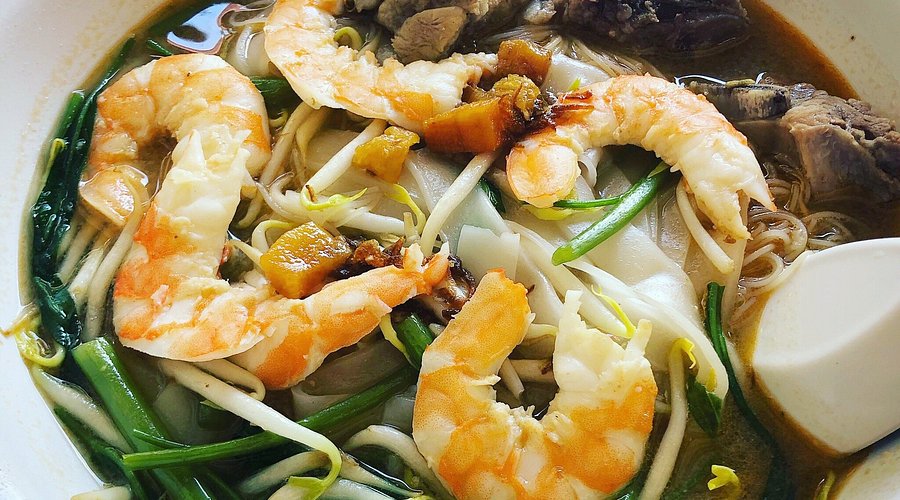
Another reason behind its popularity is ingredient balance. Some stalls focus too heavily on prawns while neglecting noodles or pork. Others rely on seasoning to compensate for weaker stock. Da Dong manages to keep each component working together naturally.
Customers also appreciate:
- Fresh prawns with firm texture
- Well-cooked noodles that retain bite
- Rich soup without excessive oiliness
- Crispy fried shallots and garlic aroma
- Balanced chili flavor
- Consistent portion quality
- Traditional hawker-style preparation
Word-of-mouth recommendations have played a large role in building the stall’s reputation. Local food bloggers, office workers, tourists, and long-time residents often mention Da Dong when discussing dependable prawn noodle spots in Singapore.
What Makes Da Dong Prawn Noodles Different
Many prawn noodle stalls use similar ingredients, but execution separates the memorable ones from the forgettable ones. Da Dong’s difference comes from technique and flavor layering.
Slow-Cooked Prawn Stock
The broth is the foundation of the dish. Traditional prawn noodle soup often involves simmering prawn shells, pork bones, and seafood ingredients for hours. Da Dong’s broth carries that slow-cooked depth that cannot easily be replicated through shortcuts.
The soup has:
- Natural prawn sweetness
- Mild pork richness
- Light herbal undertones
- Roasted seafood aroma
- Smooth mouthfeel
Instead of tasting heavy, the broth remains drinkable from the first spoonful to the last.
Texture Balance
Texture matters more than many people realize. Overcooked noodles can ruin even the best broth. Da Dong maintains a satisfying chewiness in both yellow noodles and rice noodles.
The prawns are another strong point. Freshness becomes obvious through texture alone. Firm prawns with clean sweetness improve the overall bowl significantly.
Chili and Condiments
A quality bowl of prawn noodles depends heavily on chili balance. Da Dong’s chili complements rather than overwhelms the soup. The sambal-style chili paste adds spice, umami, and subtle sweetness.
Combined with fried shallots, garlic, and sometimes lard pieces, the final flavor becomes layered and deeply satisfying.
Da Dong Prawn Noodles Menu Highlights
Although menu offerings may vary slightly over time, several dishes remain customer favorites.
Signature Prawn Noodles Soup
This is the dish most customers order first. It usually includes prawns, noodles, broth, pork slices, and garnishes.
The soup version highlights the stock quality clearly. Diners who appreciate traditional hawker flavors often prefer this style because the broth becomes the centerpiece of the meal.
Best for:
- First-time visitors
- Seafood lovers
- Fans of comforting soup dishes
Dry Prawn Noodles
The dry version offers a stronger sauce profile. Instead of being fully submerged in broth, the noodles are tossed with chili, soy sauce, vinegar, and seasoning.
The soup is typically served separately.
Many regular customers enjoy this version because:
- The noodles carry more concentrated flavor
- Chili becomes more noticeable
- Sauce coats every bite evenly
Jumbo Prawn Variations
Premium bowls with larger prawns are increasingly popular in Singapore’s prawn noodle scene. Da Dong’s larger prawn options appeal to customers seeking a more indulgent seafood experience.
Larger prawns add:
- Sweeter meat texture
- More visual appeal
- Higher seafood richness
Though more expensive, many diners consider the upgrade worthwhile.
Pork Rib Additions
Some bowls include pork ribs or pork slices alongside prawns. This combination strengthens the broth’s savory profile and creates better balance between seafood and meat flavors.
The pork component often contributes:
- Richness
- Tender texture
- Additional depth in stock flavor
Soup vs Dry: Which Version Should You Order?
This question appears frequently among first-time customers.
Here is a quick comparison table:
| Feature | Soup Version | Dry Version |
|---|---|---|
| Flavor Focus | Broth richness | Sauce intensity |
| Best For | Traditional taste | Stronger seasoning |
| Texture Experience | Softer | More concentrated |
| Spice Level | Milder | Usually spicier |
| Seafood Aroma | More noticeable | Balanced with sauce |
| Popular With | Purists | Chili lovers |
If you want to experience the broth fully, choose the soup version first. If you enjoy stronger flavors and chili-heavy noodles, the dry version may suit you better.
Many regular diners eventually order both styles on separate visits.
The Importance of Broth in Singapore Prawn Noodles
A bowl of prawn noodles succeeds or fails based on its broth quality. Da Dong’s reputation exists largely because of how seriously stock preparation is treated.
Traditional prawn noodle broth usually combines:
- Pork bones
- Prawn shells
- Garlic
- Seafood stock
- Herbs and aromatics
The simmering process can take many hours. During this time, collagen, seafood sweetness, and roasted shell flavors blend together.
Poor-quality broth often tastes:
- Artificial
- Too salty
- Flat
- Oily
- Overly sweet
Good broth, on the other hand, feels balanced and layered. Da Dong falls into the second category because the soup develops flavor gradually rather than aggressively.
This slower, more careful cooking style is increasingly valued by diners looking for authentic hawker experiences.
How Da Dong Fits Into Singapore’s Hawker Culture
Singapore’s hawker culture has become internationally respected because of its diversity, affordability, and culinary heritage. Prawn noodles are part of that tradition.
Da Dong represents several characteristics associated with respected hawker stalls:
Consistency
Regular customers expect the same flavor profile each visit. Maintaining consistency requires disciplined cooking methods and ingredient sourcing.
Traditional Preparation
Many diners still prefer traditional soup-making techniques over mass-produced flavors. Da Dong’s approach feels rooted in older hawker practices.
Accessible Comfort Food
Prawn noodles remain one of Singapore’s most comforting meals because they are:
- Warm
- Filling
- Affordable compared to seafood restaurants
- Familiar yet satisfying
Multi-Generational Appeal
Young diners, office workers, tourists, and older locals all appreciate prawn noodles. Few dishes bridge generations as naturally.
Time to Visit Da Dong Prawn Noodles
Popular noodle stalls often experience heavy lunch traffic. Timing can significantly improve the dining experience.
Recommended Visiting Hours
Best times usually include:
- Early lunch before peak crowds
- Mid-afternoon quieter hours
- Weekday visits for shorter waits
Peak periods may involve:
- Long queues
- Faster table turnover
- Limited seating availability
Some popular menu items may also sell out during busy periods.
What To Order for First-Time Visitors
If it is your first visit, keeping the order simple often works best.
Recommended starter combination:
- Signature prawn noodle soup
- Standard spice level
- Fried shallots included
- Side chili adjustment if needed
After understanding the broth profile, future visits become easier for experimenting with dry versions or premium prawn upgrades.
Flavor Profile Breakdown
Da Dong’s flavor structure works because no single element dominates excessively.
Seafood Sweetness
The prawns contribute natural sweetness rather than overly briny seafood flavor.
Savory Depth
Pork-based stock ingredients provide body and richness.
Aromatics
Garlic oil, fried shallots, and chili create fragrance before the first bite.
Spice Balance
The chili enhances instead of masking the soup.
Umami Finish
The final taste lingers pleasantly without feeling heavy.
This layered balance explains why many diners finish both noodles and broth completely.
Comparison With Other Singapore Prawn Noodle Styles
Singapore’s prawn noodle scene varies widely. Some stalls focus heavily on peppery broth, while others emphasize seafood sweetness or dry noodle intensity.
| Style | Characteristics |
|---|---|
| Traditional Soup Style | Clear prawn stock, balanced flavor |
| Rich Pork-Based Style | Heavier broth with meat depth |
| Chili-Focused Dry Style | Strong sauce and spice |
| Premium Seafood Style | Large prawns and seafood toppings |
| Modern Fusion Style | Contemporary ingredients and presentation |
Da Dong leans closer toward the classic balanced style rather than extreme richness or experimental fusion.
That balance appeals to both traditionalists and newer diners.
Why Food Enthusiasts Recommend Da Dong
Food enthusiasts usually evaluate more than taste alone. They look at:
- Ingredient freshness
- Cooking consistency
- Texture control
- Broth depth
- Value for money
- Authenticity
Da Dong receives positive attention because it performs well across all these areas.
Another important factor is emotional familiarity. A bowl of prawn noodles often connects diners to childhood meals, family outings, or traditional hawker experiences. Da Dong manages to preserve that nostalgic quality while still attracting modern audiences.
Practical Dining Tips
Arrive Before Peak Lunch Hours
Queues can build quickly during lunch.
Try the Soup First
The broth is the stall’s defining feature.
Adjust Chili Gradually
The chili paste may become stronger than expected for some diners.
Pair With Light Side Drinks
Refreshing drinks balance the richness of the broth.
Consider Larger Prawn Options
If you enjoy seafood-focused dishes, jumbo prawn bowls provide a stronger seafood experience.
Common Questions People Ask About Da Dong Prawn Noodles
Is Da Dong Prawn Noodles Worth Trying?
Yes, especially for people interested in Singapore hawker culture or authentic prawn noodle dishes. The broth quality alone makes it stand out.
What Is the Best Dish on the Menu?
The signature soup prawn noodles remain the safest and most recommended starting point.
Is the Broth Very Rich?
The broth is flavorful but not excessively heavy. It balances seafood sweetness with savory depth.
Are Dry Noodles Better Than Soup?
That depends on personal preference. Soup versions highlight broth quality, while dry versions emphasize chili and sauce flavor.
Are Portions Filling?
Most portions are satisfying for regular meals, especially when paired with additional toppings.
The Growing Popularity of Heritage Hawker Foods
Across Singapore, there is increasing appreciation for heritage dishes prepared traditionally. Diners today often search for authenticity rather than trendy presentation alone.
Prawn noodles fit perfectly within this movement because:
- They reflect local food history
- Preparation requires skill
- Broth quality cannot be rushed
- Flavor depends on technique rather than decoration
Da Dong benefits from this renewed appreciation for classic hawker food craftsmanship.
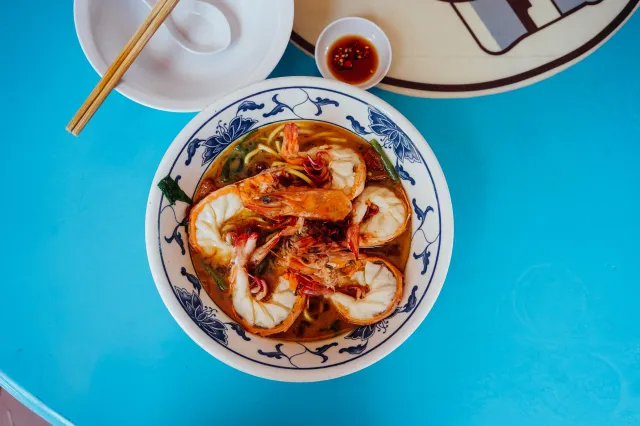
How Social Media Increased Interest in Prawn Noodles
Food photography and social media have introduced prawn noodles to wider audiences.
Popular visual elements include:
- Bright orange prawns
- Steaming broth
- Chili-coated noodles
- Fried garlic toppings
- Traditional hawker presentation
But long-term popularity still depends on flavor consistency. Da Dong’s reputation survives because repeat customers return for taste, not just photos.
FAQ Section
What are Da Dong Prawn Noodles known for?
Da Dong Prawn Noodles are known for rich prawn broth, fresh seafood, balanced seasoning, and traditional Singapore-style noodle preparation.
Is Da Dong Prawn Noodles spicy?
The soup itself is usually moderate in spice. Chili levels can often be adjusted depending on personal preference.
Which noodles are used in prawn noodles?
Most bowls use yellow noodles, rice noodles, or a combination of both for texture balance.
Are dry prawn noodles different from soup noodles?
Yes. Dry noodles are tossed in sauce and chili while broth is served separately. Soup noodles are fully immersed in prawn stock.
Why is prawn noodle broth important?
The broth carries most of the dish’s flavor complexity. Long simmering creates sweetness, umami, and savory depth.
What toppings are commonly included?
Common toppings include prawns, pork slices, pork ribs, fried shallots, garlic, chili paste, and sometimes lard pieces.
Is Da Dong suitable for tourists?
Yes. It offers a strong introduction to Singapore hawker food and local noodle culture.