Tea culture has changed dramatically over the last decade. What was once seen as a traditional beverage reserved for quiet afternoons has evolved into a lifestyle experience shaped by wellness trends, artisan brewing methods, café culture, and social dining. Among the tea-focused destinations that continue to attract loyal tea lovers, Tea Chapter stands out for combining authentic Chinese tea traditions with a modern café atmosphere.
Unlike many trendy beverage chains that focus heavily on sugary drinks and quick service, Tea Chapter emphasizes the ritual behind tea appreciation. Visitors are drawn not only by the menu but also by the calming ambience, handcrafted brewing process, traditional tea ware, and carefully selected tea leaves sourced from respected tea-producing regions.
People searching for “Tea Chapter” are usually looking for several things at once. Some want to know whether the tea is worth trying. Others are curious about the menu, signature drinks, pricing, tea varieties, or food pairings. Many visitors also want to understand what makes the experience different from a standard bubble tea café or coffee shop.
This guide explores everything that matters about Tea Chapter, including its atmosphere, popular teas, dining experience, tea culture, menu highlights, and practical tips for first-time visitors. The article also explains why traditional tea houses continue to thrive in an era dominated by fast-moving café chains and social media food trends.
What Is Tea Chapter?
Tea Chapter is widely recognized as a traditional Chinese tea house that blends heritage tea culture with a relaxed modern dining environment. Located in Singapore, the establishment has built a reputation among tea enthusiasts, tourists, students, and professionals looking for a peaceful place to unwind.
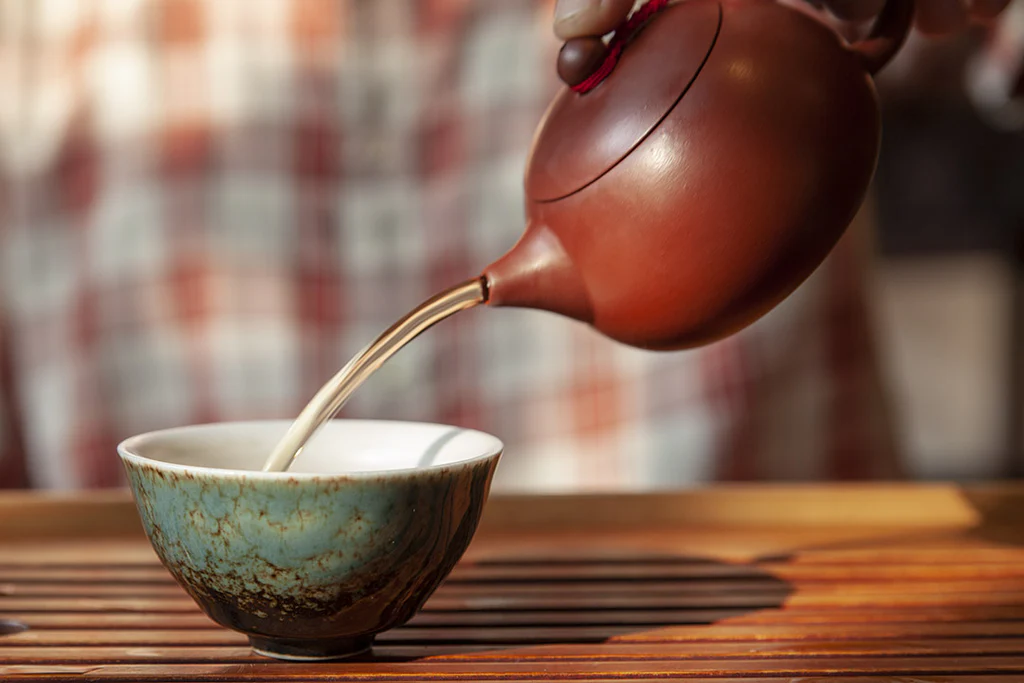
What separates Tea Chapter from ordinary cafés is the emphasis on authentic tea preparation techniques. Tea is not simply served in a cup and handed over the counter. Instead, guests often participate in a more immersive experience involving traditional brewing equipment, premium loose-leaf tea, and slow steeping methods that allow the flavor profile to fully develop.
The tea house atmosphere appeals to several types of visitors:
- Tea enthusiasts interested in authentic Chinese tea culture
- Travelers searching for unique café experiences in Singapore
- Students and remote workers seeking a calm environment
- Social groups looking for quiet conversations
- Wellness-focused consumers exploring healthier beverage options
Tea Chapter has also gained popularity because it offers a contrast to loud commercial cafés. The environment feels slower, quieter, and more intentional. This experience has become increasingly valuable in modern urban life where many people actively seek calm spaces away from crowded shopping districts and busy restaurants.
Why Tea Houses Like Tea Chapter Remain Popular
The growth of specialty coffee chains once led many people to assume traditional tea houses would decline. Instead, tea culture has experienced a strong revival across Asia and international markets.
Several consumer trends explain why tea-focused spaces continue to attract attention.
Wellness and Health Awareness
Tea is often associated with antioxidants, reduced sugar consumption, relaxation, and mindful living. Green tea, oolong tea, pu-erh tea, and herbal infusions are frequently connected with healthier lifestyle habits.
Consumers increasingly prefer beverages that feel lighter and less processed compared to sugary soft drinks or high-calorie desserts. Tea Chapter benefits from this shift because its menu naturally aligns with wellness-oriented dining.
Experience-Based Dining
Modern diners are no longer focused only on food quality. They also value atmosphere, storytelling, presentation, and emotional connection.
Tea Chapter creates a sensory experience through:
- Traditional tea pots
- Ceramic tea cups
- Fragrant tea leaves
- Slow brewing rituals
- Wooden interior aesthetics
- Relaxing music and seating arrangements
This combination turns tea drinking into an activity rather than a quick purchase.
Cultural Appreciation
Traditional Chinese tea culture has deep historical roots dating back thousands of years. Younger consumers are showing renewed interest in heritage dining experiences that feel authentic rather than mass-produced.
Tea houses provide educational and cultural value while still functioning as modern social spaces.
Tea Chapter Menu Highlights
One of the biggest reasons people search for Tea Chapter online is to explore the menu before visiting. The tea selection typically includes a broad range of Chinese teas along with snacks and light meals that complement the drinks.
Popular Tea Categories
Tea Chapter is known for serving multiple tea varieties with distinctive flavor profiles.
| Tea Type | Flavor Profile | Common Characteristics |
|---|---|---|
| Green Tea | Fresh and grassy | Light body, delicate aroma |
| Oolong Tea | Floral and roasted | Balanced complexity |
| Pu-erh Tea | Earthy and rich | Aged flavor, deep finish |
| Jasmine Tea | Floral and fragrant | Smooth and aromatic |
| Black Tea | Bold and full-bodied | Strong flavor intensity |
Oolong tea often receives special attention because of its layered flavor complexity. Depending on oxidation levels and roasting techniques, oolong tea can taste floral, creamy, fruity, or smoky.
Pu-erh tea appeals to experienced tea drinkers who enjoy earthy notes and aged tea profiles. Green tea remains popular among health-conscious customers seeking lighter flavors.
Signature Tea Experiences
Tea Chapter is not simply about ordering a beverage. Many guests appreciate the traditional brewing presentation that includes:
- Tea rinsing rituals
- Multi-steep brewing sessions
- Tea aroma appreciation
- Guided tea preparation techniques
These details make the experience feel educational and immersive.
Snacks and Food Pairings
Tea houses traditionally pair beverages with light dishes rather than heavy meals. Tea Chapter commonly attracts customers looking for small comfort foods and tea-time snacks.
Popular pairings often include:
- Dim sum
- Fried snacks
- Rice dishes
- Light desserts
- Traditional Asian pastries
Food is designed to complement rather than overpower the tea flavors.
The Tea Drinking Experience at Tea Chapter
One reason Tea Chapter continues to attract repeat visitors is the atmosphere itself. Many cafés focus on fast turnover and crowded seating arrangements. Tea Chapter takes a noticeably different approach.
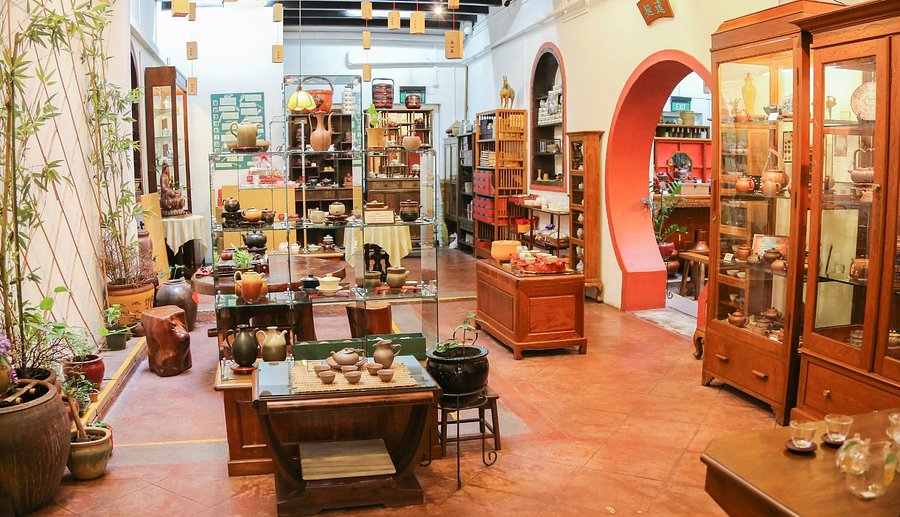
Calm Interior Design
The interior aesthetic usually reflects traditional Asian tea house influences:
- Wooden furniture
- Warm lighting
- Traditional decorations
- Tatami-inspired seating areas
- Quiet communal spaces
This design philosophy encourages longer stays and relaxed conversations.
Social and Group Dining
Tea drinking has historically been a communal activity. Unlike coffee culture, which often emphasizes individual takeaway consumption, tea culture naturally encourages sharing.
At Tea Chapter, groups frequently spend extended periods talking, studying, or relaxing together over multiple rounds of tea.
Slow Living Appeal
The popularity of “slow living” and mindfulness trends has strengthened the appeal of traditional tea houses. Many consumers now actively seek environments that reduce stress and encourage presence.
Tea preparation itself becomes part of the relaxation process.
Tea Culture and Traditional Brewing Methods
Understanding Tea Chapter becomes easier when viewed through the lens of traditional Chinese tea culture.
Tea preparation is considered both an art and a social ritual. Brewing methods significantly affect aroma, taste, texture, and aftertaste.
Gongfu Tea Brewing
One commonly associated method is Gongfu tea preparation, which focuses on precision and repeated steeping.
Key elements include:
- Small brewing vessels
- Short infusion times
- High-quality loose tea leaves
- Multiple steeps from the same leaves
- Careful temperature control
This method allows drinkers to experience evolving flavors across several brews.
Why Loose-Leaf Tea Matters
Loose-leaf tea generally provides better quality compared to mass-produced tea bags because the leaves remain less broken and retain more natural oils and aroma compounds.
Benefits include:
- Richer flavor depth
- Better aroma retention
- More nuanced tasting notes
- Higher visual quality
Tea Chapter’s emphasis on traditional brewing techniques helps reinforce authenticity and quality perception.
Tea Chapter vs Modern Bubble Tea Cafés
Tea Chapter and bubble tea chains may both serve tea-based beverages, but the overall philosophy differs substantially.
| Feature | Tea Chapter | Bubble Tea Chains |
|---|---|---|
| Focus | Traditional tea culture | Sweet beverage trends |
| Brewing Style | Handcrafted steeping | Fast preparation |
| Atmosphere | Quiet and relaxed | High-energy social space |
| Beverage Style | Loose-leaf tea | Milk tea and toppings |
| Experience | Cultural and immersive | Convenience-focused |
This distinction explains why Tea Chapter attracts a different audience segment. Many visitors are looking for authenticity, calmness, and tea appreciation rather than novelty drinks.
Best Time to Visit Tea Chapter
Tea houses tend to provide the best experience during quieter hours when guests can fully enjoy the environment.
Ideal Visiting Times
- Afternoon tea sessions
- Early evening gatherings
- Weekday study hours
- Relaxed weekend afternoons
Peak meal times may feel busier, especially in popular districts.
Who Enjoys Tea Chapter Most?
Tea Chapter often appeals to:
- Tea enthusiasts
- Students
- Remote workers
- Couples
- Tourists
- Readers and writers
- Wellness-focused consumers
The setting works especially well for people who enjoy slower-paced social experiences.
Tea Trends Influencing Tea Chapter’s Popularity
Several global beverage trends have helped traditional tea houses remain relevant.
Premium Beverage Culture
Consumers increasingly appreciate artisanal products with craftsmanship and heritage value. This trend supports specialty tea experiences.
Social Media Café Discovery
Platforms like Instagram and TikTok have changed how people discover cafés and restaurants. Aesthetic interiors and visually pleasing tea sets naturally attract online attention.
Functional Beverages
Tea is often associated with:
- Relaxation
- Digestion support
- Reduced caffeine intake
- Antioxidants
- Mindfulness
This aligns with growing demand for functional beverages.
Tips for First-Time Visitors
Visiting a traditional tea house may feel unfamiliar for some people. A few practical tips can improve the experience significantly.
Start With Oolong Tea
Oolong tea offers balanced flavors that are approachable for beginners while still showcasing brewing complexity.
Take Your Time
Tea culture values patience and appreciation. Rushing through the experience defeats the purpose.
Try Multiple Steeps
Many teas reveal different tasting notes with each infusion.
Pair Tea With Light Snacks
Simple dishes often complement tea better than rich or heavily seasoned foods.
Ask Questions
Tea staff members are often knowledgeable about flavor profiles, brewing techniques, and tea origins.
The Growing Global Interest in Tea Culture
Tea consumption continues to expand globally as consumers become more interested in wellness, tradition, and specialty beverages.
According to international beverage market reports, premium tea segments have shown steady growth due to:
- Health-conscious consumer behavior
- Increased café culture
- Interest in Asian culinary traditions
- Growth of artisanal beverage markets
Tea houses like Tea Chapter benefit from these broader shifts because they combine cultural authenticity with modern café expectations.
Frequently Asked Questions About Tea Chapter
What is Tea Chapter known for?
Tea Chapter is known for traditional Chinese tea culture, authentic loose-leaf teas, relaxing ambience, and immersive tea-drinking experiences.
Does Tea Chapter serve food?
Yes. Tea Chapter commonly offers light meals, snacks, dim sum, and tea-time dishes that pair well with traditional teas.
Which tea is best for beginners?
Oolong tea is often recommended for beginners because it provides balanced flavors without being too strong or overly delicate.
Is Tea Chapter suitable for studying or working?
Many visitors enjoy Tea Chapter for quiet studying, reading, remote work, and relaxed conversations due to its calm atmosphere.
What makes Tea Chapter different from bubble tea cafés?
Tea Chapter focuses on authentic tea preparation, traditional brewing methods, and cultural tea experiences rather than sweetened milk tea beverages.
Is loose-leaf tea better than tea bags?
Loose-leaf tea generally offers better flavor complexity, aroma retention, and overall tea quality because the leaves remain more intact.
Why are traditional tea houses becoming popular again?
Consumers increasingly value wellness, mindfulness, authentic cultural experiences, and calm social spaces, all of which align with traditional tea house culture.