Have you ever walked through Little India and wondered how the community grew from early traders and migrants into one of Singapore’s most vibrant cultural groups?
You may have passed the colourful streets, temples, shops, and food stalls, but there is a deeper story behind them. The Indian Heritage Centre brings those stories together under one roof, showing how Indian communities have contributed to Singapore’s history, culture, and identity.
Whether you are a Singapore local looking for a meaningful weekend activity, a parent planning an educational outing, or someone who simply wants to understand the neighbourhood better, this museum offers a different way to experience Little India.
In this guide, we’ll explore what makes the Indian Heritage Centre special, what you can expect inside, how much time you need, and why it deserves a spot on your Singapore exploration list.
What Is the Indian Heritage Centre?
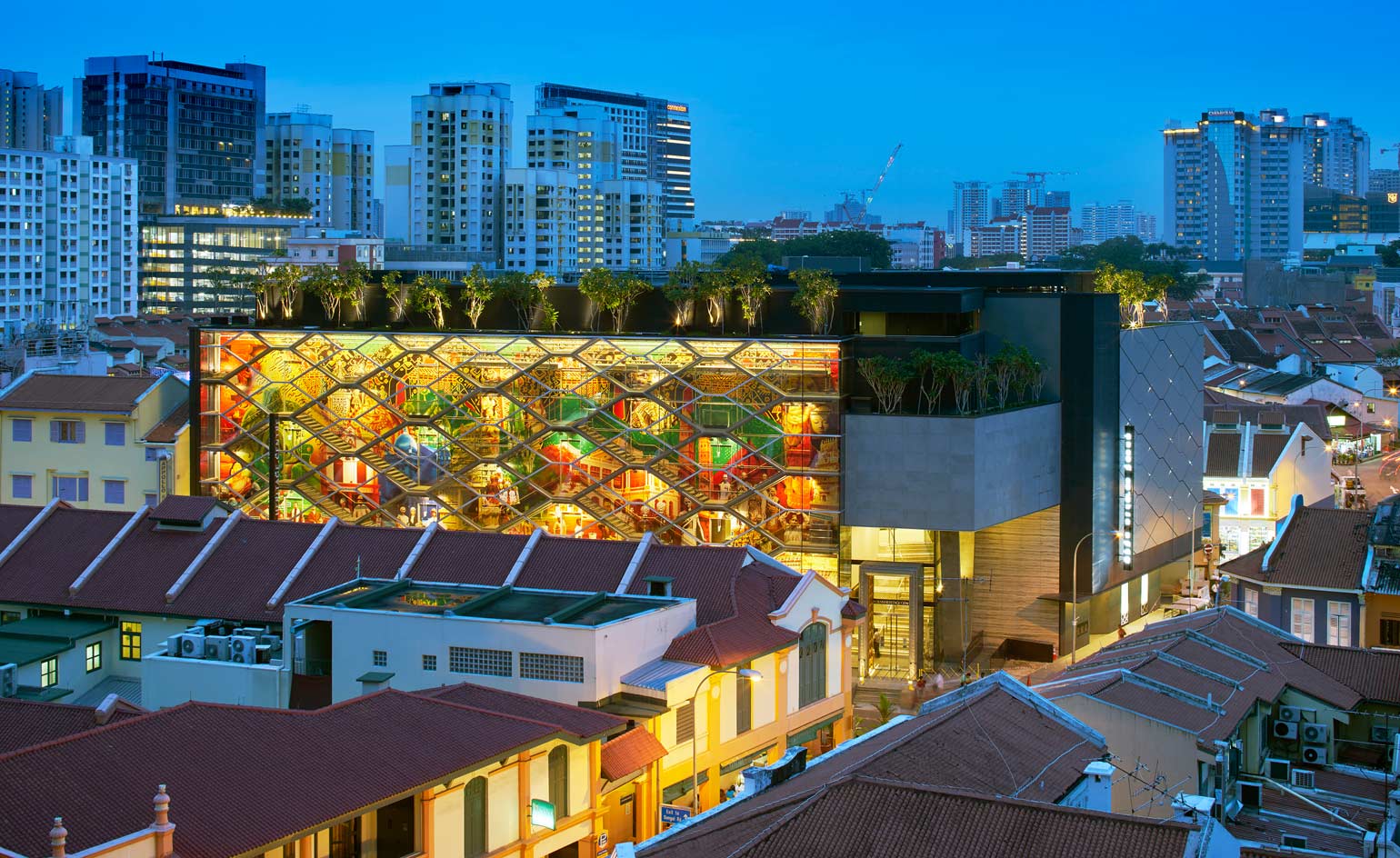
The Indian Heritage Centre is a museum located in the heart of Little India that showcases the history and cultural contributions of Indian communities in Singapore and Southeast Asia.
Opened in 2015, the centre was developed by the National Heritage Board as part of Singapore’s effort to preserve and share the stories of its diverse communities.
Unlike a traditional museum that only displays old objects behind glass, the centre focuses on connections.
It tells stories about:
- How Indian communities arrived in Southeast Asia
- How trade networks developed between South Asia and Singapore
- The lives of early migrants and pioneers
- The growth of Indian businesses, education, religion, and culture
- How Indian Singaporeans shaped the country we know today
The museum is especially interesting because it does not present Indian heritage as one single story.
Instead, it highlights the diversity of communities including Tamils, Sikhs, Malayalees, Gujaratis, Punjabis, and others who each brought their own traditions and experiences.
Think of it like a family album for an entire community. Each gallery opens another page showing where people came from, what challenges they faced, and how they built new lives in Singapore.
Why the Indian Heritage Centre Matters to Singapore
Singapore’s identity has always been shaped by migration.
Many people know about Singapore’s Chinese, Malay, and Indian communities, but the details behind these journeys are often less familiar.
The Indian Heritage Centre helps fill that gap.
Walking through the museum, you begin to understand that Indian history in Singapore did not start recently. Connections between South Asia and Southeast Asia existed for centuries through maritime trade, cultural exchange, and movement across the region.
Later, during the colonial period, Indian migrants arrived for different reasons:
- Some came as traders and merchants
- Some worked in administration and professional roles
- Some served as soldiers
- Some built businesses and family communities
Over generations, these communities became an important part of Singapore’s development.
For locals, this is where the museum becomes more meaningful. It is not just about learning another culture. It is about understanding how Singapore itself was built.
Exploring the Five Permanent Galleries
The main attraction of the Indian Heritage Centre is its permanent exhibition spread across five galleries.
Each gallery covers a different chapter of Indian heritage.
Gallery 1: Early Connections Between India and Southeast Asia
The first gallery takes visitors back to ancient times when trade routes connected India with Southeast Asia.
Long before modern transportation existed, merchants travelled across oceans carrying:
- Spices
- Textiles
- Religious ideas
- Languages
- Art styles
This section helps visitors understand that cultural exchange between India and this region has existed for thousands of years.
You may be surprised to learn how many traditions across Southeast Asia have connections to these early interactions.
Gallery 2: Indian Influence in Southeast Asia
The second gallery explores how Indian ideas influenced societies across the region.
This does not mean cultures simply copied one another.
Instead, communities adapted ideas and blended them with existing traditions.
The gallery looks at influences in areas such as:
- Art
- Architecture
- Religion
- Literature
- Language
It shows how cultures evolve when people meet, trade, and share experiences.
Gallery 3: The Indian Community in Colonial Singapore
This section focuses more directly on Singapore’s history.
During the colonial period, Indian communities grew significantly.
Visitors learn about:
- Early settlements
- Labour movements
- Religious institutions
- Businesses
- Community organisations
Many familiar parts of Singapore today have roots connected to these early communities.
For example, the development of Little India was not accidental. It grew because people created networks of shops, places of worship, homes, and businesses.
Gallery 4: Contributions to Singapore
One of the most engaging parts of the museum is seeing how Indian Singaporeans contributed beyond cultural traditions.
The gallery highlights contributions in areas including:
- Politics
- Education
- Science
- Arts
- Business
- Public service
This section reminds visitors that heritage is not only about preserving the past.
It is also about recognising the people who continue shaping Singapore today.
Gallery 5: Indian Heritage in Modern Singapore
The final gallery brings the story into the present.
Modern Indian Singaporean identity is constantly changing.
Today’s communities balance:
- Traditional celebrations
- Modern lifestyles
- Multiple languages
- Global influences
This makes the museum feel relevant rather than simply historical.
The story does not end with old photographs and artefacts. It continues with people living in Singapore today.
What Can You See Inside the Indian Heritage Centre?
The museum may look compact from outside, but there is plenty to explore.
Visitors can expect to see:
- Historical artefacts
- Interactive digital displays
- Traditional objects
- Personal stories
- Photographs
- Multimedia presentations
One thing many visitors appreciate is how the museum combines history with technology.
Instead of reading endless blocks of information, you get a mixture of visuals, storytelling, and interactive elements.
This makes it easier for younger visitors to stay engaged.
For families, this is especially useful because children can learn about history without feeling like they are sitting through a classroom lesson.
How Long Does It Take to Visit the Indian Heritage Centre?
A common question locals ask is: “How much time should I set aside?”
The honest answer depends on how deeply you explore.
A quick visit:
45 minutes to 1 hour
This works if you mainly want to understand the main highlights.
A relaxed visit:
1.5 to 2 hours
This gives you enough time to read displays, watch videos, and explore details.
If you enjoy museums or history, you can easily spend longer.
A good approach is not to rush. Pick the stories that interest you most instead of trying to read every single description.
Is the Indian Heritage Centre Worth Visiting for Singapore Locals?
Yes, especially if you are looking for something beyond the usual weekend activities.
Many Singapore residents visit famous attractions repeatedly but rarely explore the museums located in their own neighbourhoods.
The Indian Heritage Centre is valuable because it gives you context.
After visiting, a walk through Little India feels different.
The temples, shophouses, restaurants, and streets are no longer just interesting places to photograph. They become part of a bigger story.
It is similar to watching a movie after reading the background of the characters. You notice more details because you understand what came before.
The museum is also suitable for:
- Students learning about Singapore history
- Families with children
- Visitors interested in culture
- Locals exploring heritage areas