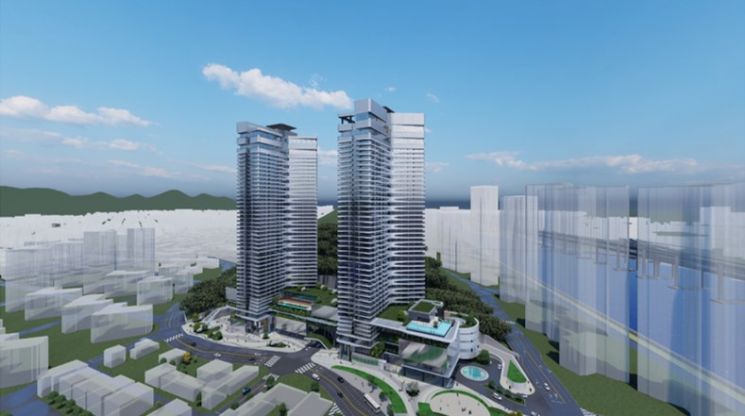
Some buildings look impressive from the outside but become frustrating the moment real work begins. Slow elevators, poor parking, weak connectivity, and cramped office layouts slowly wear people down.
That is why buildings like Miworld Building continue gaining attention among businesses and professionals who care more about function than flashy appearances.
In today’s competitive business environment, companies are no longer searching only for premium addresses. They want efficiency, accessibility, flexible workspaces, and environments that support long-term growth. Miworld Building fits into that conversation because it represents a practical style of commercial property that many modern businesses now prefer.
But what exactly makes Miworld Building appealing? Why are startups, service providers, logistics companies, and small enterprises paying closer attention to these kinds of commercial properties? And are there hidden drawbacks that business owners should think about before moving in?
This guide covers everything you need to know about Miworld Building, including workspace advantages, operational benefits, investment potential, business suitability, employee experience, and practical tips for choosing the right commercial property.
Understanding Miworld Building
Miworld Building is generally recognized as a commercial or industrial-commercial property designed to support modern business operations. Buildings like these typically combine office functionality with practical operational infrastructure.
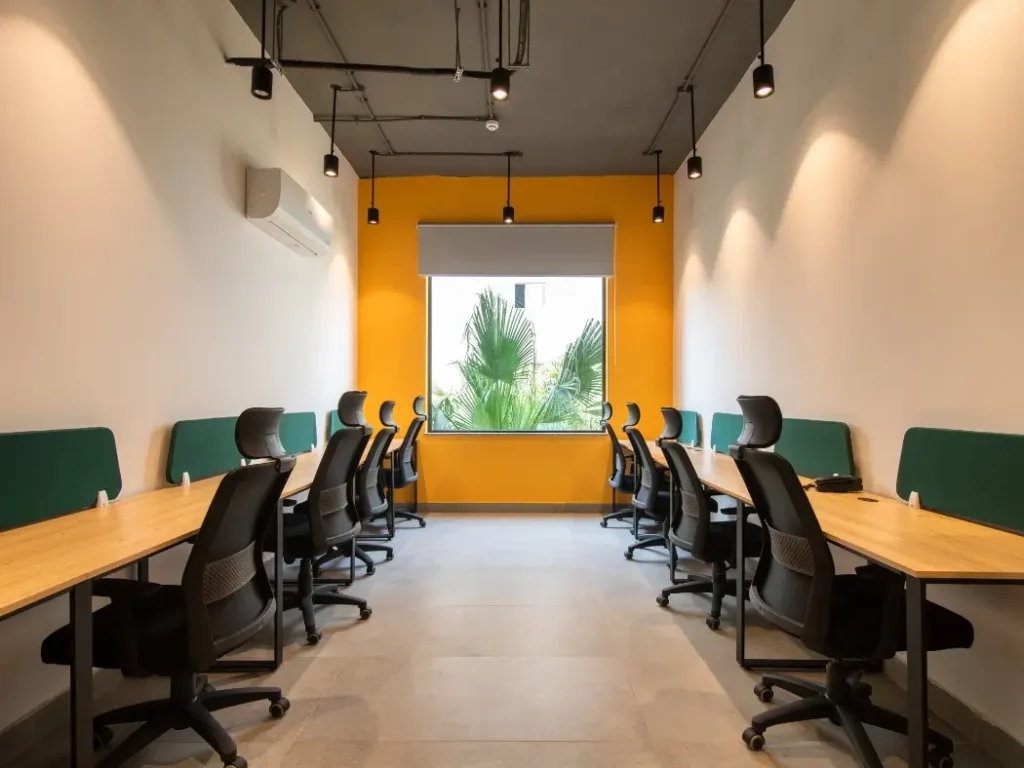
Instead of focusing entirely on luxury presentation, the emphasis often stays on usability and business efficiency.
That difference matters more than many companies initially realize.
A business workspace affects:
- Employee productivity
- Daily operations
- Client experience
- Logistics efficiency
- Financial sustainability
The wrong location can quietly create stress every single day.
The right location can simplify operations in ways that directly improve business growth.
Why Practical Commercial Buildings Matter More Today
Years ago, many companies believed success required prestigious office towers in expensive city districts.
That thinking has changed significantly.
Modern businesses now prioritize:
- Flexibility
- Cost efficiency
- Accessibility
- Hybrid work support
- Operational convenience
This shift explains why buildings like Miworld Building continue attracting attention.
Businesses Want Smarter Spending
A growing company must use resources carefully.
Imagine spending huge amounts monthly on a luxury office while struggling with staffing, marketing, or inventory management. That imbalance creates unnecessary pressure.
Practical commercial buildings allow companies to redirect money into areas that actually support growth.
For many businesses, that becomes a smarter long-term decision.
Key Features Businesses Usually Look for in Miworld-Type Buildings
Commercial tenants today evaluate more than square footage.
They pay attention to daily functionality.
Common Features That Matter
Flexible Workspace Layouts
Businesses need adaptable office designs.
Loading and Delivery Access
Logistics and e-commerce operations depend heavily on smooth delivery systems.
Transport Connectivity
Employees and clients prefer accessible locations.
Parking Availability
Convenient parking improves both operations and customer satisfaction.
Operational Infrastructure
Reliable electricity, internet systems, and maintenance matter greatly.
A building that supports these practical needs often performs better than visually impressive but inefficient spaces.
The Rise of Hybrid Commercial Spaces
One major trend shaping modern business property is the growth of hybrid workspaces.
Companies increasingly want spaces that combine:
- Office functions
- Storage areas
- Meeting rooms
- Operational support
- Flexible team collaboration
Miworld Building-style properties often support this mixed-use operational model effectively.
Why Hybrid Workspaces Are Growing
Business operations changed dramatically after remote and digital work became more common.
Companies realized employees do not always need luxury corporate towers to perform effectively.
Instead, they need:
- Functional environments
- Collaborative areas
- Reliable infrastructure
- Operational convenience
This shift continues changing commercial property demand worldwide.
Who Typically Uses Miworld Building Spaces?
Commercial buildings like Miworld Building usually attract a broad mix of industries.
Common Business Types
- E-commerce companies
- Technology startups
- Logistics firms
- Marketing agencies
- Import-export businesses
- Creative studios
- Interior design firms
- Distribution companies
- Service providers
- Administrative offices
This diversity often creates a vibrant business ecosystem.
Companies benefit from networking opportunities and nearby suppliers.
Why Location Still Shapes Business Success
No matter how modern a building appears, location still plays a massive role in operational success.
A business location affects:
- Staff commuting
- Delivery timing
- Client convenience
- Recruitment potential
- Daily operational stress
The Real Cost of Poor Accessibility
Imagine employees spending two exhausting hours commuting daily.
Eventually, morale suffers.
Now imagine delivery vehicles struggling with loading access every afternoon.
Operations slow down. Customers become frustrated.
These small daily problems quietly damage efficiency over time.
That is why practical commercial locations matter so much.
Employee Experience Matters More Than Companies Think
Many businesses focus heavily on rental costs while overlooking workplace experience.
But employees spend a huge portion of life inside work environments.
The office atmosphere affects:
- Energy levels
- Team collaboration
- Mental focus
- Retention rates
- Creativity
What Employees Usually Appreciate
Nearby Food Options
Good food access improves daily comfort significantly.
Public Transport Connectivity
Easier commuting reduces stress.
Natural Lighting
Bright spaces support better mood and productivity.
Comfortable Layouts
Crowded environments increase tension.
A functional workspace often improves company culture more than expensive branding features.
Comparing Practical Buildings vs Premium Office Towers
Many companies eventually face this question:
Should we rent a luxury office or choose a practical commercial space?
The answer depends on operational priorities.
| Feature | Practical Commercial Building | Premium Office Tower |
|---|---|---|
| Rental Cost | More affordable | Much higher |
| Parking | Usually easier | Often limited |
| Operational Flexibility | Strong | Sometimes restricted |
| Prestige | Moderate | High |
| Storage Capability | Better | Limited |
| Logistics Access | More practical | Less efficient |
A law firm may prioritize corporate image.
An e-commerce company may prioritize operational convenience instead.
Neither choice is automatically right or wrong.
Real-Life Business Scenario
Consider a fictional but realistic example.
A startup digital printing company initially rents a stylish downtown office. Clients love the appearance, but operational problems appear quickly.
The team struggles with:
- Expensive parking
- Delivery restrictions
- Limited storage
- Rising monthly expenses
Within one year, the company relocates to a practical commercial building similar to Miworld Building.
Suddenly:
- Storage improves
- Deliveries become easier
- Costs decrease
- Staff stress reduces
The business begins operating more efficiently despite losing some corporate glamour.
This type of transition happens more often than people think.
The Financial Side of Choosing Commercial Space
Commercial property decisions directly affect business cash flow.
A poor office choice can quietly damage profitability.
Why Cost Efficiency Matters
Lower occupancy costs create flexibility.
Businesses can invest savings into:
- Hiring
- Marketing
- Technology upgrades
- Product development
- Customer service
For startups and SMEs especially, financial breathing room becomes essential.
A company constantly struggling with high office expenses may limit its own growth potential.
Operational Efficiency Often Beats Prestige
Some companies become overly focused on image.
But clients usually care more about:
- Reliable service
- Fast response times
- Professional communication
- Product quality
A practical office supporting efficient operations may outperform a glamorous office with constant logistical problems.
Questions Business Owners Should Ask
- Can staff commute comfortably?
- Is parking manageable?
- Does the layout support workflow?
- Can deliveries operate smoothly?
- Is future expansion possible?
These operational questions matter more than polished reception areas.
Workspace Design Trends in Modern Commercial Buildings
Business interiors continue evolving.
Companies increasingly prioritize employee comfort and collaboration.
Popular Workspace Trends
Open Collaboration Zones
Teams communicate more easily in flexible environments.
Multi-Purpose Rooms
Meeting areas often double as training or event spaces.
Relaxation Corners
Casual areas support creativity and mental recovery.
Hybrid Work Desks
Flexible seating supports remote and office work combinations.
Commercial buildings with adaptable layouts support these modern work styles effectively.
Why Parking and Accessibility Matter So Much
Parking problems create daily frustration faster than many businesses expect.
Clients arriving late because parking is difficult immediately begin experiences negatively.
Employees dealing with parking stress daily slowly lose patience.
Benefits of Better Parking Infrastructure
- Faster client visits
- Easier deliveries
- Reduced employee stress
- Better operational flow
Buildings designed with operational practicality usually support smoother daily business activity.
Miworld Building and the Growth of E-Commerce
E-commerce growth changed commercial property demand significantly.
Online businesses need spaces supporting:
- Inventory storage
- Packaging operations
- Administrative work
- Delivery coordination
Traditional office towers rarely support these needs efficiently.
Why E-Commerce Businesses Prefer Practical Spaces
An online fashion retailer, for example, may need:
- Office desks
- Inventory shelves
- Photography corners
- Packaging stations
- Courier access
A flexible commercial building handles these mixed requirements more effectively than conventional corporate offices.
The Importance of Scalability
One mistake many businesses make is choosing spaces that fit only current needs.
Growth creates new demands quickly.
Smart Businesses Think Ahead
A workspace should support:
- Team expansion
- Additional storage
- New equipment
- Operational growth
Relocating repeatedly becomes expensive and disruptive.
Commercial buildings offering flexible layouts often support smoother scaling.
Common Problems Businesses Face in Poor Commercial Buildings
Not every commercial property performs well operationally.
Businesses should stay alert to warning signs.
Poor Ventilation
Uncomfortable spaces affect productivity.
Weak Internet Infrastructure
Modern businesses depend heavily on reliable connectivity.
Inadequate Electrical Support
Equipment-heavy companies need stable systems.
Limited Loading Access
Logistics inefficiencies slow operations quickly.
Poor Maintenance
Neglected facilities create negative client impressions.
A lower rental price means little if operational problems constantly create frustration.
How Workplace Environment Influences Productivity
People work differently depending on surroundings.
A cramped, noisy, stressful office reduces concentration and motivation.
A well-designed workspace encourages:
- Collaboration
- Focus
- Creativity
- Team morale
Small Details Matter
Even simple factors influence productivity:
- Lighting quality
- Airflow
- Noise levels
- Layout organization
- Break spaces
Businesses increasingly recognize that workspace quality directly affects performance.
Why SMEs Prefer Flexible Commercial Buildings
Small and medium enterprises often need adaptability more than prestige.
They require spaces that evolve alongside operations.
Advantages SMEs Usually Appreciate
Cost Control
Affordable rent supports financial stability.
Mixed Operational Usage
Storage and office functions can coexist.
Faster Operational Movement
Deliveries and logistics become easier.
Better Practical Efficiency
Less time wasted on daily operational obstacles.
For SMEs operating in competitive markets, these practical benefits matter enormously.
The Emotional Side of Commercial Spaces
Business decisions may appear purely logical, but emotional factors still play a role.
Employees remember how work environments feel.
Clients notice atmosphere too.
A space that feels:
- Organized
- Comfortable
- Functional
- Professional
creates stronger long-term impressions than flashy design alone.
Sometimes the simplest workspace becomes the most effective because it supports people properly.
Commercial Property Investment Perspective
Investors also pay attention to practical commercial buildings.
Why?
Because operationally useful properties often maintain steady tenant demand.
Factors Investors Evaluate
- Accessibility
- Business demand
- Infrastructure quality
- Parking facilities
- Future area growth
- Building maintenance
Commercial investment success usually depends on long-term usability rather than short-term excitement.
Sustainability and Smarter Business Operations
Sustainability is becoming increasingly important for businesses worldwide.
Interestingly, practical commercial spaces can support more efficient operations environmentally.
How Functional Buildings Help Sustainability
- Reduced commuting inefficiencies
- Better logistics coordination
- Efficient space utilization
- Lower operational waste
A well-positioned commercial building can improve both business efficiency and environmental performance.
Future Trends Shaping Commercial Buildings
The commercial property landscape continues evolving rapidly.
Several trends are influencing buildings like Miworld Building.
Flexible Work Models
Companies want adaptable spaces instead of rigid office layouts.
Technology Integration
Smart systems improve operational efficiency.
Decentralized Business Hubs
Businesses increasingly move beyond expensive downtown districts.
Mixed Operational Spaces
Companies prefer integrated office-storage environments.
Buildings supporting these trends may remain attractive for years ahead.
Questions Every Business Should Ask Before Renting
Commercial leases involve significant commitments.
Before choosing a building, businesses should evaluate practical details carefully.
Important Questions
Does the location support employee convenience?
Happy employees perform better.
Is there enough room for future growth?
Expansion planning matters.
Are operating costs sustainable?
Long-term affordability is critical.
Does the infrastructure support operations?
Internet, power, and maintenance reliability matter daily.
Will clients feel comfortable visiting?
Accessibility affects customer experience too.
These questions help businesses avoid expensive mistakes later.
Common Mistakes Businesses Make
Many companies rush commercial property decisions.
That often leads to operational frustration.
Mistake 1: Choosing Style Over Function
Beautiful offices can still operate poorly.
Mistake 2: Ignoring Staff Needs
Employee convenience strongly affects morale.
Mistake 3: Underestimating Operational Space
Growing businesses usually require more room than expected.
Mistake 4: Overpaying for Prestige
Cash flow flexibility matters greatly.
Mistake 5: Forgetting Logistics Practicality
Deliveries, storage, and access affect daily efficiency.
Avoiding these mistakes saves businesses time, money, and stress.
The Role of Community in Commercial Buildings
A strong business environment often supports networking naturally.
Commercial buildings housing diverse businesses may create:
- Collaboration opportunities
- Supplier relationships
- Shared customer referrals
- Professional networking
These indirect advantages sometimes become surprisingly valuable.
A simple conversation between neighboring businesses can lead to partnerships or new clients.
FAQs
What is Miworld Building mainly used for?
Miworld Building is generally associated with commercial or industrial-commercial business operations, offering practical workspace solutions.
Is Miworld Building suitable for startups?
Yes, startups often prefer practical commercial spaces because they provide flexibility and better cost control.
Why do businesses choose practical commercial buildings?
Companies value operational efficiency, accessibility, parking convenience, and affordable occupancy costs.
Are hybrid workspaces becoming more popular?
Yes, many businesses now prefer flexible spaces supporting office, storage, and collaborative functions together.
What industries commonly use these buildings?
Industries include e-commerce, logistics, technology, creative services, design firms, and administrative businesses.
Why is parking important for commercial buildings?
Convenient parking improves employee satisfaction, client experience, and operational efficiency.
Conclusion
Miworld Building represents a growing shift in how businesses think about workspace today.
Companies are moving away from purely image-focused office decisions and paying more attention to operational efficiency, flexibility, employee comfort, and long-term sustainability.
That shift explains why practical commercial buildings continue attracting startups, SMEs, logistics operators, e-commerce brands, and service providers worldwide.
Of course, no workspace fits every business perfectly. Some organizations still require premium corporate environments for branding purposes. But many modern businesses now realize that a functional workspace often supports growth more effectively than an expensive prestigious address.
Before choosing any commercial property, take time to evaluate your operational priorities carefully. Think beyond appearance alone.