Workplace accidents rarely happen because of one single mistake. In most cases, they occur when hazards are ignored, procedures are weak, communication breaks down, or employees are not trained properly. Safe management measures are designed to prevent these situations before they turn into injuries, property damage, legal problems, or operational shutdowns.
Across industries such as construction, healthcare, manufacturing, logistics, food production, and corporate offices, organizations now treat safety management as a core business function rather than a simple compliance task. Businesses that actively manage workplace risks often experience fewer incidents, stronger employee morale, lower insurance costs, and better operational continuity.
According to recommendations published by organizations like Occupational Safety and Health Administration and Health and Safety Executive, proactive hazard control and continuous risk assessment remain among the most effective methods for reducing workplace injuries.
This guide explains what safe management measures are, why they matter, and how organizations can implement them effectively in real-world environments.
What Are Safe Management Measures?
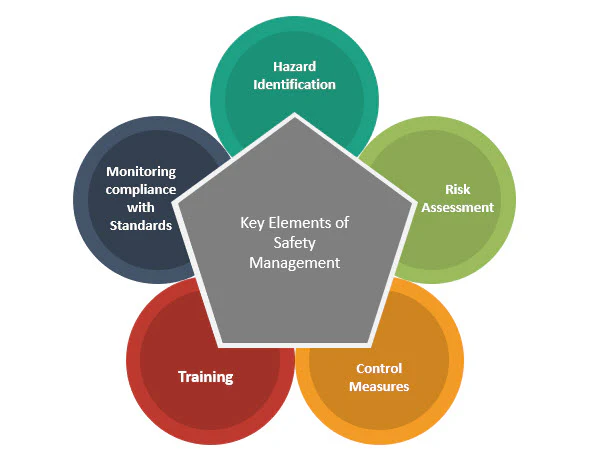
Safe management measures are structured actions, policies, procedures, and controls designed to reduce workplace risks and maintain a safe working environment. These measures help organizations identify hazards, assess risks, implement controls, and monitor safety performance continuously.
The purpose is simple: prevent harm before it happens.
Safe management measures usually include:
- Risk assessments
- Hazard identification
- Safety training
- Emergency response planning
- Personal protective equipment
- Incident reporting systems
- Safety audits
- Employee communication
- Workplace inspections
- Health monitoring programs
These measures apply to businesses of every size. A small warehouse operation and a multinational manufacturing company both require systems that protect workers and reduce operational risks.
Organizations with strong safety systems generally follow a preventive approach rather than reacting only after incidents occur. Research from workplace safety authorities consistently shows that early hazard identification significantly reduces injuries and operational disruptions.
Why Safe Management Measures Matter
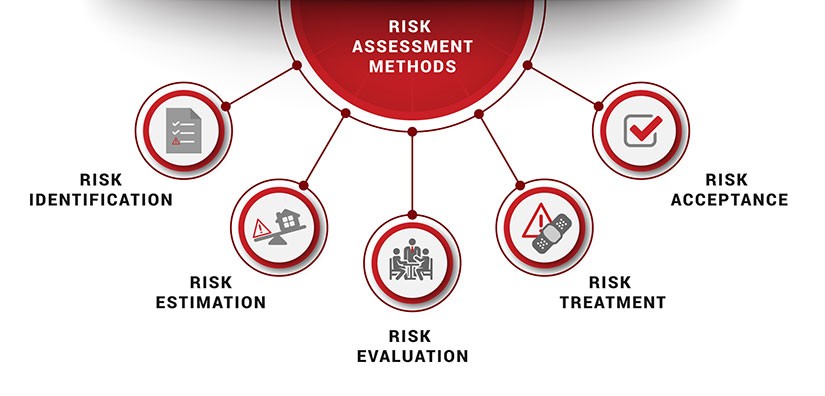
Many businesses underestimate the long-term impact of poor safety management until a serious incident occurs. Workplace injuries can affect productivity, finances, employee trust, and brand reputation.
Safe management measures help organizations:
| Benefit | Impact |
|---|---|
| Reduced workplace injuries | Fewer accidents and medical claims |
| Better compliance | Lower risk of penalties and violations |
| Improved employee morale | Stronger trust and engagement |
| Higher productivity | Less downtime and disruption |
| Stronger reputation | Better public and client confidence |
| Lower operational costs | Reduced compensation and repair expenses |
A strong safety culture also improves employee retention. Workers are more likely to remain loyal to organizations that prioritize health and safety.
In sectors involving heavy machinery, chemicals, electrical systems, or hazardous environments, proper management measures can literally save lives.
Core Components of Safe Management Measures
Risk Assessment and Hazard Identification
Every workplace contains hazards. Some are obvious, while others develop slowly over time.
Risk assessment is the foundation of workplace safety management. It involves identifying potential dangers, evaluating the level of risk, and deciding how to control or eliminate hazards.
Common workplace hazards include:
- Slippery floors
- Electrical faults
- Chemical exposure
- Poor ergonomics
- Machinery malfunction
- Fire hazards
- Falling objects
- Biological contamination
- Excessive noise
- Mental stress and fatigue
A proper risk assessment process usually follows these steps:
- Identify hazards
- Determine who may be harmed
- Evaluate risk severity
- Apply control measures
- Monitor and review regularly
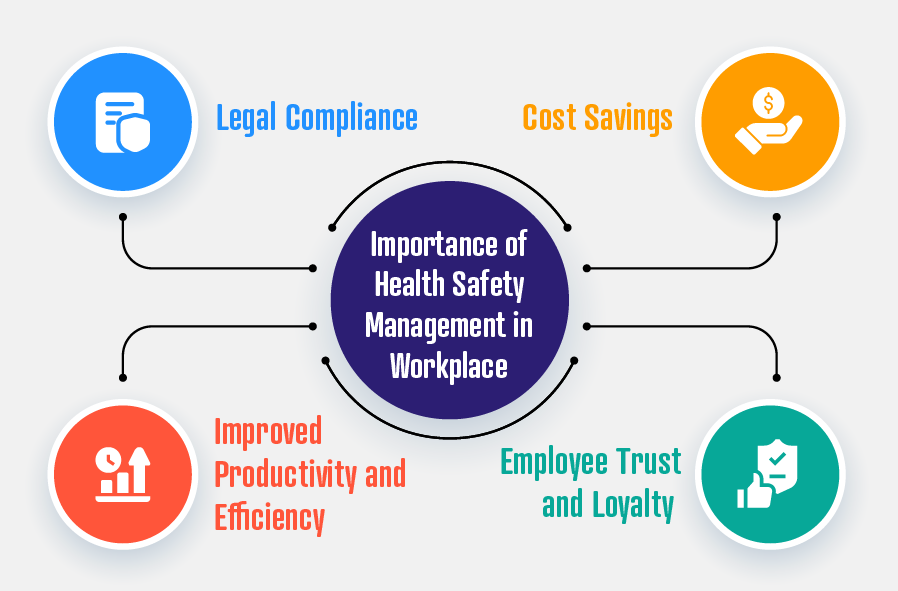
Safety authorities worldwide recommend reviewing assessments whenever workplace processes, equipment, or staffing conditions change.
Safety Policies and Procedures
Safety policies create consistency. Without documented procedures, employees often rely on assumptions or personal habits, which increases risk exposure.
An effective safety policy should clearly explain:
- Employee responsibilities
- Reporting procedures
- Emergency protocols
- PPE requirements
- Equipment handling rules
- Visitor safety requirements
- Incident investigation methods
Clear procedures reduce confusion during emergencies and improve accountability across departments.
The best-performing organizations regularly update their safety manuals based on incident reports, operational changes, and employee feedback.
Employee Training and Awareness
Even the best safety procedures fail if workers do not understand them.
Training programs should be practical, role-specific, and repeated consistently. Employees need to know how to recognize hazards, operate equipment safely, and respond during emergencies.
Effective safety training often includes:
- Fire safety drills
- Equipment handling instruction
- Chemical safety education
- First aid awareness
- Evacuation procedures
- Manual handling techniques
- Cybersecurity awareness for digital workplaces
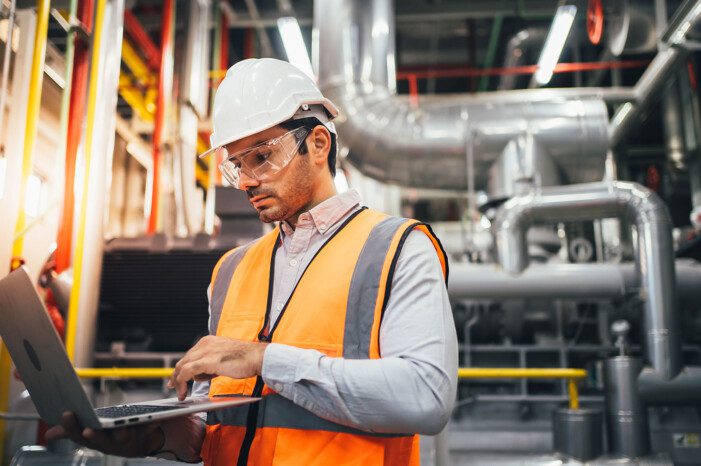
Many organizations now combine classroom instruction with hands-on demonstrations and digital learning modules.
Training should also be adapted for:
- New employees
- Temporary workers
- Contractors
- Remote staff
- Supervisors
- High-risk operational teams
A workplace safety culture improves significantly when management participates in training sessions instead of treating safety as a lower-level responsibility.
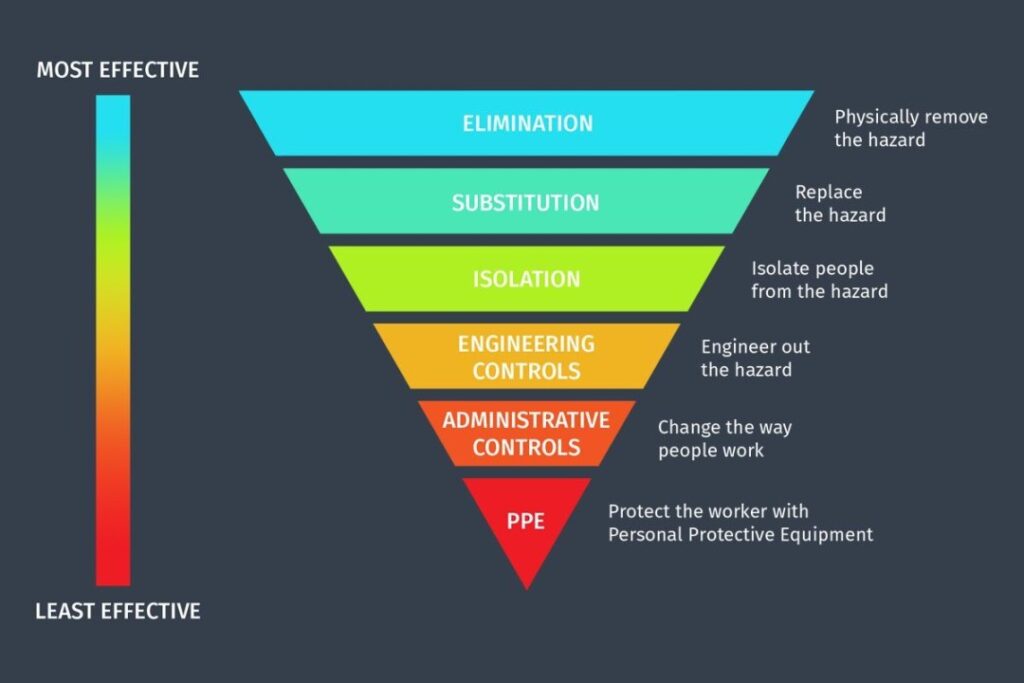
The Hierarchy of Control Measures
One of the most respected workplace safety frameworks is the hierarchy of controls. It prioritizes hazard elimination before relying on personal protective equipment.
According to safety management guidance from workplace regulators, the hierarchy generally follows this order:
| Control Level | Purpose |
|---|---|
| Elimination | Remove the hazard completely |
| Substitution | Replace dangerous processes or materials |
| Engineering Controls | Isolate workers from hazards |
| Administrative Controls | Change work procedures |
| PPE | Protect workers using equipment |
Elimination
This is the most effective option. If a dangerous process can be removed entirely, the risk disappears.
Example:
Removing toxic chemicals from a production line eliminates exposure risks completely.
Substitution
Replacing hazardous materials with safer alternatives helps reduce workplace danger.
Example:
Using water-based cleaning products instead of solvent-based chemicals.
Engineering Controls
These controls physically separate workers from hazards.
Examples include:
- Ventilation systems
- Machine guards
- Sound barriers
- Automatic shutdown systems
Administrative Controls
These measures focus on work procedures and human behavior.
Examples include:
- Rotating shifts
- Safety signage
- Restricted access areas
- Scheduled maintenance checks
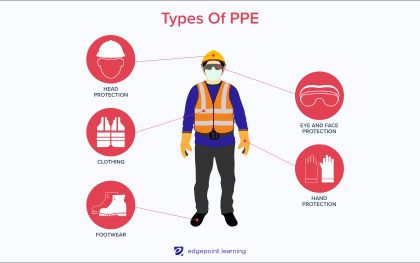
Personal Protective Equipment (PPE)
PPE acts as the final line of defense.
Examples include:
- Helmets
- Gloves
- Safety goggles
- Respirators
- Protective footwear
Experts generally agree that PPE alone should never be the primary safety strategy.
Building a Strong Workplace Safety Culture
Policies alone do not create safe workplaces. Culture does.
A strong safety culture exists when employees at every level actively prioritize workplace safety in daily operations.
Signs of a healthy safety culture include:
- Employees reporting hazards without fear
- Managers participating in inspections
- Open communication about incidents
- Continuous safety improvement
- Regular toolbox talks
- Leadership accountability
Organizations with weak safety cultures often face recurring incidents because workers hesitate to report problems or believe management ignores safety concerns.
Leadership behavior matters heavily. Employees observe management actions closely. If supervisors bypass safety procedures, workers often follow the same pattern.
Safe Management Measures in Different Industries
Construction Industry
Construction sites contain multiple high-risk activities, including work at heights, electrical systems, excavation, and heavy machinery operation.
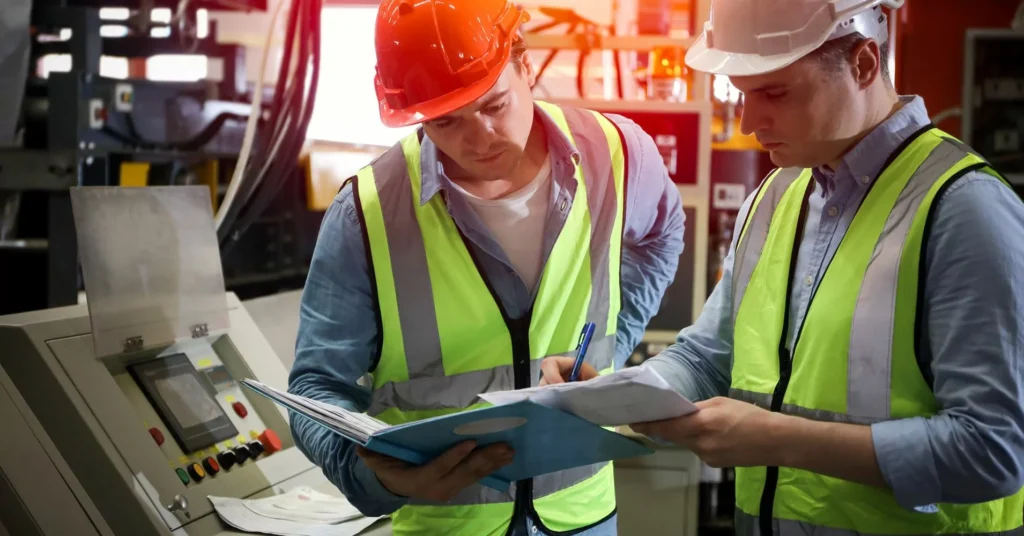
Key safety measures include:
- Fall protection systems
- Scaffolding inspections
- Equipment certification
- Site access control
- Daily toolbox meetings
- Crane operation protocols
Construction companies that conduct regular site inspections typically identify hazards earlier and reduce accident frequency.
Manufacturing Industry
Manufacturing environments often involve repetitive movements, machine operation, heat exposure, and hazardous materials.
Important measures include:
- Lockout and tagout procedures
- Machine guarding
- Ventilation systems
- Ergonomic workstation design
- Preventive maintenance schedules
Manufacturing plants increasingly use automated monitoring systems to detect unsafe equipment conditions before failures occur.
Healthcare Sector
Hospitals and clinics face unique safety challenges involving infection control, patient handling, biological hazards, and workplace stress.
Healthcare safety measures include:
- Infection prevention protocols
- Needle disposal systems
- PPE compliance
- Mental health support
- Patient transfer training
The healthcare industry also places strong focus on emotional fatigue and burnout prevention.
Office and Corporate Environments
Office environments may appear low-risk, but poor ergonomics, stress, electrical hazards, and emergency preparedness remain important concerns.
Safe management measures include:
- Ergonomic furniture
- Fire evacuation plans
- Cybersecurity awareness
- Mental wellness support
- Electrical safety inspections
Hybrid and remote work arrangements have also expanded safety responsibilities beyond traditional office spaces.
Emergency Preparedness and Crisis Response
Every organization should prepare for emergencies before they happen.
Emergency response planning helps reduce panic, confusion, and operational disruption during critical incidents.
A complete emergency preparedness plan should cover:
- Fire emergencies
- Medical incidents
- Chemical spills
- Severe weather
- Cyberattacks
- Equipment failure
- Security threats
Emergency response systems often include:
- Alarm systems
- Emergency contact lists
- Evacuation maps
- Assembly points
- Backup communication systems
- First aid stations
Regular emergency drills help employees respond faster and more effectively under pressure.
Organizations that fail to test emergency plans often discover weaknesses only during real crises.
Technology and Modern Safety Management
Modern workplaces increasingly use technology to improve safety performance.
Digital safety tools now help organizations:
- Track incidents in real time
- Monitor worker fatigue
- Conduct digital inspections
- Manage compliance records
- Automate safety reporting
- Analyze safety trends
Popular technologies include:
| Technology | Safety Function |
|---|---|
| Wearable sensors | Monitor worker movement and fatigue |
| AI analytics | Predict potential hazards |
| IoT devices | Detect unsafe environmental conditions |
| Mobile safety apps | Simplify reporting and inspections |
| Cloud safety systems | Centralize documentation |
Industries such as oil and gas, logistics, and manufacturing rely heavily on predictive analytics to reduce operational risks.
Technology improves visibility, but human oversight remains essential.
Common Mistakes Organizations Make
Many businesses implement safety measures incorrectly or inconsistently.
Common failures include:
Treating Safety as a Compliance Exercise
Some organizations focus only on passing inspections rather than creating genuinely safe workplaces.
Poor Employee Communication
Safety systems fail when workers do not understand procedures or feel excluded from discussions.
Inadequate Training
One-time training sessions are rarely enough. Employees require ongoing refreshers and practical exercises.
Ignoring Near Misses
Near misses provide valuable warning signs. Investigating them often prevents future injuries.
Weak Leadership Support
Safety initiatives lose momentum when leadership fails to participate actively.
How to Improve Safe Management Measures
Organizations seeking stronger safety performance should focus on continuous improvement rather than isolated fixes.
Practical improvement strategies include:
- Conduct monthly safety audits
- Encourage employee reporting
- Use incident trend analysis
- Review procedures regularly
- Update training materials
- Invest in preventive maintenance
- Recognize safe behavior publicly
- Involve frontline workers in decision-making
The most successful organizations treat safety as a shared responsibility rather than a management-only task.
Real-World Example of Effective Safety Management
A mid-sized manufacturing company experiencing frequent hand injuries introduced several changes:
- Machine guards were upgraded
- Safety signage was improved
- Workers received monthly training
- Supervisors conducted weekly inspections
- Near-miss reporting became mandatory
Within one year, injury rates dropped significantly, production interruptions decreased, and employee satisfaction improved.
The improvement did not come from one major investment. It resulted from consistent management attention and employee involvement.
This reflects a common pattern across industries: safety performance improves when organizations build systems instead of reacting to isolated incidents.
The Future of Safe Management Measures
Workplace safety continues to evolve due to automation, remote work, climate risks, and changing workforce expectations.
Emerging trends include:
- AI-driven hazard prediction
- Mental health integration
- Smart PPE technology
- Real-time environmental monitoring
- Remote safety inspections
- Sustainability-linked safety planning
Mental wellbeing is becoming a larger part of workplace safety programs. Businesses increasingly recognize that stress, burnout, and fatigue directly affect accident rates and employee performance.
Future-ready organizations are expanding safety management beyond physical hazards to include psychological and operational resilience.
FAQs
What are safe management measures?
Safe management measures are policies, procedures, and controls designed to reduce workplace risks and protect employees from hazards, injuries, and operational disruptions.
Why are safe management measures important?
They help prevent accidents, improve compliance, reduce financial losses, and create safer working environments for employees.
What is the first step in workplace safety management?
The first step is hazard identification and risk assessment. Organizations must understand workplace risks before implementing control measures.
How often should safety assessments be reviewed?
Risk assessments should be reviewed regularly and whenever workplace processes, equipment, staffing, or operational conditions change.
What industries need safe management measures?
Every industry requires safety management, including construction, healthcare, manufacturing, logistics, hospitality, education, and office environments.
What is the hierarchy of controls?
The hierarchy of controls prioritizes hazard elimination first, followed by substitution, engineering controls, administrative controls, and PPE.
How can companies improve workplace safety culture?
Organizations can improve safety culture through leadership involvement, regular training, employee communication, hazard reporting systems, and continuous monitoring.