The way people work has changed faster in the last five years than in the previous two decades. Businesses no longer look for empty rooms with desks and fluorescent lighting. Today, companies want spaces that improve productivity, support collaboration, strengthen culture, and help teams adapt to hybrid work models. That shift is exactly why the central office space has become one of the most searched workspace concepts in recent years.
A central office space is more than a physical location. It acts as the operational heart of a company where communication, strategy, creativity, and client interactions happen in one connected environment. Startups use central office spaces to scale quickly without long-term commitments. Established businesses rely on them to create efficient workflows and maintain team alignment. Freelancers and remote professionals choose them because they combine flexibility with a professional atmosphere.
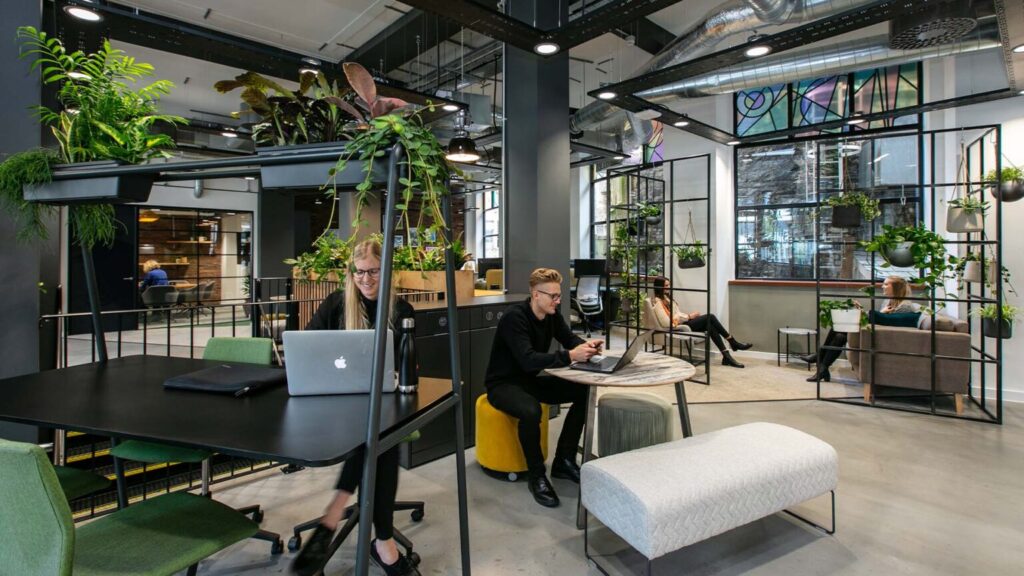
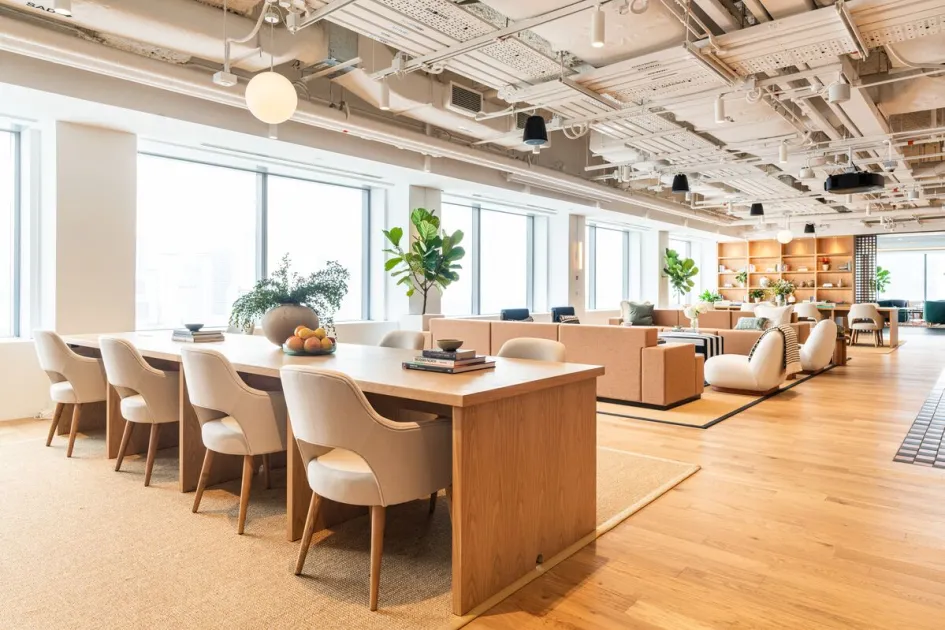
Modern office environments now include coworking zones, collaborative meeting rooms, smart technology integration, ergonomic furniture, wellness-focused layouts, and community-driven networking opportunities. Businesses want spaces that support both focused work and human interaction. Employees expect comfort, accessibility, and flexibility rather than rigid corporate layouts.
This article explains how the central office space supports business growth, why companies are moving toward flexible workspaces, what features matter most, and how organizations can choose the right office setup for long-term success.
What Is a Central Office Space?
A central office space is a strategically located workplace designed to serve as the main hub for business operations, collaboration, and employee productivity. Unlike traditional offices that focus only on desk allocation, central office spaces are designed around efficiency, accessibility, and flexibility.
These spaces often combine multiple functions under one roof, including:
- Private offices
- Open coworking areas
- Meeting rooms
- Breakout lounges
- Conference facilities
- Virtual office support
- Shared amenities
- Event and networking spaces
The rise of hybrid work has made central office spaces even more valuable. Businesses now need adaptable environments where employees can meet, brainstorm, and connect without requiring permanent daily attendance.
Modern office operators also understand that physical environments directly affect employee performance. Studies from workplace design researchers show that natural lighting, acoustic control, ergonomic seating, and collaborative layouts can significantly improve concentration and job satisfaction. Companies investing in well-designed office spaces often report stronger employee retention and better team communication.
A successful central office space creates balance. It supports privacy when employees need focus while also encouraging collaboration and innovation.
Why Businesses Are Choosing Flexible Office Spaces
Traditional office leases often lock companies into long contracts with fixed layouts and high maintenance costs. That model no longer fits the speed of modern business operations. Companies now prefer flexibility, scalability, and lower operational risk.
Flexible office spaces solve many of these problems.
Businesses can increase or reduce workspace requirements based on team size, project demands, or seasonal growth. This helps companies manage expenses more efficiently while maintaining a professional working environment.
Here are some of the biggest reasons organizations prefer flexible office spaces today:
| Feature | Traditional Office | Central Flexible Office Space |
|---|---|---|
| Lease Length | Long-term contracts | Flexible agreements |
| Setup Costs | High upfront investment | Lower startup cost |
| Scalability | Limited flexibility | Easy expansion |
| Maintenance | Managed internally | Included services |
| Networking | Minimal | Strong professional community |
| Technology Integration | Requires separate setup | Often fully equipped |
| Hybrid Work Support | Limited | Designed for flexibility |
Businesses also appreciate the ability to access premium locations without paying the full cost of operating a standalone corporate headquarters. A well-positioned central office improves client perception, employee convenience, and operational efficiency.
Key Features of a Modern Central Office Space
Smart Workspace Design
Modern office spaces focus heavily on functionality and employee comfort. The design itself influences productivity, energy levels, and collaboration.
A high-quality office layout usually includes:
- Open collaborative areas
- Quiet focus rooms
- Natural lighting
- Soundproof meeting spaces
- Ergonomic workstations
- Lounge zones
- Flexible seating arrangements
Companies increasingly prefer layouts that encourage movement and interaction instead of rigid cubicle systems.

Technology Integration
Technology now shapes how businesses operate every day. A central office space must support digital workflows without interruption.
Important technology features include:
- High-speed internet
- Video conferencing systems
- Smart access control
- Wireless presentation tools
- Cloud-connected workstations
- Booking systems for meeting rooms
- Cybersecurity infrastructure
As remote and hybrid teams grow, offices need reliable technology that keeps communication smooth and efficient.
Wellness and Employee Experience
Employee wellbeing has become a major priority for employers. Workspace design now includes wellness-focused elements because businesses recognize the direct connection between employee comfort and productivity.
Many modern offices now include:
- Air purification systems
- Wellness rooms
- Natural greenery
- Relaxation zones
- Fitness facilities
- Healthy snack areas
- Adjustable desks
A workspace that supports mental and physical wellbeing often improves morale, reduces burnout, and increases employee engagement.
How Central Office Spaces Improve Productivity
Productivity is one of the strongest reasons businesses invest in quality office environments. Employees perform better when distractions are minimized and collaboration becomes easier.
Central office spaces improve productivity in several ways.
First, they reduce commuting stress when located near transportation hubs or commercial centers. Shorter travel times help employees arrive with more energy and better focus.
Second, collaborative office layouts encourage faster communication between departments. Teams can solve problems quickly instead of relying on long email chains or delayed virtual meetings.
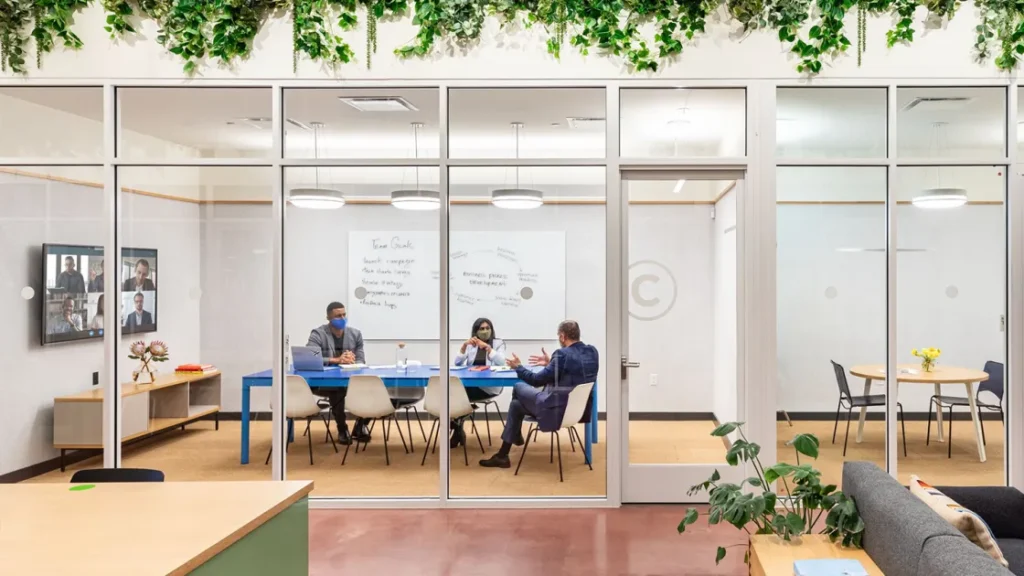
Third, modern office designs provide dedicated zones for different work styles. Employees can choose quiet spaces for deep concentration or open areas for brainstorming sessions.
Research from workplace studies consistently shows that employees working in well-designed office environments report higher job satisfaction and stronger engagement levels. Businesses that invest in workspace quality often experience lower turnover rates and stronger team performance.
The Role of Hybrid Work in Office Space Evolution
Hybrid work permanently changed the purpose of office environments. Businesses no longer need offices only for daily attendance. Instead, offices now function as collaboration hubs.
Employees often split time between remote work and in-office work. This shift has pushed businesses to rethink how space is used.
Today’s office spaces are designed to support:
- Team collaboration
- Creative brainstorming
- Client meetings
- Training sessions
- Company culture building
- Flexible scheduling
Instead of assigning permanent desks to every employee, many organizations use shared workstations and booking systems. This reduces unused space while improving operational efficiency.
Hybrid work also increased demand for coworking spaces because employees want professional environments closer to home without commuting to headquarters every day.
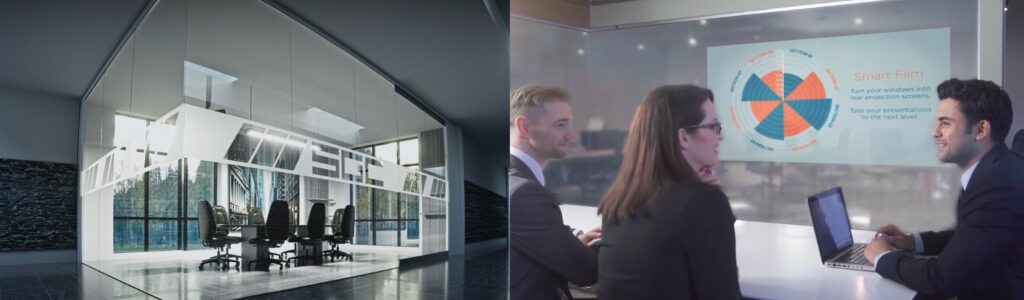
Central Office Space vs Coworking Space
Although many people use these terms interchangeably, they are not exactly the same.
A coworking space is typically shared by freelancers, startups, remote workers, and multiple businesses. A central office space can include coworking elements, but it often serves as the primary operational base for a specific company or organization.
Here is a clearer comparison:
| Aspect | Central Office Space | Coworking Space |
|---|---|---|
| Main Purpose | Business headquarters | Shared work environment |
| Privacy Level | Higher privacy | Shared environment |
| Branding Opportunities | Strong company branding | Limited customization |
| Team Collaboration | Internal company focus | Mixed professional community |
| Flexibility | Moderate to high | Very high |
| Workspace Control | More controlled | Shared operational model |
Many modern office providers now combine both models, allowing businesses to maintain private offices while benefiting from shared amenities and networking opportunities.
Best Industries for Flexible Office Spaces
Flexible office environments work especially well for fast-moving industries where adaptability matters.
Technology Companies
Tech startups and software businesses often grow rapidly. Flexible office solutions allow them to expand without relocating frequently.
Marketing and Creative Agencies
Creative teams benefit from collaborative layouts, meeting rooms, and brainstorming spaces designed for communication and idea sharing.
Consulting Firms
Consultants often need central business addresses, professional meeting rooms, and flexible schedules rather than fixed office arrangements.
E-Commerce Businesses
Online businesses frequently operate hybrid teams with changing staffing needs. Flexible workspaces reduce overhead while maintaining professionalism.
Remote Teams and Freelancers
Independent professionals gain access to networking opportunities, professional infrastructure, and productive environments without committing to traditional office leases.
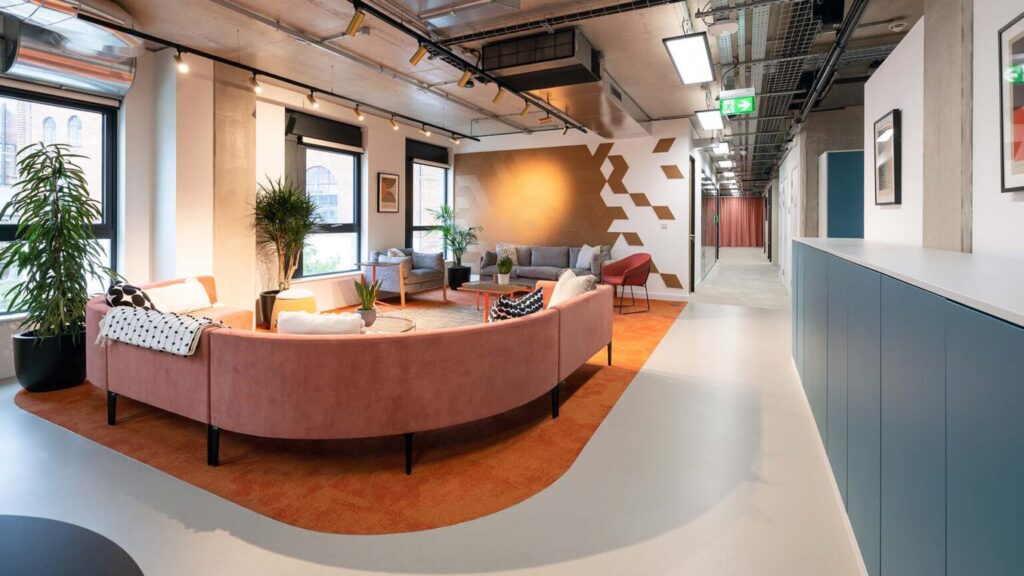
Important Factors to Consider Before Choosing an Office Space
Selecting the right office space requires more than comparing prices. Businesses should evaluate long-term operational needs, employee expectations, and scalability.
Location Accessibility
The office should be easy to reach through public transportation and major road networks. Employees and clients value convenience.
Scalability
A workspace should support future growth without forcing businesses into costly relocations.
Amenities
High-quality amenities improve employee experience and support daily operations.
Look for:
- Fast internet
- Meeting rooms
- Parking access
- Security systems
- Reception services
- Kitchen facilities
- Printing support
Community and Networking
One advantage of modern office environments is access to professional communities. Networking opportunities often lead to partnerships, referrals, and business growth.
Cost Transparency
Some office providers advertise low prices while charging extra for internet, utilities, meeting rooms, or maintenance. Businesses should carefully review all operational costs before signing agreements.
How Office Design Impacts Company Culture
Workspace design directly affects how employees interact with each other. An office environment shapes communication patterns, collaboration habits, and overall workplace morale.
Open collaborative spaces encourage spontaneous discussions and faster decision-making. Quiet zones support focused work. Social areas help employees build stronger relationships.
Businesses that intentionally design workspaces around company culture often experience:
- Better employee engagement
- Improved collaboration
- Stronger innovation
- Higher retention rates
- Better onboarding experiences
Office design also communicates brand identity to clients and visitors. A thoughtfully designed central office creates a stronger professional impression and reinforces company values.
Sustainability and Green Office Spaces
Sustainability has become an important consideration in commercial real estate. Many businesses now prefer environmentally responsible office spaces that reduce energy consumption and support healthier working conditions.
Green office spaces commonly include:
- Energy-efficient lighting
- Smart climate control
- Sustainable building materials
- Recycling systems
- Natural ventilation
- Water-saving infrastructure
Sustainable office environments not only reduce environmental impact but also improve employee wellbeing and operational efficiency.
Many newer office developments now pursue green building certifications because companies increasingly value environmental responsibility when selecting workspace solutions.
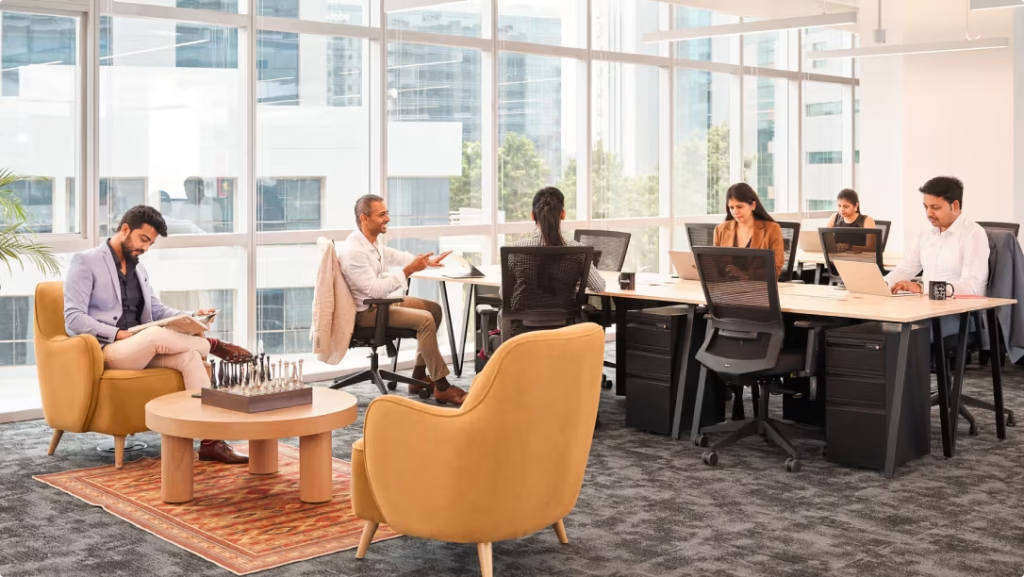
The Future of Central Office Spaces
The office market continues to evolve rapidly. Businesses now expect workspaces to support flexibility, technology integration, employee wellbeing, and collaborative culture.
Several trends are shaping the future of office spaces:
Smaller Headquarters
Many companies are reducing large headquarters and replacing them with smaller flexible hubs.
Smart Office Technology
Artificial intelligence, occupancy tracking, and automated workspace management systems are becoming more common.
Experience-Focused Design
Future offices will prioritize employee experience over dense seating arrangements.
Community-Driven Workspaces
Businesses increasingly value networking communities within office environments because collaboration often creates new business opportunities.
Hybrid-First Layouts
Future office designs will focus less on assigned desks and more on collaborative meeting areas and flexible work zones.
Companies that adapt early to these changes are likely to attract stronger talent and maintain better operational agility.
Common Mistakes Businesses Make When Choosing Office Space
Many companies rush office decisions without considering long-term operational needs.
Some of the most common mistakes include:
- Choosing space based only on price
- Ignoring employee commute convenience
- Overestimating future space requirements
- Neglecting technology infrastructure
- Underestimating hidden costs
- Failing to prioritize flexibility
- Ignoring workplace culture needs
Businesses should treat office selection as a strategic investment rather than a simple real estate decision.
Practical Tips for Creating an Efficient Office Environment
Even the best office location requires thoughtful planning to maximize productivity.
Here are several practical strategies businesses can use:
- Create dedicated quiet zones
- Improve lighting quality
- Use ergonomic furniture
- Encourage flexible seating
- Add collaborative meeting areas
- Maintain organized digital systems
- Prioritize acoustic comfort
- Incorporate greenery and natural design elements
A workspace should support both operational efficiency and employee comfort.
Frequently Asked Questions
What is the main purpose of a central office space?
A central office space serves as the primary hub for business operations, team collaboration, meetings, and organizational management.
Is a central office space suitable for small businesses?
Yes. Small businesses often benefit from flexible office solutions because they reduce operational costs while providing professional infrastructure.
How does flexible office space reduce business costs?
Flexible office spaces lower expenses by reducing long-term lease commitments, setup costs, maintenance responsibilities, and utility management.
What industries benefit most from flexible workspaces?
Technology companies, creative agencies, consulting firms, startups, remote teams, and e-commerce businesses commonly use flexible office solutions.
Are coworking spaces the same as central office spaces?
Not exactly. Coworking spaces are shared work environments, while central office spaces often function as dedicated operational hubs for businesses.
How important is office location?
Location significantly affects employee convenience, client accessibility, and overall business visibility.
What features should businesses prioritize in office spaces?
Businesses should prioritize internet reliability, meeting rooms, scalability, accessibility, security, and employee comfort.