The mustard seed is one of the oldest and most widely used seeds in human history. From ancient medicine to modern kitchens, it has played a powerful role in food, health, and agriculture. In this mustard seed guide, you will learn everything about its meaning, nutritional value, benefits, and practical uses in daily life.
This article explains how the mustard seed supports health, how it is used in cooking, and why it remains important in traditional and modern industries. You will also discover growing methods, oil extraction, and its role in herbal medicine. By the end, you will have a complete understanding of this tiny but powerful seed.
Understanding Mustard Seed Meaning and Types
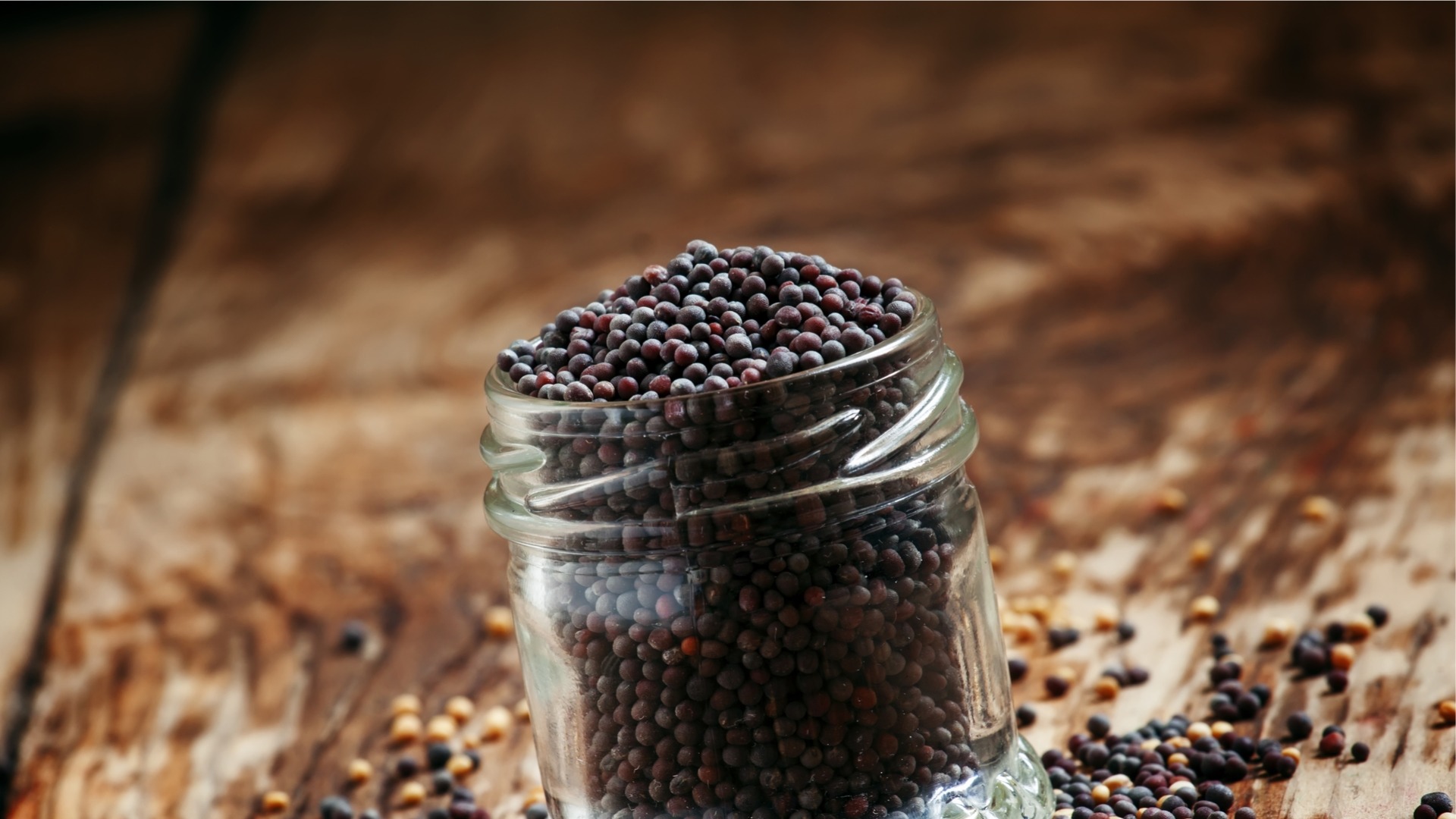
The mustard seed comes from the mustard plant, which belongs to the Brassica family. It is known for its strong aroma and slightly spicy taste when crushed or cooked.
There are three main types of mustard seed:
- Yellow mustard seed (mild flavor)
- Brown mustard seed (medium heat)
- Black mustard seed (strongest flavor)
Each type of mustard seed is used differently in cooking and oil production. For example, yellow seeds are common in sauces, while black seeds are popular in South Asian cuisine.
The mustard seed has symbolic meaning in many cultures. It represents growth, faith, and potential because something so small can grow into a large plant. This idea is often used in religious and philosophical teachings.
Nutritional Value of Mustard Seed
The mustard seed is packed with essential nutrients that support overall health. It contains protein, fiber, omega-3 fatty acids, and various minerals.
Key nutrients include:
- Calcium for bone strength
- Magnesium for muscle function
- Iron for blood health
- Selenium for immune support
In addition, mustard seed contains antioxidants that help fight inflammation in the body. Regular consumption in small amounts may support digestion and metabolism.
Because of its rich nutritional profile, mustard seed is often included in natural remedies and healthy diets around the world.
Health Benefits of Mustard Seed
The mustard seed offers several health benefits when used properly in food or oil form.
Supports Digestion
The mustard seed stimulates digestive juices, which may improve digestion and reduce bloating.
Helps Reduce Inflammation
Natural compounds in mustard seed can help reduce inflammation in joints and muscles.
Improves Heart Health
The healthy fats in mustard seed oil may support heart function and cholesterol balance.
Boosts Metabolism
Consuming mustard seed can slightly increase metabolic activity, helping the body burn calories more efficiently.
Skin and Hair Benefits
Mustard seed oil is often used for massage and hair treatment due to its nourishing properties.
Overall, the mustard seed is considered a valuable natural ingredient in traditional wellness practices.
Mustard Seed Uses in Cooking and Daily Life
The mustard seed is widely used in cooking across different cultures. It adds flavor, aroma, and depth to many dishes.
Common uses include:
- Tempering spices in Indian cuisine
- Making mustard paste for sauces
- Flavoring pickles and chutneys
- Adding to soups and curries
When heated, the mustard seed releases a nutty aroma that enhances the taste of food. It is also used in salad dressings and marinades.
In addition to cooking, mustard seed oil is used for massage, skincare, and traditional therapies. Its versatility makes it a valuable household ingredient.
Mustard Seed Oil Extraction and Applications
Mustard seed oil is extracted by crushing seeds and pressing them to release natural oil. This oil is widely used in cooking and traditional medicine.
Cooking Applications
Mustard seed oil is commonly used for frying and sautéing due to its strong flavor and high smoke point.
Therapeutic Uses
It is used in massage therapy to improve blood circulation and reduce muscle stiffness.
Agricultural Use
Some farmers also use mustard seed oil as a natural pesticide due to its antimicrobial properties.
Because of its multiple applications, mustard seed oil remains an important product in both domestic and commercial markets.
Growing Mustard Seed at Home
Growing mustard seed is simple and requires minimal effort. It is a fast-growing plant suitable for home gardens.
Steps to grow:
- Choose good quality mustard seed
- Prepare soil with proper drainage
- Sow seeds evenly in sunlight
- Water lightly but regularly
- Harvest leaves or seeds after maturity
Mustard plants grow quickly and can be harvested within a few weeks for leaves or a few months for seeds.
This makes mustard seed a popular choice for beginner gardeners.
Cultural and Historical Importance of Mustard Seed
The mustard seed has been used for thousands of years in various civilizations. Ancient Egyptians, Greeks, and Indians used it for food and medicine.
In many cultures, mustard seed represents growth and transformation. Its ability to grow into a large plant symbolizes potential and progress.
In traditional medicine systems like Ayurveda, mustard seed is valued for its warming properties and healing benefits.
Mustard Seed in Modern Health Trends
Today, the mustard seed is gaining popularity in natural health and organic food markets. People are returning to traditional ingredients for healthier lifestyles.
It is now used in:
- Organic skincare products
- Natural health supplements
- Plant-based cooking recipes
Research also continues to explore the medicinal properties of mustard seed, especially its anti-inflammatory compounds.
Conclusion
The mustard seed is a small but powerful natural ingredient with a wide range of uses and benefits. From cooking and oil extraction to health and agriculture, it plays an important role in daily life.
Understanding the value of mustard seed helps you appreciate its nutritional and cultural importance. Whether you use it in food, oil, or gardening, it offers multiple advantages for a healthier lifestyle.
By adding mustard seed to your diet or routine, you can enjoy its natural benefits in a simple and effective way. Start exploring its uses today and experience its long-standing value in traditional and modern practices.
1. What is mustard seed used for?
Mustard seed is used in cooking, oil extraction, and traditional medicine for health benefits.
2. Is mustard seed good for health?
Yes, mustard seed contains nutrients and antioxidants that support digestion, heart health, and immunity.
3. What are the types of mustard seed?
There are three types: yellow, brown, and black mustard seed, each with different flavor strength.
4. Can mustard seed be used daily?
Yes, in small amounts, mustard seed can be safely used daily in cooking.
5. How is mustard seed oil beneficial?
Mustard seed oil is used for cooking, massage, and improving skin and hair health.