Food habits are changing fast. People no longer want meals that are only tasty — they also want food that supports health, saves time, fits budgets, and feels satisfying. That’s where WWP food has started getting attention.
From busy parents trying to prepare better dinners to fitness-focused professionals looking for balanced meals, WWP food is becoming part of everyday conversations. But what exactly makes it so appealing? And why are more people shifting toward this style of eating?
The answer isn’t just about calories or trends. It’s about practicality, sustainability, and realistic eating habits people can actually maintain.
In this guide, you’ll learn what WWP food means, why it matters, how it fits modern lifestyles, and how you can start using its principles without making your life complicated.
What Is WWP Food?
WWP food generally refers to a smarter, more balanced approach to eating that focuses on wellness, portion awareness, practical meal planning, and nutritious choices. Instead of following restrictive food rules, it encourages sustainable eating habits.
Many people associate WWP food with:
- Balanced portions
- Whole ingredients
- Protein-rich meals
- Smart carb choices
- Reduced processed foods
- Flexible meal planning
- Long-term healthy eating
Unlike strict diets that feel impossible after a few weeks, WWP food works because it fits into normal life.
That flexibility is one of the biggest reasons people stick with it.
Why WWP Food Is Becoming So Popular
People are tired of unrealistic food systems. One week a trend says avoid carbs, the next week it says avoid fats. It becomes exhausting.
WWP food stands out because it focuses on balance rather than extremes.
Here’s why people are paying attention:
| Reason | Why It Matters |
|---|---|
| Easy meal planning | Saves time during busy weeks |
| Flexible eating | No need to completely avoid favorite foods |
| Better nutrition | Encourages balanced meals |
| Budget-friendly | Works with simple grocery items |
| Family-friendly | Easier to cook for everyone |
| Sustainable habits | Easier to maintain long-term |
This practical structure appeals to people who want realistic health improvements instead of temporary results.
The Shift From Dieting to Sustainable Eating
A major reason WWP food works is psychological.
Traditional dieting often creates a cycle:
- Restriction
- Cravings
- Overeating
- Guilt
- Restarting again
WWP food approaches eating differently. Instead of punishing people for enjoying food, it encourages moderation and awareness.
That small mindset shift changes everything.
For example, instead of labeling pizza as “bad,” WWP food focuses on portion balance and pairing it with healthier sides like salad or vegetables.
This helps people build a healthier relationship with food over time.
1. WWP Food Makes Healthy Eating More Realistic
Many meal plans fail because they demand too much change too quickly.
WWP food simplifies the process.
Rather than expecting someone to cook gourmet meals every day, it works with ordinary foods people already enjoy.
Example of a simple WWP-style breakfast:
- Oatmeal with berries
- Greek yogurt
- Boiled eggs
- Whole-grain toast
Nothing expensive. Nothing difficult.
The simplicity helps people remain consistent, which matters more than perfection.
2. Portion Awareness Plays a Big Role
One reason modern eating habits have changed is portion size inflation.
Restaurant servings have become larger over the years. Many packaged foods also encourage overeating.
WWP food brings attention back to mindful portions without forcing people to count every bite.
Helpful portion strategies include:
- Using smaller plates
- Filling half the plate with vegetables
- Prioritizing protein
- Eating slowly
- Avoiding distracted eating
These small habits often lead to better digestion and improved energy levels.
3. WWP Food Supports Busy Lifestyles
Modern life is busy. People juggle work, school, parenting, errands, and endless notifications.
Complex meal systems rarely survive in chaotic schedules.
WWP food works because it supports convenience while still encouraging healthier choices.
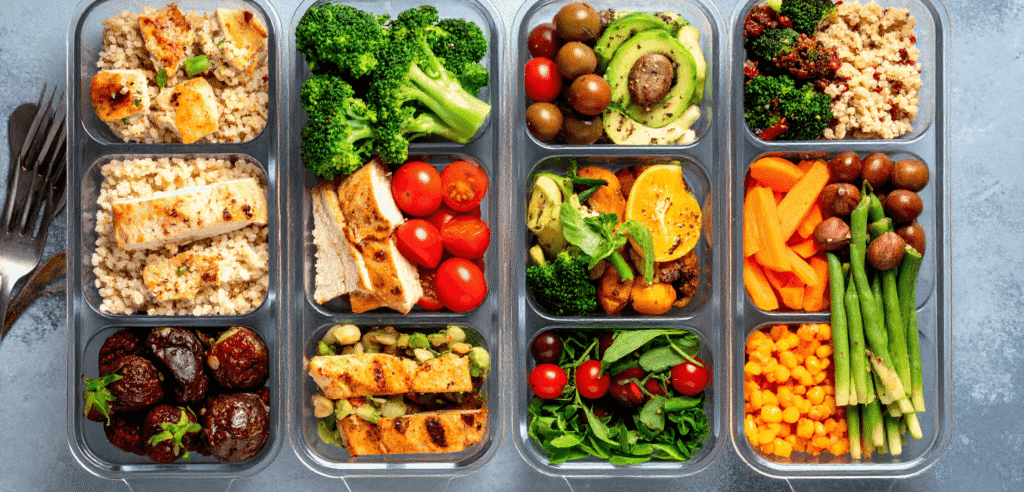
Time-saving WWP meal ideas:
- Grilled chicken wraps
- Rice bowls with vegetables
- Overnight oats
- Sheet-pan dinners
- Smoothies with protein and fruit
- Air-fryer salmon with potatoes
The focus is efficiency without sacrificing nutrition.
That balance matters for long-term consistency.
4. Budget-Friendly Eating Is Easier Than Many Think
One common myth is that healthy eating always costs more.
In reality, many WWP food principles rely on affordable staples.
Budget-friendly WWP ingredients:
- Beans
- Eggs
- Rice
- Frozen vegetables
- Oats
- Potatoes
- Tuna
- Chicken thighs
- Lentils
- Seasonal fruits
These foods provide nutrition without overwhelming grocery bills.
Mini Case Study: A Family Grocery Shift
A family of four started replacing processed snacks with homemade popcorn, fruit, boiled eggs, and yogurt. They also prepared meals in batches twice a week.
Within two months:
- Grocery waste dropped
- Fast-food spending decreased
- Energy levels improved
- Meal stress became easier to manage
The biggest improvement wasn’t weight loss. It was sustainability.
5. WWP Food Encourages Better Meal Planning
Meal planning often sounds boring until people realize how much stress it removes.
Without a plan, many people default to unhealthy convenience foods.
WWP food promotes simple planning methods instead of perfection.
A practical weekly structure:
Monday
Chicken rice bowls
Tuesday
Vegetable pasta with lean protein
Wednesday
Soup and sandwiches
Thursday
Taco night with healthier toppings
Friday
Homemade pizza with salad
Weekend
Flexible meals and leftovers
This structure saves money, reduces food waste, and lowers decision fatigue.
The Connection Between WWP Food and Energy Levels
Have you ever noticed how some meals leave you energized while others make you sleepy?
WWP food emphasizes balanced nutrition that supports stable energy throughout the day.
Meals that combine:
- Protein
- Fiber
- Healthy fats
- Complex carbohydrates
often help prevent energy crashes.
For example:
A fast-food lunch heavy in refined carbs may create temporary fullness but lead to afternoon fatigue.
Meanwhile, a balanced grain bowl with vegetables, protein, and healthy fats tends to provide steadier energy.
Small changes create noticeable differences over time.
6. WWP Food Helps Reduce Emotional Eating
Stress eating is incredibly common.
People eat when they’re:
- Overwhelmed
- Bored
- Anxious
- Lonely
- Tired
WWP food doesn’t pretend emotional eating disappears overnight. Instead, it promotes awareness and healthier responses.
Helpful strategies include:
- Eating regular meals
- Keeping satisfying snacks available
- Drinking enough water
- Avoiding excessive restriction
- Building balanced meals
When people stop treating food like punishment, emotional eating patterns often improve naturally.
7. Social Media Has Changed Food Awareness
Food content is everywhere now.
People constantly see:
- Meal prep videos
- Grocery hauls
- Nutrition advice
- Recipe ideas
- Restaurant reviews
This exposure has increased interest in practical eating methods like WWP food.
However, social media also creates confusion because trends change quickly.
One influencer promotes extreme fasting while another promotes endless “cheat meals.”
WWP food feels more grounded because it avoids extremes and focuses on sustainability.
That realistic approach appeals to many people who feel overwhelmed by conflicting health advice.
Smart Grocery Shopping for WWP Food
Grocery shopping can either support healthy habits or completely derail them.
Planning ahead makes a major difference.
Practical shopping tips:
Make a List Before Shopping
Impulse buying decreases when you shop with intention.
Prioritize Protein
Protein helps with fullness and meal balance.
Examples:
- Eggs
- Chicken
- Yogurt
- Fish
- Beans
Buy Frozen Produce
Frozen vegetables and fruits are nutritious, affordable, and reduce waste.
Avoid Shopping Hungry
This simple habit prevents unnecessary purchases.
Keep Healthy Convenience Foods
Pre-cut vegetables, canned beans, and rotisserie chicken can save time during busy days.
8. WWP Food Fits Different Lifestyles
Another reason for its popularity is flexibility.
WWP food can work for:
- Students
- Families
- Athletes
- Office workers
- Older adults
- Busy professionals
It can also adapt to different cultural foods and eating preferences.
For example:
A South Asian meal plan might include:
- Lentils
- Chapati
- Yogurt
- Grilled chicken
- Vegetable curries
A Mediterranean version may include:
- Olive oil
- Fish
- Chickpeas
- Fresh vegetables
- Whole grains
The foundation remains balance and sustainability.
Common Mistakes People Make With WWP Food
Even balanced eating systems can become frustrating if approached incorrectly.
Mistake 1: Trying to Be Perfect
Perfection creates burnout.
One unhealthy meal does not ruin progress.
Mistake 2: Ignoring Protein
Protein helps with fullness and muscle maintenance.
Mistake 3: Skipping Meals
Skipping meals often increases overeating later.
Mistake 4: Overcomplicating Recipes
Simple meals are easier to maintain consistently.
Mistake 5: Expecting Instant Results
Healthy eating is a long-term investment.
9. Restaurants Are Adapting to Smarter Eating Trends
Restaurants now recognize that customers want healthier options without sacrificing flavor.
Many menus now include:
- Calorie-conscious meals
- Protein bowls
- Fresh ingredient options
- Grilled alternatives
- Smaller portions
- Customizable meals
This shift makes WWP food easier to follow outside the home.
Questions to Ask Yourself When Dining Out
- Does this meal include protein?
- Can I add vegetables?
- Am I eating because I’m hungry or just distracted?
- Will this meal keep me satisfied later?
Small awareness habits create better decisions without eliminating enjoyment.
WWP Food and Family Eating Habits
Families strongly influence eating behaviors.
Children often develop food patterns based on home environments.
WWP food encourages healthier family routines without making meals stressful.
Family-friendly habits include:
- Eating together when possible
- Keeping healthier snacks visible
- Involving kids in cooking
- Avoiding pressure-based eating
- Offering balanced meals consistently
Parents who model balanced eating often create healthier long-term habits for children.
10. Hydration Matters More Than People Think
Many people focus only on food while ignoring hydration.
Mild dehydration can sometimes feel like hunger.
WWP food principles usually include hydration awareness because it supports:
- Digestion
- Energy
- Appetite control
- Physical performance
- Mental focus
Easy hydration tips:
- Carry a reusable water bottle
- Add lemon or fruit slices
- Drink water before meals
- Reduce excessive sugary drinks
Simple hydration improvements can noticeably affect daily energy.
A Sample One-Day WWP Food Plan
Here’s a realistic example of balanced eating without extreme restrictions.
| Meal | Example |
|---|---|
| Breakfast | Oatmeal with banana and peanut butter |
| Snack | Greek yogurt with berries |
| Lunch | Chicken rice bowl with vegetables |
| Snack | Apple and almonds |
| Dinner | Salmon, potatoes, and salad |
| Dessert | Dark chocolate or fruit |
Notice the balance:
- Protein
- Fiber
- Healthy fats
- Enjoyment
- Practicality
That’s what makes this approach sustainable.
11. Consistency Beats Perfection Every Time
One of the strongest lessons behind WWP food is that consistency matters more than flawless eating.
People often quit healthy habits because they think one mistake means failure.
That mindset creates unnecessary frustration.
A realistic approach looks more like this:
- Mostly balanced meals
- Occasional treats
- Flexible planning
- Long-term thinking
- Sustainable routines
That pattern is far more effective than strict cycles of restriction and overeating.
The Mental Side of Eating Better
Healthy eating isn’t only physical.
It’s emotional, social, and psychological too.
Food connects with:
- Culture
- Family
- Comfort
- Celebration
- Stress
- Memories
WWP food works well because it respects those emotional connections instead of ignoring them.
People are more likely to maintain habits that still allow them to enjoy life.
That emotional flexibility often becomes the difference between temporary dieting and long-term lifestyle improvement.
Actionable Tips You Can Start Today
You don’t need a complete life overhaul to improve eating habits.
Start small.
Practical beginner steps:
- Add one vegetable to lunch daily
- Replace sugary drinks with water a few times weekly
- Cook one extra homemade meal each week
- Keep protein-rich snacks available
- Eat more slowly
- Plan simple meals ahead of time
Small habits compound over months and years.
That’s where meaningful results usually happen.
Is WWP Food Right for Everyone?
No eating style works perfectly for every person.
Health conditions, cultural preferences, allergies, and lifestyles all matter.
However, the biggest strength of WWP food is adaptability.
Instead of forcing people into rigid systems, it encourages balanced decision-making people can personalize.
That flexibility increases the chances of long-term success.
Frequently Asked Questions
What does WWP food mean?
WWP food generally refers to a balanced, practical approach to eating that prioritizes nutrition, portion awareness, and sustainable habits.
Is WWP food good for weight management?
Yes, many people use WWP food principles to support healthier weight management because it focuses on balance rather than extreme restriction.
Can families follow WWP food together?
Absolutely. Many WWP-style meals work well for families because they use simple ingredients and flexible meal structures.
Is WWP food expensive?
Not necessarily. Many affordable foods like rice, beans, eggs, oats, and frozen vegetables fit well within this eating style.
Does WWP food eliminate favorite foods?
No. One of its strengths is moderation and flexibility instead of complete food restriction.
Conclusion
WWP food is gaining popularity because it fits real life.
People no longer want exhausting diet rules that create stress and guilt. They want practical eating habits that support health, energy, family life, and consistency.
That’s exactly why this approach resonates with so many individuals today.
The biggest lesson isn’t about eating perfectly. It’s about building sustainable habits you can maintain even during busy weeks, stressful seasons, and social occasions.